Artwork
Den hellige familie
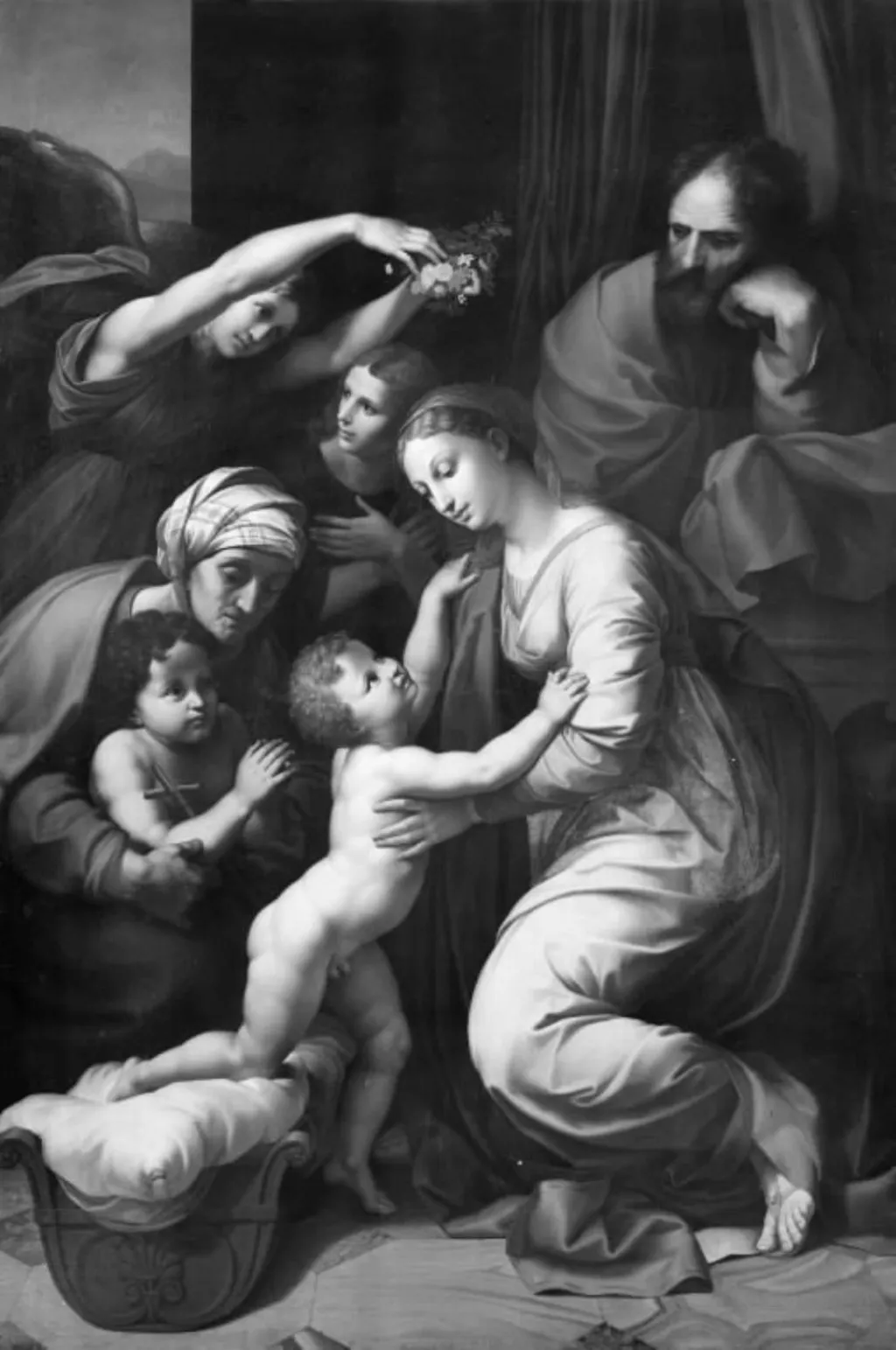
Den hellige familie is a photography by the Romanticist artist Unknown artist. It dates from 1811 and is held in the collection of the Statens Museum for Kunst.
About this work
Overview
It is held in the Museum of Ethnography and presents a staged domestic scene with five figures arranged under dramatic lighting.
The work titled *Den hellige familie*, dated 1811, is attributed to Xun Xu, a figure associated with the Chinese Xun family and active during the transition from the Three Kingdoms to the Jin dynasty. Despite its Norwegian title, the piece is not a painting but a black-and-white photograph, likely from the 19th century. It is held in the Museum of Ethnography and presents a staged domestic scene with five figures arranged under dramatic lighting.
Subject & Meaning
The image portrays five individuals in a dim interior: a woman kneels cradling an infant, another child clings to her leg, two adults sit on a bench—one wearing a headscarf—and a fifth stands behind with arms raised. The composition evokes reverence or emotional intensity, possibly referencing religious or familial devotion. The staging suggests an attempt to convey spiritual or domestic solemnity, though the cultural context of the scene remains ambiguous.
Technique & Style
The photograph employs strong chiaroscuro, with stark contrasts between light and shadow to model forms and direct attention. Faces and fabric catch bright highlights, while surrounding areas recede into deep darkness. The grainy texture and high contrast are characteristic of early photographic processes. The careful arrangement of figures and lighting indicates deliberate composition, aligning with 19th-century photographic conventions aimed at emotional narrative.
History & Provenance
Attributed to Xun Xu, a historical figure from the Jin dynasty era, the work’s origin is complicated by its medium: a 19th-century photograph, not a painting. The misattribution may stem from later cataloging errors or conflated cultural records. The photograph entered the collection of the Museum of Ethnography, where it remains, though its exact provenance and the identity of the subjects are undocumented.
Context
While Xun Xu lived in the 3rd–4th century CE, the photograph dates from roughly 1811, placing it in the early colonial or missionary era in China. The scene may reflect Christian iconography adapted into a local setting, or a staged tableau for Western audiences. The use of dramatic lighting and familial grouping aligns with European artistic traditions, suggesting possible cross-cultural influence in photographic practice during this period.
Legacy
The work serves as a case study in misattribution and the blending of cultural symbols across media. Its presence in an ethnographic museum highlights how 19th-century collectors interpreted non-Western scenes through familiar visual codes. Though not a product of the Jin dynasty, it reflects the complex ways historical identities were reimagined in colonial-era documentation and display.
Artist & collection
Artist
Xun Xu (c. 221 – 289), courtesy name Gongzeng, was a Chinese musician, painter, politician, and writer who lived during the late Three Kingdoms period and early Jin dynasty of China. Born in the influential Xun family,…

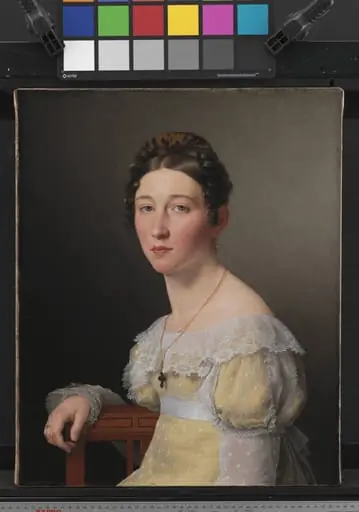 Portrait of Emilie Henriette Massmann, Betrothed of Frederik Wilhelm Caspar von Benzon
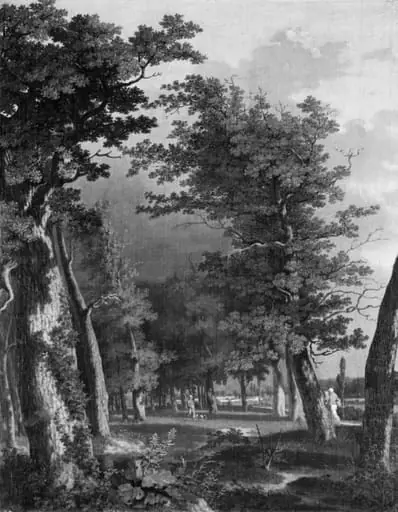 Landscape with Trees near Paris
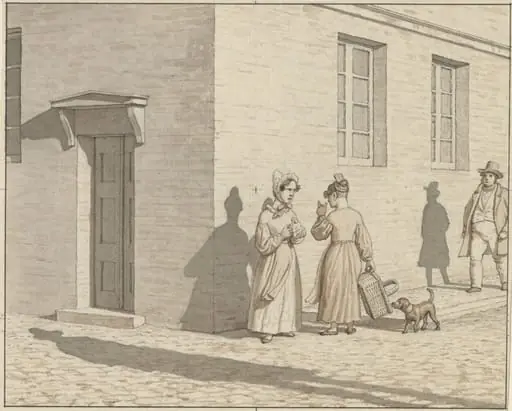 Linear Perspective as Applied in Painting - Plate VII, 1 - A Street Corner Encounter
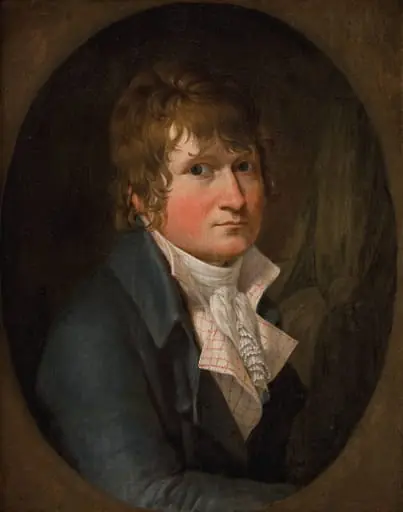 Self-Portrait
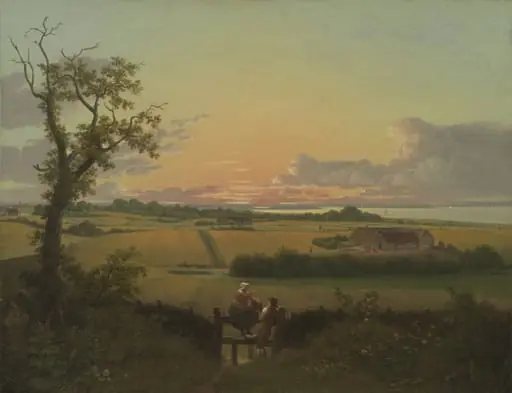 Landscape with a Stile. The Isle of Møn
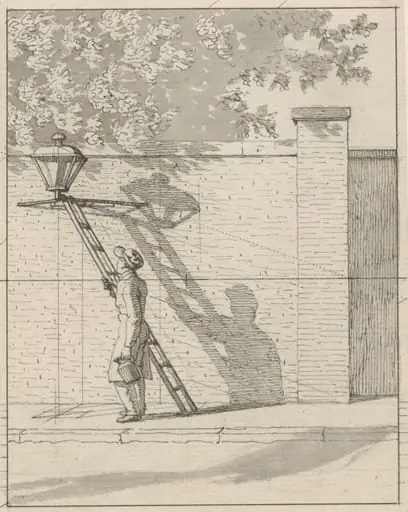 Linear Perspctive as Applied in Painting - Plate VI. The Street Lamp on the Garden Wall, Daylight
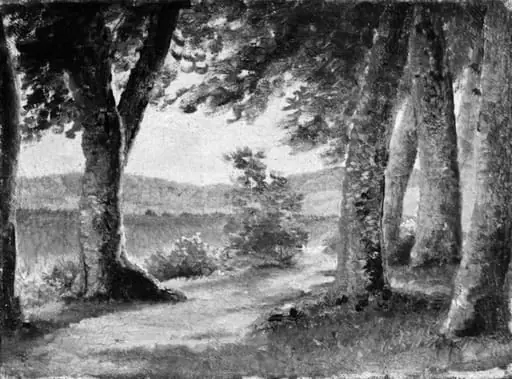 Study of a Wood
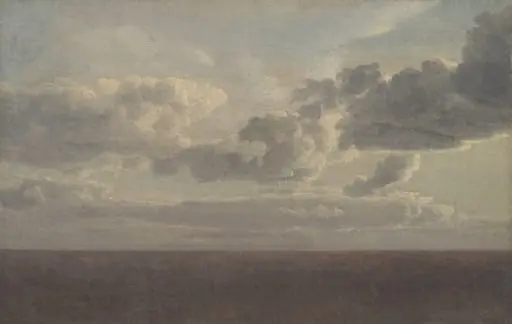 Study of Clouds over the Sea
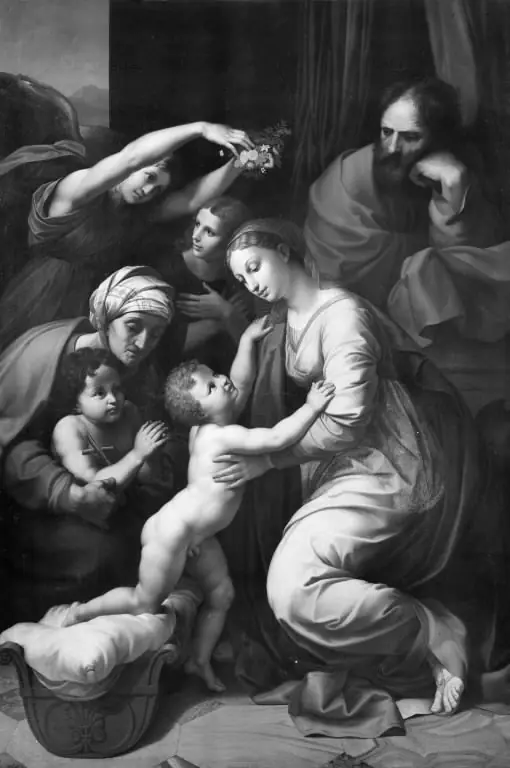 The Holy Family
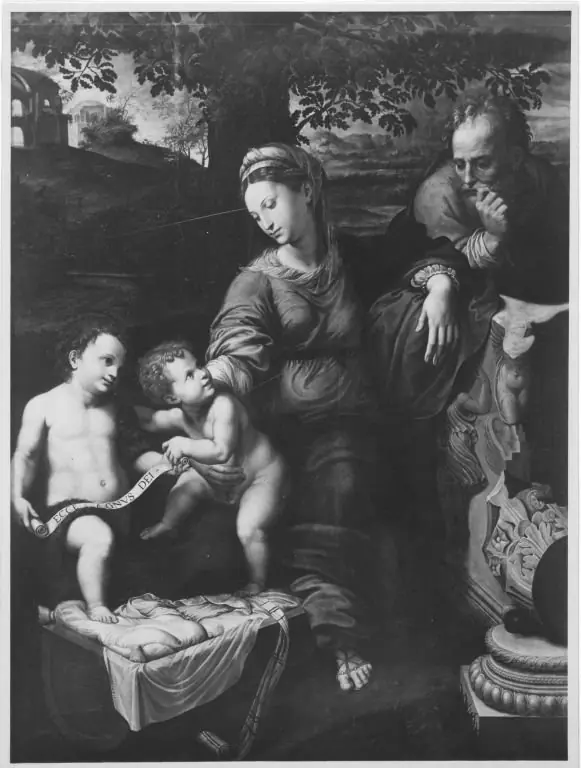 Heilige Familie unter der Eiche (Kopie nach)
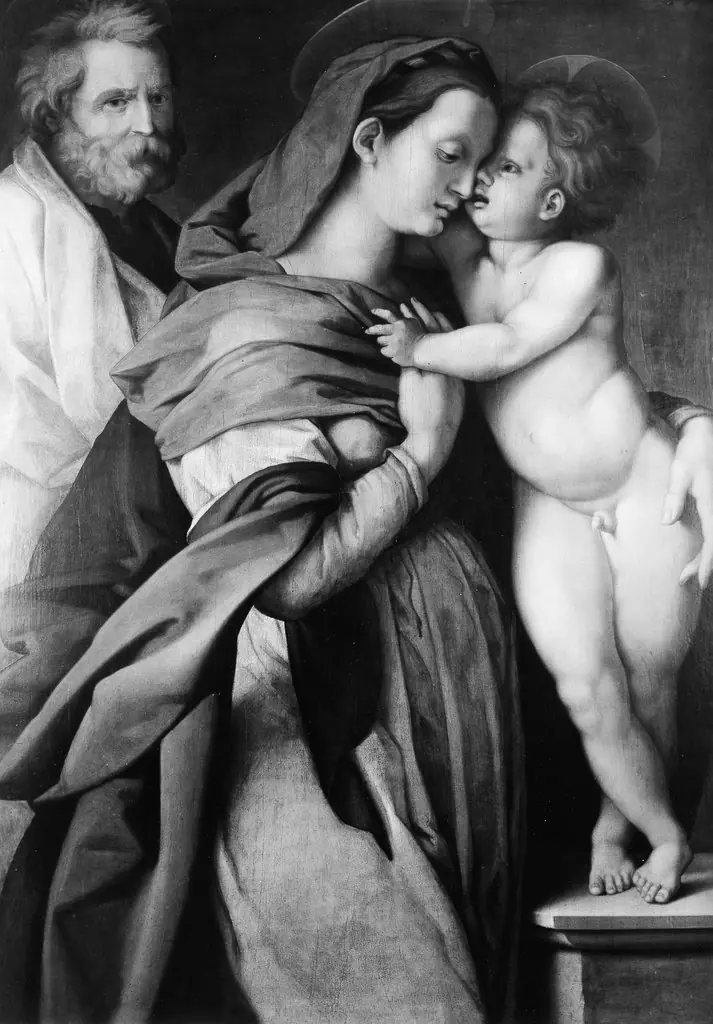 Holy Family
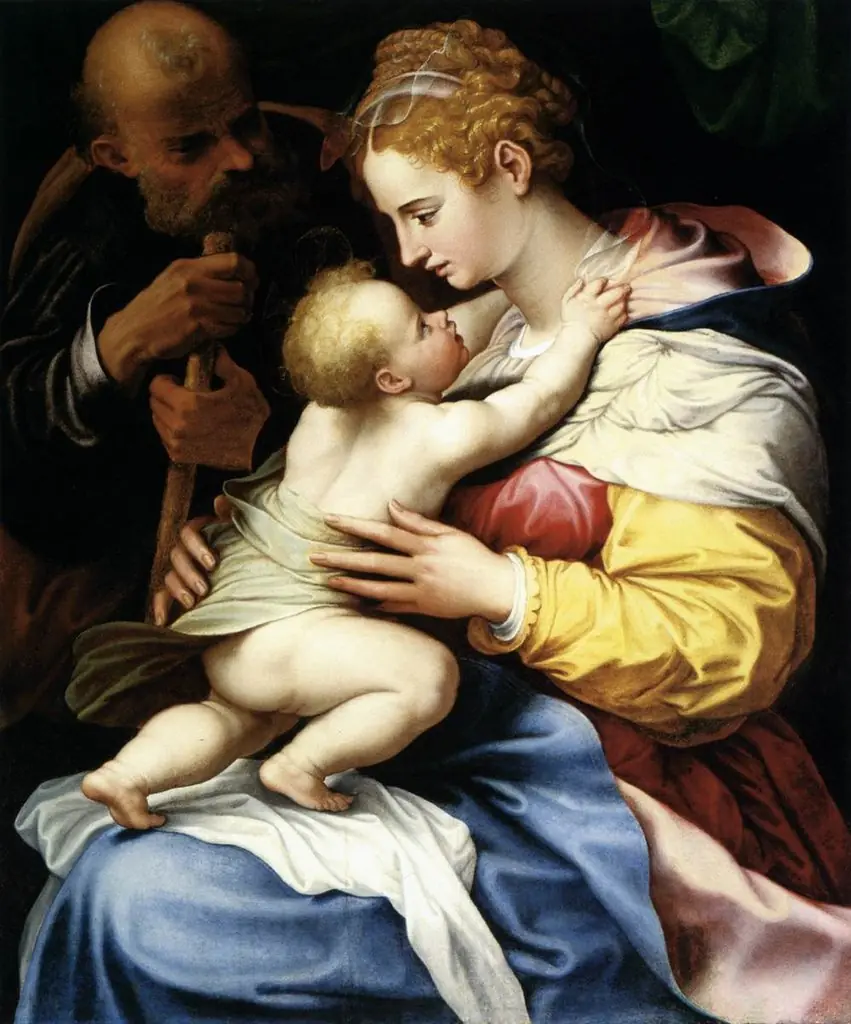 The Holy Family
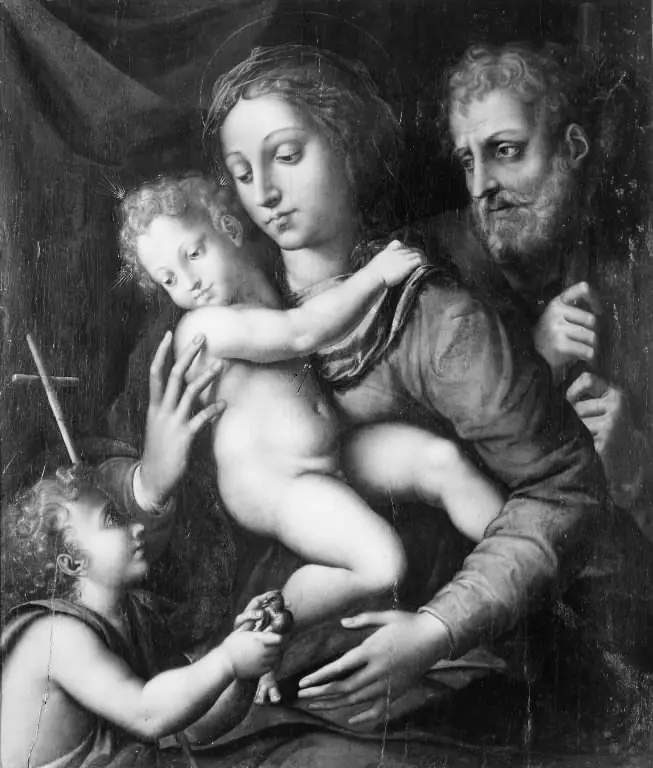 The Holy Family, St John with a small Bird in his Hand
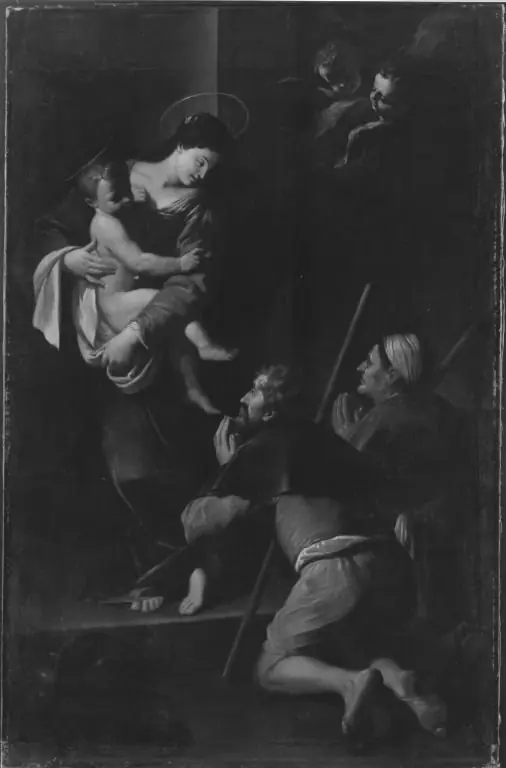 Die Madonna erscheint zwei Pilgern (Kopie nach)
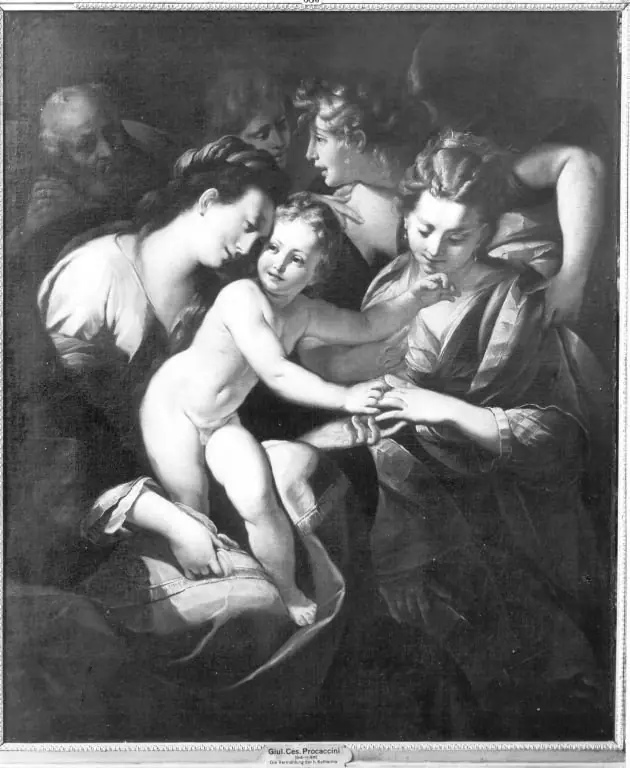 Die Vermählung der hl. Katharina
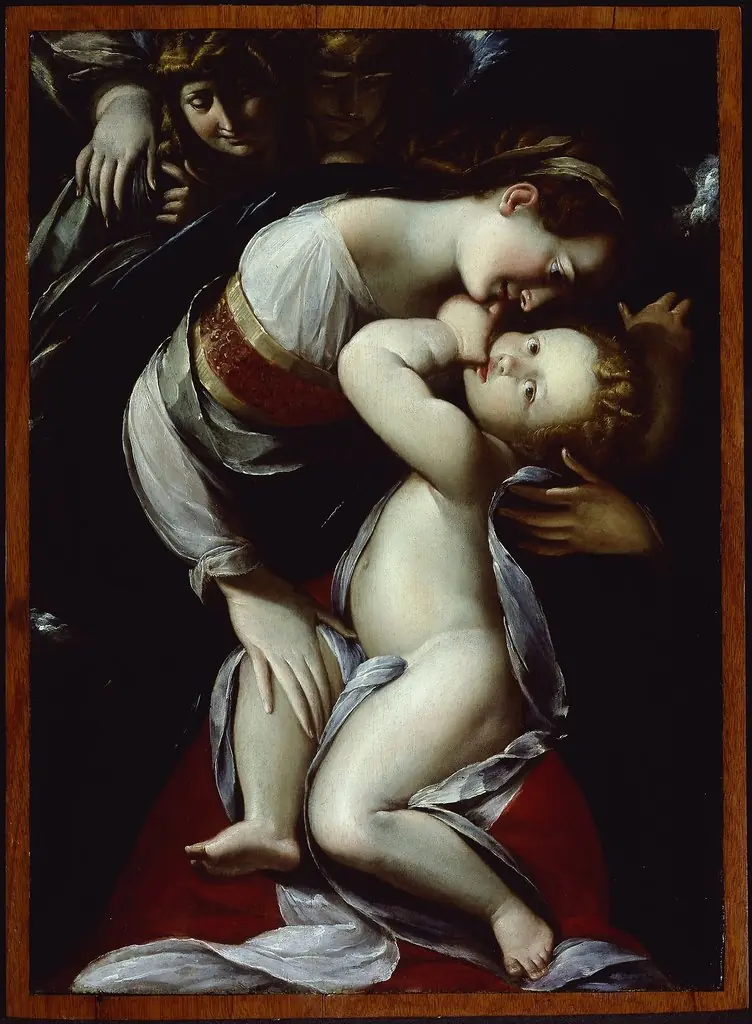 Virgin and Child with Angels
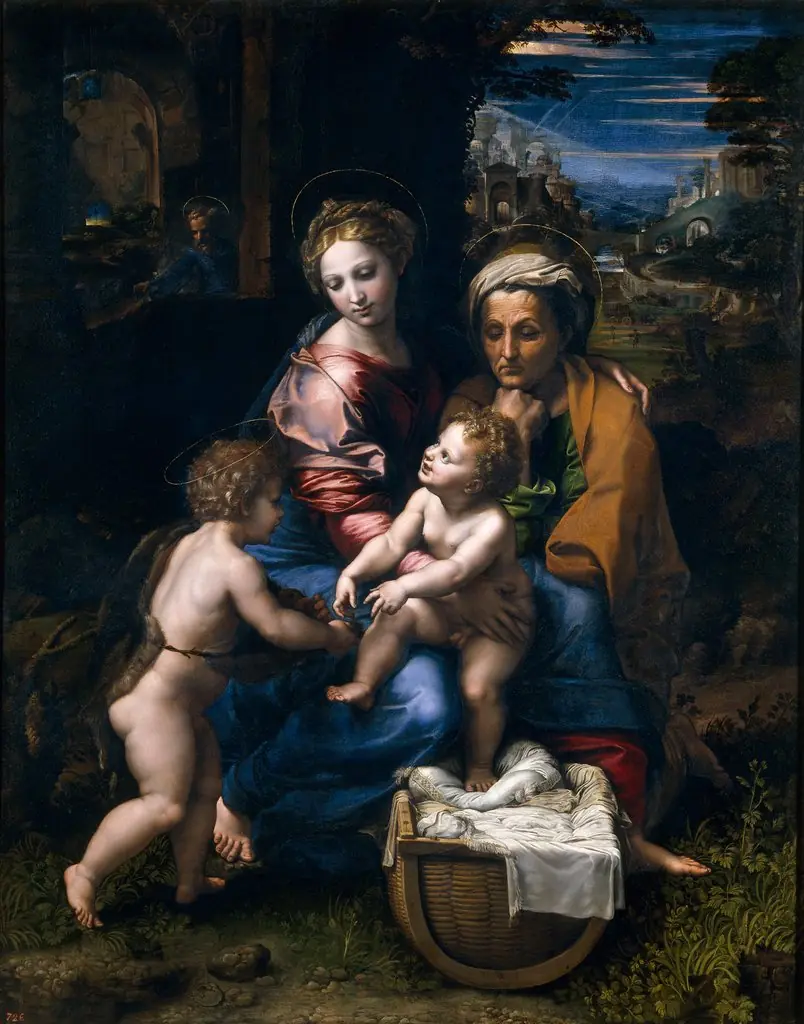 The Holy Family
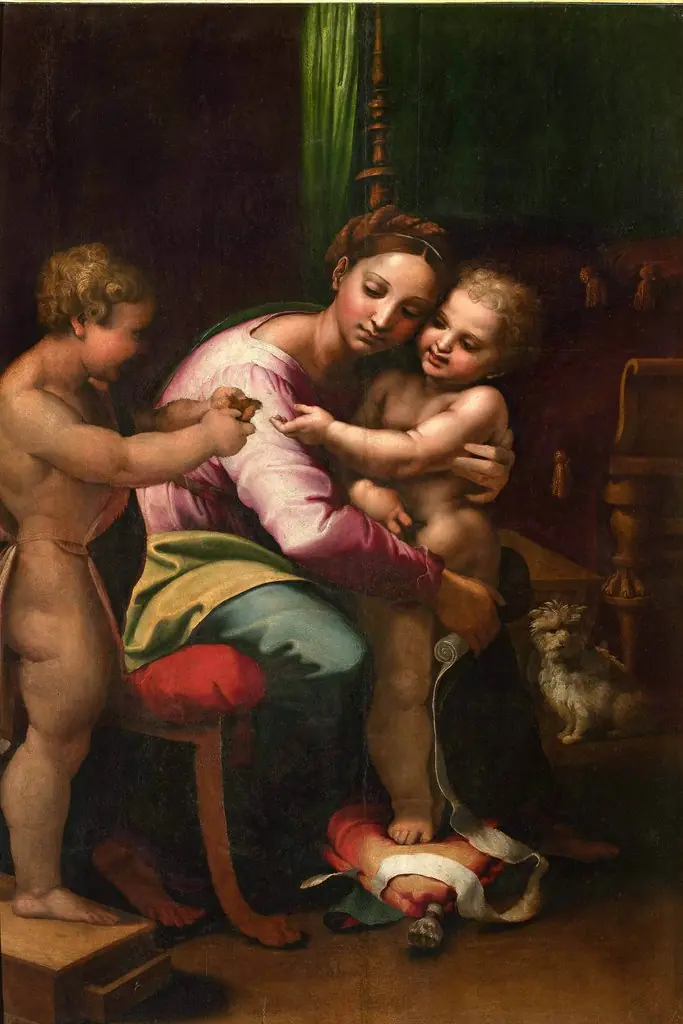 Madonna and Child with The Infant Saint John the Baptist