Artwork
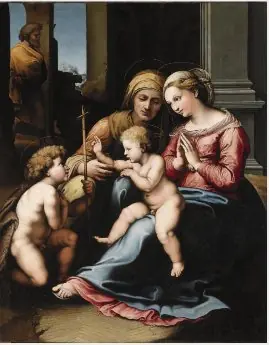
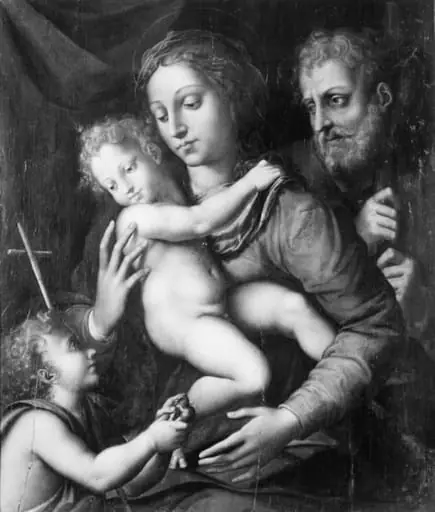
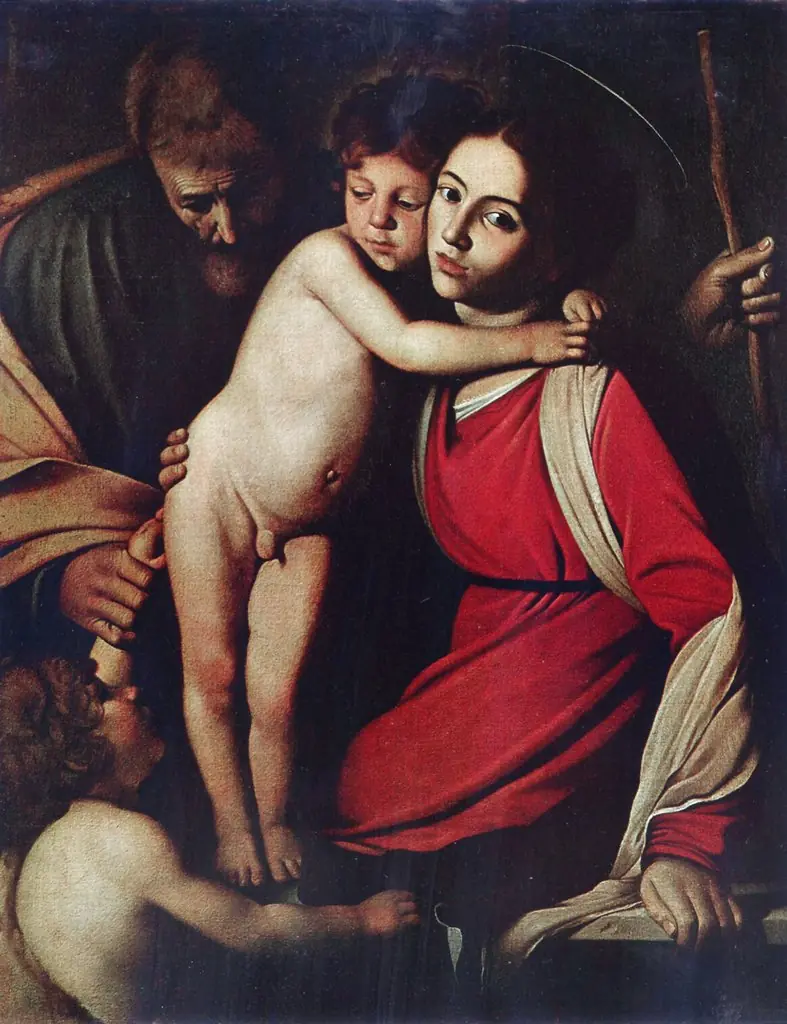
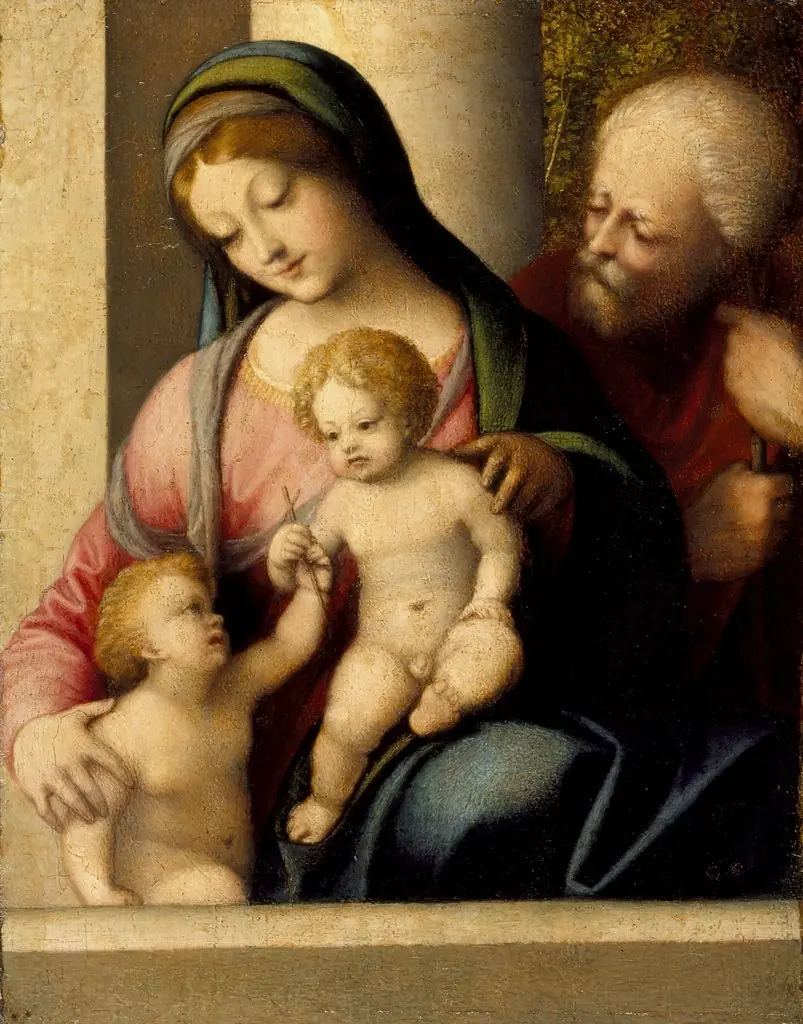
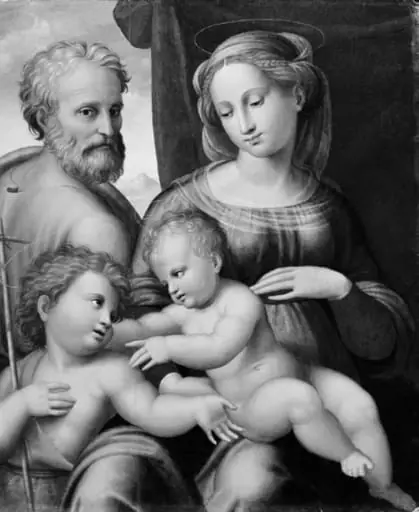
The Holy Family, St John with a small Bird in his Hand
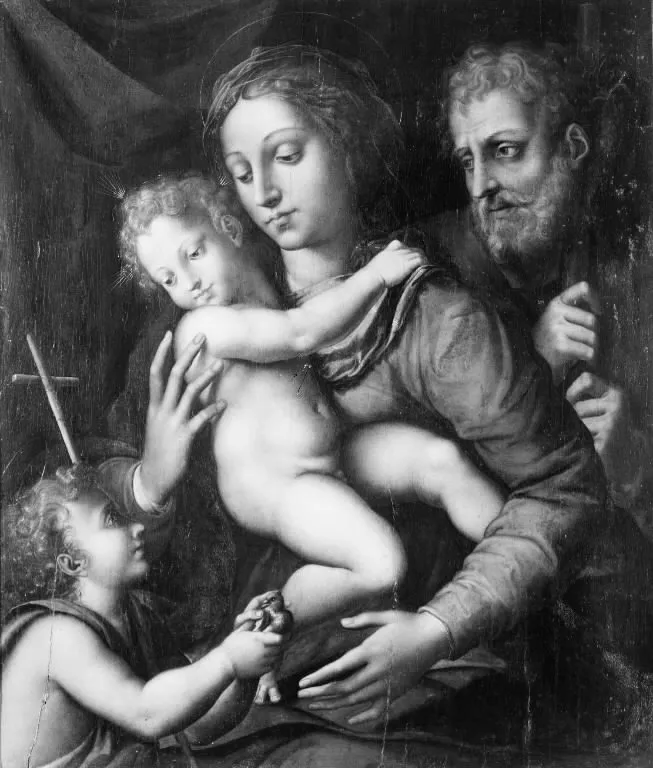
The Holy Family, St John with a small Bird in his Hand is an unspecified painting by the Mannerist artist Giulio Romano. It dates from 1530 and is held in the collection of the Statens Museum for Kunst.
About this work
Overview
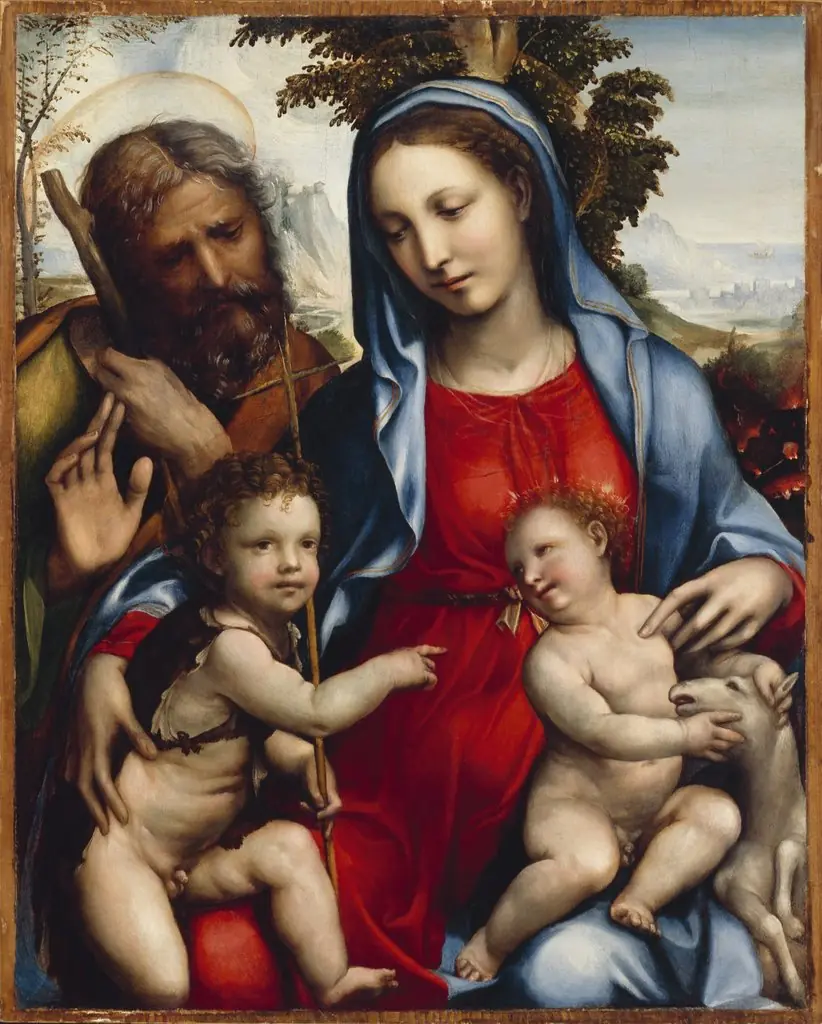
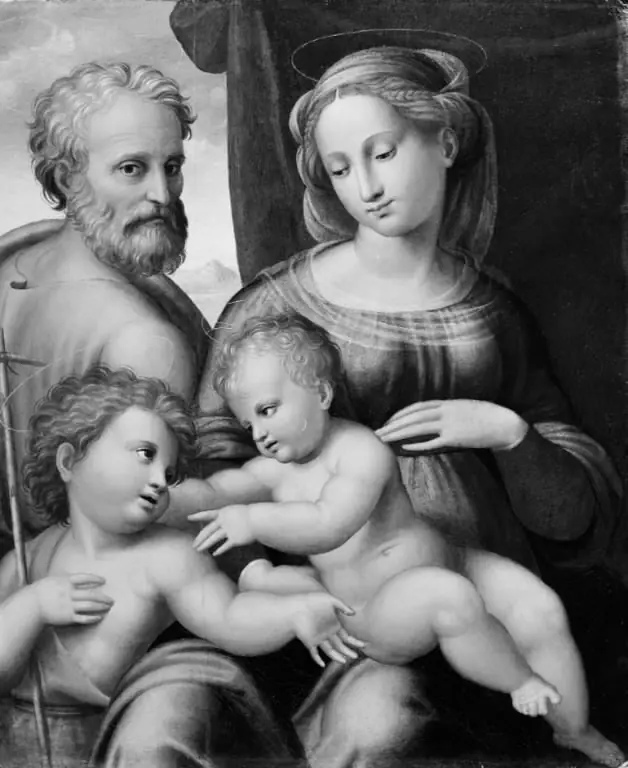
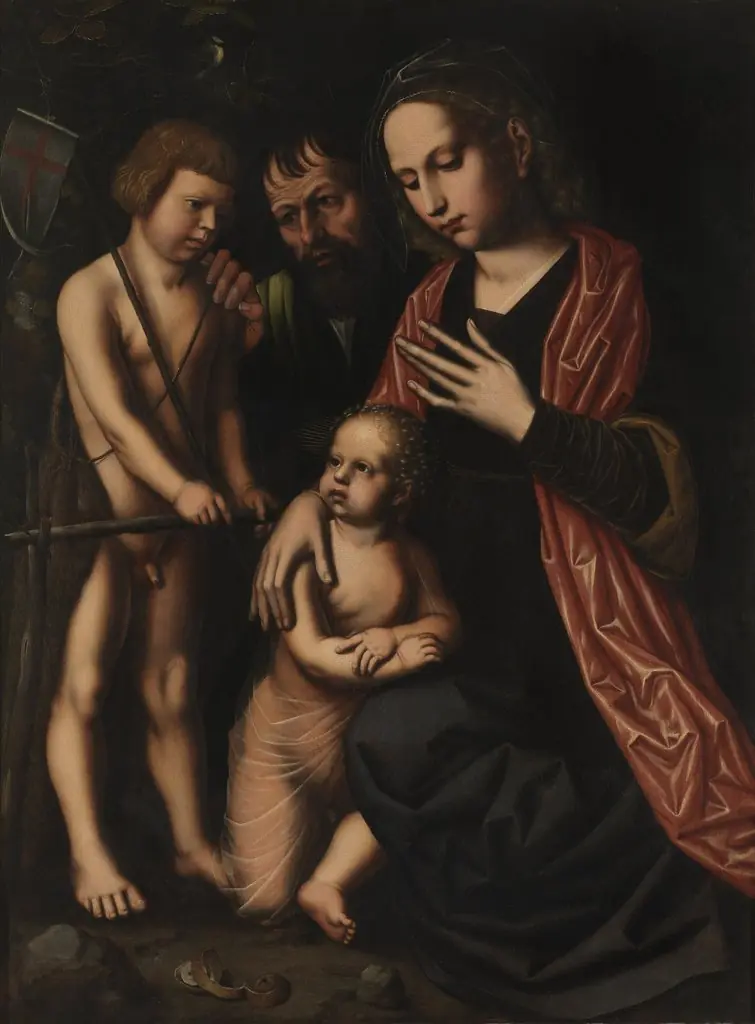
Created around 1530 by Giulio Romano, a former assistant of Raphael, this oil painting presents a compact group of figures in a subdued interior.
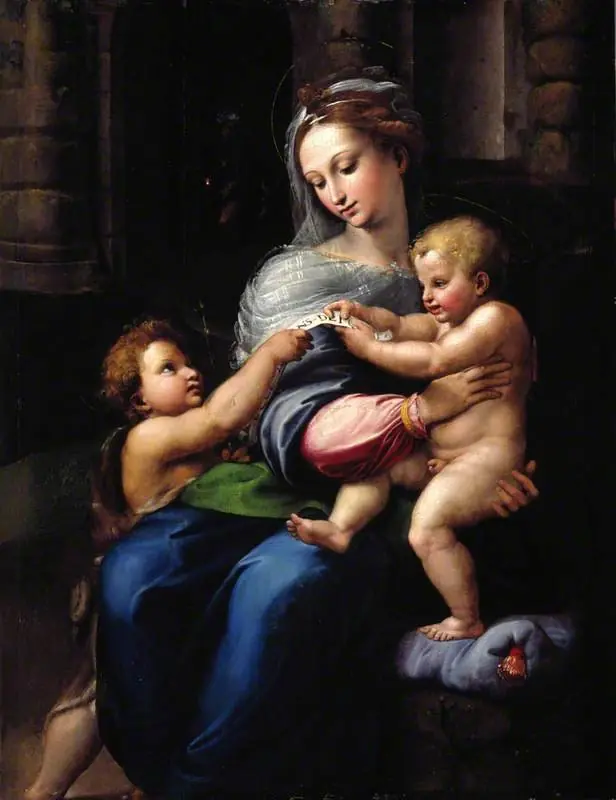
Created around 1530 by Giulio Romano, a former assistant of Raphael, this oil painting presents a compact group of figures in a subdued interior. The Virgin Mary cradles the infant Jesus, while Joseph stands behind them with a solemn expression. To the left, the youthful Saint John the Baptist holds a small bird, which provides the sole bright accent in the otherwise shadowed composition. The work belongs to the collection of the Statens Museum for Kunst.
Subject & Meaning
The scene combines the Holy Family with the infant Saint John, a common devotional motif that emphasizes the familial bond and foreshadows John’s future role as Christ’s forerunner. The bird in John’s hand, often identified as a lark or finch, alludes to the saint’s future prophetic voice and the theme of innocence. The calm demeanor of Mary contrasts with Joseph’s grave gaze, underscoring the dual aspects of tenderness and responsibility within the narrative.
Technique & Style
Romano’s handling reflects the Mannerist departure from the balanced clarity of the High Renaissance. Figures are rendered with elongated proportions and a compressed spatial setting, while chiaroscuro intensifies the dramatic mood. The limited palette of deep earth tones is punctuated by the luminous bird, creating a focal point that draws the viewer’s eye amid the overall darkness of the scene.
History & Provenance
Attributed to Giulio Romano, the painting entered the Statens Museum for Kunst’s holdings in the early twentieth century, though precise acquisition details remain sparse. Its attribution rests on stylistic parallels with other works by Romano, especially his use of dynamic composition and expressive figures, which align with his known output after leaving Raphael’s workshop.
Context
Executed during the early phase of Mannerism, the work illustrates the period’s interest in complex emotional states and artificial elegance. Romano, active in Mantua after Raphael’s death, contributed to the spread of this style beyond central Italy, influencing a generation of artists who embraced heightened drama and refined artificiality over classical harmony.
Artist & collection
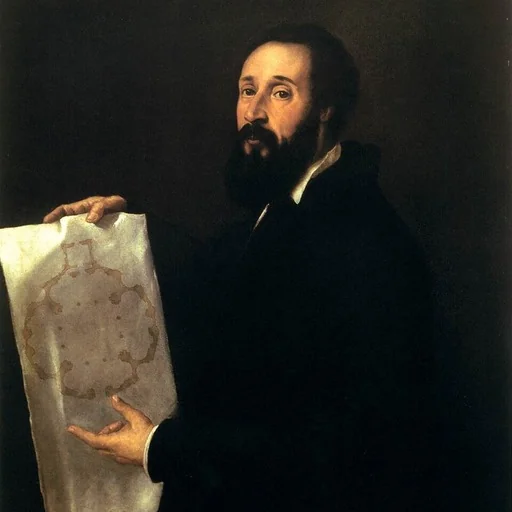
Artist
Giulio Pippi (c. 1499 – 1 November 1546), known as Giulio Romano (US: JOOL-yoh rə-MAH-noh( Italian: ) and sometimes known in French as Jules Romain, was an Italian painter and architect. He was a pupil of Raphael, and…