Artwork
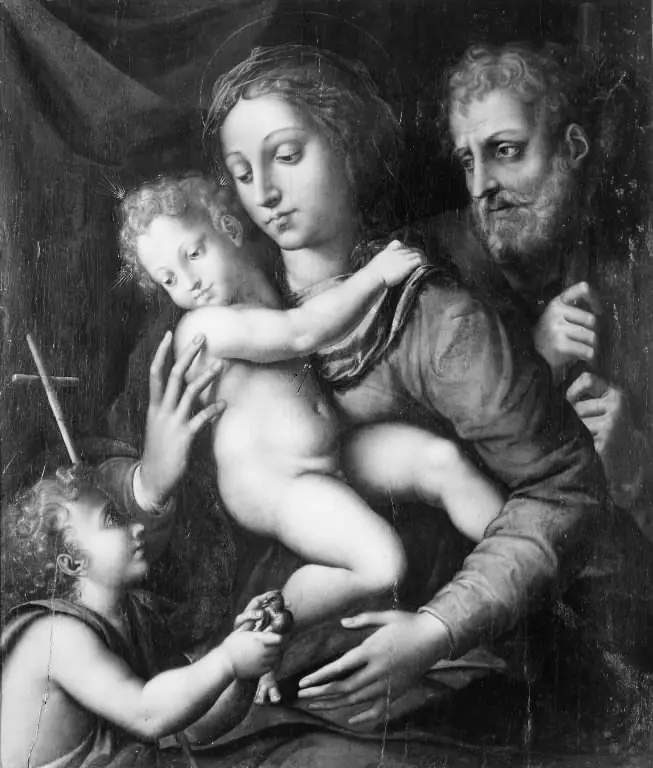
Madonna and Child with The Infant Saint John the Baptist
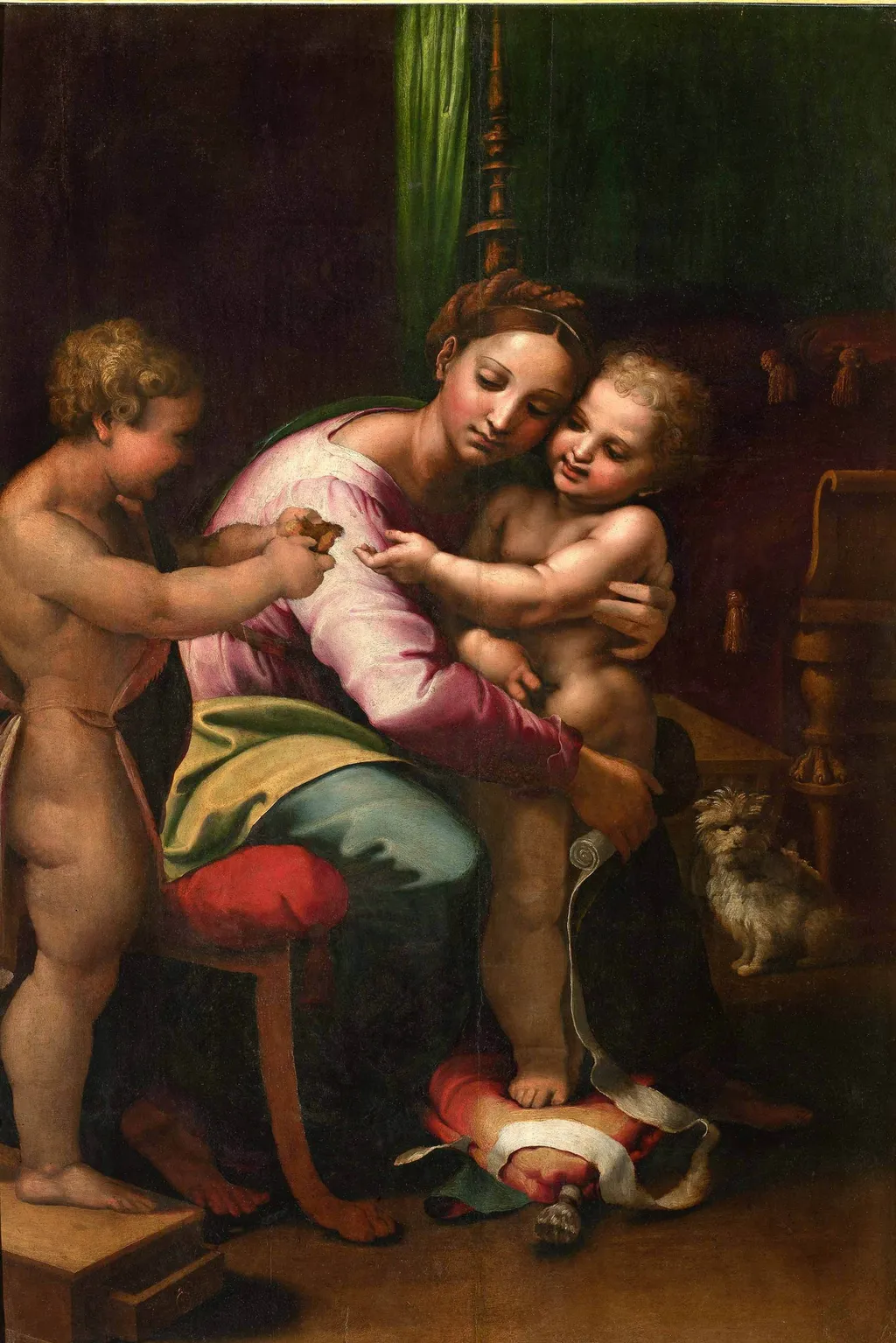
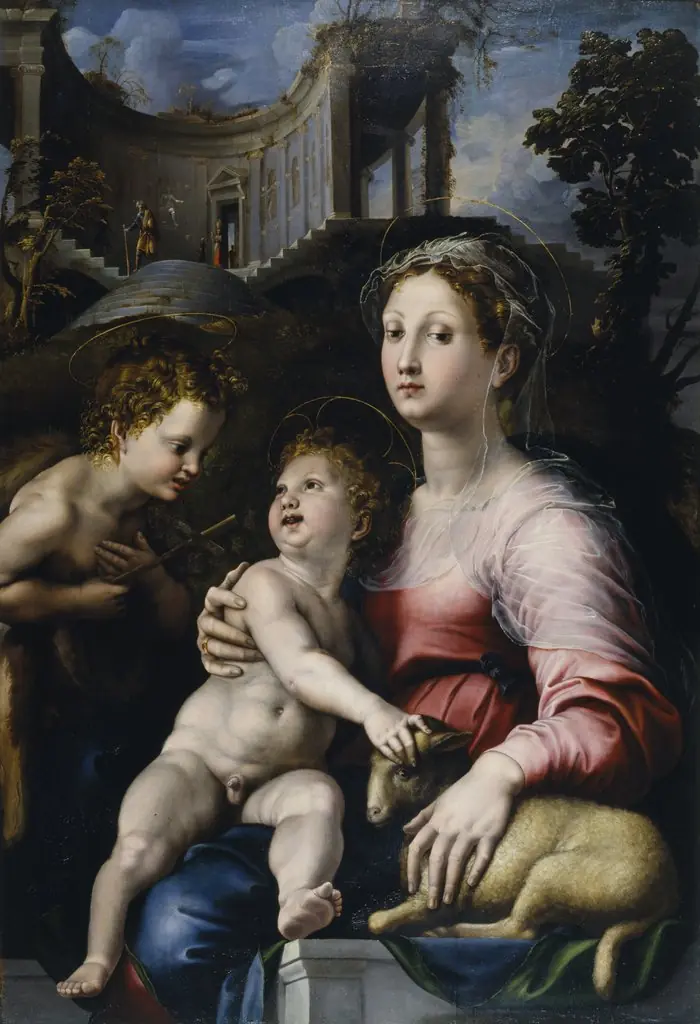
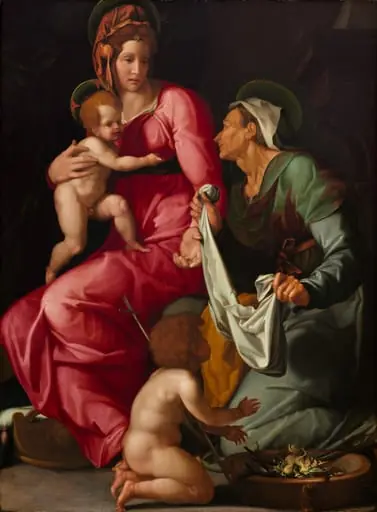
Madonna and Child with The Infant Saint John the Baptist is an oil painting by the High Renaissance artist Giulio Romano. It dates from 1512 and is held in the collection of the Galleria Borghese.
About this work
Overview
Though rooted in the High Renaissance tradition, the composition subtly anticipates Mannerist tendencies through its intimate scale and nuanced emotional tone.
Painted in 1512 by Giulio Romano, this oil-on-panel work presents a devotional scene centered on the Virgin Mary, the Christ Child, and the infant John the Baptist. Though rooted in the High Renaissance tradition, the composition subtly anticipates Mannerist tendencies through its intimate scale and nuanced emotional tone. The painting is part of the Galleria Borghese collection in Rome, where it has remained since the early 17th century.
Subject & Meaning
The scene captures a quiet moment of familial tenderness between the Virgin, Jesus, and the young John the Baptist, who offers a small bird—a symbol of the soul or future sacrifice. The Christ Child’s reaching gesture suggests an early recognition of his destiny. The presence of John, traditionally the forerunner of Christ, reinforces theological themes of prophecy and divine preparation, rendered with understated solemnity.
Technique & Style
Romano employs oil paint to achieve soft transitions of light and shadow, enhancing the tactile quality of skin, fabric, and fur. The figures are arranged in a compact, diagonal grouping that draws the viewer’s eye toward the interaction between the children. The dark background and draped curtain focus attention on the figures, while the warm palette—pinks, greens, and reds—contributes to the scene’s domestic intimacy.
History & Provenance
Commissioned during Romano’s early career, shortly after his time in Raphael’s workshop, the painting entered the Borghese collection in the early 1600s under Cardinal Scipione Borghese. It has remained in the gallery since, with no documented relocation. Its survival in near-original condition reflects its sustained value within Italian private and ecclesiastical collections through the Baroque era.
Context
Created during a transitional phase in Italian art, the work reflects Giulio Romano’s move away from Raphael’s harmonious ideals toward more expressive, psychologically charged compositions. The domestic setting and informal gestures signal a broader trend in early 16th-century religious art: the humanization of sacred figures to foster personal devotion among viewers.
Legacy
Though less celebrated than Romano’s later Mannerist works, this painting illustrates his early command of emotional nuance and spatial compression. It influenced subsequent depictions of sacred families in northern Italian studios, particularly in the use of intimate interiors and subtle symbolic objects to convey theological meaning without overt narrative drama.
Own this work as a print
Artist & collection
Artist
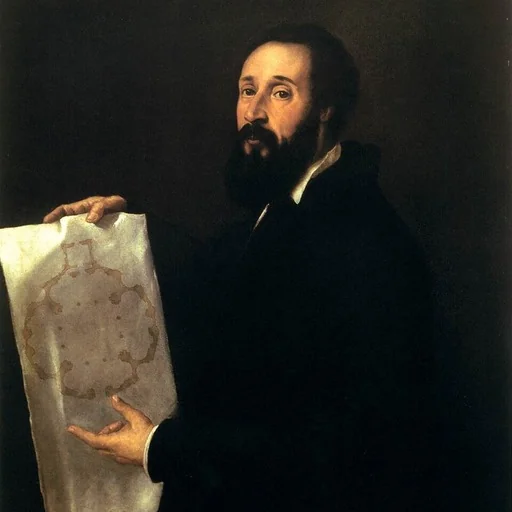
Giulio Pippi (c. 1499 – 1 November 1546), known as Giulio Romano (US: JOOL-yoh rə-MAH-noh( Italian: ) and sometimes known in French as Jules Romain, was an Italian painter and architect. He was a pupil of Raphael, and…

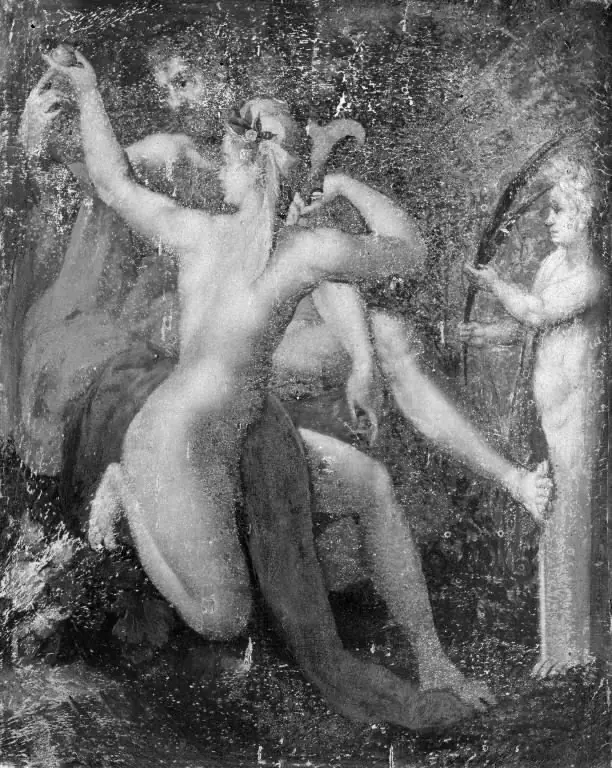
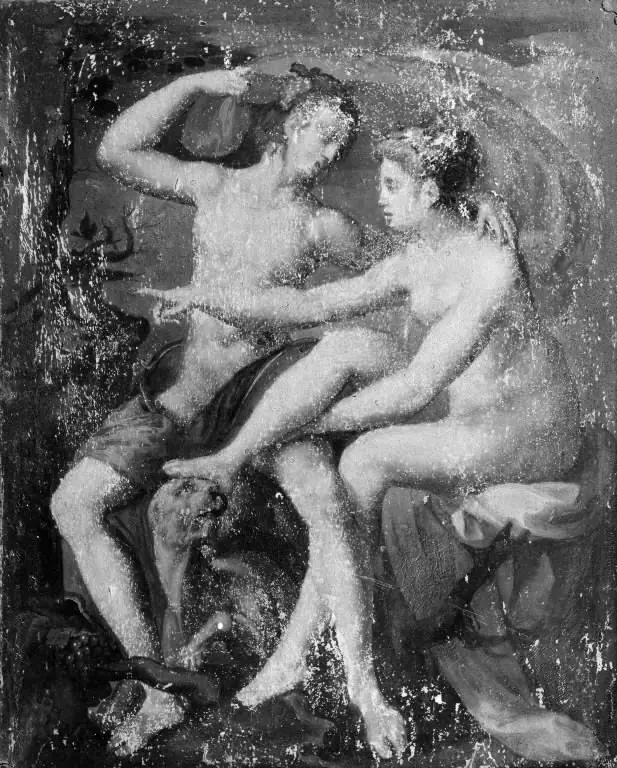
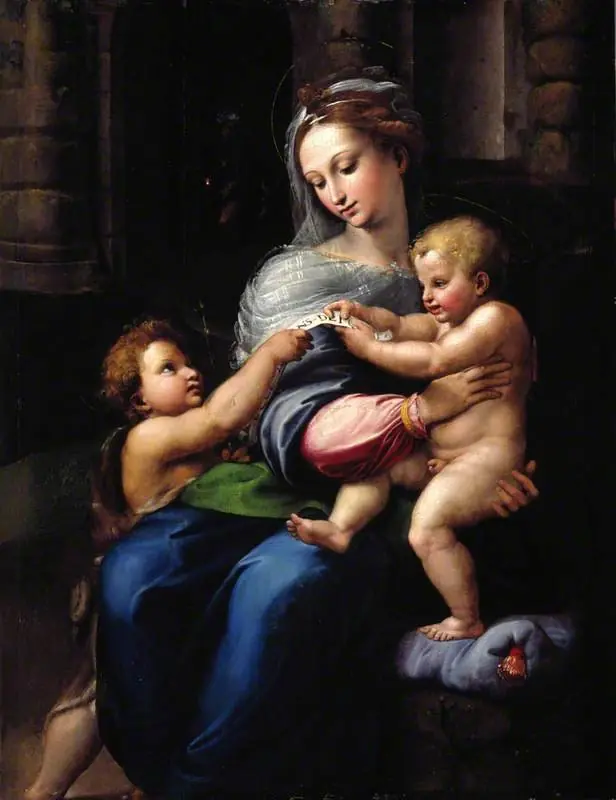
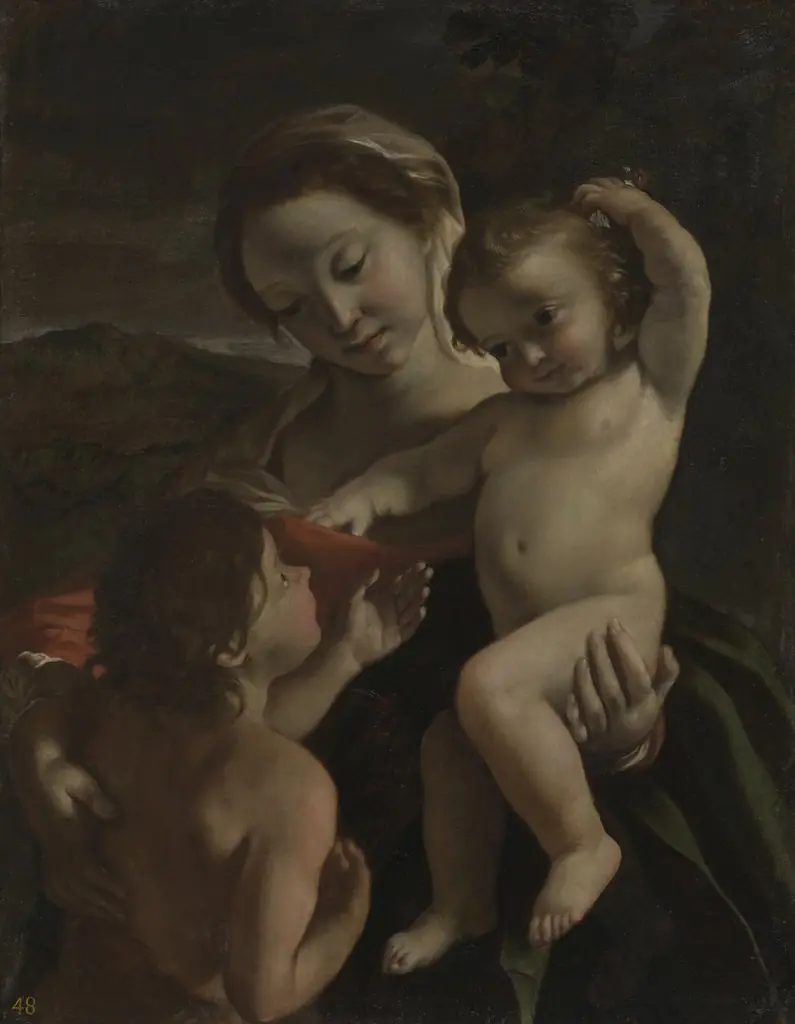 Madonna and Child with the Infant Saint John the Baptist
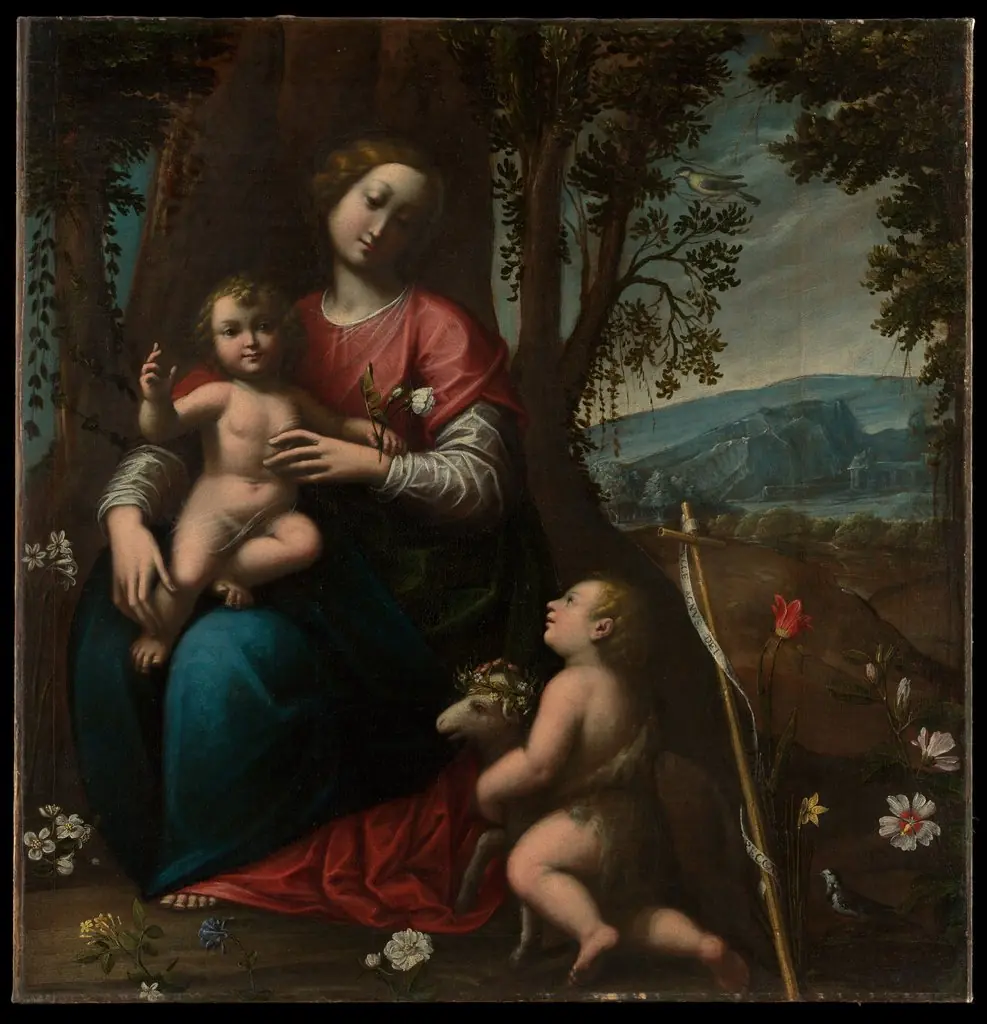 Madonna and Child with the Infant Saint John the Baptist
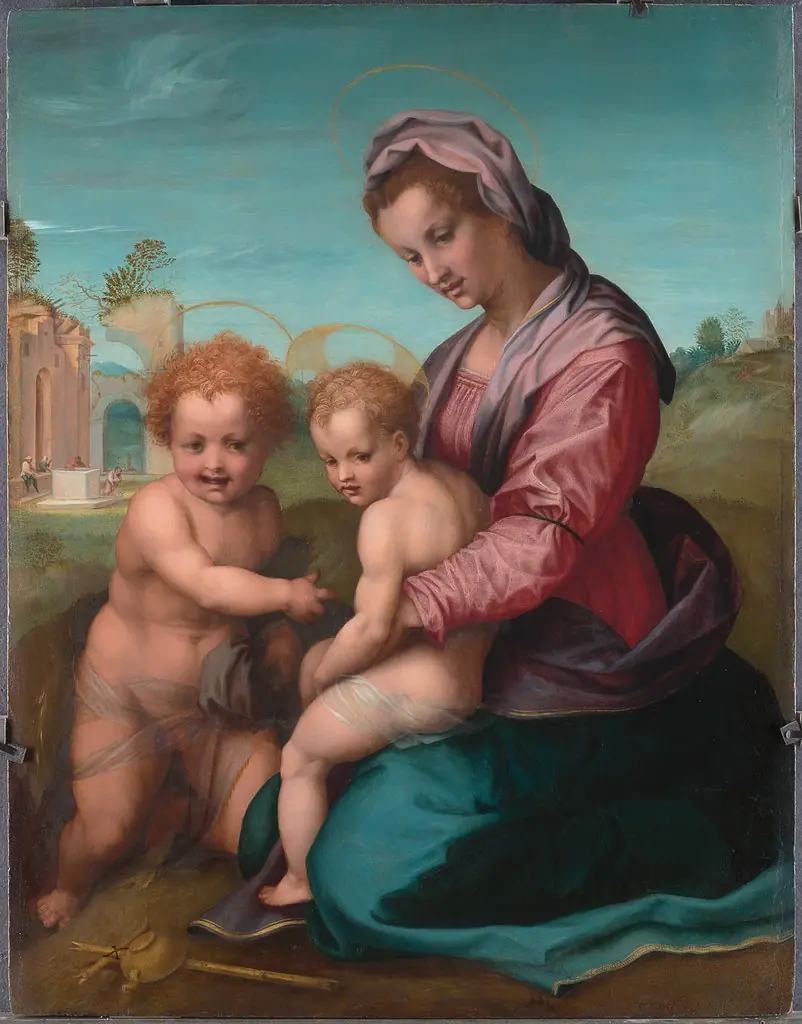 Madonna and Child with John the Baptist
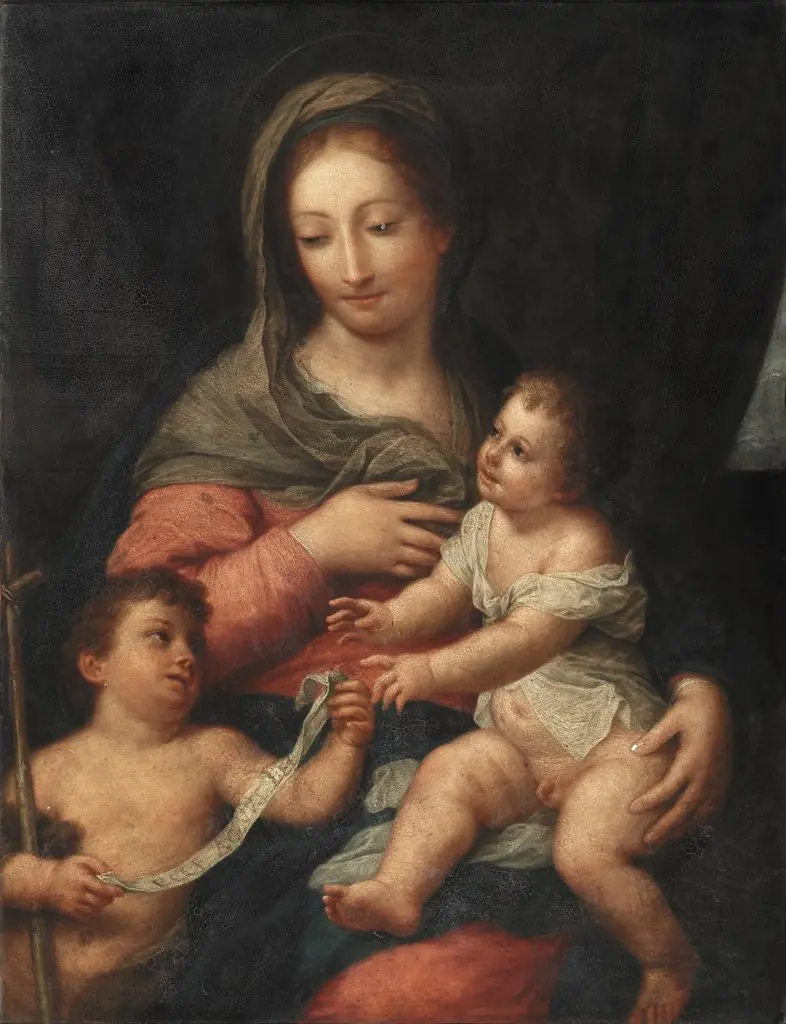 Madonna and Child with the Young Saint John the Baptist
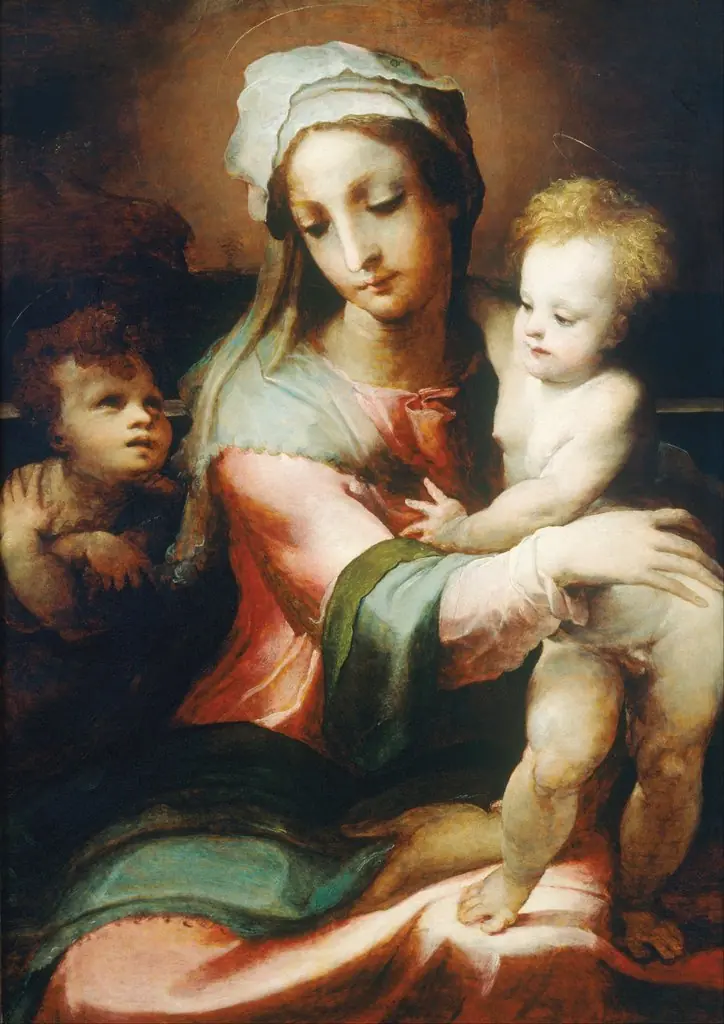 Madonna and child with infant John the Baptist
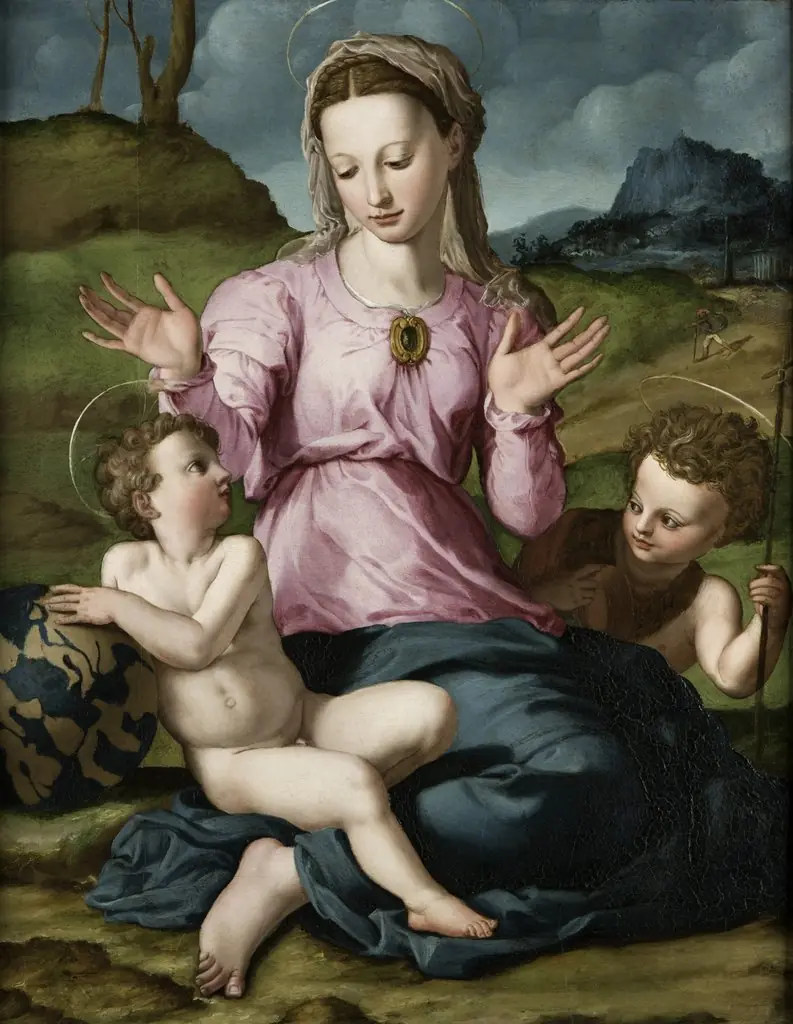 Madonna and Child with Saint John the Baptist
 Madonna and Child with Saint Elizabeth and Saint John the Baptist