Artwork
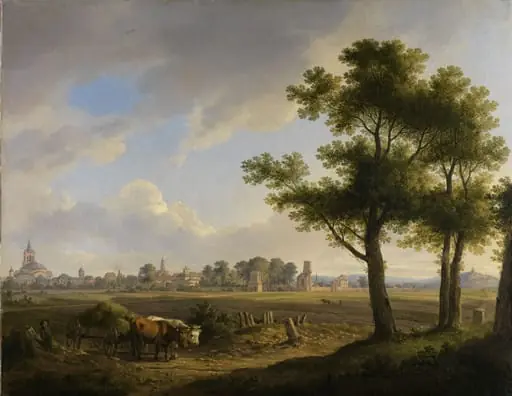
View Towards Lyngby
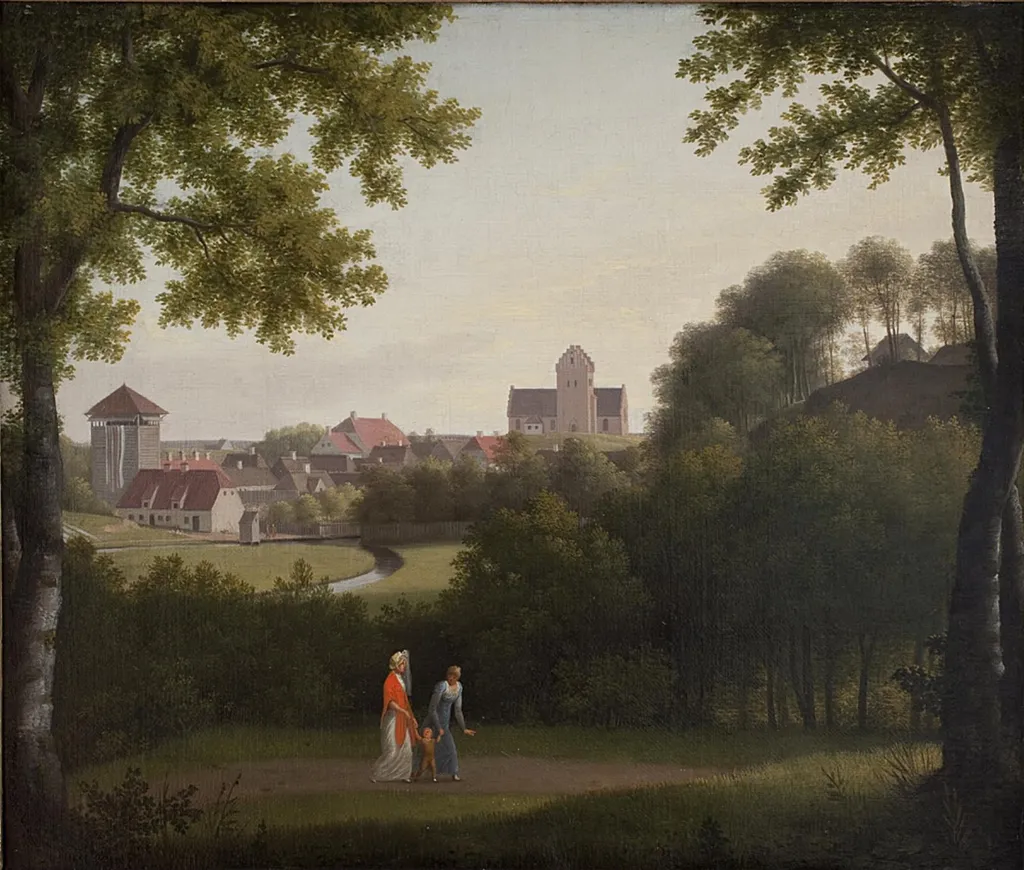
View Towards Lyngby is a photography by Unknown artist. It is held in the collection of the Statens Museum for Kunst.
About this work
Overview
Created around 1850, *View Towards Lyngby* is a landscape painting attributed to Xun Xu, a multifaceted figure from a prominent Chinese scholarly family.
Created around 1850, *View Towards Lyngby* is a landscape painting attributed to Xun Xu, a multifaceted figure from a prominent Chinese scholarly family. Though known for his roles in governance and music during the Jin dynasty, this work reflects his engagement with visual art. The piece is currently held in the Museum of Ethnography, where it is presented as an example of 19th-century Chinese landscape sensibility, blending observation with quiet poetic tone.
Subject & Meaning
The painting depicts a tranquil forest path leading toward a distant settlement by a river. Two adults and a child walk together, their simple attire suggesting everyday life rather than ceremony. The town, marked by red roofs and a tall church, appears distant and serene, not dominant. The scene evokes contemplation, emphasizing harmony between human presence and the natural world, without overt symbolism or narrative.
Technique & Style
Xun Xu employs subtle gradations of light and shadow to suggest depth and volume in the dense foliage, creating a tactile sense of the trees. The background town is rendered with soft edges and muted tones, receding gently into the atmosphere. Colors remain restrained—earthy greens, cool blues, and warm reds—contributing to a calm, atmospheric mood. The composition frames the view like a natural window, guiding the eye toward the horizon.
History & Provenance
The painting’s documented history begins with its acquisition by the Museum of Ethnography, though earlier ownership records are not publicly detailed. Xun Xu’s background as a court official and cultural figure of the Jin dynasty situates the work within a tradition of literati painting, yet its subject and style diverge from classical Chinese models, suggesting possible exposure to foreign visual traditions or personal experimentation.
Context
In mid-19th century China, artists increasingly encountered new visual influences through trade and limited foreign contact. While rooted in literati traditions, *View Towards Lyngby*’s focus on a European landscape—Lyngby in Denmark—raises questions about the artist’s sources. Whether based on prints, traveler accounts, or memory, the scene reflects a rare cross-cultural engagement in Chinese painting of the period.
Legacy
The painting remains an unusual example of a Chinese artist depicting a foreign locale with observational care rather than idealized convention. It contributes to broader discussions about artistic exchange in the 19th century, though it did not directly influence major movements. Its preservation in an ethnographic collection underscores its role as a cultural artifact rather than a canonical work within Chinese art history.
Artist & collection
Artist
Xun Xu (c. 221 – 289), courtesy name Gongzeng, was a Chinese musician, painter, politician, and writer who lived during the late Three Kingdoms period and early Jin dynasty of China. Born in the influential Xun family,…

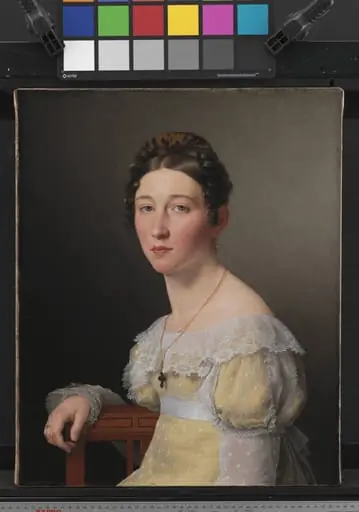 Portrait of Emilie Henriette Massmann, Betrothed of Frederik Wilhelm Caspar von Benzon
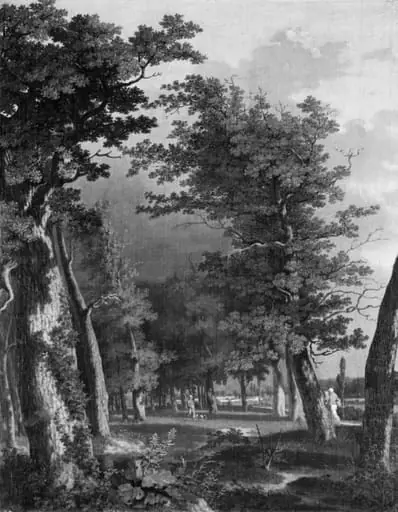 Landscape with Trees near Paris
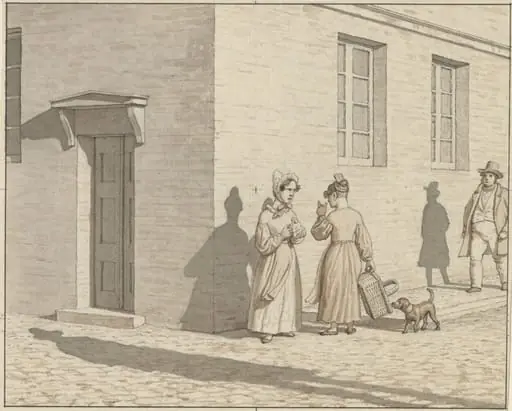 Linear Perspective as Applied in Painting - Plate VII, 1 - A Street Corner Encounter
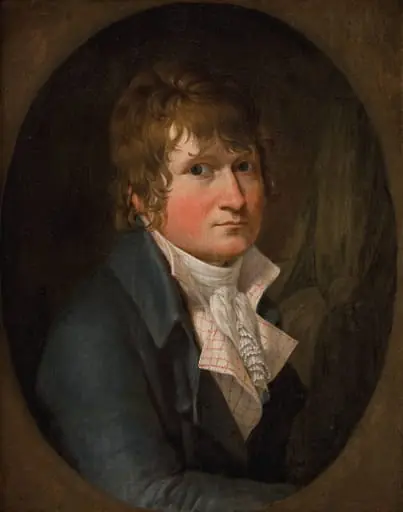 Self-Portrait
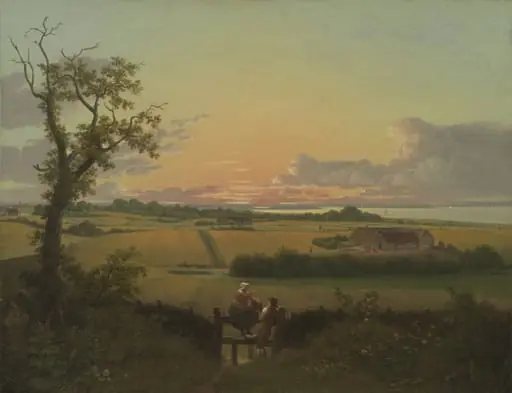 Landscape with a Stile. The Isle of Møn
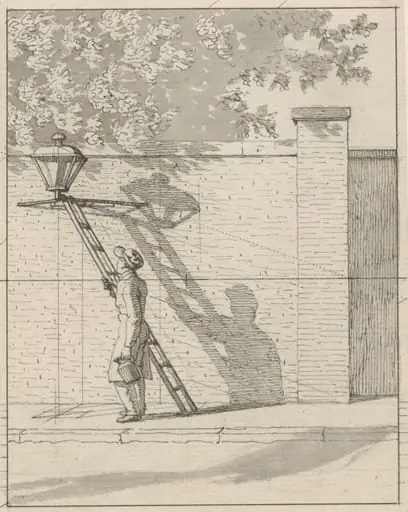 Linear Perspctive as Applied in Painting - Plate VI. The Street Lamp on the Garden Wall, Daylight
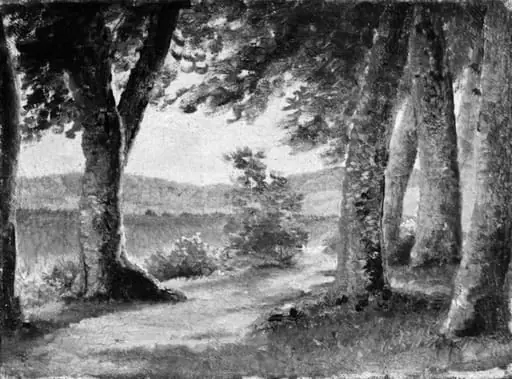 Study of a Wood
 Study of Clouds over the Sea
 Evening Landscape near Gentofte, North of Copenhagen
 The Bridge and the Waterfall at Dornach, Switzerland
 View of Pirna, from Sonnestein Castle
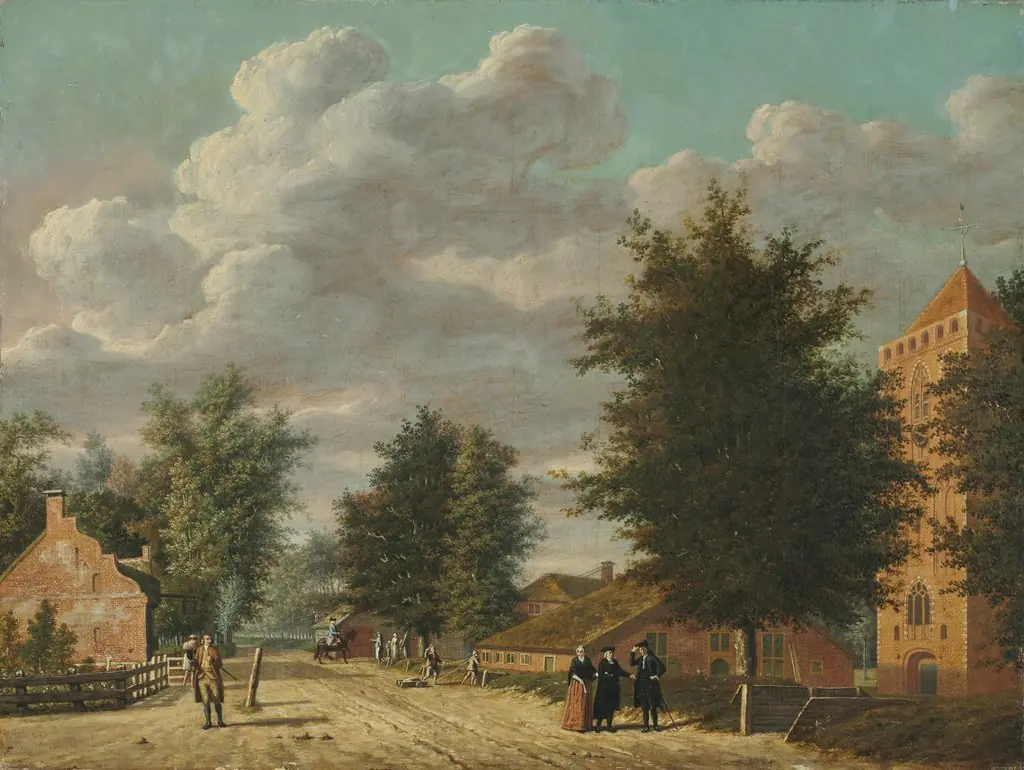 View of the Village of Eemnes
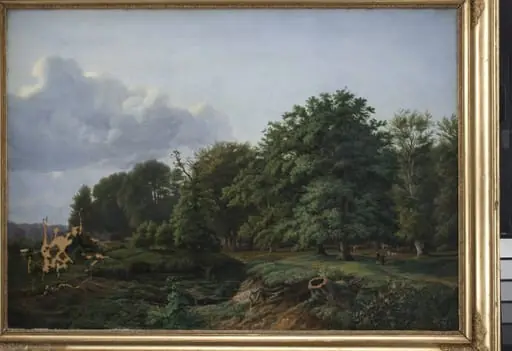 A Forrest near Hellebæk in the North of Zealand. Afternoon.
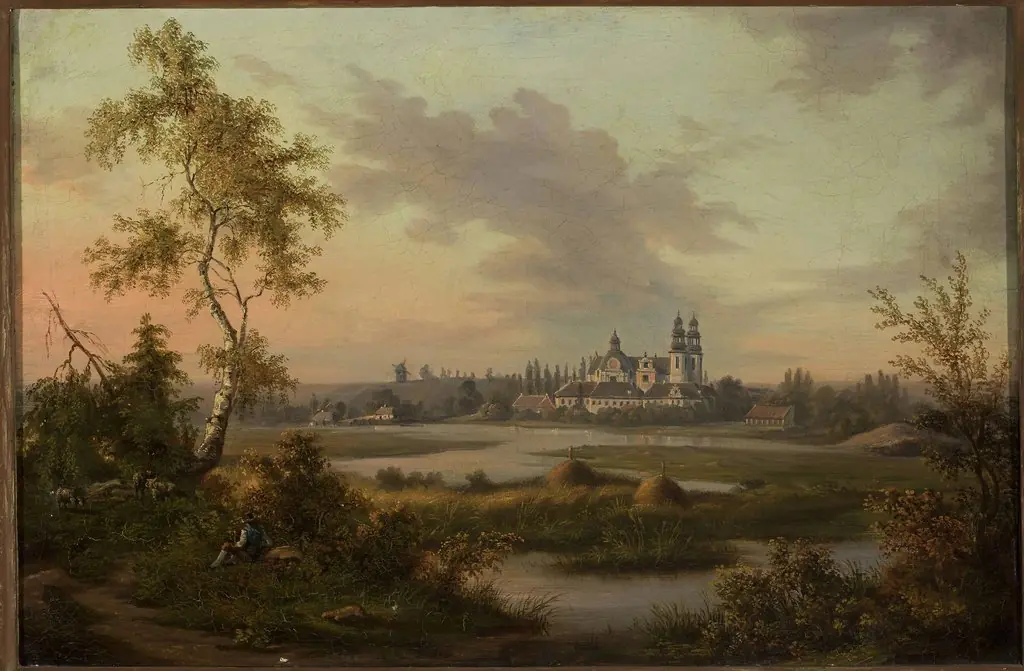 Church and monastery in Ląd
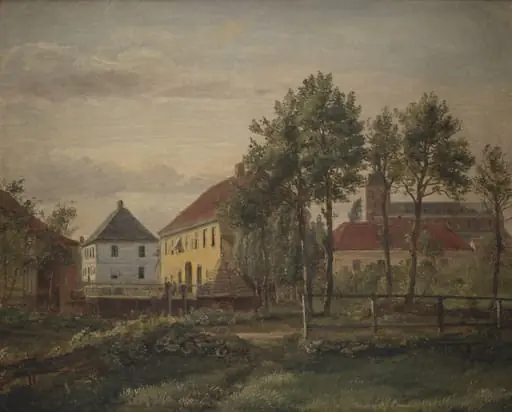 A Mill in Odense
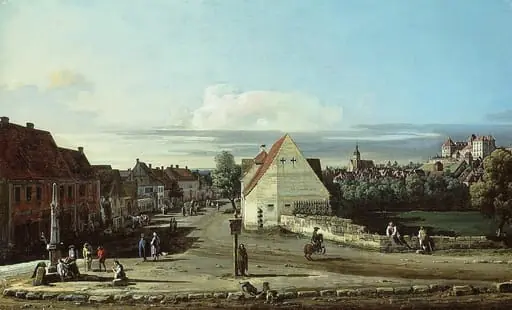 View of Pirna with the Fortress of Sonnenstein
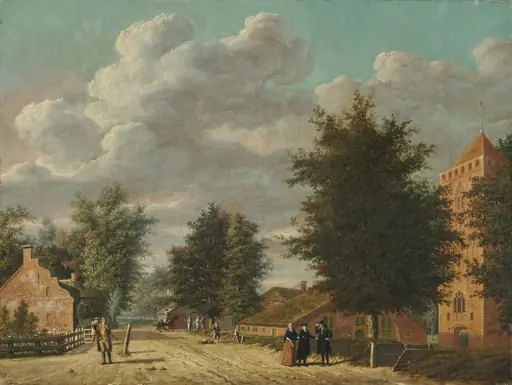 View of the Village of Eemnes
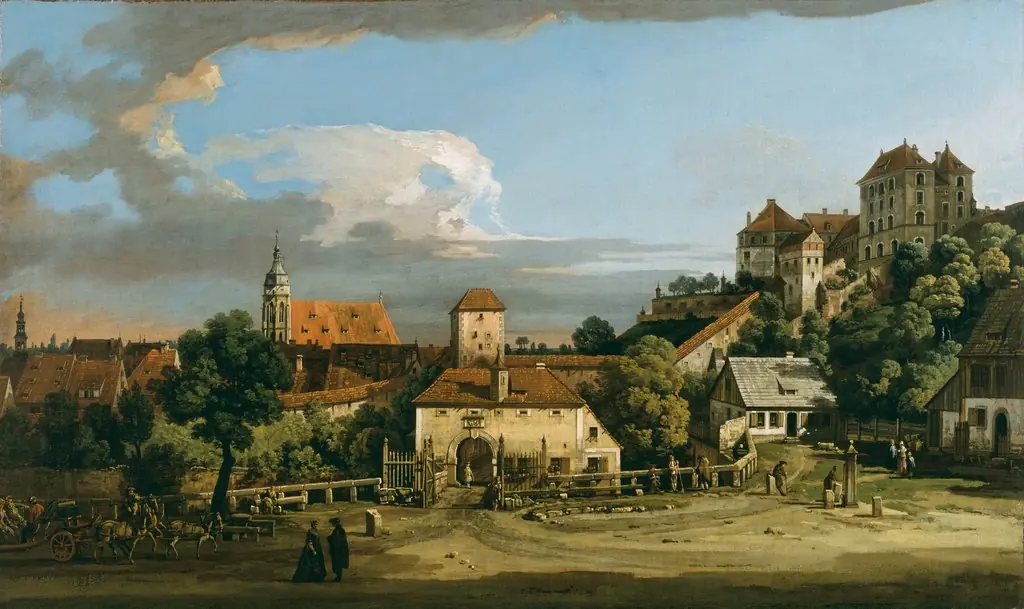 Pirna: The Obertor from the South
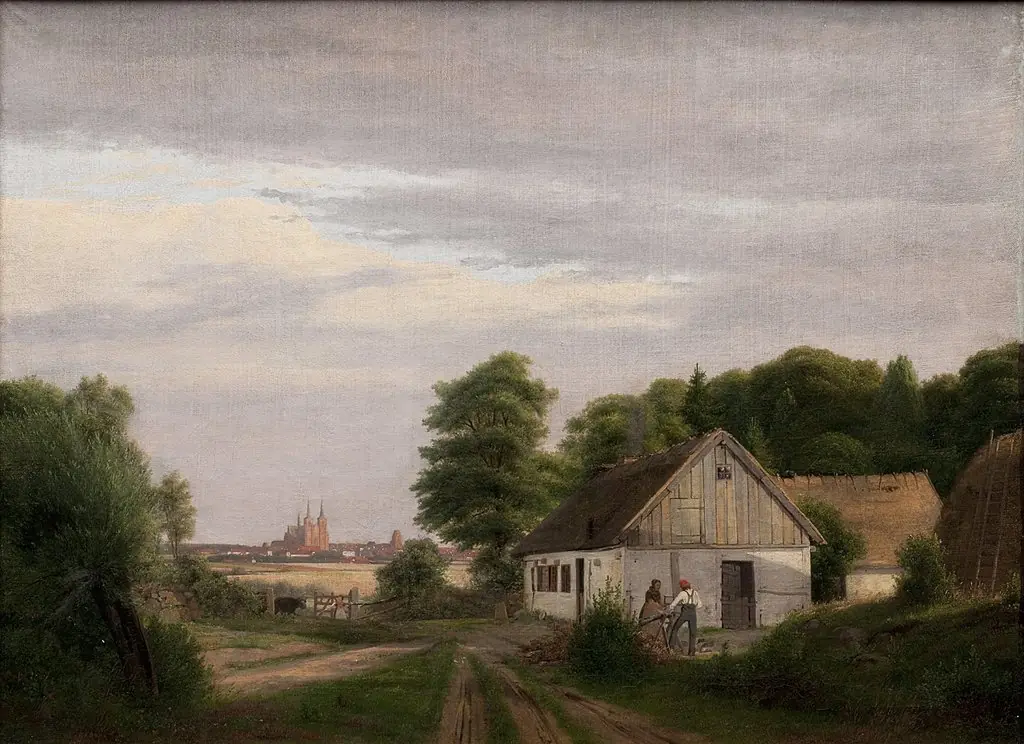 Udsigt mod Roskilde fra et husmandssted
 "Blick auf Karlsruhe von Süden aus"