Artwork
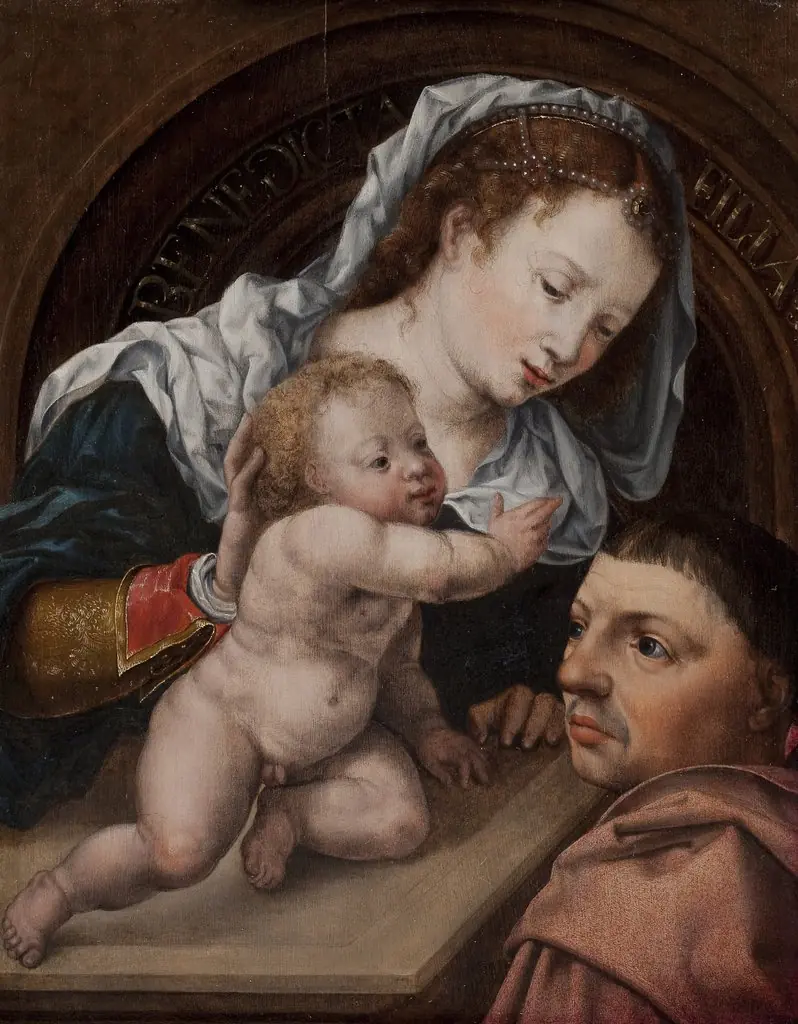
Virgin and Child with a Patron
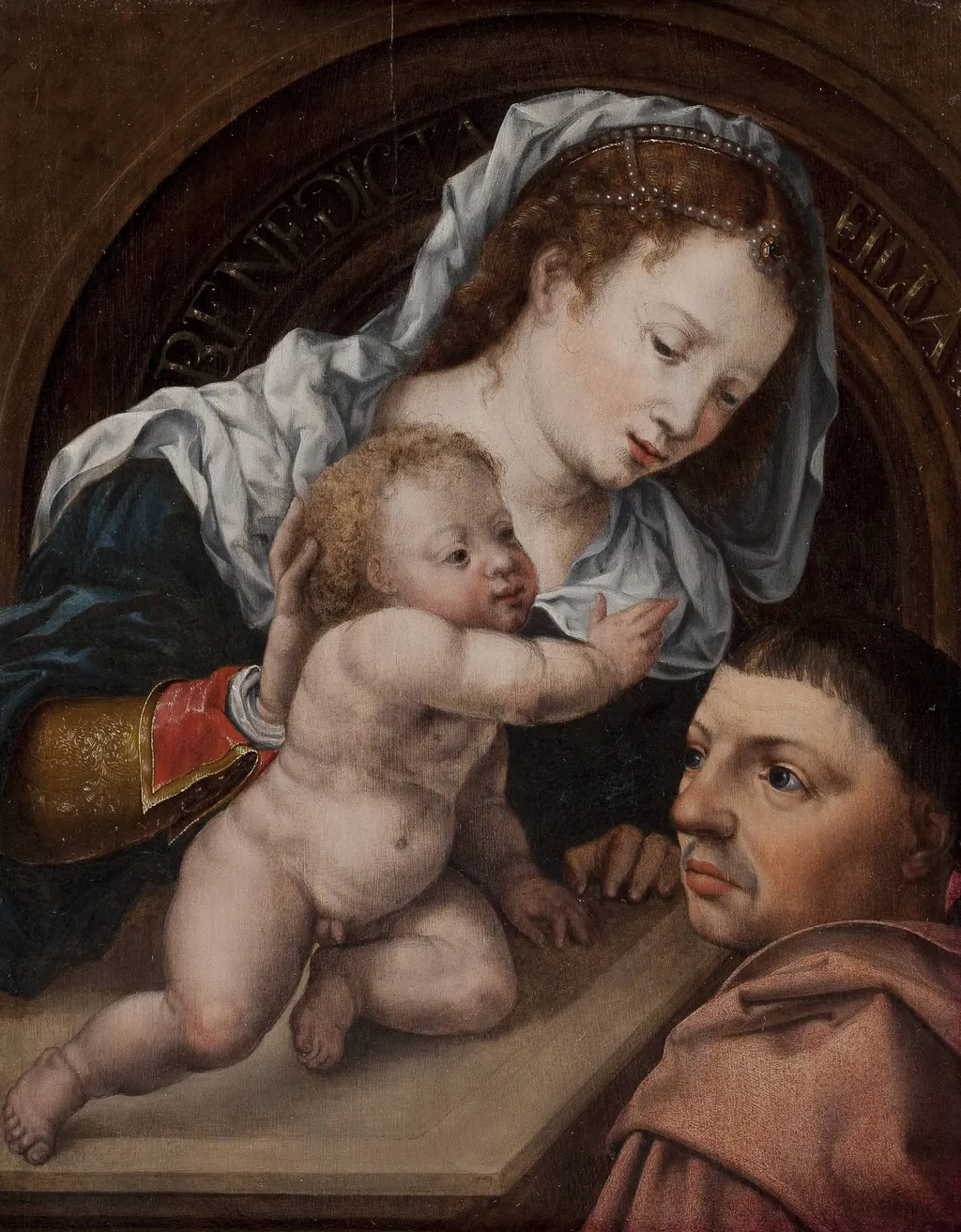
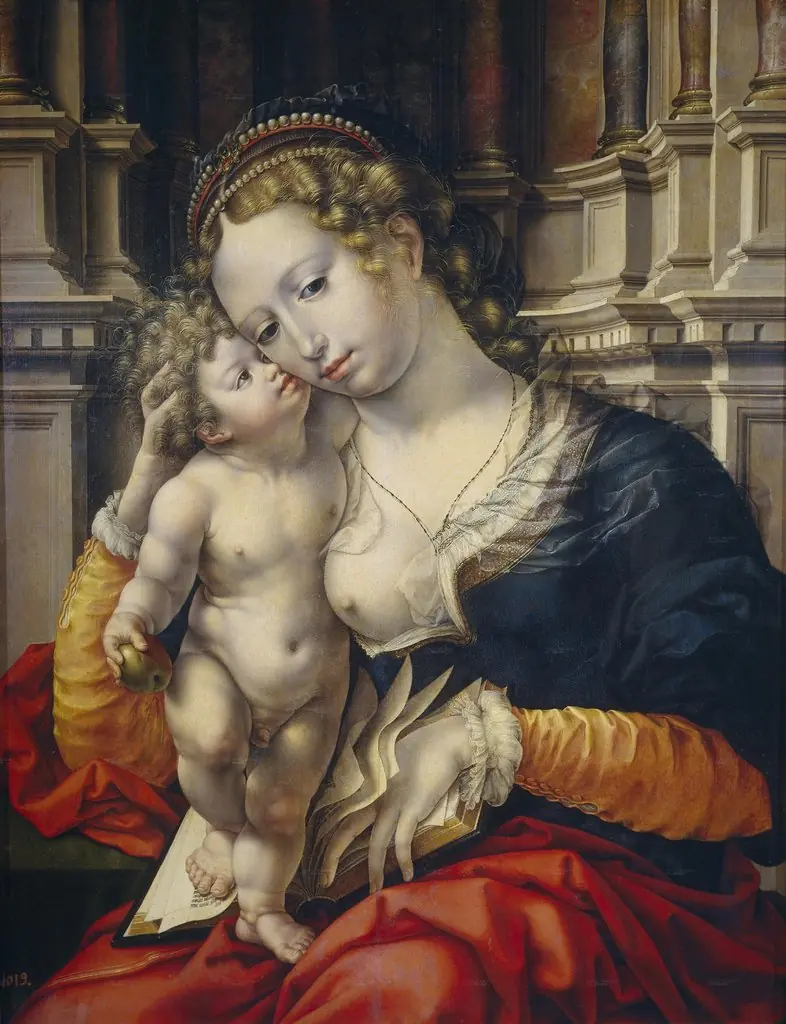
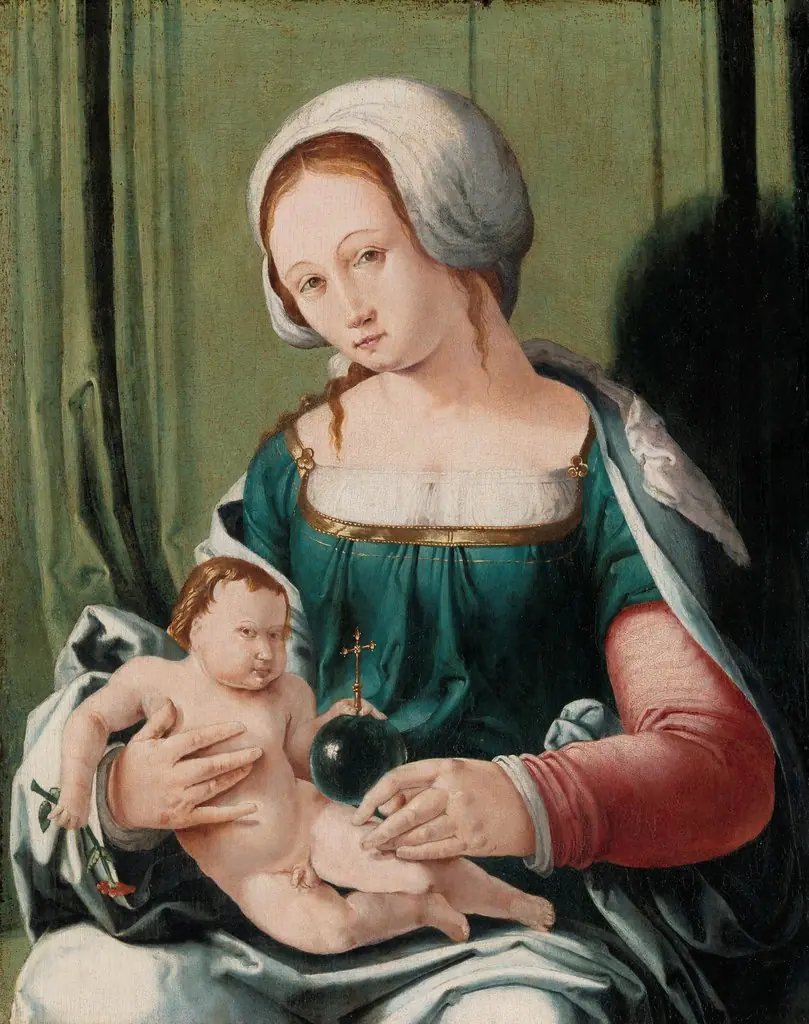
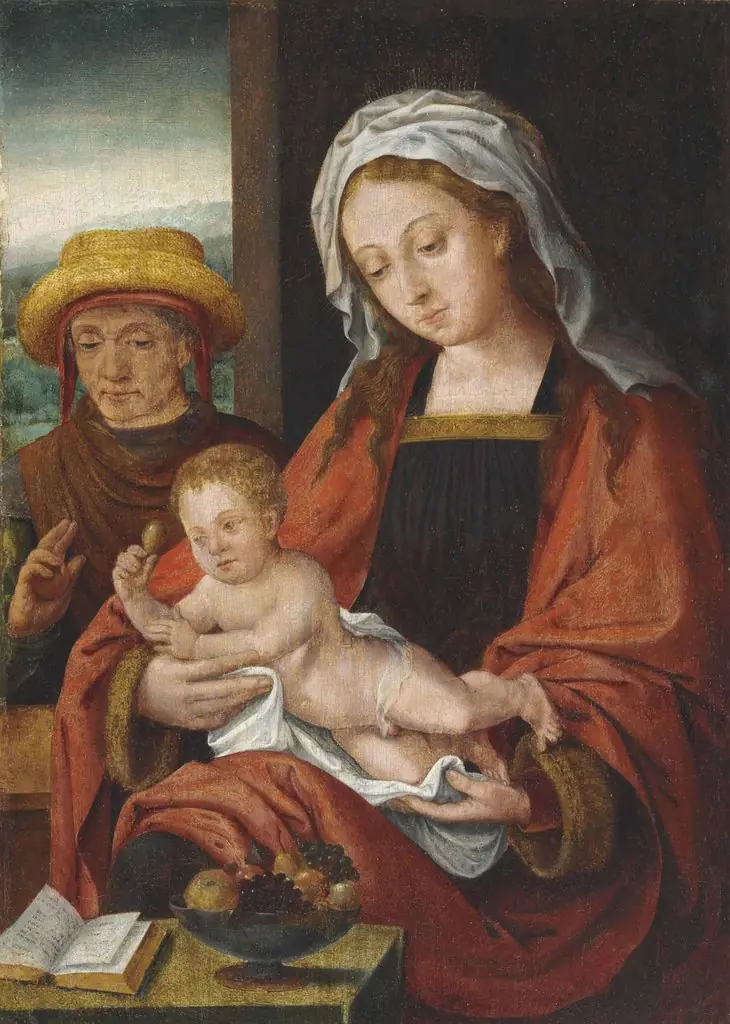
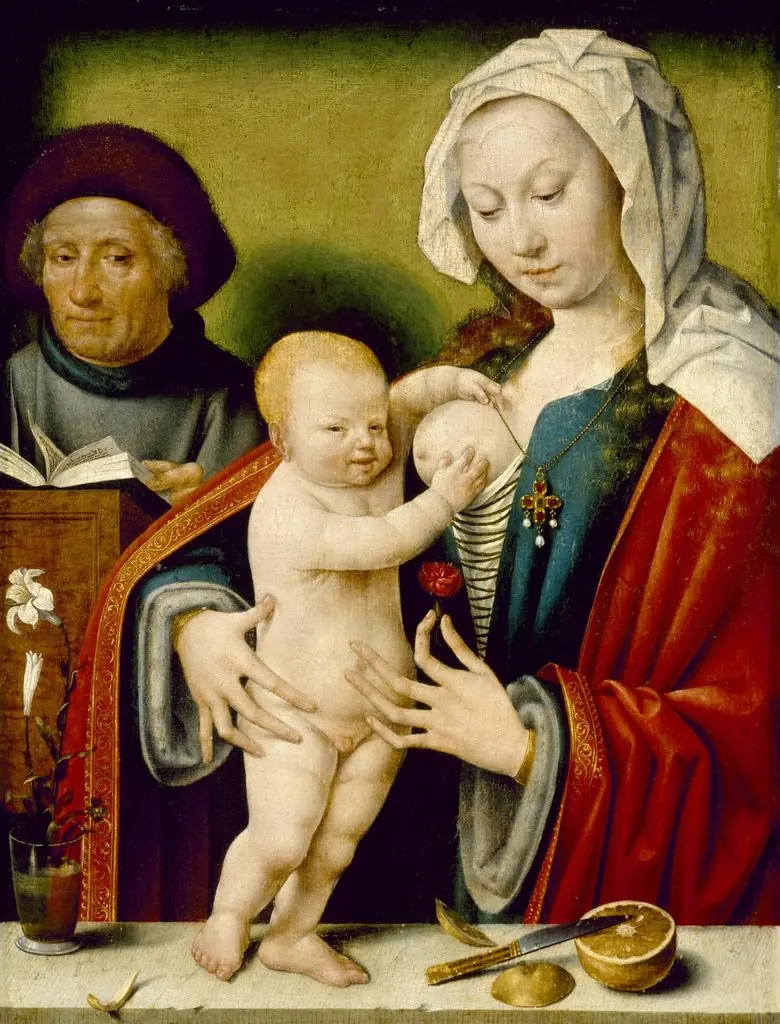
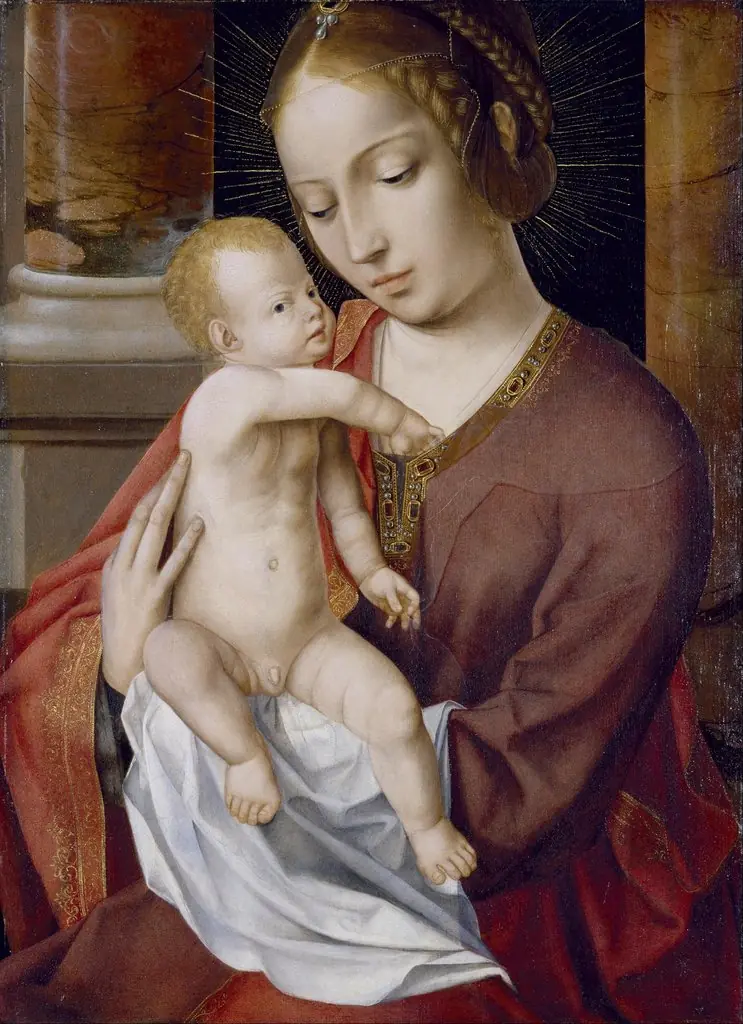
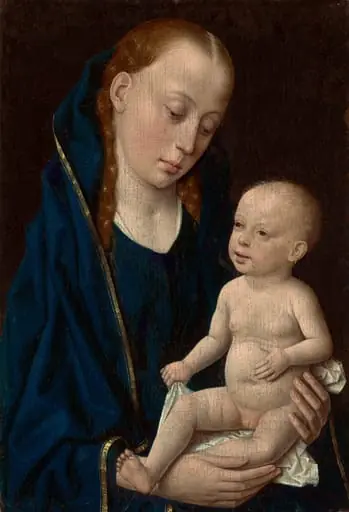
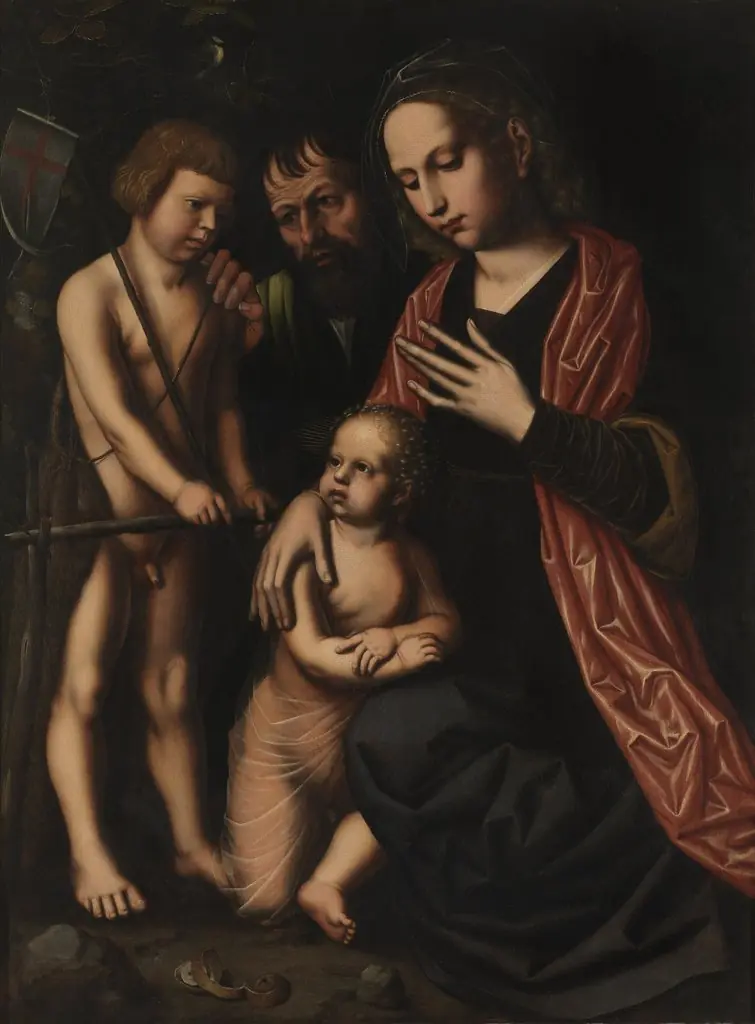
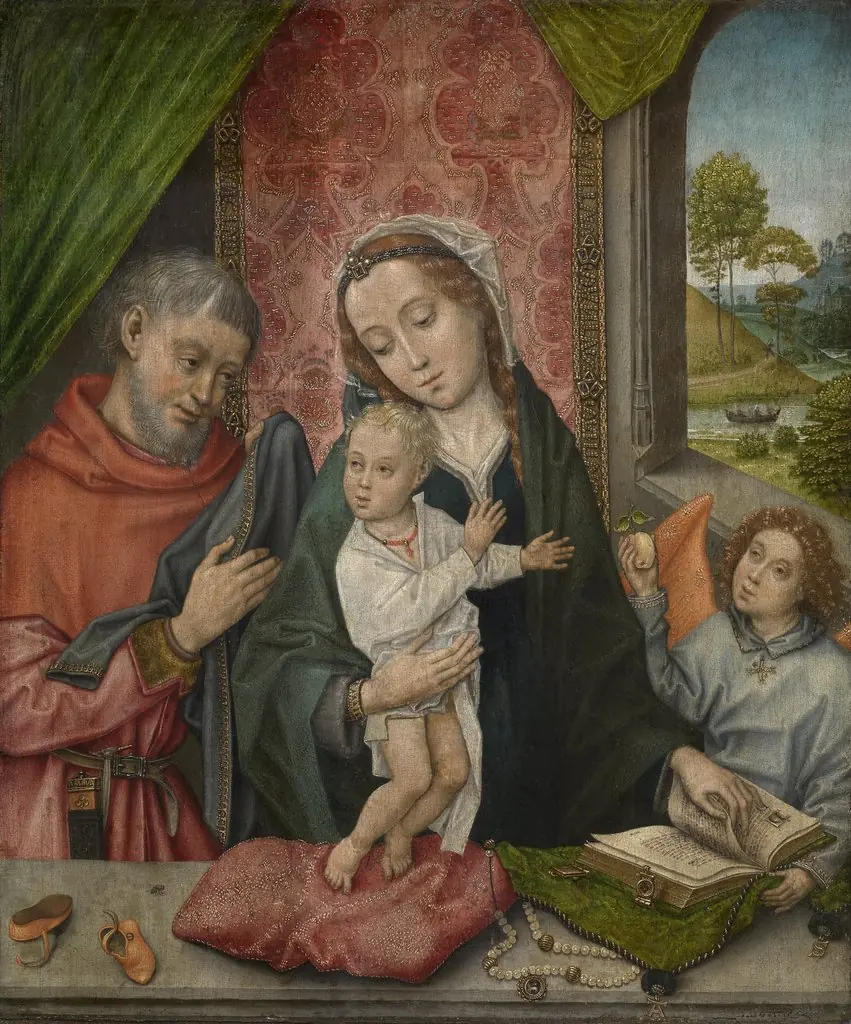
Virgin and Child with a Patron is a photography by Unknown. It dates from 1450 and is held in the collection of the Statens Museum for Kunst. This devotional panel, dated around 1450, portrays the Virgin Mary with the infant Jesus and a kneeling male figure, likely a donor.
About this work
Overview
The work originates from a Northern European tradition of private worship imagery, where patrons commissioned their own inclusion in sacred scenes.
This devotional panel, dated around 1450, portrays the Virgin Mary with the infant Jesus and a kneeling male figure, likely a donor. The composition centers on a tender interaction between the holy figures and the patron, rendered in tempera or oil on wood. The dark background isolates the subjects, emphasizing their spiritual presence. The work originates from a Northern European tradition of private worship imagery, where patrons commissioned their own inclusion in sacred scenes.
Subject & Meaning
The Virgin Mary, seated with the Christ Child, serves as an intercessor between the divine and the mortal. The child reaches toward the kneeling patron, suggesting blessing or recognition. The patron’s presence affirms his piety and social status, while the intimate gesture implies personal devotion. The red cloth around Jesus may symbolize his future sacrifice, and the Virgin’s blue robe signifies purity and heavenly association, common iconographic codes of the period.
Technique & Style
The artist employs chiaroscuro to model the figures with subtle gradations of light and shadow, lending them three-dimensional presence against the flat, dark ground. Facial features and drapery are rendered with fine detail, typical of early Netherlandish painting. The palette is restrained—dominated by deep blues, whites, and muted pinks—enhancing the solemnity of the scene. The lack of landscape or architectural context focuses attention entirely on the spiritual encounter.
History & Provenance
The painting entered the collection of the Museum of Ethnography in the late 19th or early 20th century, though its earlier ownership remains undocumented. Its attribution to a specific artist is uncertain, as many such devotional panels were produced anonymously in workshops. It likely originated in the Low Countries, where donor portraits were common in private altarpieces before being acquired by the museum as part of a broader collection of religious artifacts.
Context
During the mid-15th century, wealthy individuals commissioned religious images to secure spiritual favor and display piety. This type of panel, often kept in domestic chapels, reflected the growing emphasis on personal devotion in late medieval Christianity. The inclusion of the donor in sacred space aligned with theological ideas of human participation in divine grace, a theme prevalent in Northern European art of the time.
Legacy
Though not attributed to a major named master, this work exemplifies the quiet intimacy characteristic of Northern devotional art. It contributes to the understanding of how ordinary patrons engaged with religious imagery beyond public altarpieces. Its preservation in an ethnographic museum underscores its value as a cultural artifact, illustrating the intersection of faith, identity, and material practice in pre-modern Europe.
Artist & collection

 Domestic Scene
 Giacomo and Cardinal Marco, investing Andrea, Abbot of San Zeno, with his Benefice
 The Nymph of Fontainebleau
 Portrait of a Woman
 Madonna and Child with Saints in the Enclosed Garden
 Venus and Minerva
 Family Group of Four on Sofa
 Wall painting from Room H of the Villa of P. Fannius Synistor at Boscoreale