Artwork
Anemone apennina (appenniner-anemone); Tiarella cordifolia (almindelig skumblomst); Anemone trifolia (trilling-anemone); Ranunculus asiaticus (have-ranunkel)
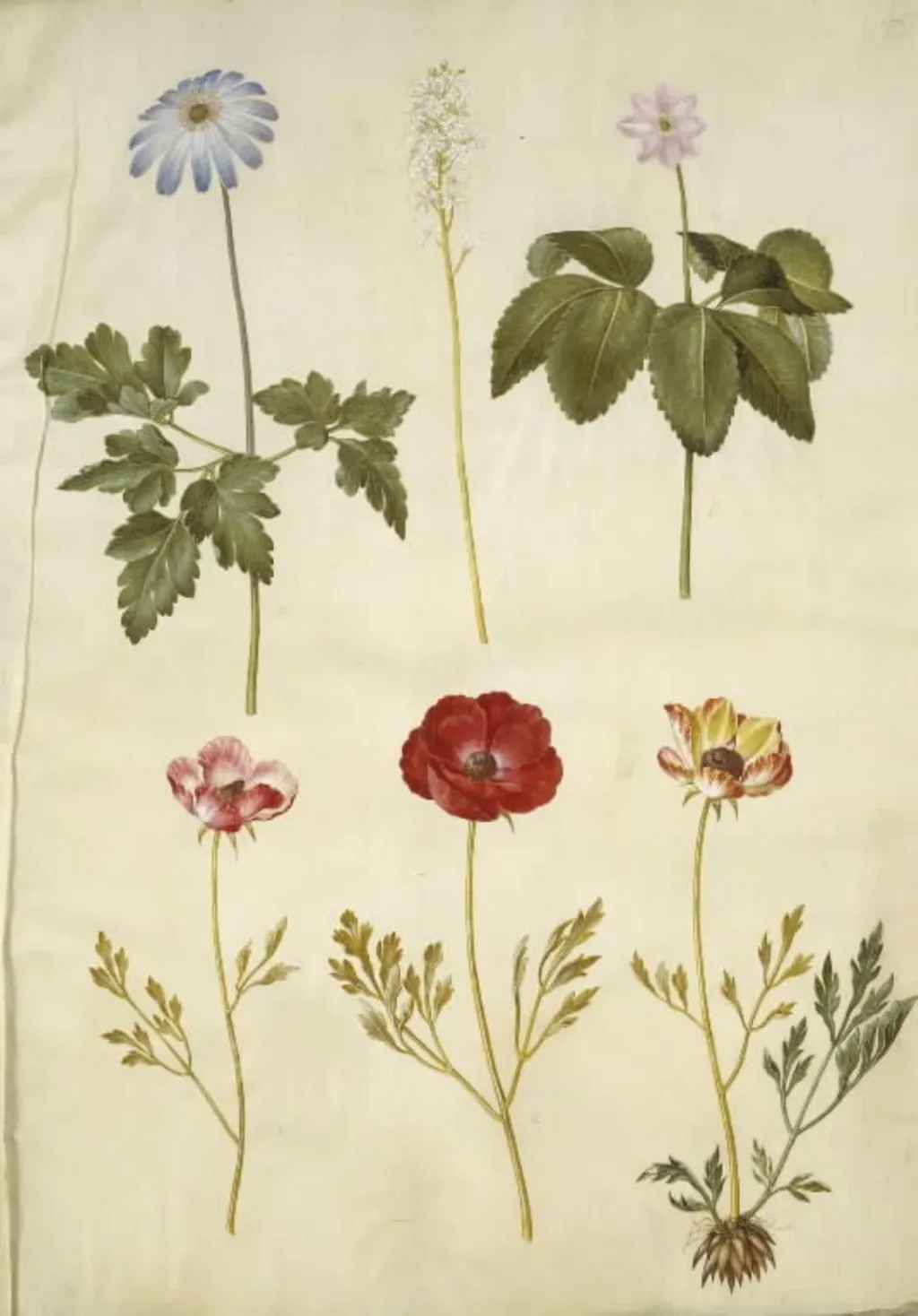
Anemone apennina (appenniner-anemone); Tiarella cordifolia (almindelig skumblomst); Anemone trifolia (trilling-anemone); Ranunculus asiaticus (have-ranunkel) is an unspecified work on paper by Unknown. It dates from 1654 and is held in the collection of the Statens Museum for Kunst.
About this work
Overview
Created around 1654 by the artist catalogued as 35199_person, this botanical illustration depicts four distinct flowering plants—Anemone apennina, Tiarella cordifolia, Anemone trifolia, and Ranunculus asiaticus. The work is part of the collection at the Museum of Ethnography and exists as a digital image reproducing the original drawing.
Subject & Meaning
The image arranges the four species in a tidy composition against a neutral background, allowing each flower’s form and coloration to be examined without distraction. By presenting the plants side by side, the illustration serves as a comparative reference for identification and study of their morphological traits.
Technique & Style
Rendered in watercolor, the artist builds subtle depth through thin, translucent washes that capture the delicate texture of petals, leaves, and seed heads. Fine brushwork highlights surface details such as leaf venation and petal edges, reflecting the meticulous approach typical of 17th‑century scientific illustration.
History & Provenance
The piece dates to the mid‑17th century, a period when botanical art was closely linked to emerging natural‑history research. It entered the Museum of Ethnography’s holdings at an unspecified later date, where it is preserved as a representative example of early modern plant documentation.
Context
During the 1650s, European scholars increasingly relied on accurate visual records to complement textual descriptions of flora. Illustrations like this one were often used in herbals and academic circles to disseminate knowledge of plant species across regions.
Artist & collection

 Domestic Scene
 Giacomo and Cardinal Marco, investing Andrea, Abbot of San Zeno, with his Benefice
 The Nymph of Fontainebleau
 Portrait of a Woman
 Madonna and Child with Saints in the Enclosed Garden
 Venus and Minerva
 Family Group of Four on Sofa
 Wall painting from Room H of the Villa of P. Fannius Synistor at Boscoreale
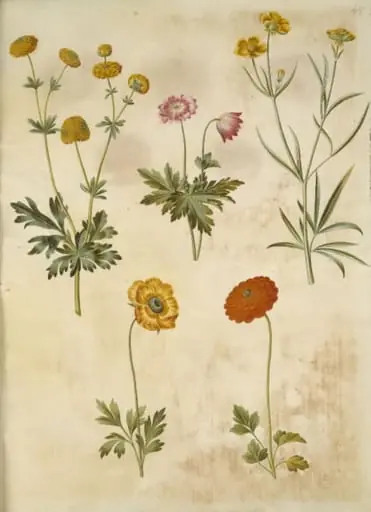 Ranunculus acris (guldknap-ranunkel); Anemone nemorosa (hvid anemone); Ranunculus illyricus (steppe-ranunkel); Ranunculus asiaticus (have-ranunkel)
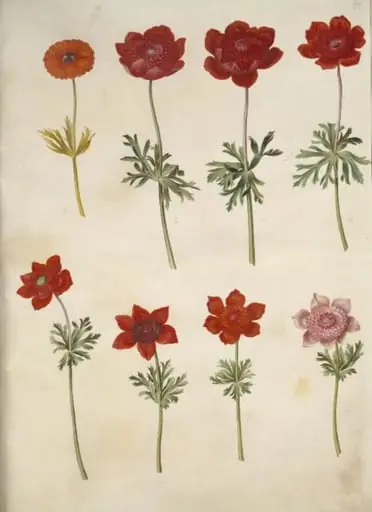 Anemone ×fulgens (skinnende anemone); Anemone coronaria (fransk anemone)
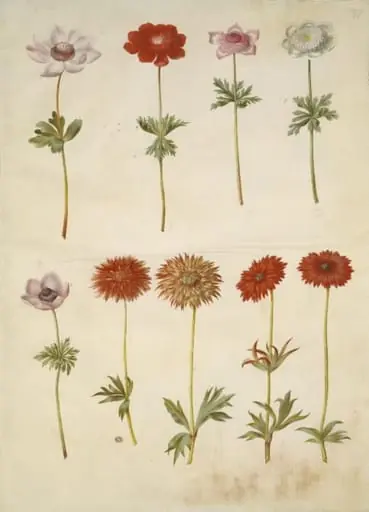 Anemone coronaria (fransk anemone); Anemone ×fulgens (skinnende anemone)
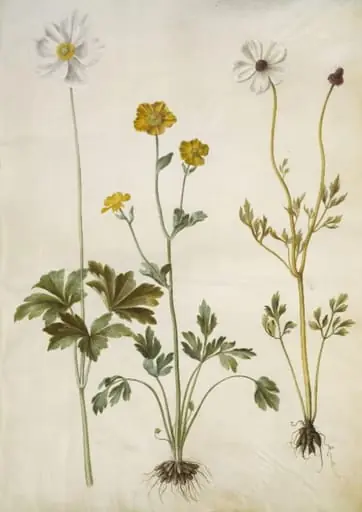 Anemone sylvestris (sommer-anemone); Ranunculus monspeliacus (silke-ranunkel); Ranunculus asiaticus (have-ranunkel)
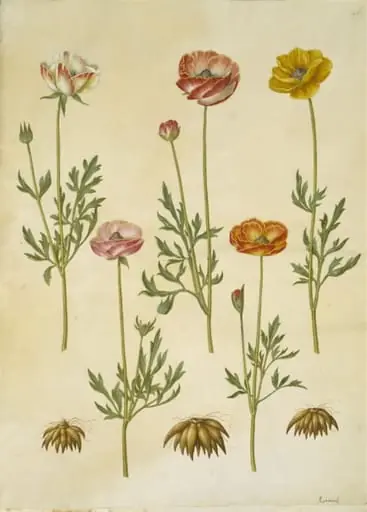 Ranunculus asiaticus (have-ranunkel)
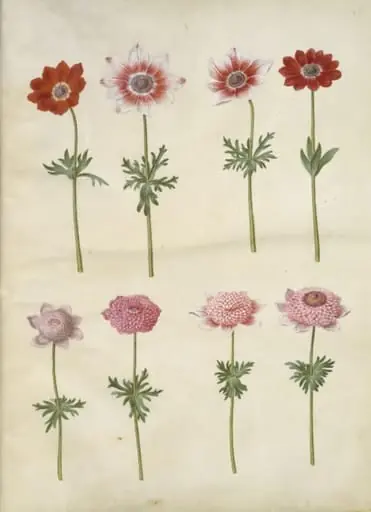 Anemone coronaria L. (fransk anemone); Anemone pavonina (påfugle-anemone)
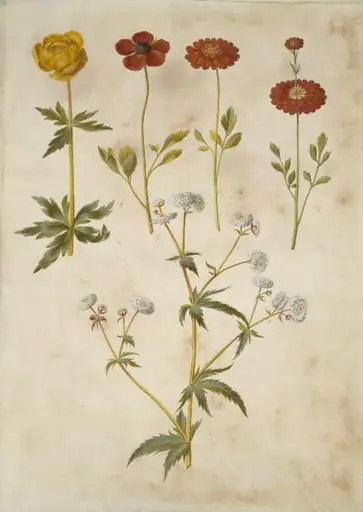 Trollius europaeus (europæisk engblomme); Ranunculus asiaticus (have-ranunkel); Ranunculus aconitifolius (sølvknap-ranunkel)
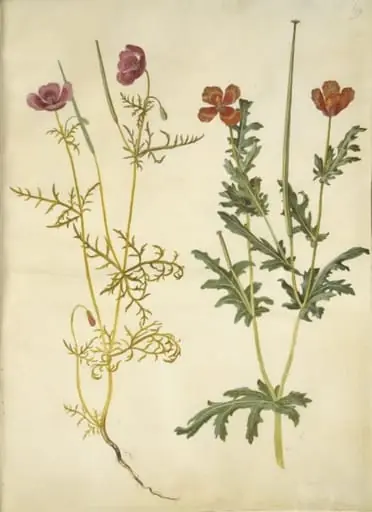 Roemeria hybrida (violet hornvalmue); Glaucium corniculatum (rød hornskulpe)
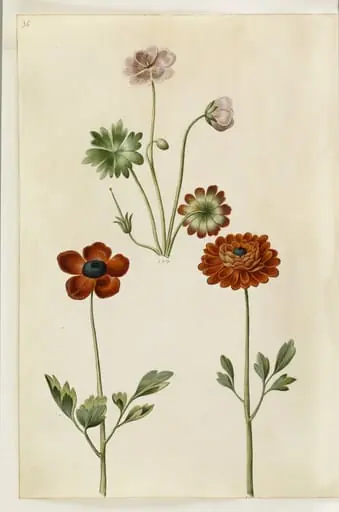 Geranium sanguineum striatum (stribet storkenæb); Ranunculus asiaticus (have-ranunkel)
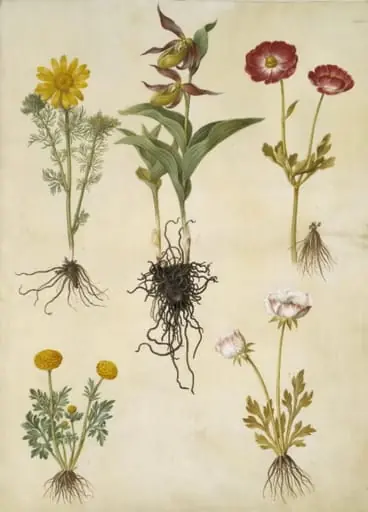 Adonis vernalis (vår-adonis); Cypripedium calceolus (stor fruesko); Ranunculus asiaticus (have-ranunkel); Ranunculus (art af ranunkel)
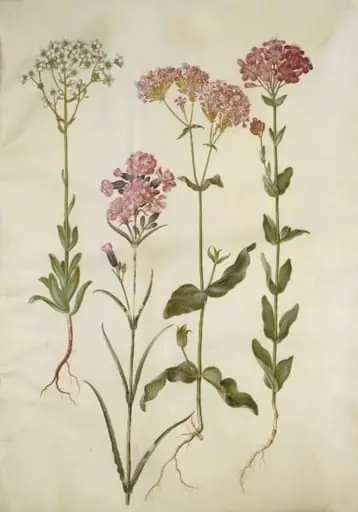 Saxifraga paniculata (klippe-stenbræk); Silene viscaria (almindelig tjærenellike); Silene armeria (knippe-limurt);