Artwork
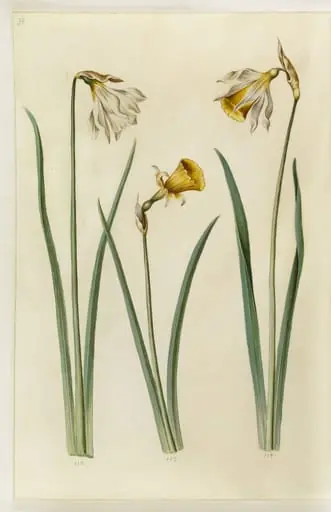
Narcissus pseudonarcissus moschatus (moskus-narcis); Narcissus ×medioluteus (toblomstret narcis); Narcissus pseudonarcissus major (stor påskelilje)
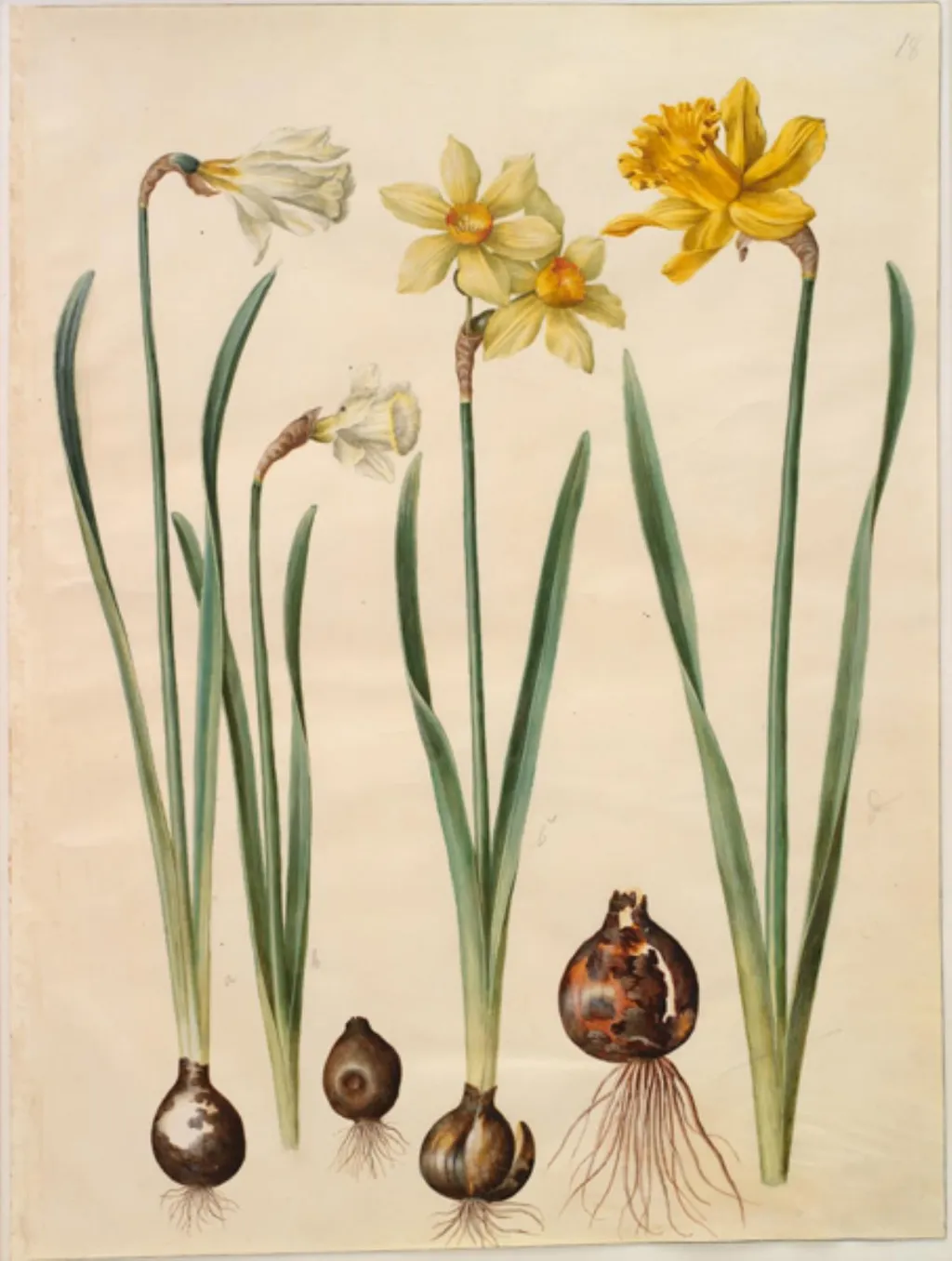
Narcissus pseudonarcissus moschatus (moskus-narcis); Narcissus ×medioluteus (toblomstret narcis); Narcissus pseudonarcissus major (stor påskelilje) is an unspecified work on paper by Unknown. It dates from 1654 and is held in the collection of the Statens Museum for Kunst.
About this work
Overview
It is part of the collection at the Museum of Ethnography, where it serves as a record of plant morphology rather than decorative art.
This botanical illustration, dated around 1654, depicts several varieties of daffodil, including Narcissus pseudonarcissus moschatus, Narcissus ×medioluteus, and Narcissus pseudonarcissus major. Rendered in watercolor on paper, the work emphasizes precise anatomical detail. It is part of the collection at the Museum of Ethnography, where it serves as a record of plant morphology rather than decorative art.
Subject & Meaning
The painting presents five daffodil specimens in varying hues—white, pale yellow, and bright yellow—alongside their green foliage and root systems. One bulb is deliberately sliced open to expose its internal structure, indicating an intent to document biological form. The inclusion of bulbs, uncommon in contemporary floral art, suggests a scientific purpose: to aid identification and study of plant life cycles.
Technique & Style
Executed in watercolor, the illustration employs fine brushwork and muted tonal gradations to capture the texture of petals, leaves, and bulb surfaces. The plain background eliminates distraction, focusing attention entirely on the plants. The artist’s method prioritizes accuracy over ornamentation, aligning with the conventions of early scientific illustration used in botanical texts of the period.
History & Provenance
Created circa 1654, the work’s origin is tied to a period when detailed plant studies were gaining traction in Europe. Though the artist’s identity remains unverified, the piece likely originated in a scholarly or medical context. It entered the Museum of Ethnography’s collection through unknown means, possibly as part of a larger archive of natural history materials gathered during the 17th century.
Context
In mid-17th-century Europe, botanical illustration was increasingly used to support emerging scientific disciplines. Unlike ornamental flower paintings, this work reflects the shift toward empirical observation. Its focus on bulbs and internal anatomy mirrors contemporary efforts to classify and understand plant biology, paralleling the work of naturalists like John Ray and the early Royal Society.
Legacy
This illustration contributes to a broader tradition of visual documentation in natural history. Its emphasis on structural detail, rather than aesthetic appeal, positions it as a tool for education and classification. Though not widely known today, it exemplifies how art served science in an era before photography, preserving plant forms for future study through careful hand-rendered observation.
Artist & collection

 Domestic Scene
 Giacomo and Cardinal Marco, investing Andrea, Abbot of San Zeno, with his Benefice
 The Nymph of Fontainebleau
 Portrait of a Woman
 Madonna and Child with Saints in the Enclosed Garden
 Venus and Minerva
 Family Group of Four on Sofa
 Wall painting from Room H of the Villa of P. Fannius Synistor at Boscoreale
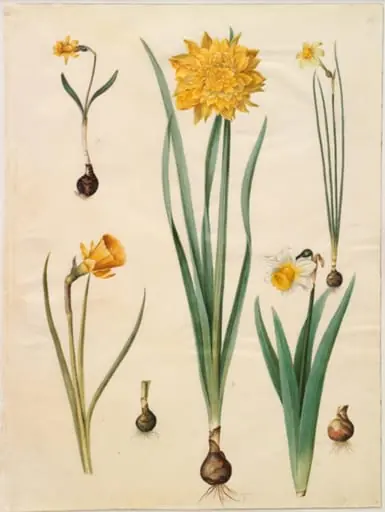 Narcissus pseudonarcissus minor; Narcissus pseudonarcissus (påskelilje); Narcissus ×tenuior; Narcissus bulbocodium (krinoline-narcis); Narcissus pseudonarcissus bicolor (tofarvet påskelilje)
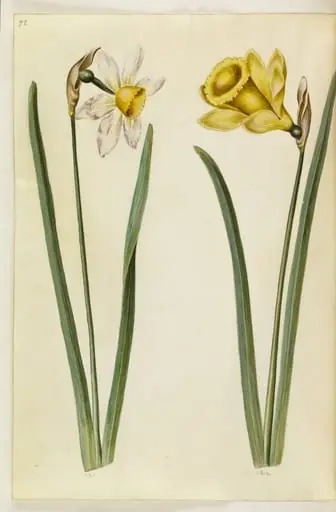 Narcissus ×incomparabilis (have-narcis); Narcissus pseudonarcissus (påskelilje)
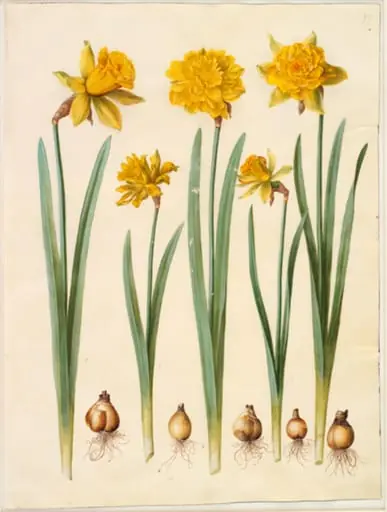 Narcissus pseudonarcissus
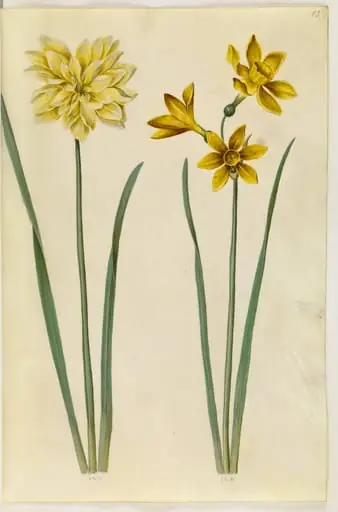 Narcissus pseudonarcissus (påskelilje); Narcissus tazetta aureus (guld-tazet)
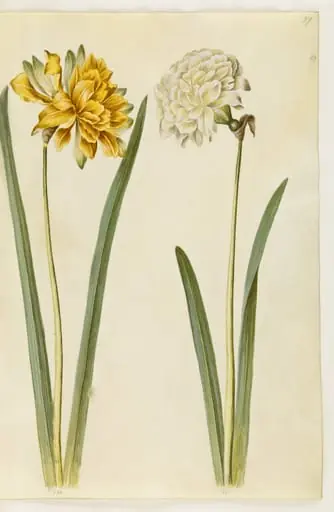 Narcissus pseudonarcissus (påskelilje)
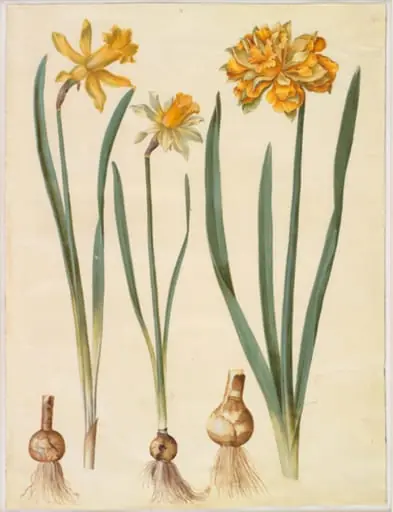 Narcissus pseudonarcissus major (stor påskelilje); Narcissus pseudonarcissus bicolor (tofarvet påskelilje); Narcissus pseudonarcissus
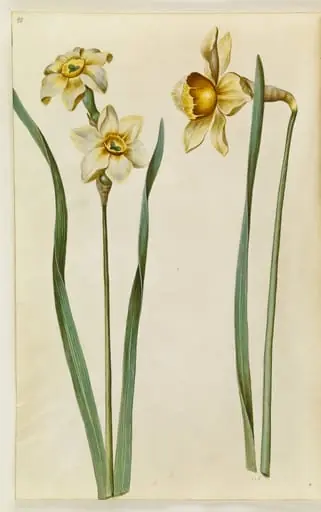 Narcissus ×medioluteus (toblomstret narcis); Narcissus ×incomparabilis (have-narcis)
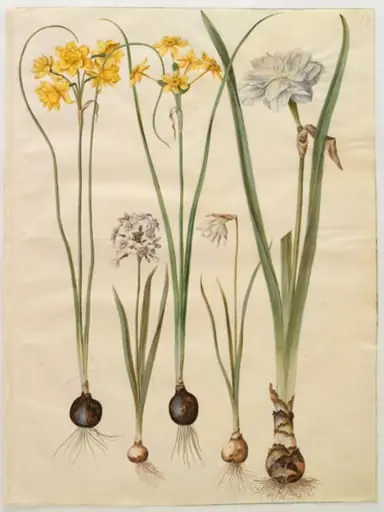 Narcissus jonquilla (siv-narcis); Narcissus tazetta (tazet); Narcissus pseudonarcissus moschatus (moskus-narcis); Narcissus poeticus (pinselilje)
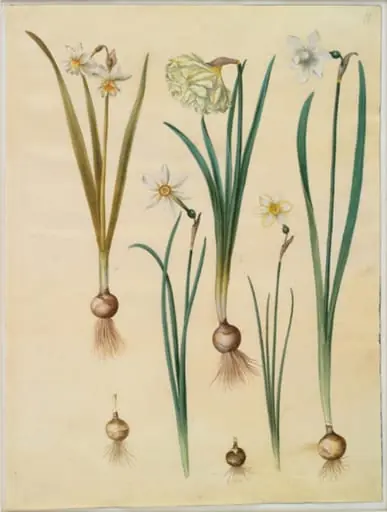 Narcissus ×medioluteus (toblomstret narcis); Narcissus pseudonarcissus; Narcissus (narcis); Narcissus poeticus (pinselilje); Narcissus ×tenuior
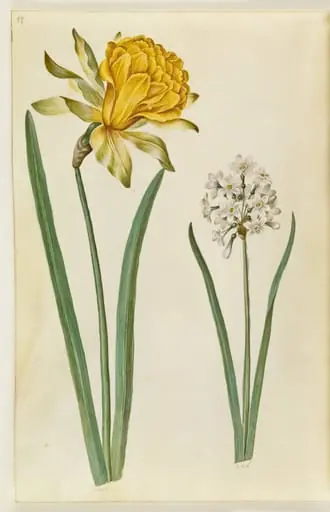 Narcissus pseudonarcissus (påskelilje); Narcissus tazetta (tazet)
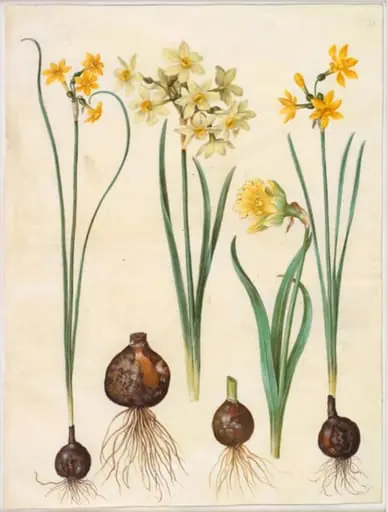 Narcissus jonquilla (siv-narcis); Narcissus tazetta aureus (guld-tazet); Narcissus pseudonarcissus bicolor (tofarvet påskelilje)
 Narcissus pseudonarcissus moschatus (moskus-narcis); Narcissus bulbocodium (krinoline-narcis); Narcissus pseudonarcissus (påskelilje)