Artwork
The Incredulity of St Thomas
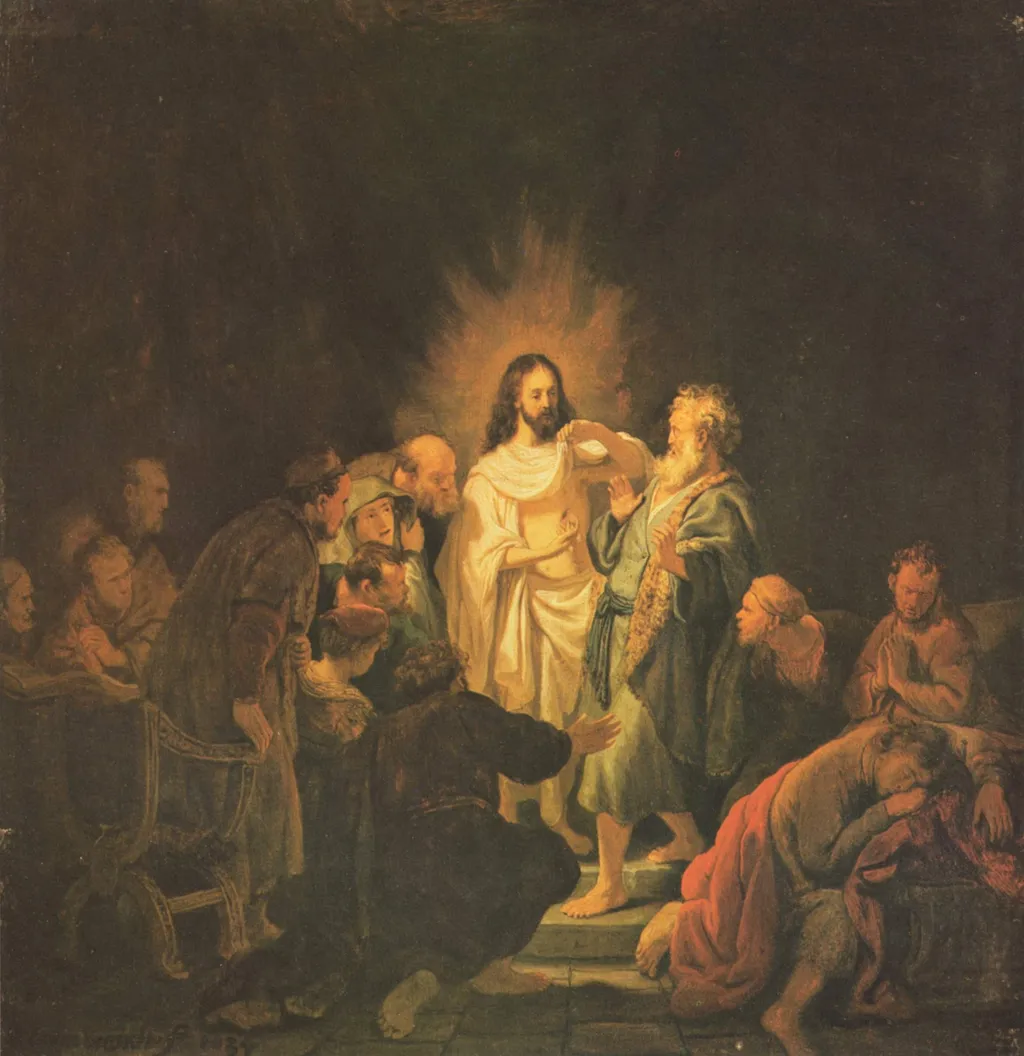
The Incredulity of St Thomas is an oil painting by the Dutch Golden Age artist Rembrandt. It dates from 1634 and is held in the collection of the Pushkin Museum of Fine Arts.
About this work
Overview
Created in 1634 by Rembrandt van Rijn, a central artist of the Dutch Golden Age, this oil on canvas portrays the biblical episode in which the doubting apostle Thomas touches Christ’s wounds. The composition centers on a luminous figure in a white robe, surrounded by companions in darker garments, set against a deep, shadowed background that heightens the drama of the encounter.
Subject & Meaning
The work visualizes the moment described in the Gospel of John when Thomas, skeptical of the resurrection, physically confirms Jesus’ crucifixion marks. By focusing on Thomas’s hand on Christ’s side, the painting underscores themes of faith, doubt, and the tangible proof of divine triumph, inviting contemplation of belief grounded in sensory experience.
Technique & Style
Rembrandt employs chiaroscuro to model forms, allowing a strong light source to emerge from the central figure and illuminate surrounding bodies. The contrast between bright and dark creates depth, while the textured brushwork conveys flesh and fabric. This handling of light and shadow intensifies emotional tension and guides the viewer’s eye toward the pivotal gesture.
History & Provenance
The canvas entered the collection of the State Hermitage Museum in St. Petersburg, where it remains on display. It forms part of the museum’s extensive holdings of Dutch 17th‑century art, reflecting the broader acquisition trends of European masterpieces during the 19th and early 20th centuries.
Own this work as a print
Artist & collection
Artist
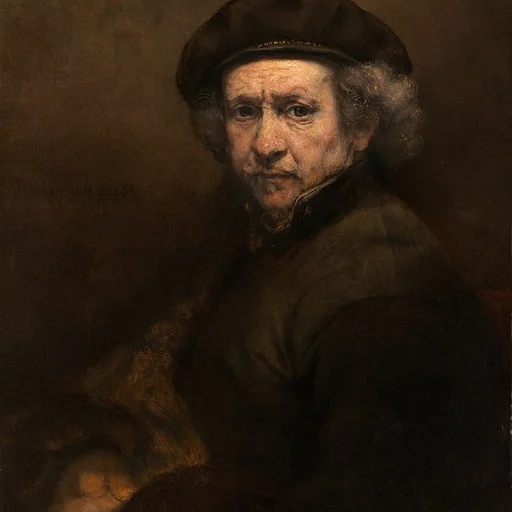
Rembrandt Harmenszoon van Rijn (15 July 1606 – 4 October 1669), known mononymously as Rembrandt, was a Dutch Golden Age painter, printmaker, and draughtsman.

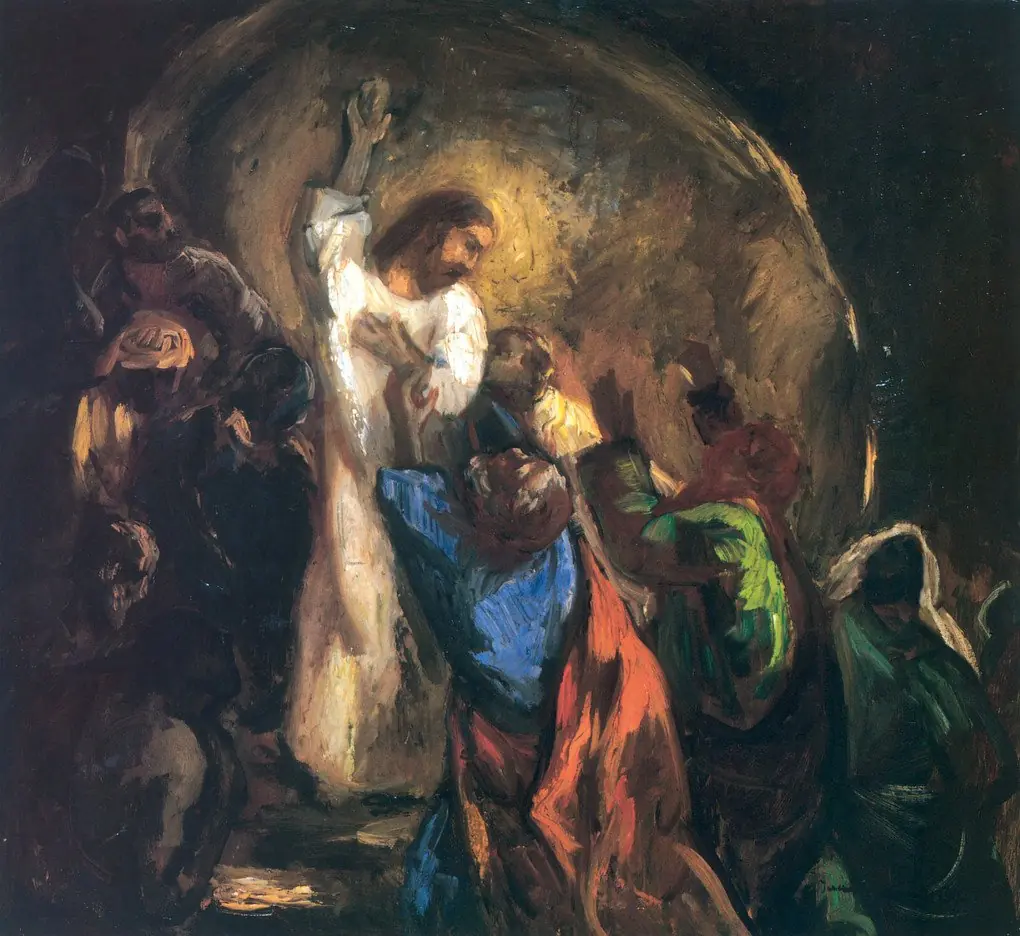 Thomas Touches Christ's Side
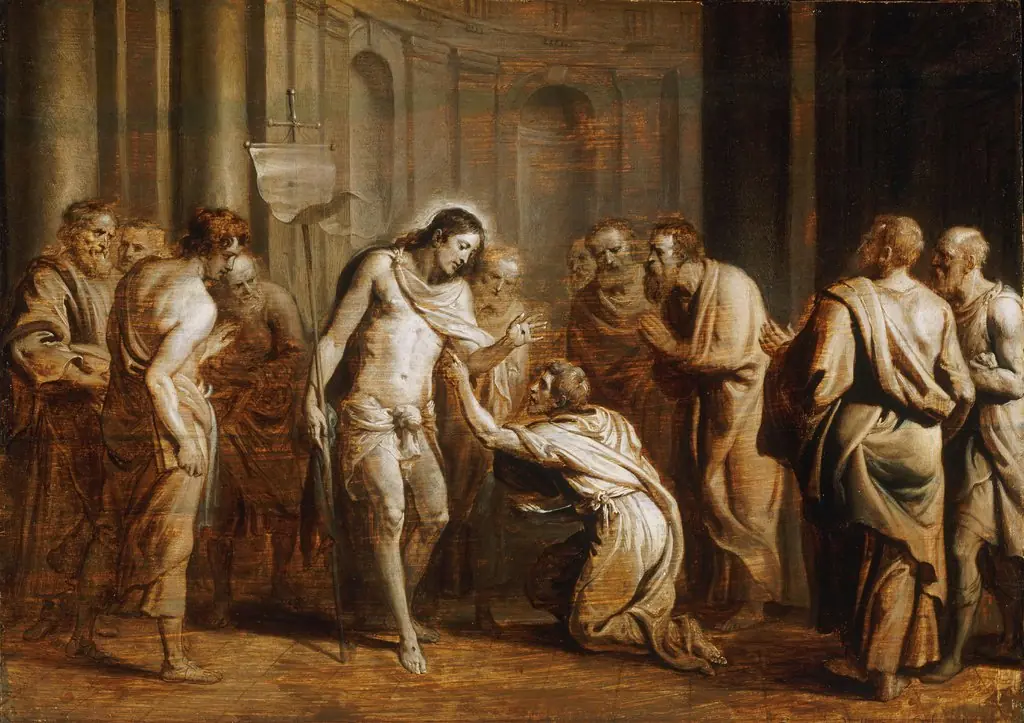 Saint Thomas Touching Christ's Wounds
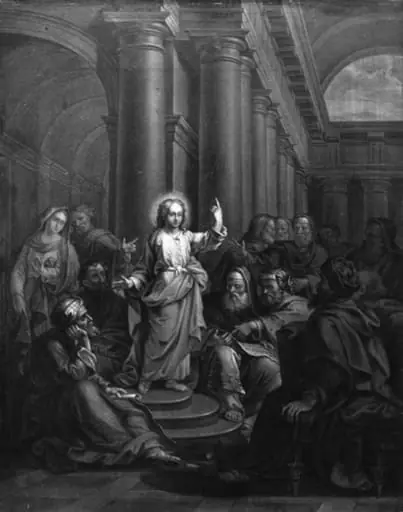 Kristus i templet
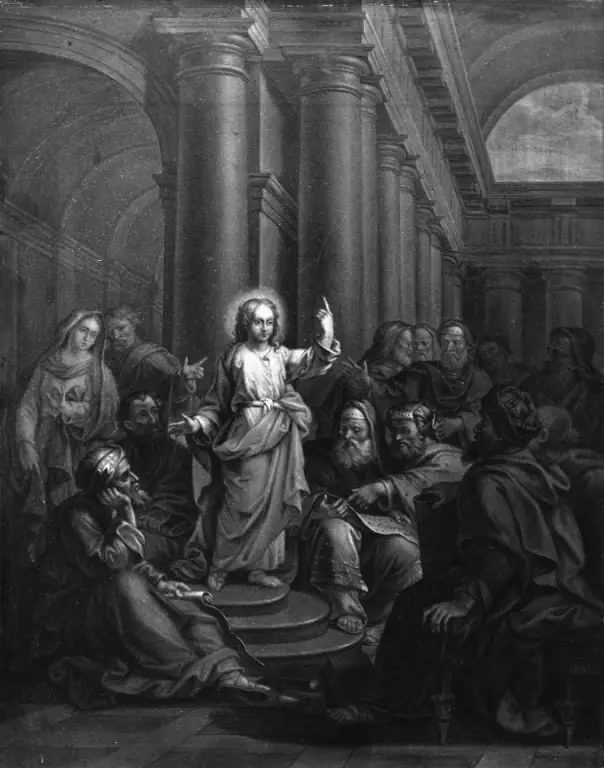 Kristus i templet
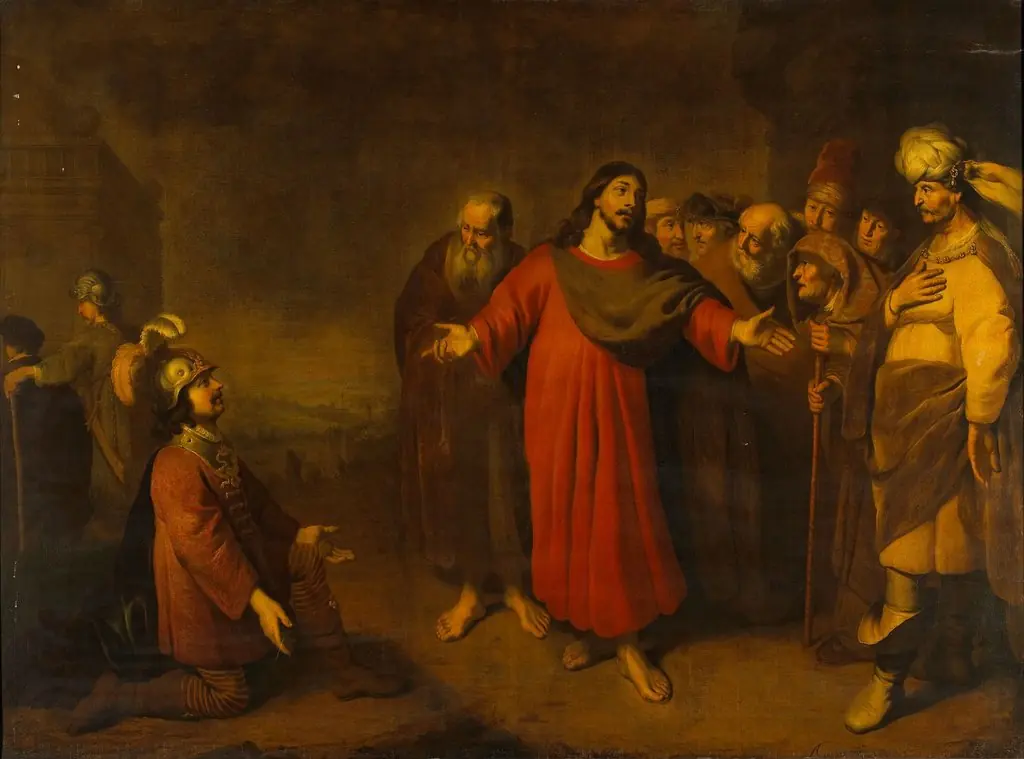 Christ and the Centurion
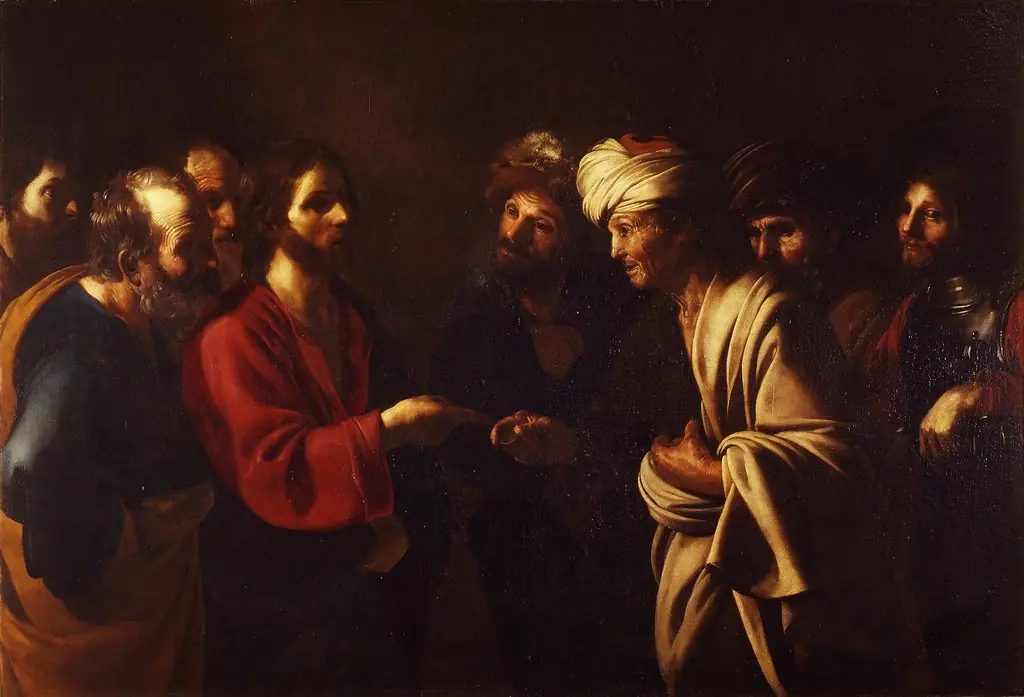 Tribute to Caesar
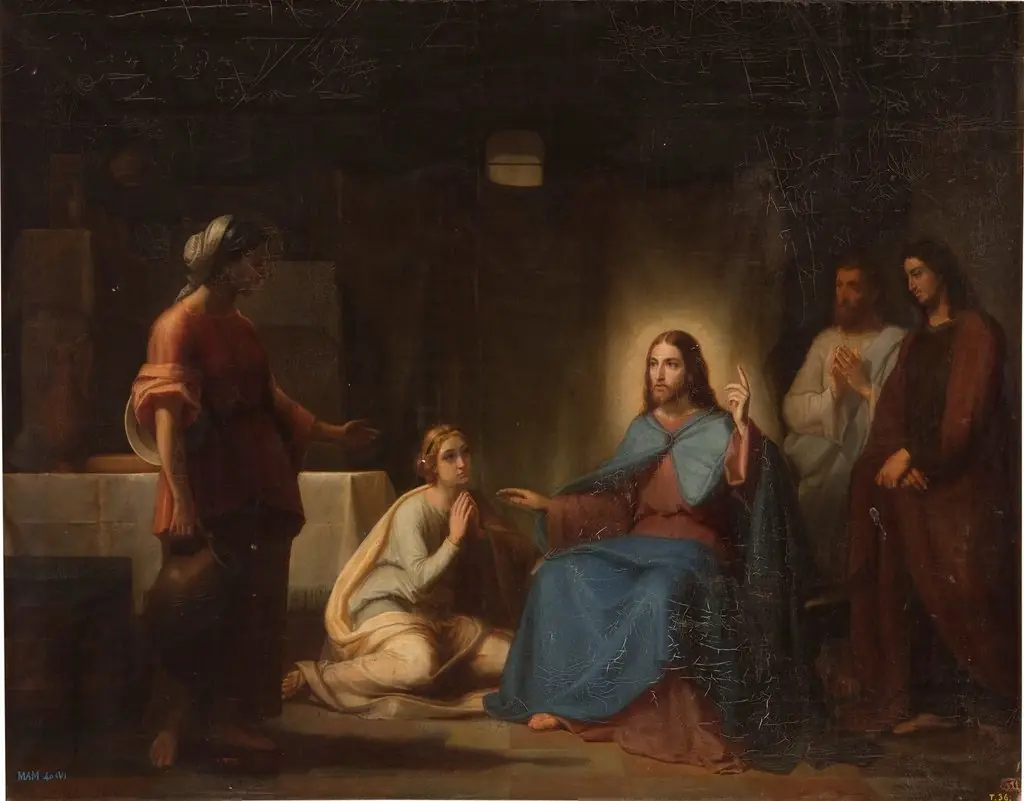 Jesús en casa de Marta y María
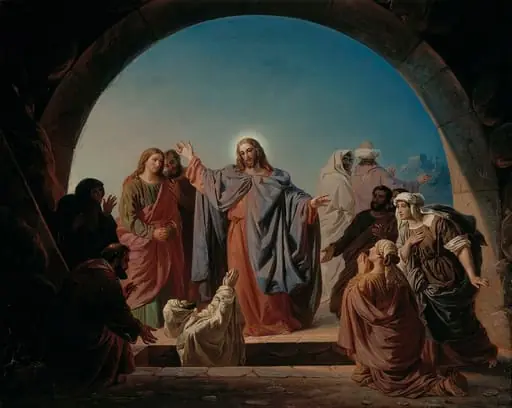 Jeesus herättää Lasaruksen, repliikki Turun Tuomiokirkon freskomaalauksesta
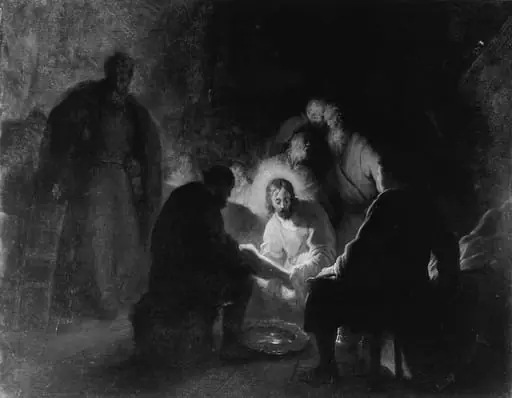 Christ Washing the Disciples' Feet
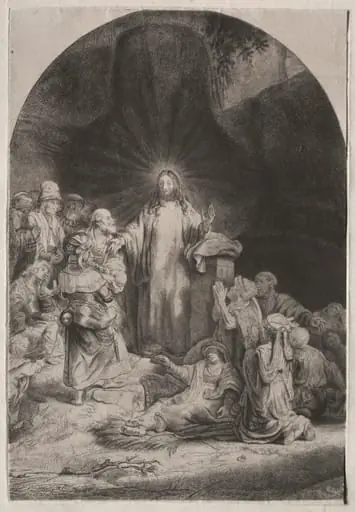 The Hundred Guilder Print, central section
 Christ Washing the Feet of His Disciples
 Christ Washing the Disciples' Feet