Artwork
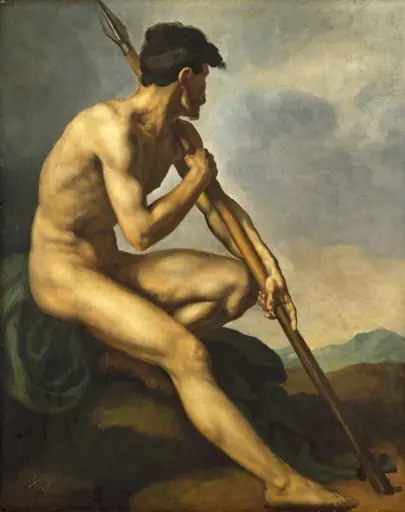
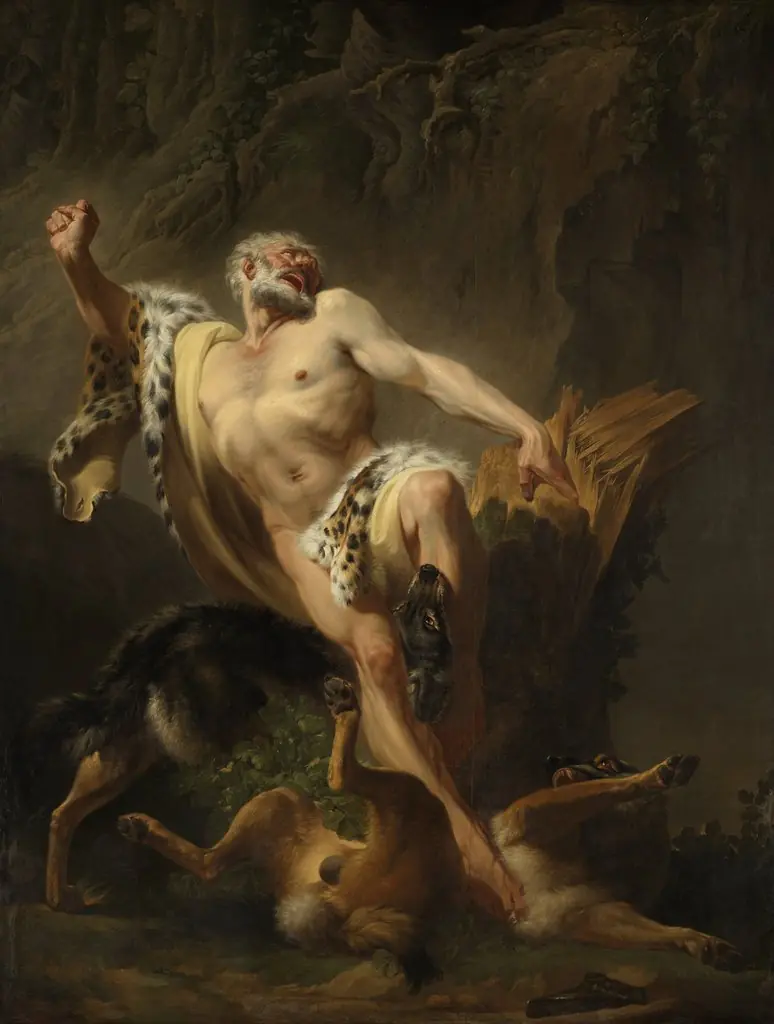
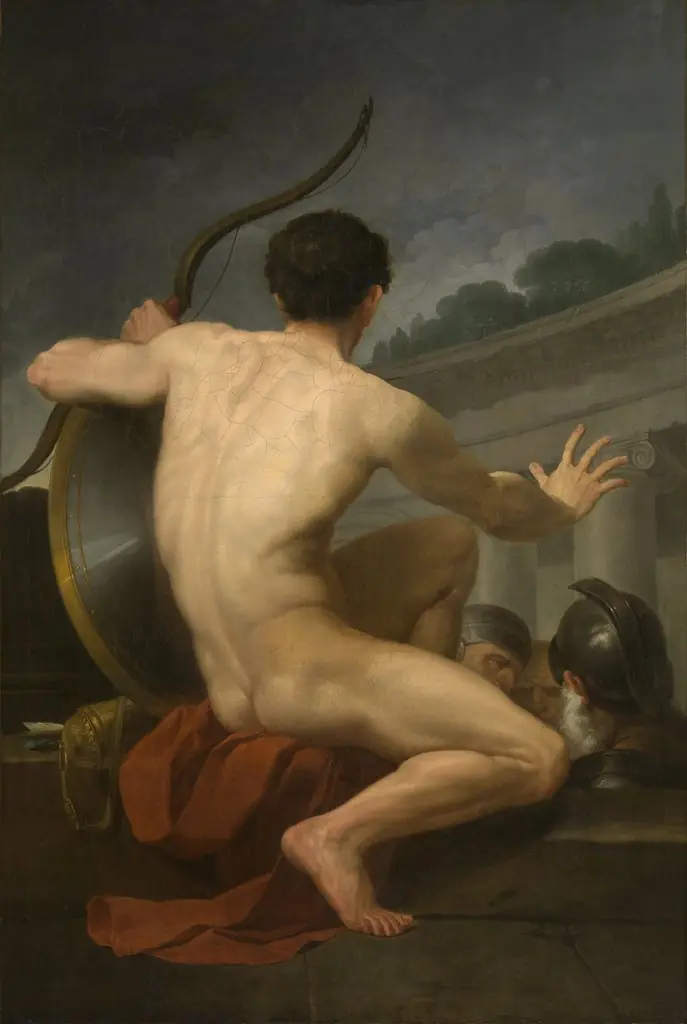
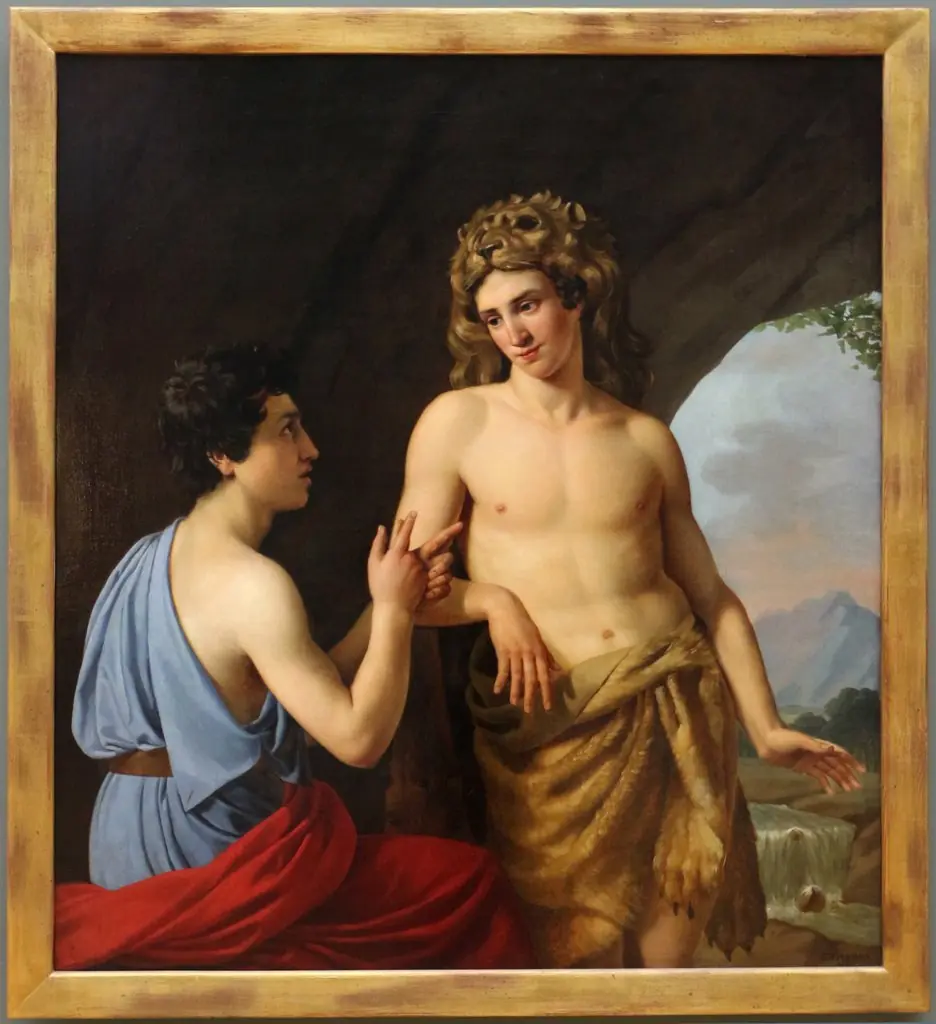
En bueskytte der hviler efter at have dræbt en ørn
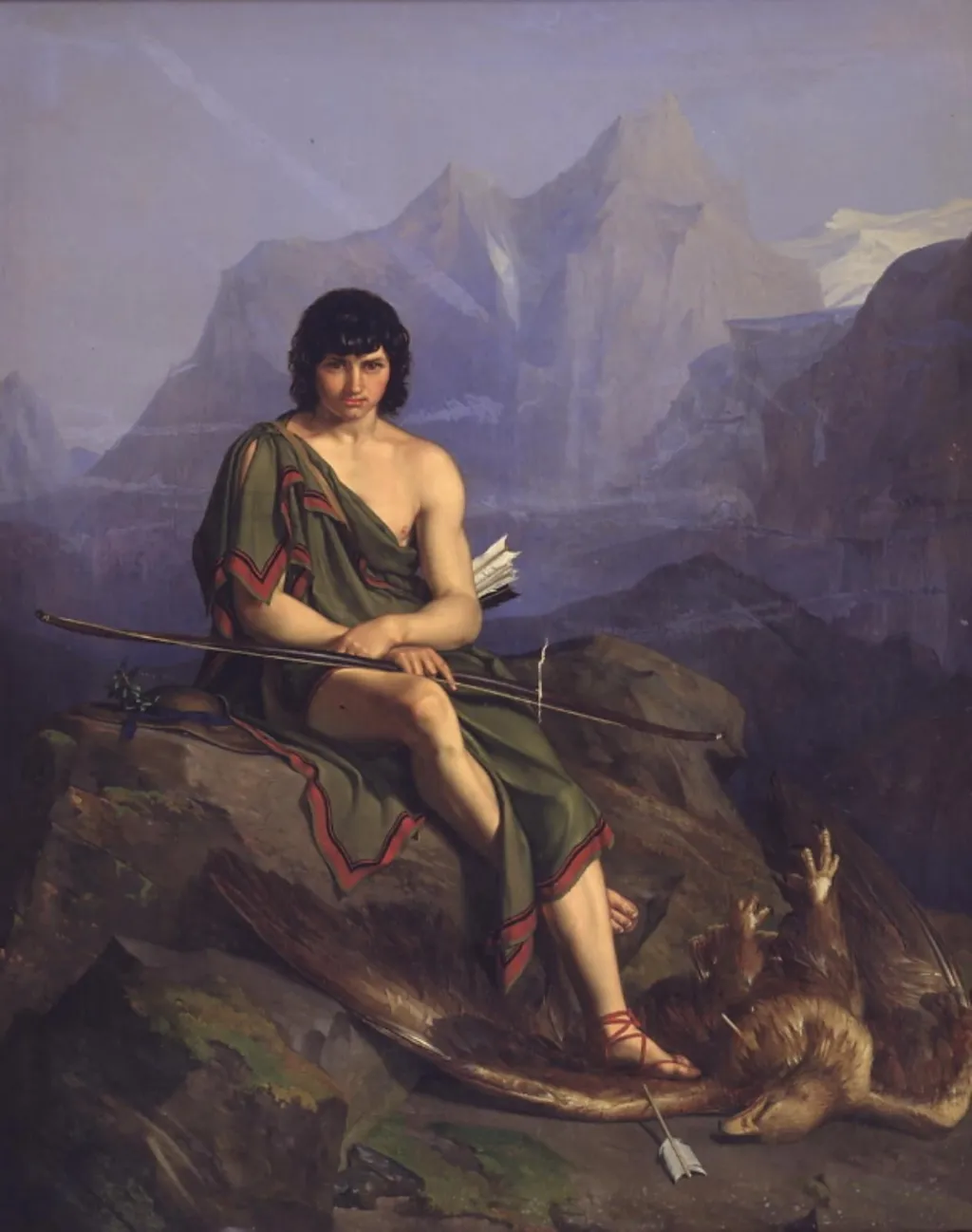
En bueskytte der hviler efter at have dræbt en ørn is a photography by Unknown. It dates from 1850 and is held in the collection of the Statens Museum for Kunst.
About this work
Overview
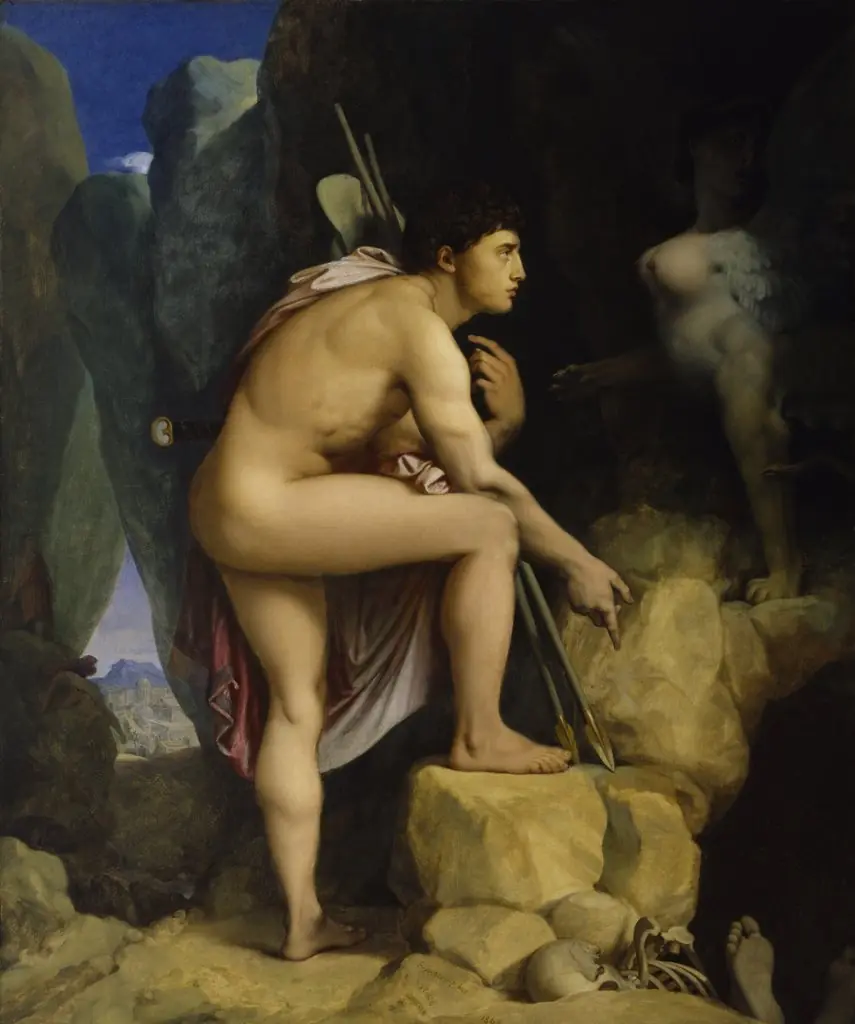
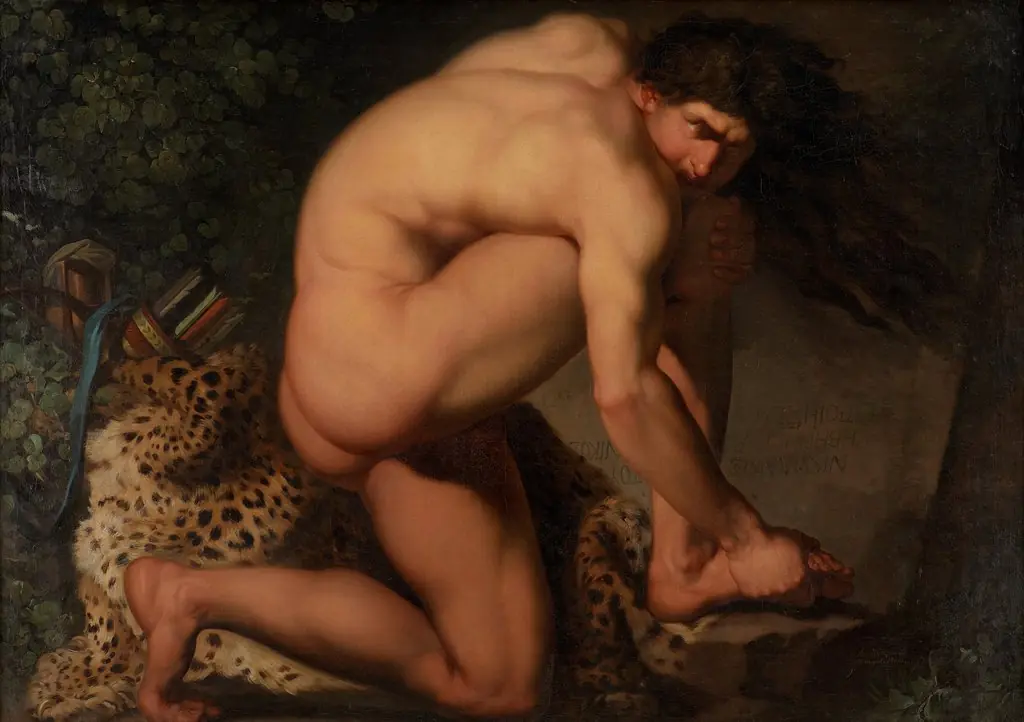
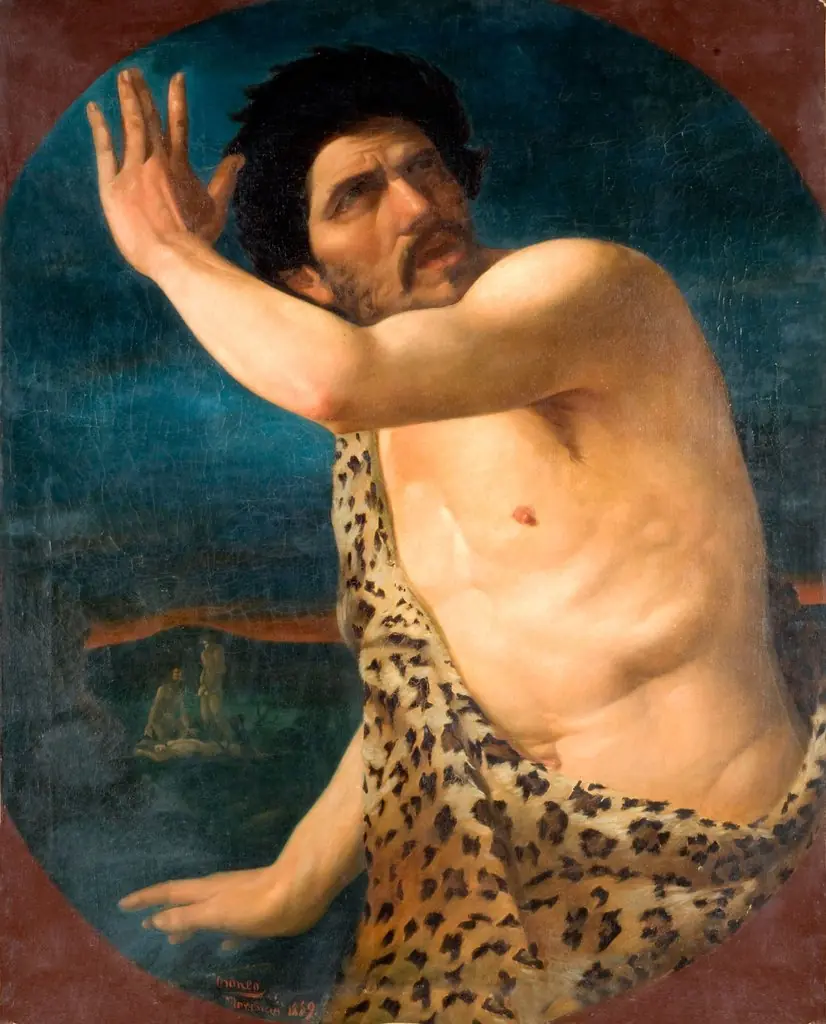
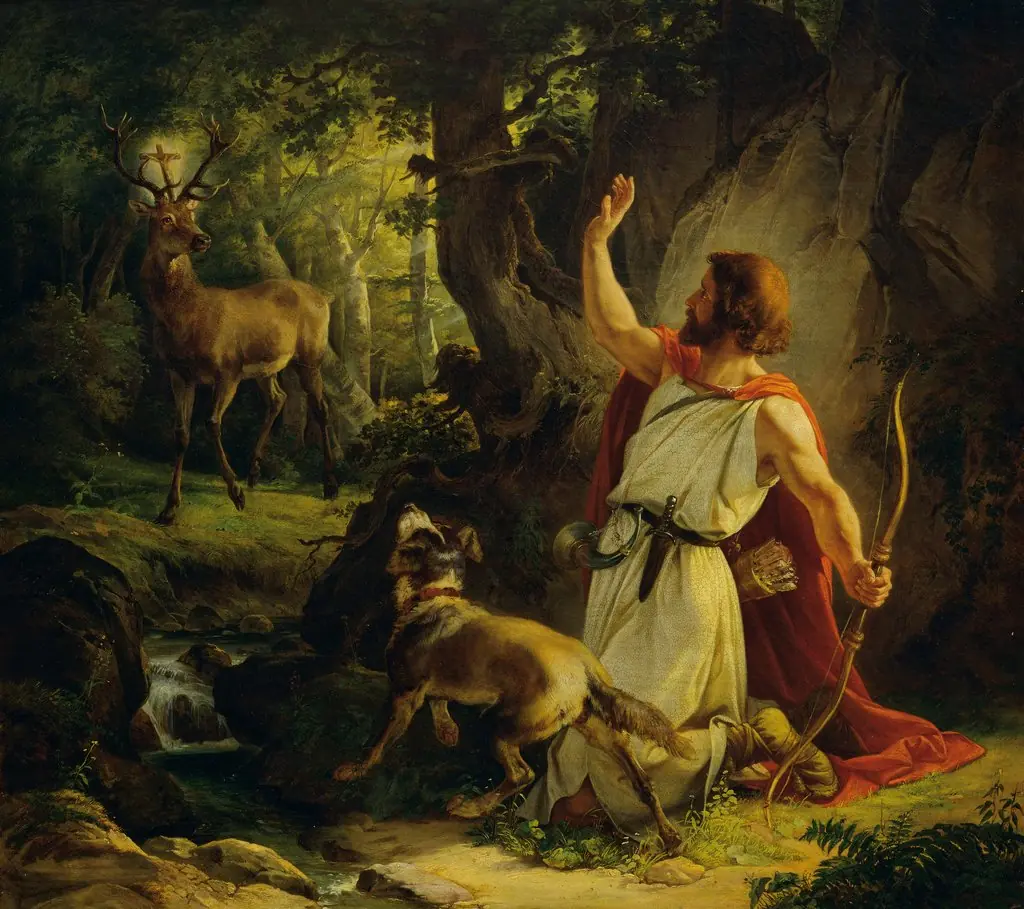
Created around 1850, the image titled “En bueskytte der hviler efter at have dræbt en ørn” depicts a solitary archer seated on a rocky outcrop. The figure is dressed in a green tunic edged in red, with sandals, and holds a bow while a dead eagle lies at his feet. Jagged peaks loom behind him beneath a muted sky, and a quiver of arrows rests nearby.
Subject & Meaning
The composition captures a moment of quiet after a hunt, emphasizing the archer’s composure rather than the act of killing. The presence of the fallen eagle, a symbol of power and freedom, juxtaposed with the calm posture of the hunter, invites reflection on the relationship between human skill and the natural world.
Technique & Style
The work employs strong contrasts of light and shadow, highlighting the figure’s face and garments against a darker background. This chiaroscuro effect creates a sense of depth and drama, while the simplified forms of the landscape and the precise rendering of the bow and arrows convey a realistic yet staged atmosphere.
History & Provenance
Attributed to the artist recorded as 612_person, the piece entered the collection of the Museum of Ethnography, where it is currently held. Its dating to the mid‑nineteenth century places it within a period of growing interest in documenting traditional hunting practices and regional attire.
Context
The image reflects a broader nineteenth‑century fascination with ethnographic subjects, particularly the depiction of indigenous or rural hunters in their natural environments. The attire and equipment shown correspond to regional costume traditions, offering insight into the material culture of the community portrayed.
Artist & collection

 Domestic Scene
 Giacomo and Cardinal Marco, investing Andrea, Abbot of San Zeno, with his Benefice
 The Nymph of Fontainebleau
 Portrait of a Woman
 Madonna and Child with Saints in the Enclosed Garden
 Venus and Minerva
 Family Group of Four on Sofa
 Wall painting from Room H of the Villa of P. Fannius Synistor at Boscoreale