Artwork
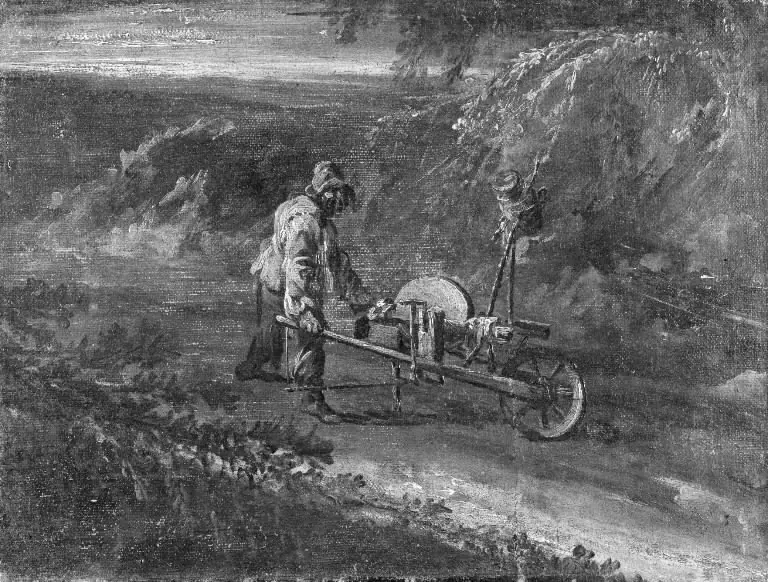
A Knife Grinder
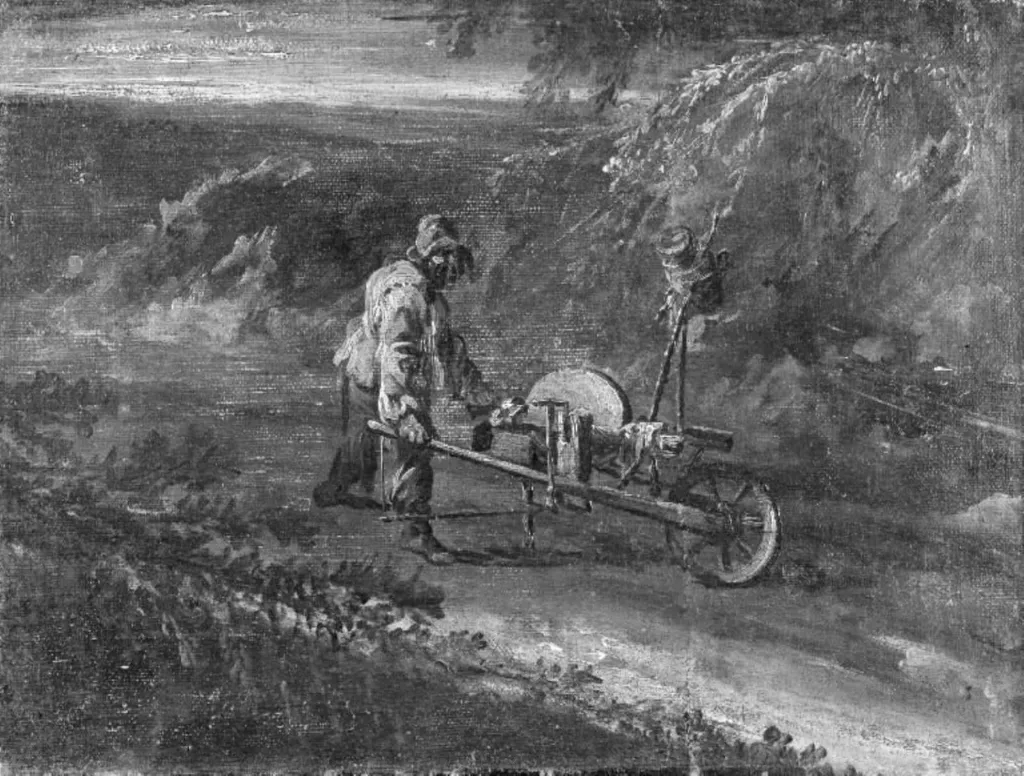
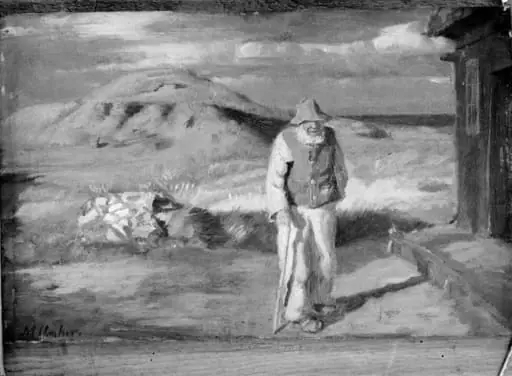
A Knife Grinder is a photography by Unknown. It dates from 1750 and is held in the collection of the Statens Museum for Kunst. This black-and-white photograph, dated around 1750, captures a laborer sharpening a knife outdoors.
About this work
Overview
This black-and-white photograph, dated around 1750, captures a laborer sharpening a knife outdoors.
This black-and-white photograph, dated around 1750, captures a laborer sharpening a knife outdoors. The image is attributed to 878_person and is part of the Museum of Ethnography’s collection. Rendered with careful attention to light and texture, it presents a moment of quiet, routine work without theatricality or idealization, reflecting the everyday realities of artisanal labor in the 18th century.
Subject & Meaning
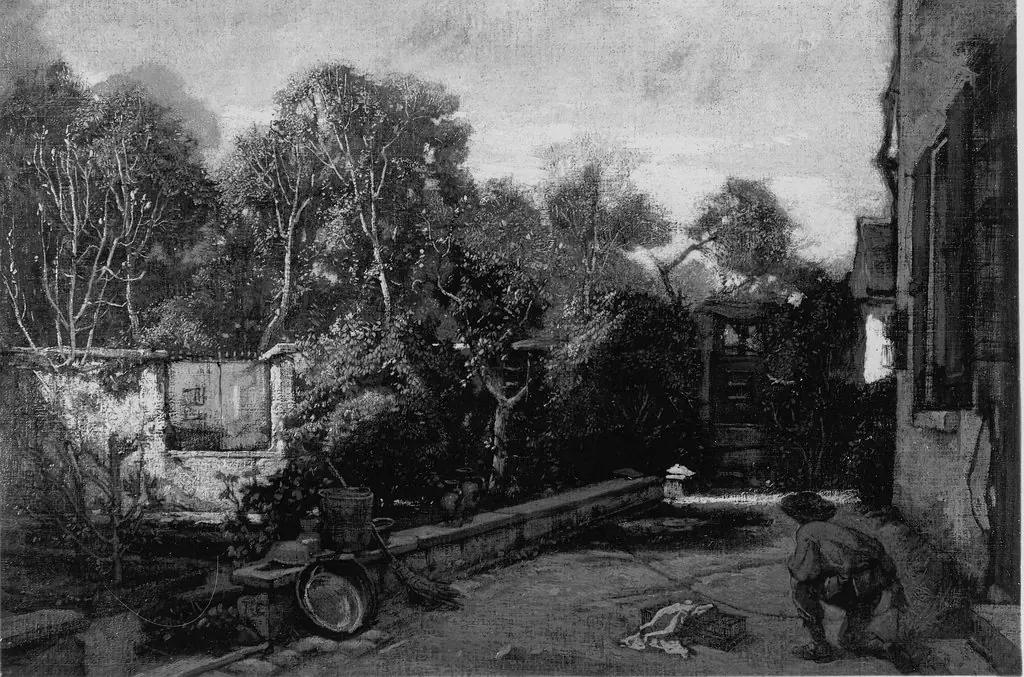
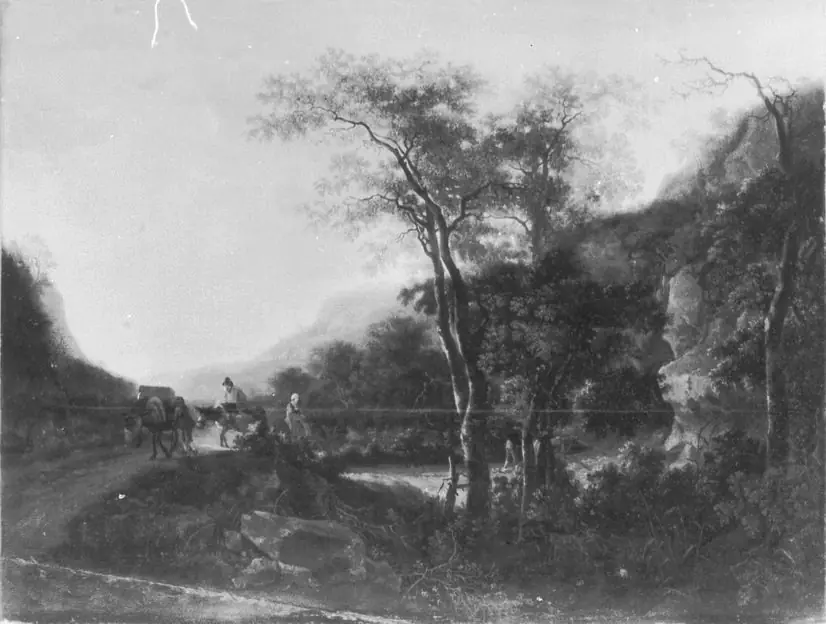
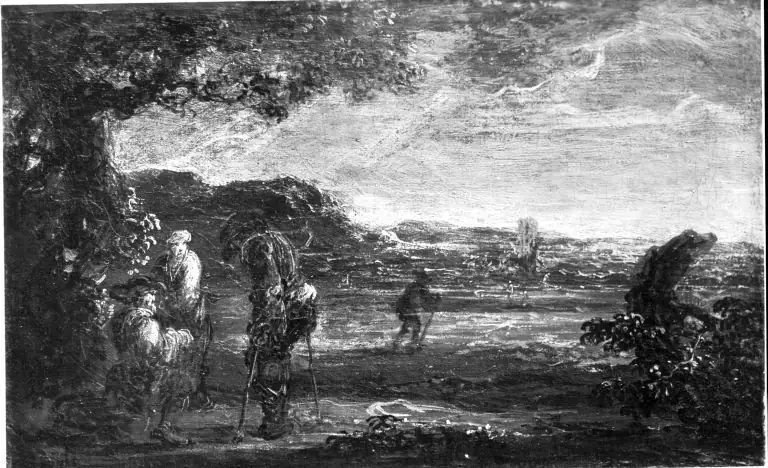
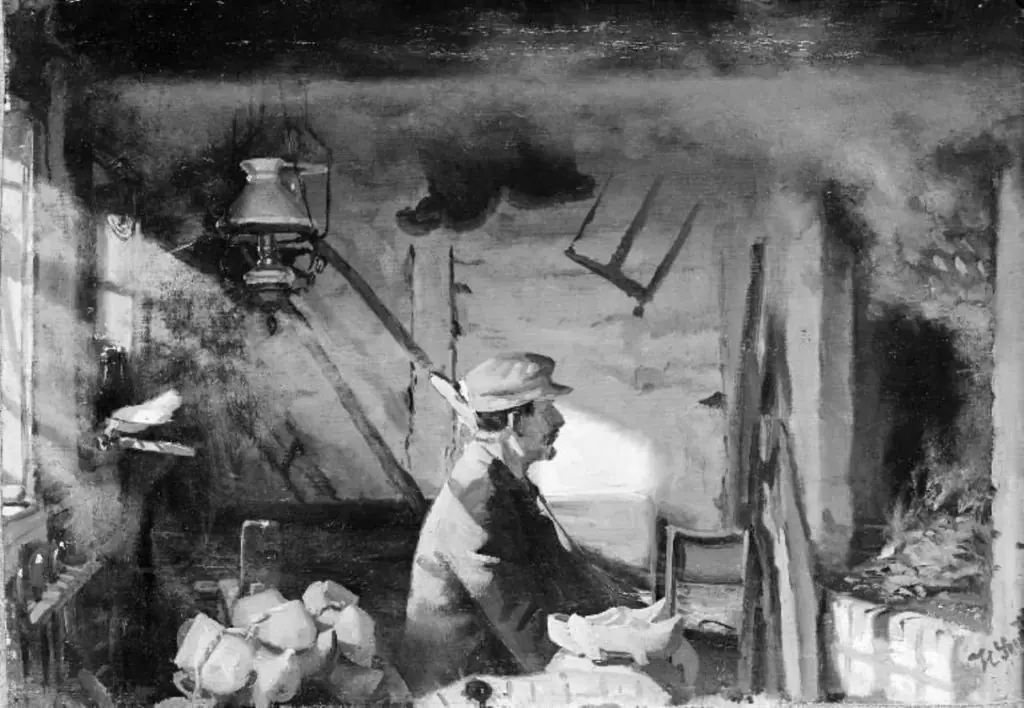
The subject is a solitary knife grinder, absorbed in his task, dressed in a long coat and hat typical of working-class attire of the period. His focused posture suggests a rhythm of daily labor, not performance. The setting—surrounded by trees and underbrush—grounds the scene in an unremarkable natural environment, emphasizing the ordinary dignity of manual work rather than its social status or economic value.
Technique & Style
The image employs a realistic approach with clear attention to detail in fabric folds, tool surfaces, and foliage. Subtle contrasts of light and shadow, consistent with chiaroscuro, define form without dramatic intensity. The composition is unadorned, avoiding staging or symbolic elements, allowing the subject’s action and environment to convey meaning through observation rather than narrative.
History & Provenance
The photograph’s origin is tied to 878_person’s documentation of rural and artisanal life in the mid-18th century. It entered the Museum of Ethnography’s holdings through early ethnographic collecting practices, likely acquired as a record of occupational customs. Its preservation reflects a growing interest in visual documentation of labor during a period of social and industrial transition.
Context
In the mid-1700s, skilled artisans like knife grinders were common in both urban and rural settings, operating independently before industrialization altered such trades. This image aligns with emerging visual records that sought to capture working lives with accuracy, offering a counterpoint to idealized depictions of labor in fine art. The natural backdrop suggests a setting outside formal market spaces, perhaps a roadside or woodland edge.
Legacy
The photograph endures as a quiet testament to pre-industrial craftsmanship. It contributes to historical studies of labor, material culture, and visual anthropology, offering insight into how ordinary work was observed and preserved. Though not widely exhibited, it remains a reference point for understanding the visual representation of everyday labor in the 18th century.
Artist & collection

 Domestic Scene
 Giacomo and Cardinal Marco, investing Andrea, Abbot of San Zeno, with his Benefice
 The Nymph of Fontainebleau
 Portrait of a Woman
 Madonna and Child with Saints in the Enclosed Garden
 Venus and Minerva
 Family Group of Four on Sofa
 Wall painting from Room H of the Villa of P. Fannius Synistor at Boscoreale