Artwork
Sanger's Circus
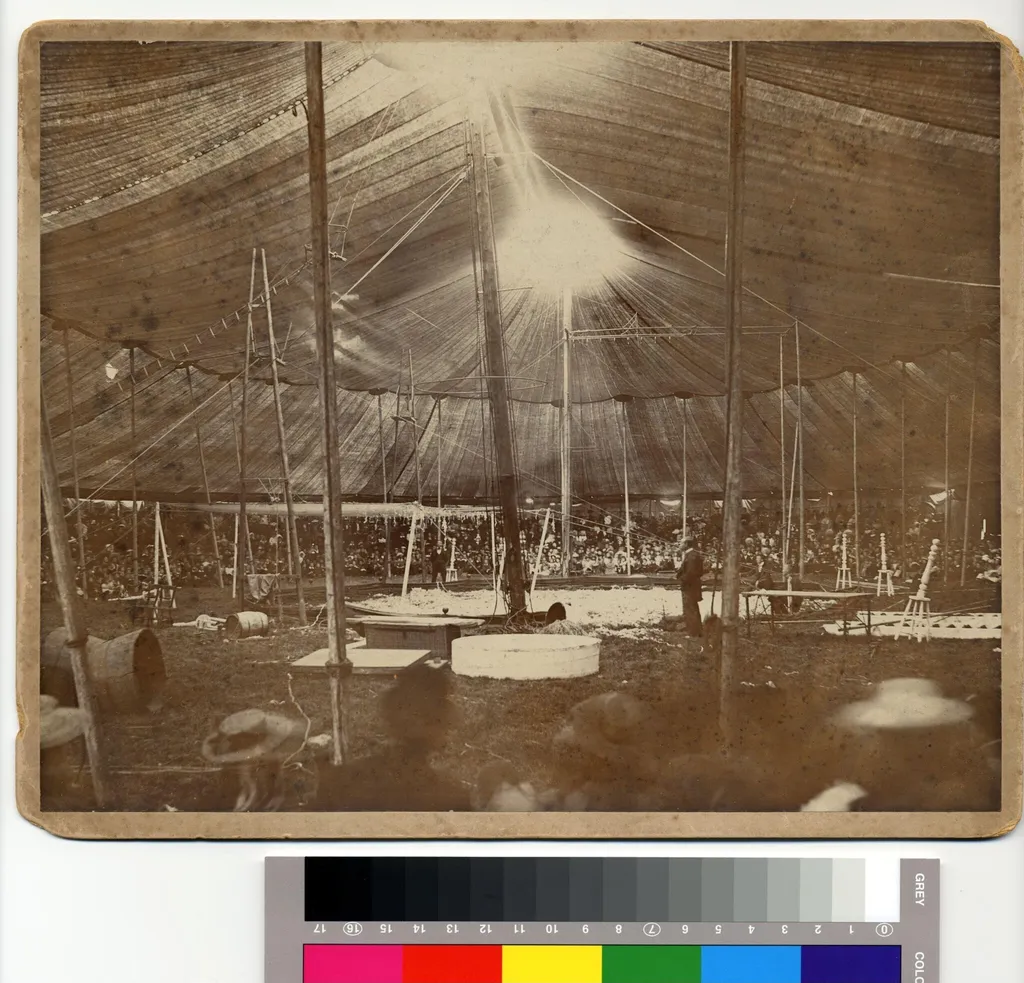
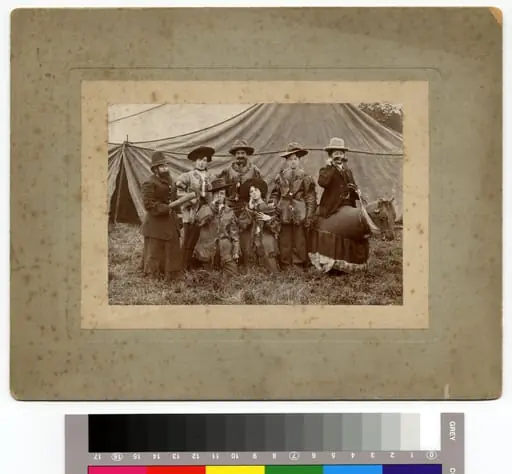
Sanger's Circus is a photographic photography by A. M. Bliss & Co.. It dates from 1850 and is held in the collection of the Victoria and Albert Museum. A black-and-white photograph taken by A.
About this work
Overview
The photograph serves as a documentary record of popular entertainment architecture before the rise of permanent venues.
A black-and-white photograph taken by A. M. Bliss & Co. captures the interior of Sanger’s Circus tent during the late 19th century. The image reveals a vast, dimly lit space lined with tiered seating, suggesting an audience capacity in the hundreds. The tent’s wooden framework and stretched canvas walls are visible, typical of traveling circuses of the era. The photograph serves as a documentary record of popular entertainment architecture before the rise of permanent venues.
Subject & Meaning
The photograph documents the immersive environment of a traveling circus, where spectacle and communal experience converged. The arrangement of benches and central performance area reflects a carefully designed spatial hierarchy, directing attention toward the stage. It conveys the scale and ambition of 19th-century circuses, which brought wonder to towns across Britain and beyond, transforming temporary structures into sites of collective awe.
Technique & Style
Shot with the slow emulsions of the period, the image exhibits high contrast and soft tonal gradations, typical of late 19th-century photographic processes. The composition is straightforward, emphasizing spatial depth and structural detail without theatrical staging. The lack of human figures heightens the sense of anticipation, as if the scene is paused just before the performance begins.
History & Provenance
The photograph was produced by A. M. Bliss & Co., a known commercial photography firm active in Britain during the 1880s and 1890s. It was likely commissioned to document the circus’s operations or as part of a broader effort to record popular amusements. The image is now held in the collection of the Victoria and Albert Museum, where it contributes to the archive of British visual culture from the industrial era.
Context
During the late 1800s, traveling circuses like Sanger’s were among the most popular forms of public entertainment, especially in rural and provincial areas. These shows combined acrobatics, animal acts, and clowning, often touring for months. The tent itself was a marvel of engineering—portable yet capable of accommodating large crowds—symbolizing the mobility and accessibility of mass culture before cinema and radio.
Legacy
This photograph preserves a transient form of entertainment that shaped public leisure in the pre-modern era. As permanent theaters and later media displaced traveling circuses, such images became vital records of a vanished cultural landscape. The image continues to inform historical studies of spectacle, architecture, and the social dynamics of entertainment in Victorian Britain.
Artist & collection
Artist
A late 19th-century photography studio in America, A. M. Bliss & Co. left behind crisp albumen prints that document everyday life. Their Sanger’s Circus captures trapeze artists and crowds under striped tents, frozen in…

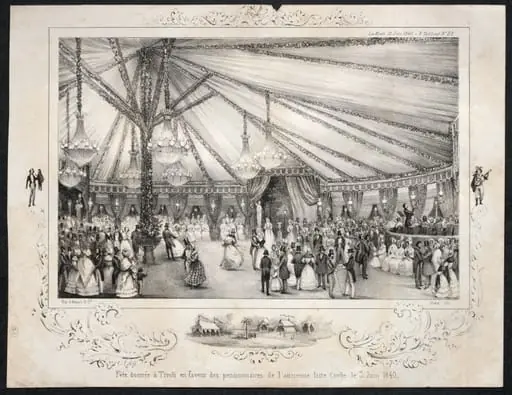 Fête donnée à Tivoli en faveur des pensionnaires de l'ancienne liste civile le 3 Juin 1840
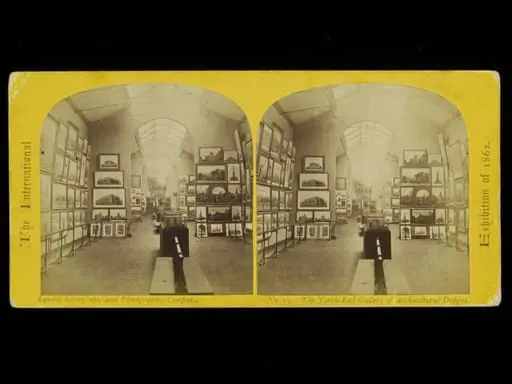 The International Exhibition of 1862: No. 39 - The North-East Gallery of Architectural Designs
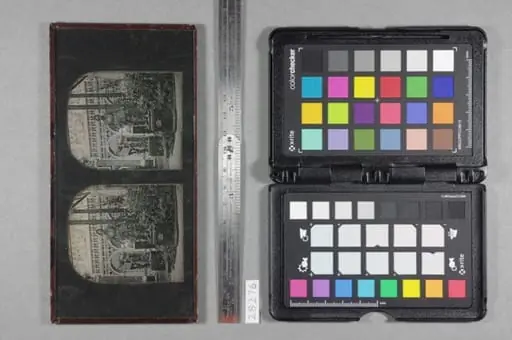 Sculptures at Crystal Palace including a 'Figure from the Tomb of Maximilian at Innsbruck'
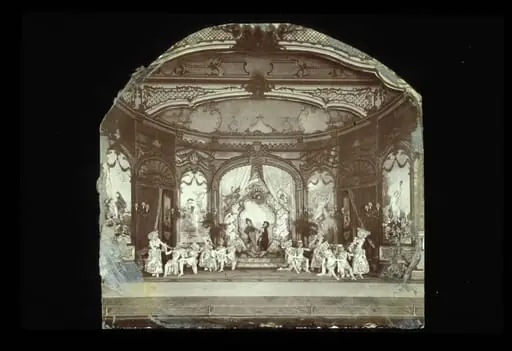 All the Year Round
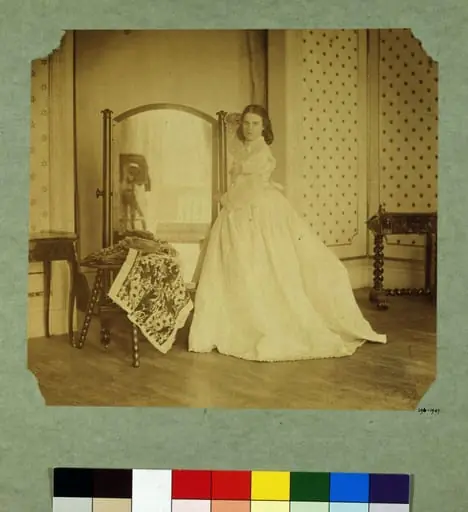 Clementina Maude, 5 Princes Gardens
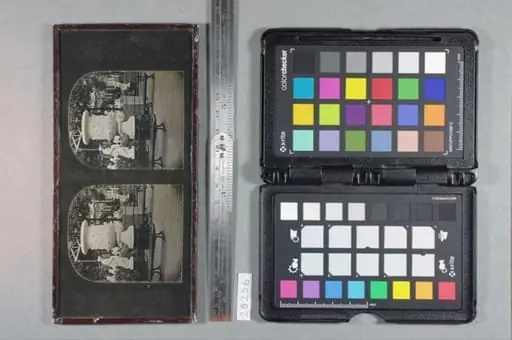 Sculptures at Crystal Palace
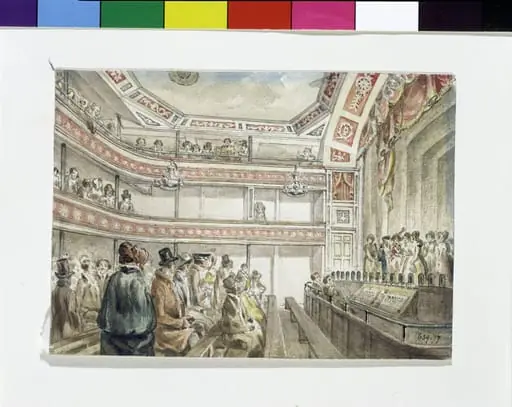 Interior of London Bridge Theatre
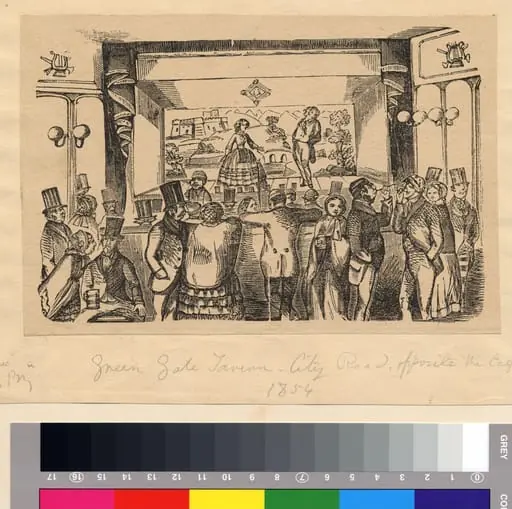 Green Gate Tavern, City Road
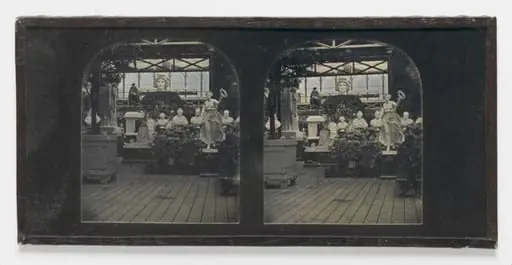 Sculpture Court at Crystal Palace including statue of 'Victory'
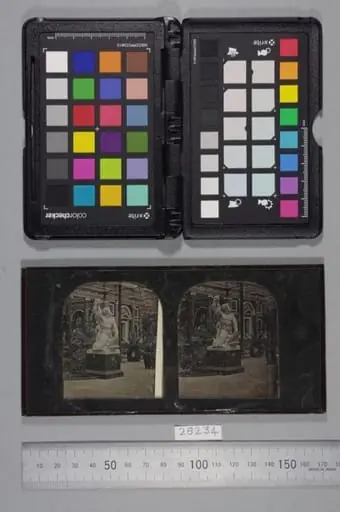 'Triton' by Giovanni Angelo Montorsoli at Crystal Palace
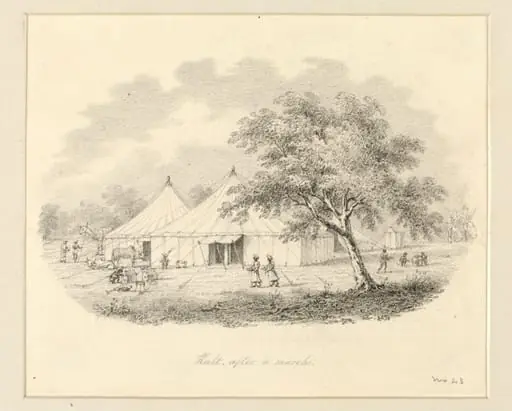 Halt after a March
 Sanger's Circus