Artwork
Agra. View of the Taj from a Corner in the Quadrangle
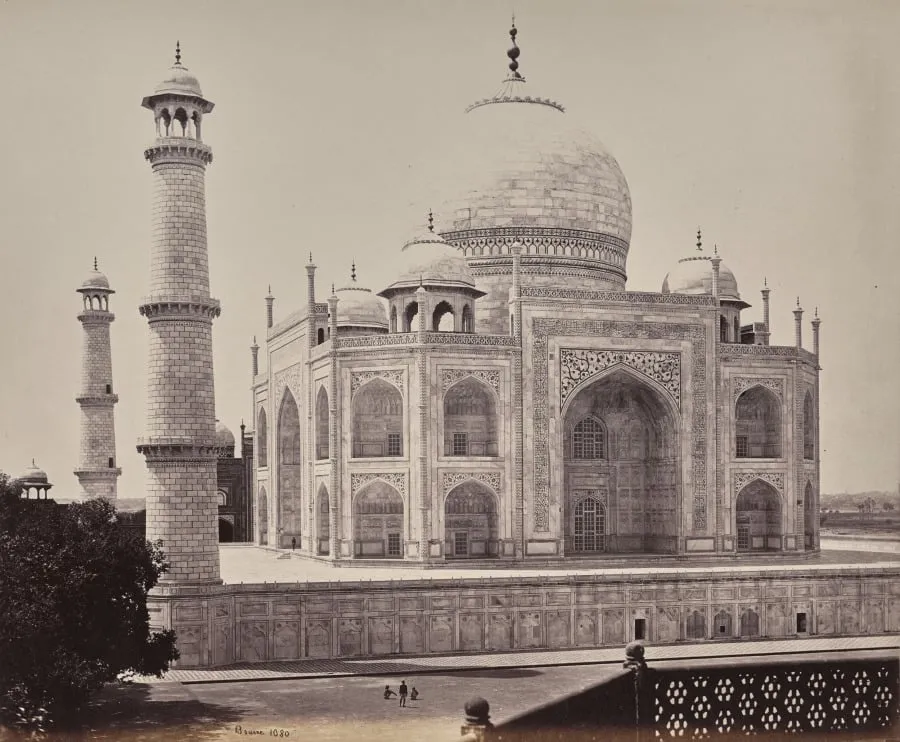
Agra. View of the Taj from a Corner in the Quadrangle is a photography by the Impressionist artist Samuel Bourne. It dates from 1866 and is held in the collection of the Cleveland Museum of Art. This photograph is one of fifty taken in the 1860s as part of a systematic visual survey of South Asian architecture.
About this work
Overview
The album as a whole documents sites from the Himalayan foothills to major urban centers, serving as an early photographic archive of colonial-era India.
This photograph is one of fifty taken in the 1860s as part of a systematic visual survey of South Asian architecture. Captured in Agra, it presents the Taj Mahal from within the quadrangle surrounding the mausoleum, offering a grounded, intimate perspective rather than a distant monument view. The album as a whole documents sites from the Himalayan foothills to major urban centers, serving as an early photographic archive of colonial-era India.
Subject & Meaning
The image focuses on the Taj Mahal’s western facade as seen from an angular vantage point within its enclosing courtyard. The composition emphasizes the structure’s symmetry and scale relative to its surroundings, including garden pathways and low walls. Rather than idealizing the monument, the photograph treats it as a physical presence within a lived landscape, reflecting a documentary intent over romanticized representation.
Technique & Style
The photograph employs wet-plate collodion process, typical of the period, resulting in sharp tonal contrasts and fine detail in stone surfaces. The static camera position and long exposure time capture architectural elements with clarity but render figures and moving elements as absent or blurred. The framing is deliberate, avoiding dramatic angles to prioritize structural accuracy and spatial relationships.
History & Provenance
The photograph originates from a mid-19th-century photographic project commissioned to record India’s architectural heritage before extensive restoration efforts altered its appearance. Likely produced by a British or Indian studio active in Agra during the 1860s, the album was later dispersed among collectors and institutions. The Cleveland Museum of Art holds one of the known surviving sets.
Context
In the 1860s, British colonial administrators and antiquarians increasingly viewed India’s Mughal monuments as historical artifacts worthy of preservation. This photograph emerged amid growing interest in documenting decay and change, particularly as local maintenance practices declined and European restoration ideas gained influence. The image thus captures a transitional moment in the monument’s material history.
Legacy
These photographs remain critical references for architectural historians studying the Taj Mahal’s original condition. Unlike later postcards or tourist images, they lack embellishment and preserve details later obscured by cleaning, reconstruction, or landscaping. Their value lies in their neutrality, offering a baseline for understanding the evolution of the site’s physical form over time.
Artist & collection

Artist
Samuel Bourne was a British photographer known for his prolific seven years' work in India, from 1863 to 1870.

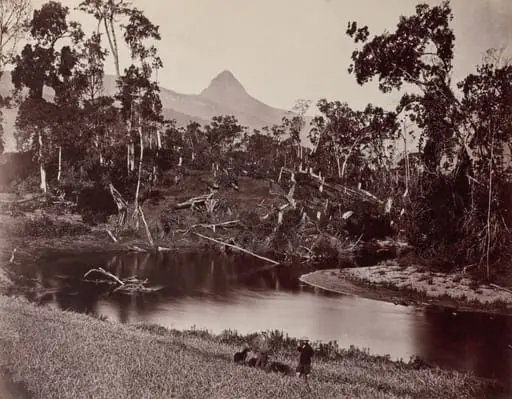 Ceylon Views to Adam's Tooth
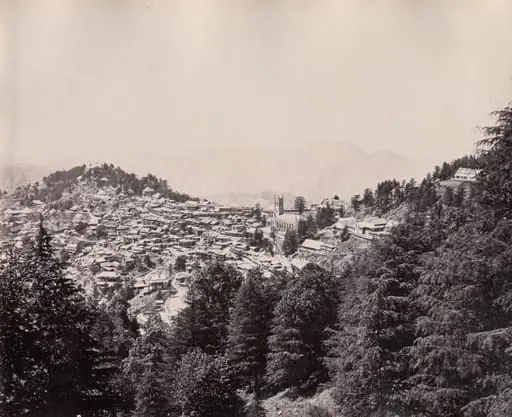 Shimla
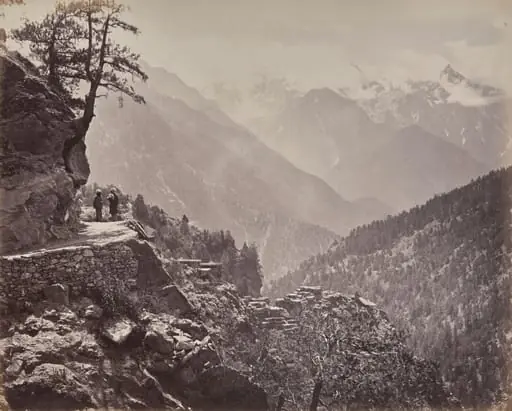 The Upper Himmalayahs. View on the New Road between India and China. Mt. Pangi with the Snowy Peaks of China in the Distance
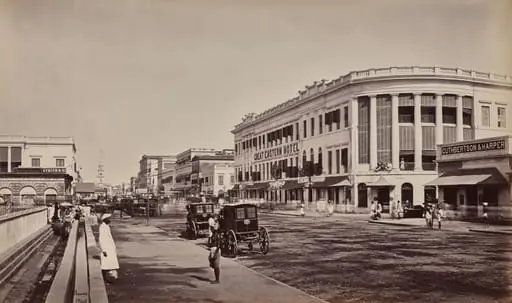 Calcutta. Old Court House Street
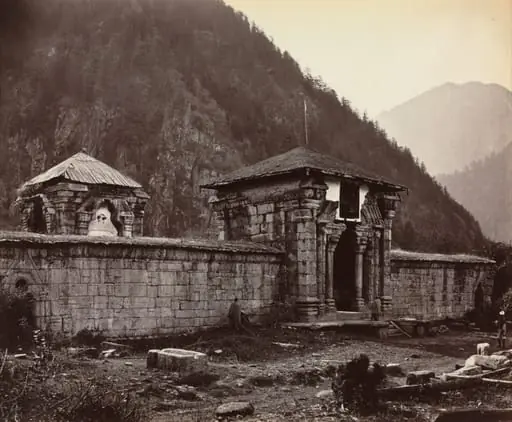 Temple at Naveshera, Kashmir, India
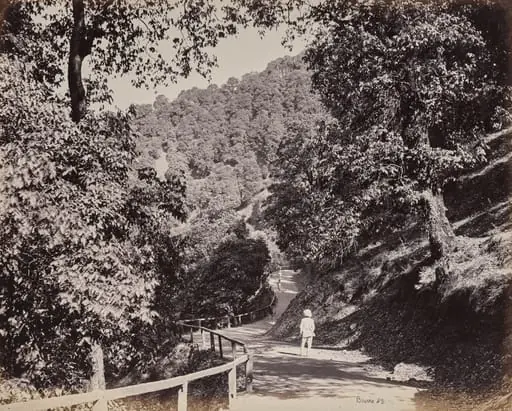 Shimla. The Mall near Rabq Lodge
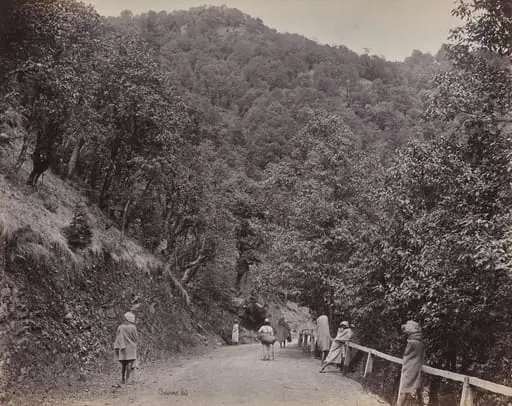 Shimla. The Mall or Principal
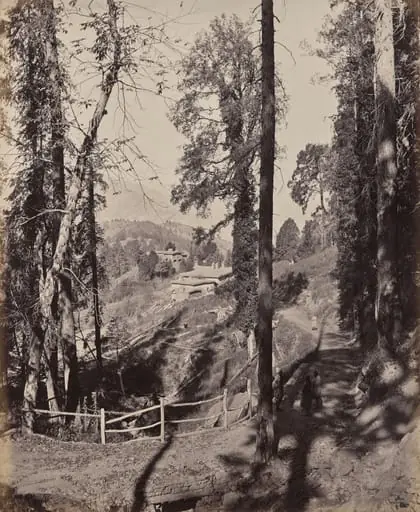 Murree. A Hill Station in the Himmalayahs, View Through the Forest
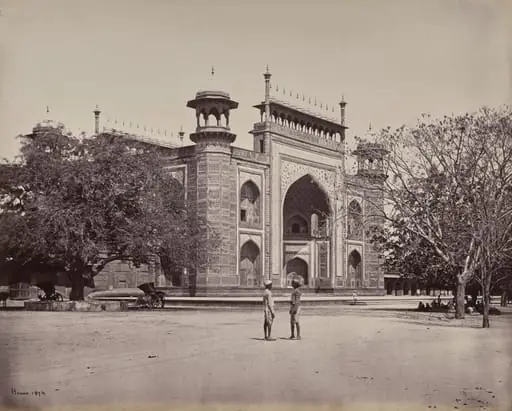 Agra. The Gateway of the Gardens Surrounding the Taj
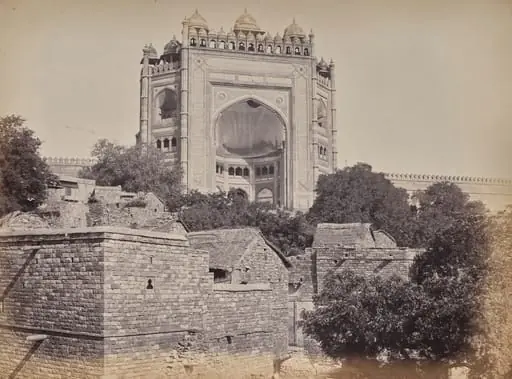 Futheypoor Sikre Guard Gate of the Fort
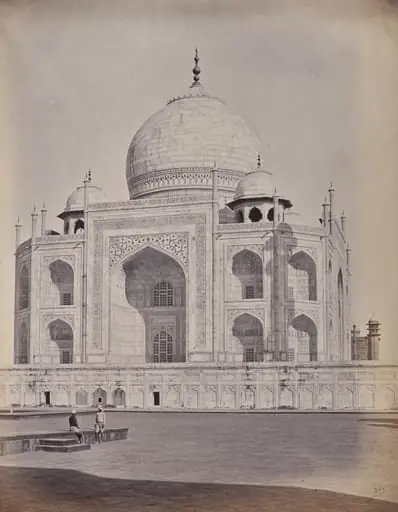 Agra. The Taj, the Central of Principal City
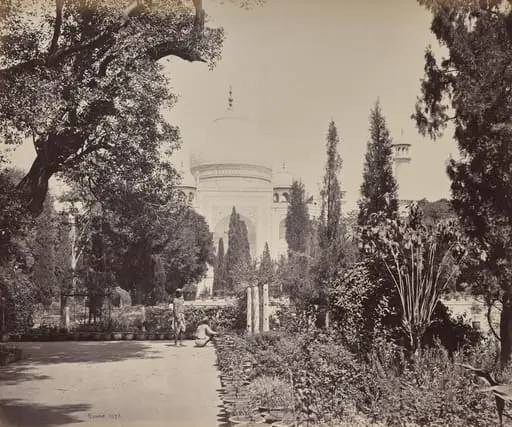 Agra. View of the Taj from the Garden
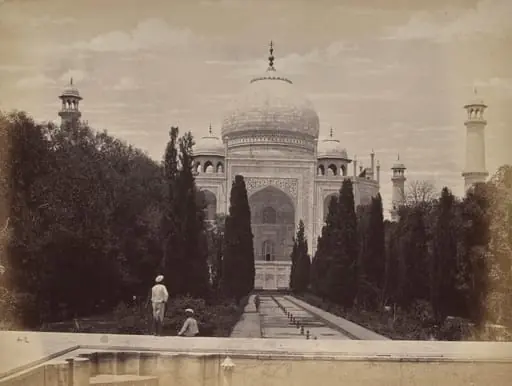 Agra. View of the Taj in Front of Nootkan (The Light of the World), Wife of the Emperor Akbar, View from the River
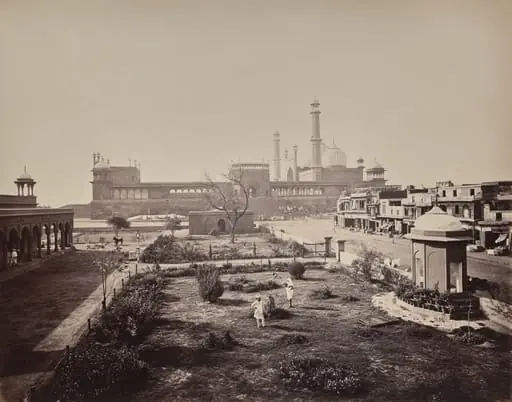 Delhi. View of North Side of the Jamma Musjid in Principal Mabonedau Place of Worship
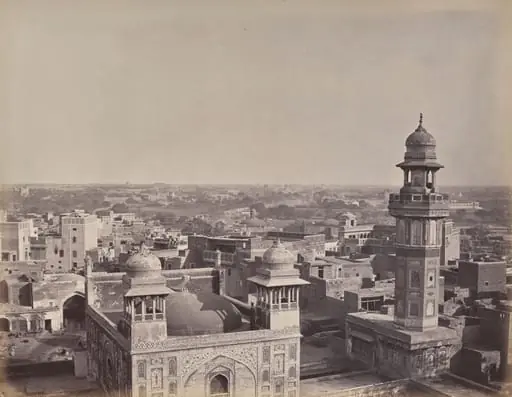 The City of Lahore. Another View Taken from Huzeer Khan's House
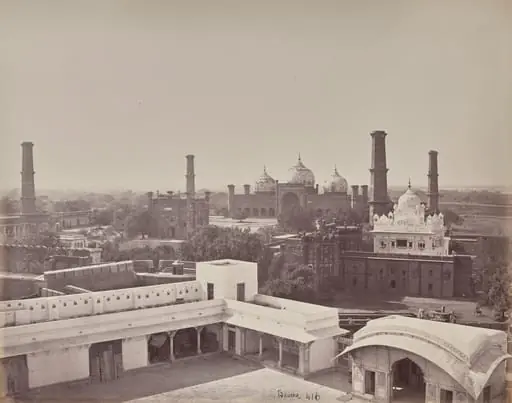 View of the City of Lahore Taken from the Roof of the Palace in the Fort
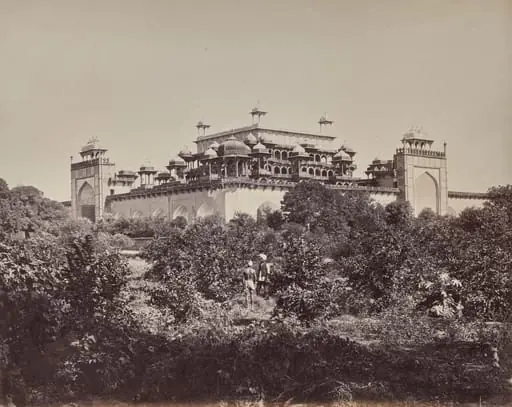 Secundra Near Agra. The Mausoleum of the Emperor Akbar
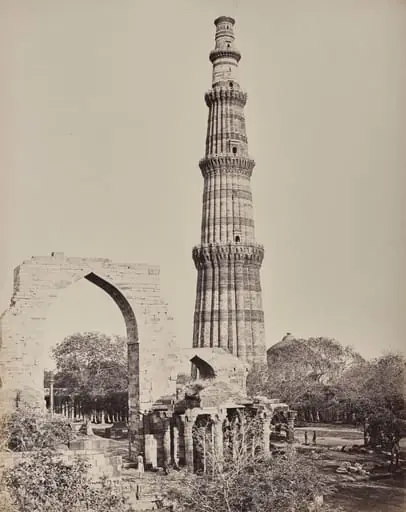 Delhi. The Kootub Minar or Tower in the Ruined City of Old Delhi