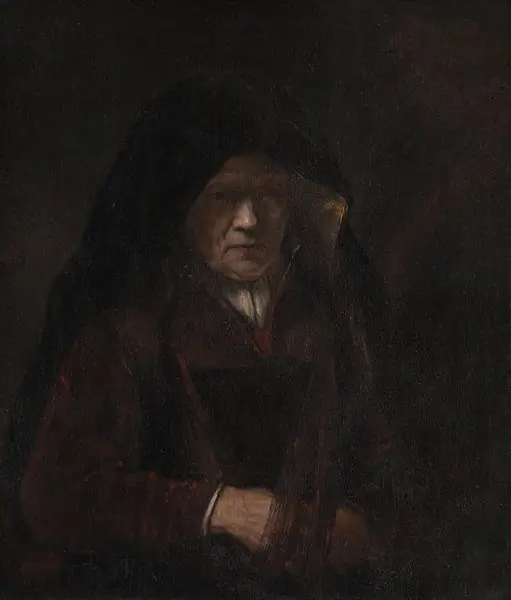
Artwork
Old woman with a book
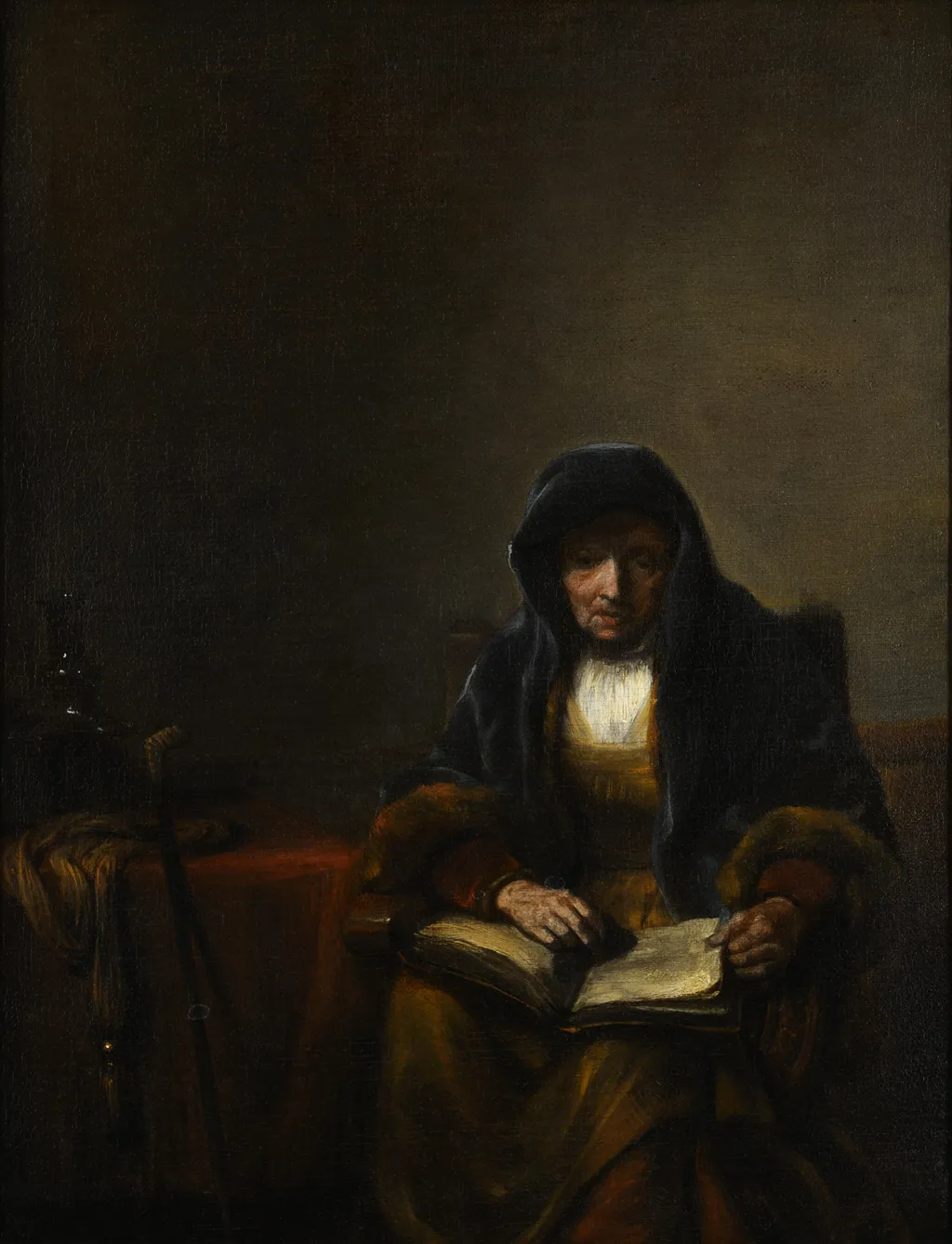
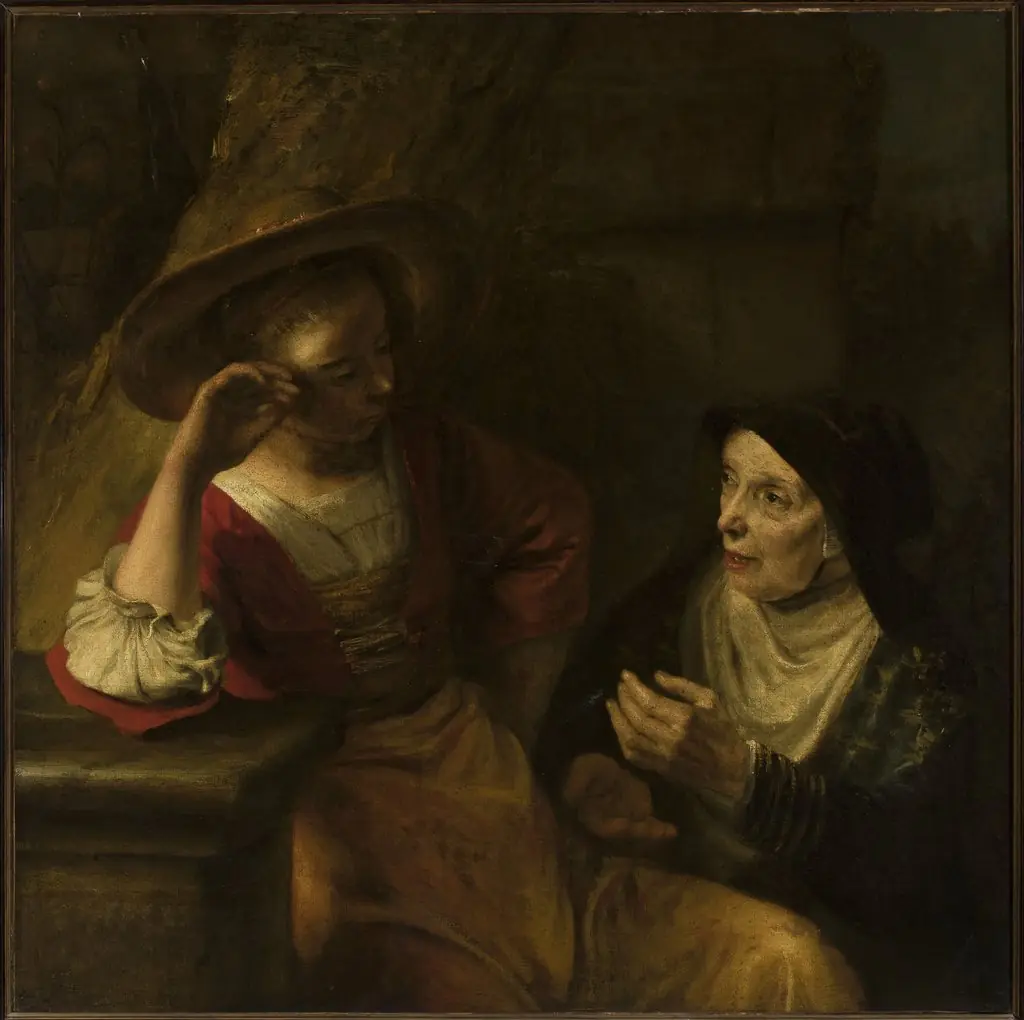
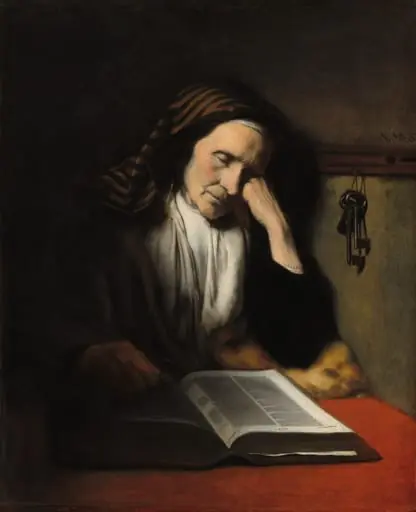
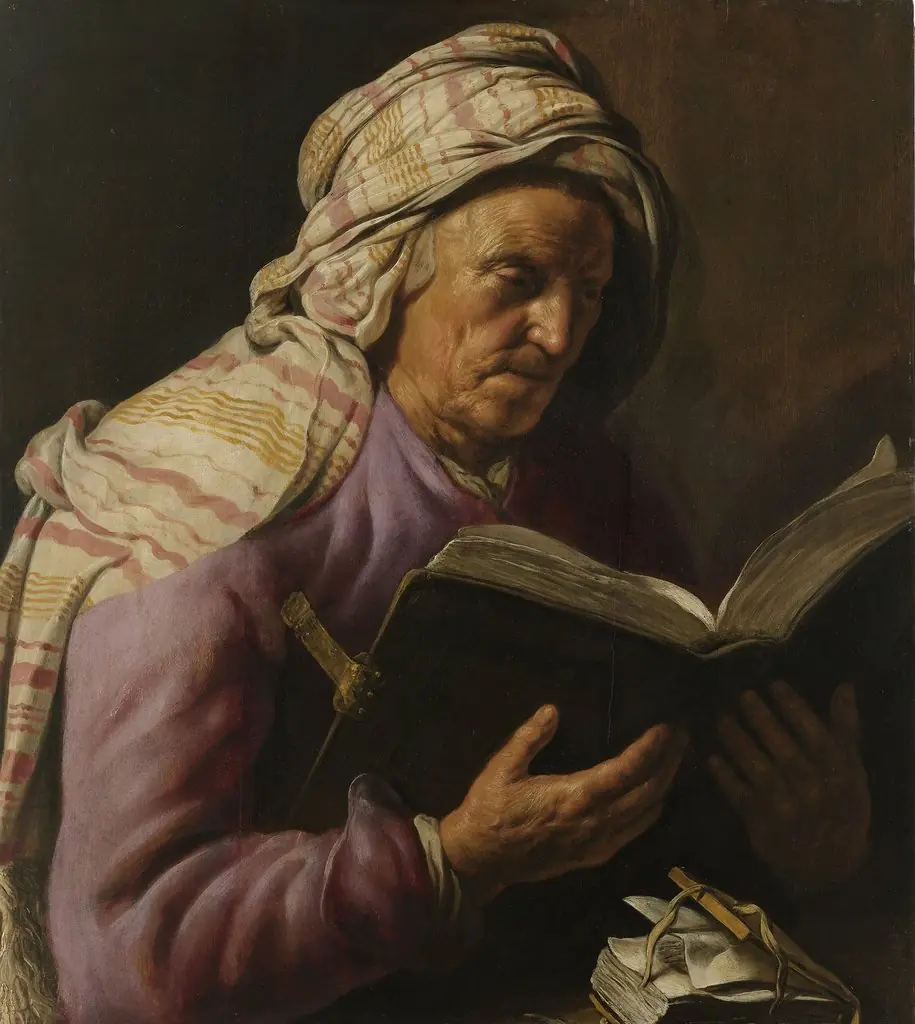
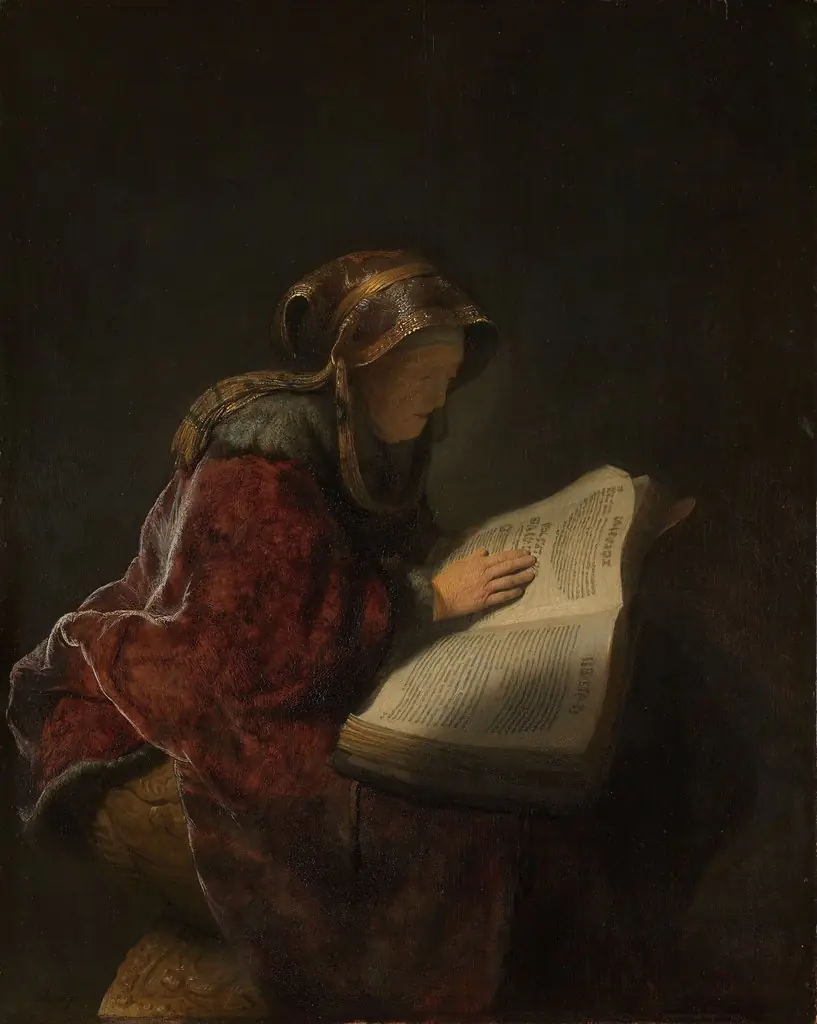
Old woman with a book is an oil painting by Abraham van Dijck. It dates from 1659 and is held in the collection of the Rijksmuseum.
About this work
Overview
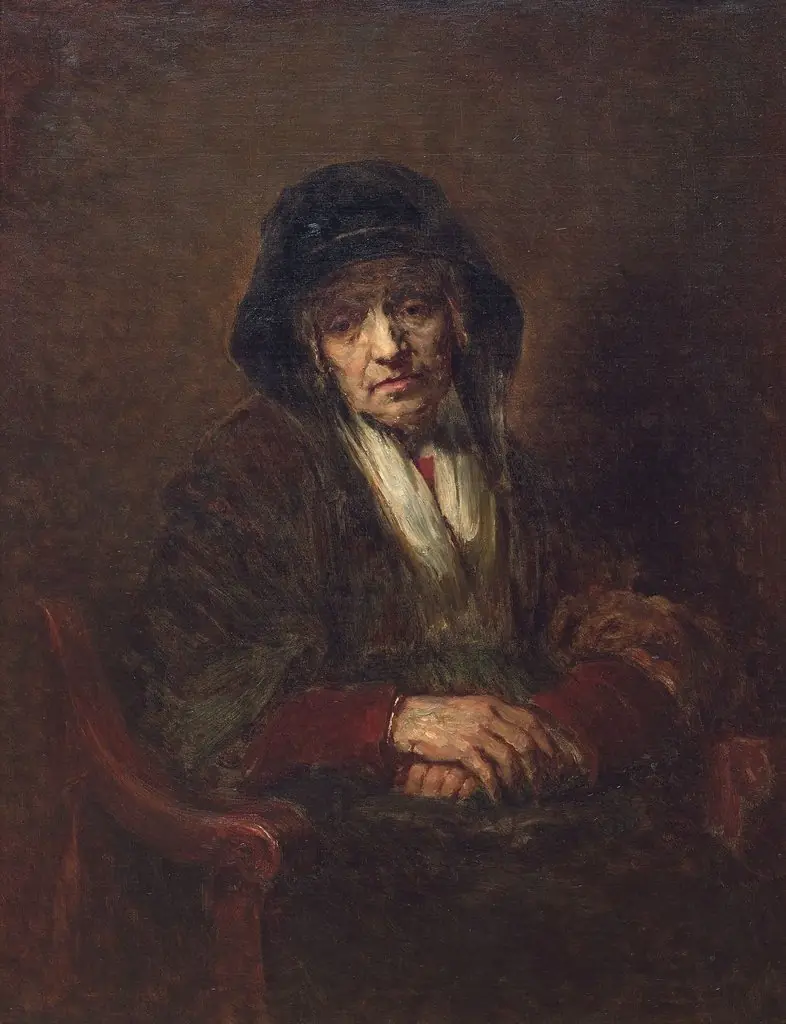
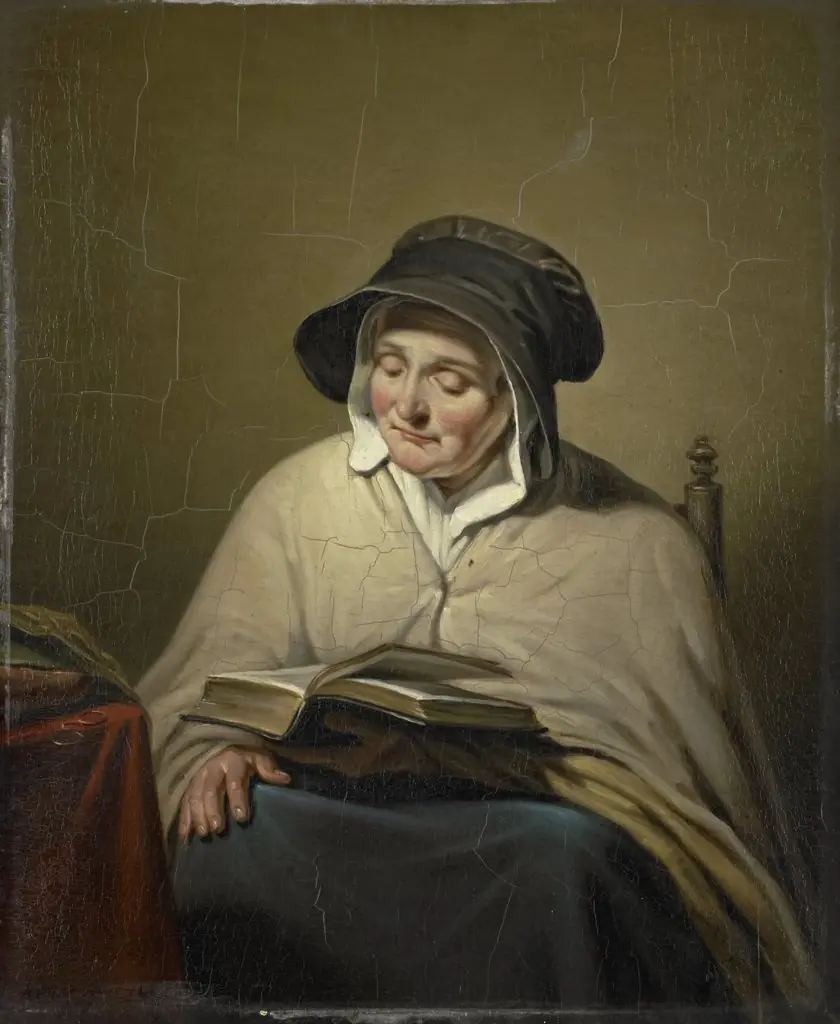
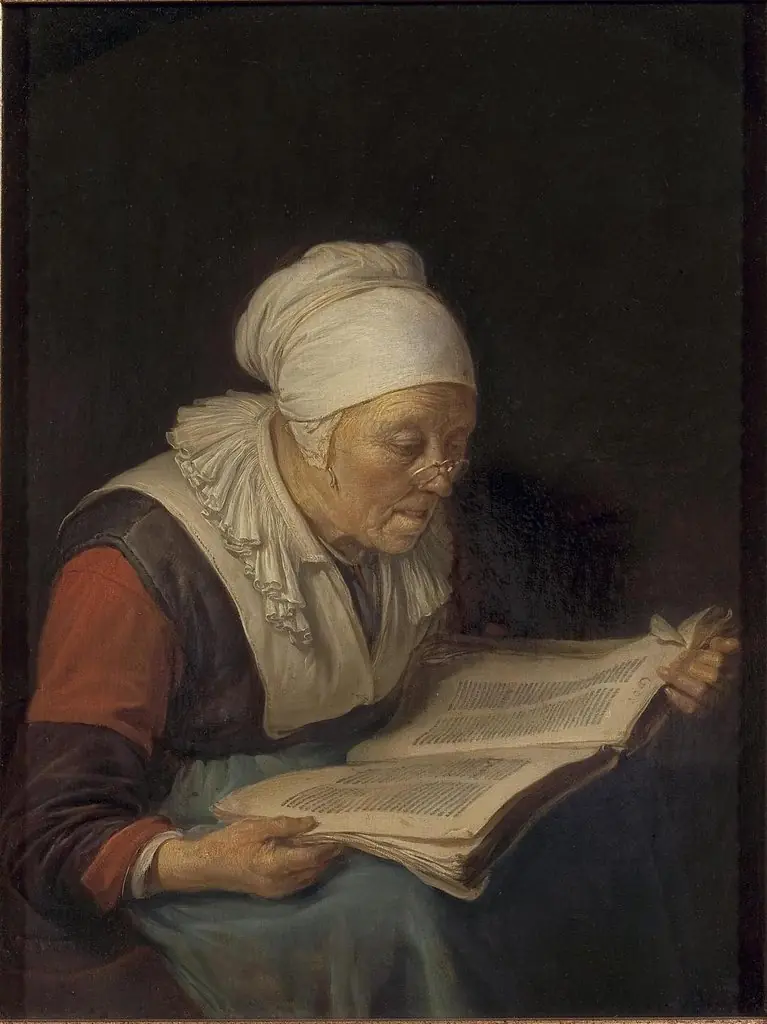
Abraham van Dijck’s 1659 oil painting titled *Old Woman with a Book* depicts a solitary elderly figure seated in a modest interior. The work is part of the Rijksmuseum’s collection and presents a quiet, contemplative moment captured through restrained composition and muted tones.
Subject & Meaning
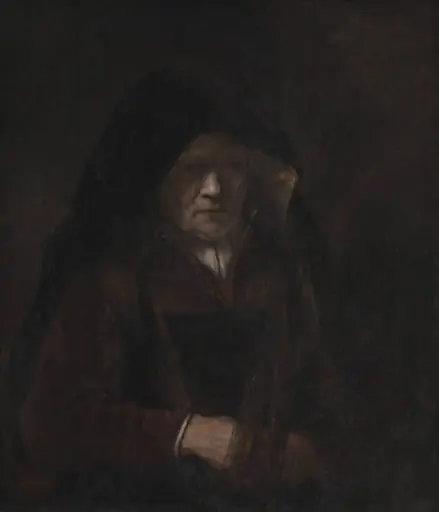
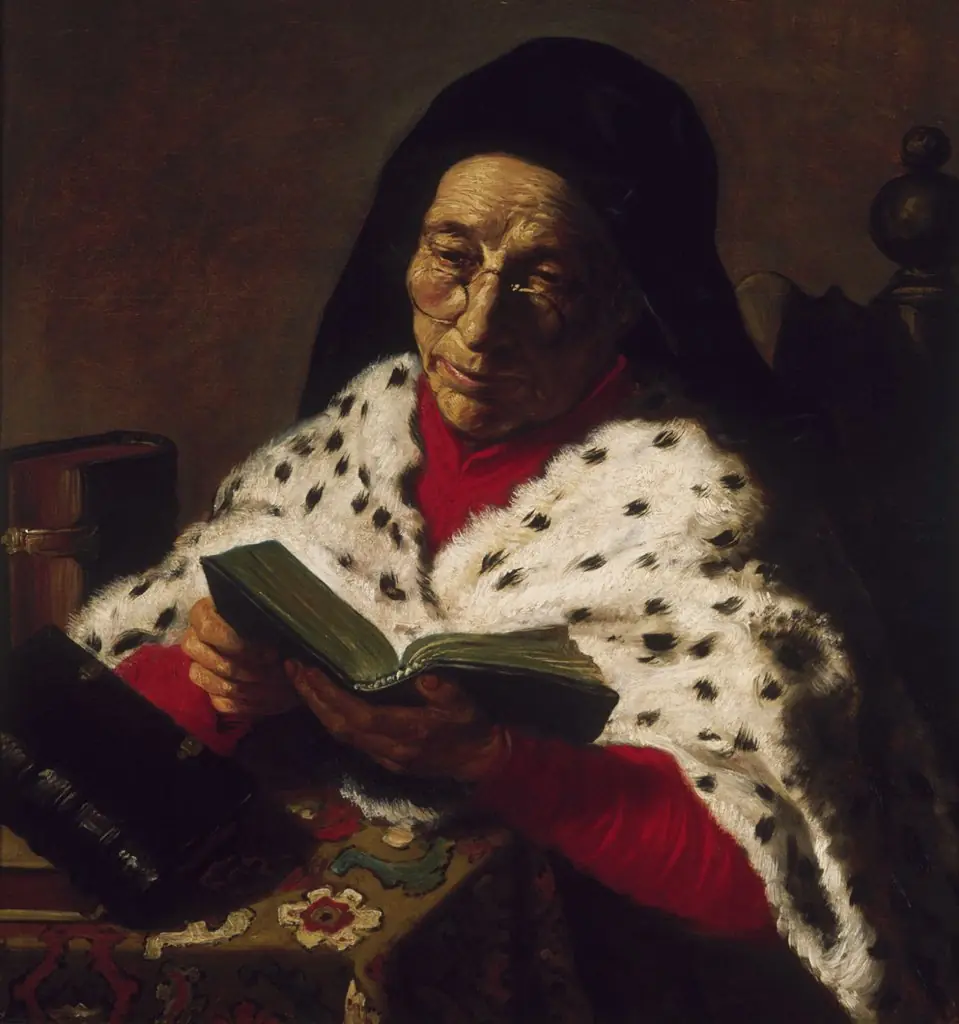
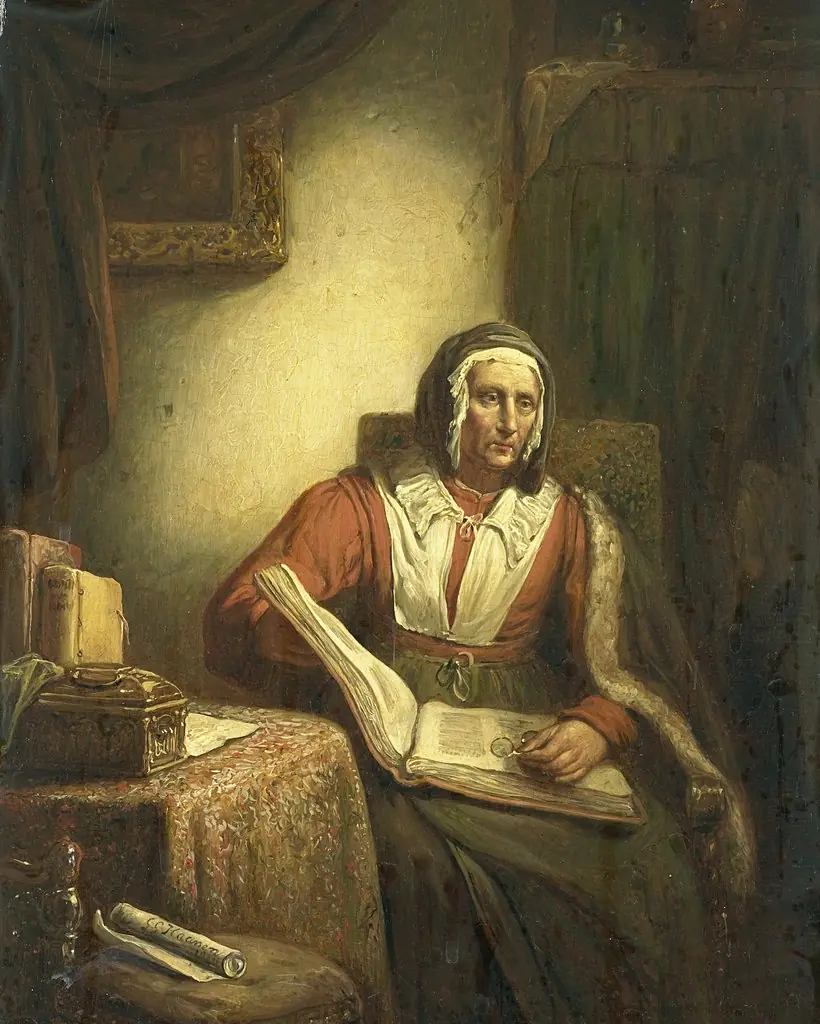
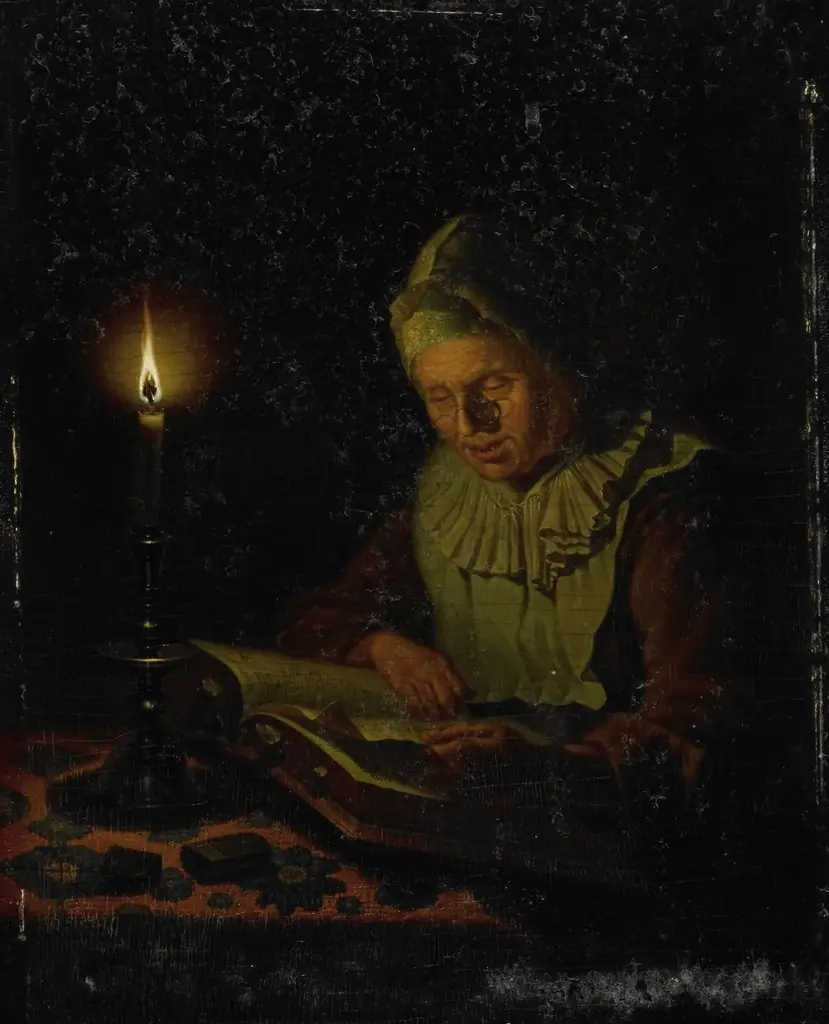
The central figure is an aged woman dressed in a dark, hooded cloak over a light‑collared shirt. She rests her hands on an open book placed on her lap, suggesting literacy or devotion. The intimate setting and her focused gaze invite reflection on the passage of time and the value of knowledge in everyday life.
Technique & Style
Van Dijck employs a pronounced chiaroscuro effect, allowing a narrow beam of light from a small window to illuminate the woman’s face and the book’s pages while the surrounding space recedes into shadow. This contrast of light and dark creates a focal point and emphasizes texture in the fabric and the paper.
History & Provenance
Executed in 1659, the painting entered the Rijksmuseum’s holdings in the early twentieth century, though precise acquisition details remain limited. Its provenance reflects the museum’s broader effort to assemble representative works of Dutch Golden Age genre painting.
Context
The work aligns with mid‑seventeenth‑century Dutch genre scenes that foreground ordinary subjects illuminated by dramatic lighting. Van Dijck, a contemporary of Rembrandt, often explored similar themes, using intimate domestic settings to convey moral or contemplative narratives without overt symbolism.
Own this work as a print
Artist & collection