Artwork
Saskia van Uylenburgh, Wife of the Painter Rembrandt
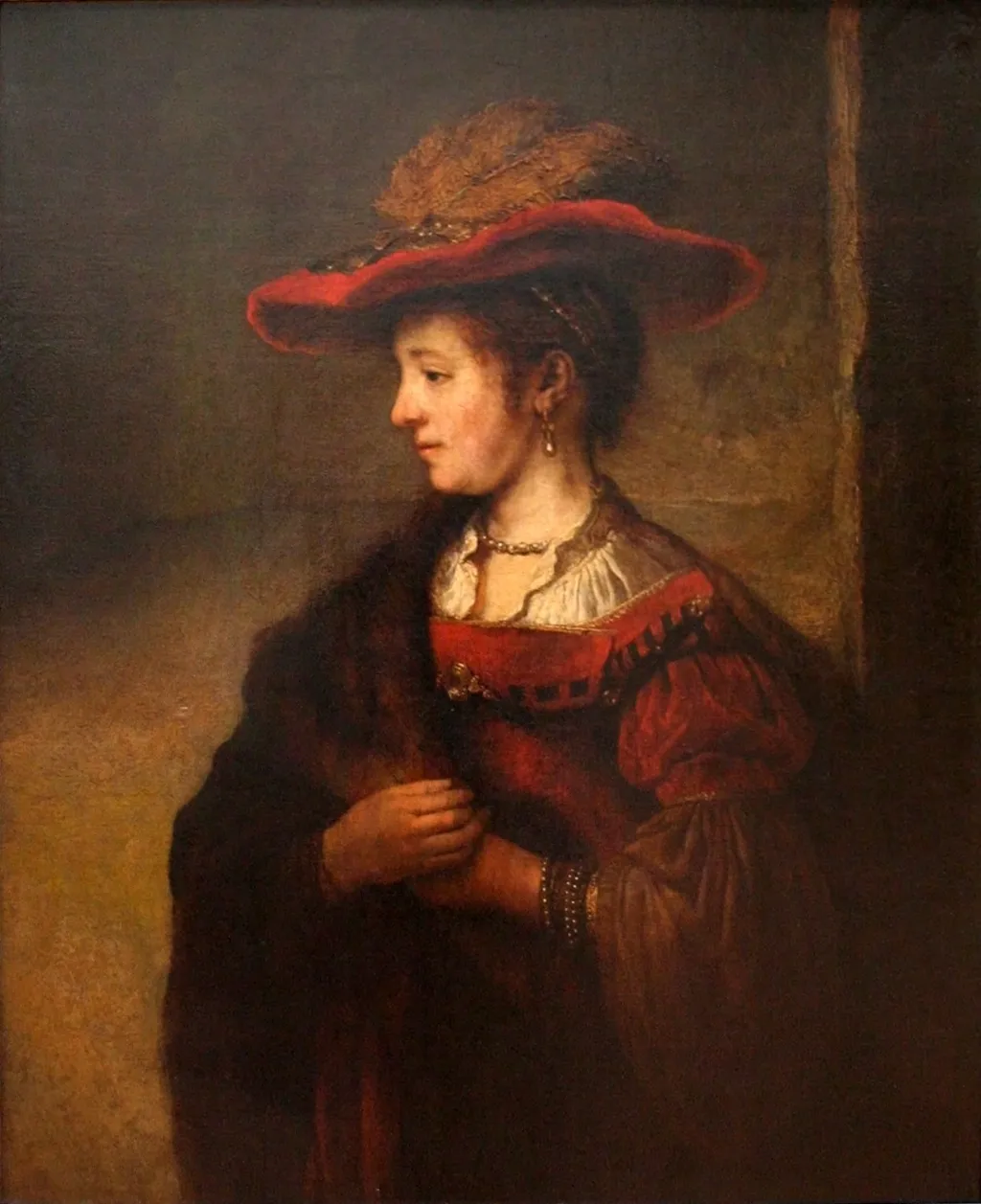
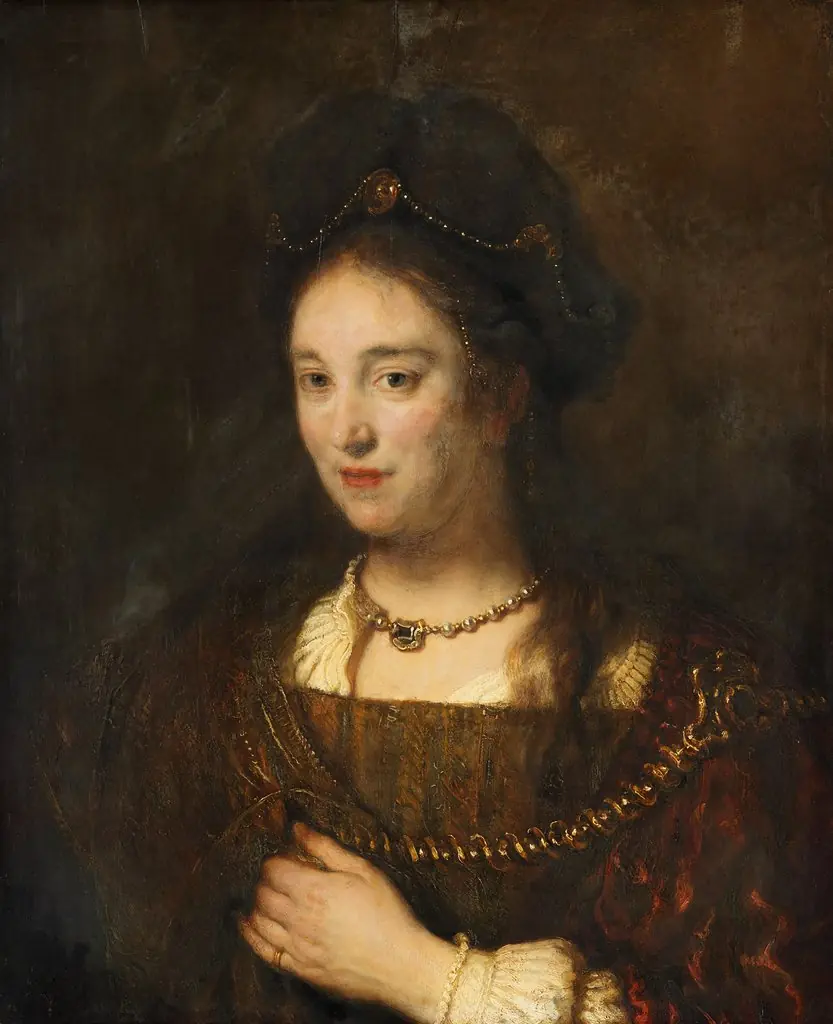
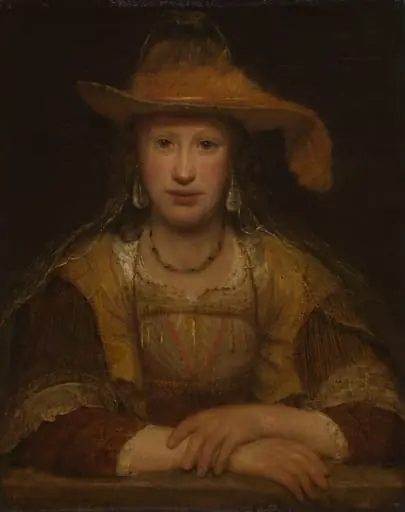
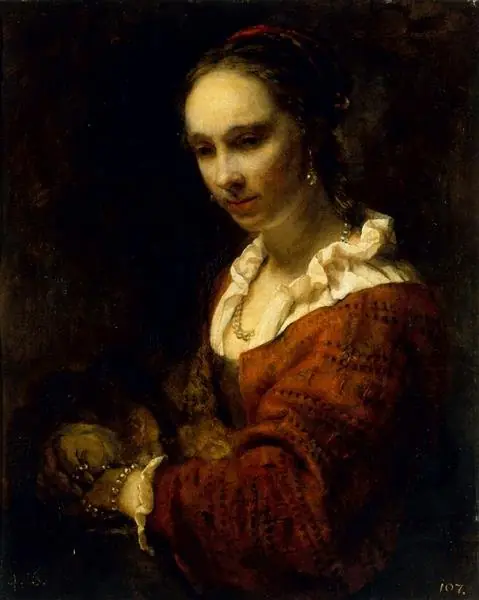
Saskia van Uylenburgh, Wife of the Painter Rembrandt is an oil painting by the Dutch Golden Age artist Abraham van Dijck. It dates from 1651 and is held in the collection of the Royal Museum of Fine Arts Antwerp.
About this work
Overview
Abraham van Dijck’s 1651 oil portrait presents Saskia van Uylenburgh, the spouse of Rembrandt, in a restrained interior. The work is part of the collection of the Royal Museum of Fine Arts in Antwerp and exemplifies mid‑17th‑century Dutch portraiture.
Subject & Meaning
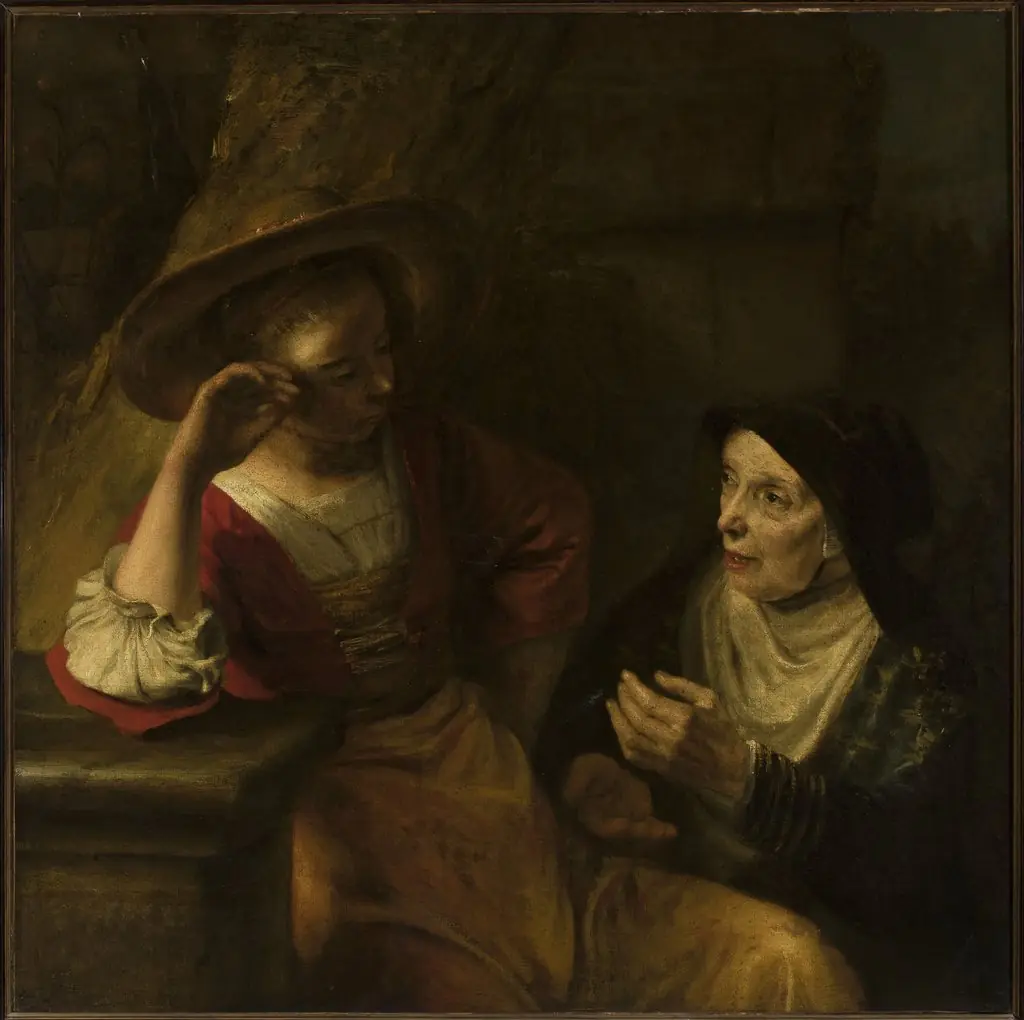
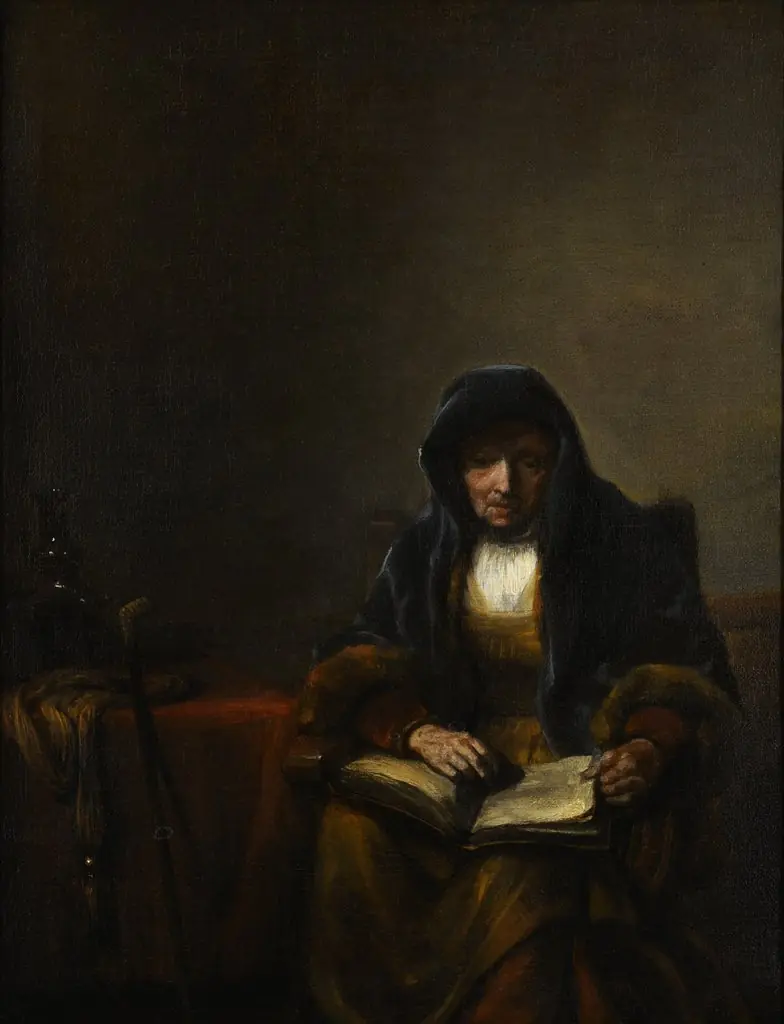
The sitter is shown in a contemplative pose, hands gently clasped before her. Her attire—a wide‑brimmed red hat adorned with feathers, a black cloak, and a white ruffled collar over a red bodice—signals both personal status and the fashion of the period, while the subdued expression suggests a dignified, private presence.
Technique & Style
Van Dijck employs a pronounced chiaroscuro, allowing light to illuminate half of the face while the remainder recedes into shadow. This dramatic contrast directs focus to the sitter’s features and creates a sense of depth against the dark, unadorned background.
History & Provenance
Created in 1651, the portrait has remained in the public domain, eventually entering the Royal Museum of Fine Arts Antwerp’s holdings. Its provenance reflects the typical trajectory of Dutch portraits moving from private collections to institutional care.
Context
The painting belongs to a period when Dutch artists frequently rendered intimate, domestic scenes, often highlighting the interplay of light and texture. Van Dijck, a contemporary of Rembrandt, adopted similar lighting techniques while maintaining his own compositional clarity.
Artist & collection