Artwork
The holy family
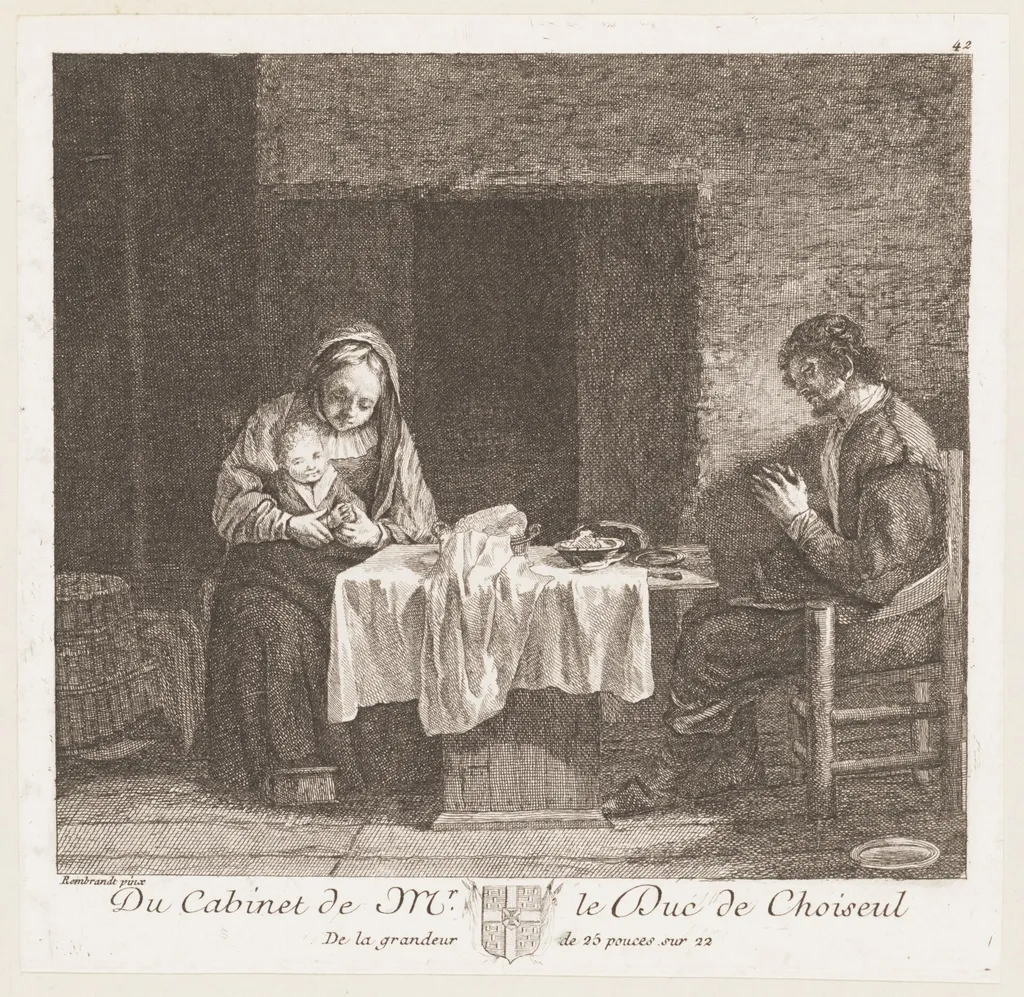
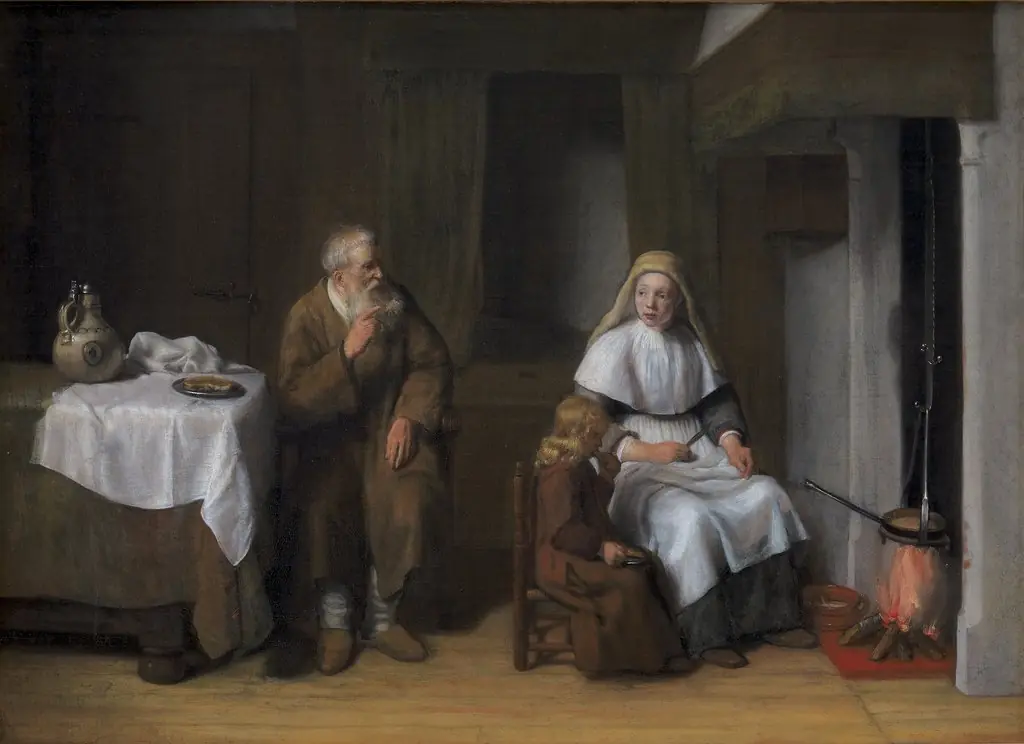
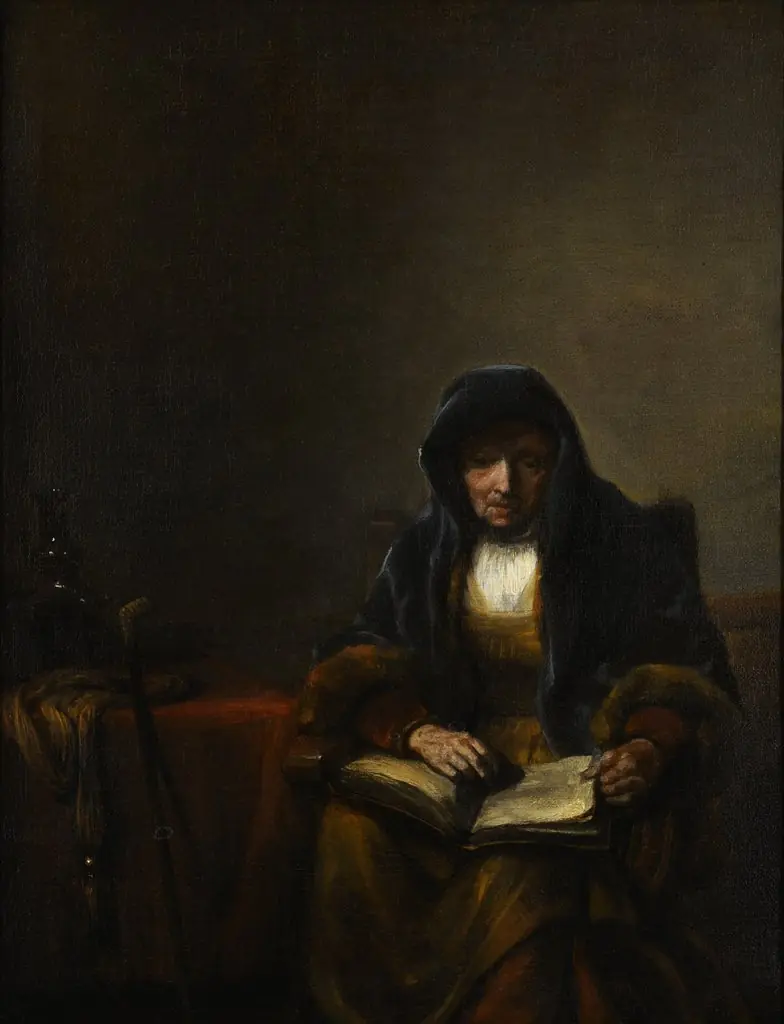
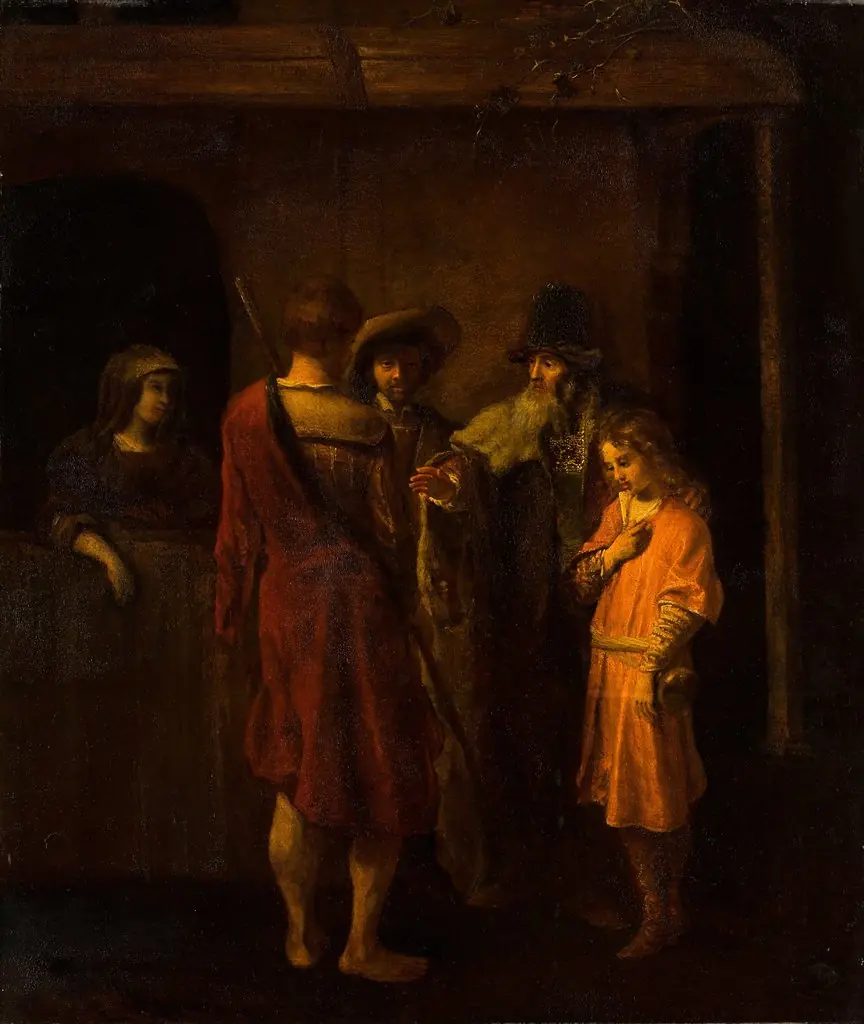
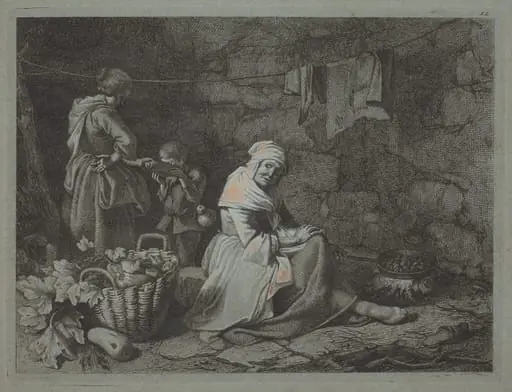
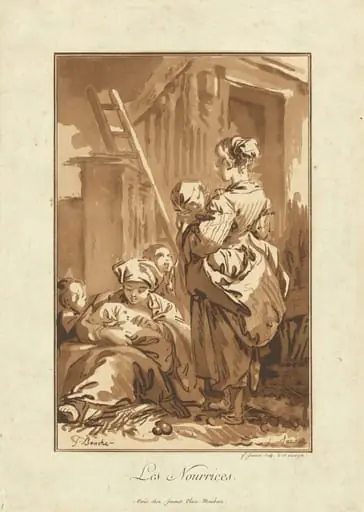
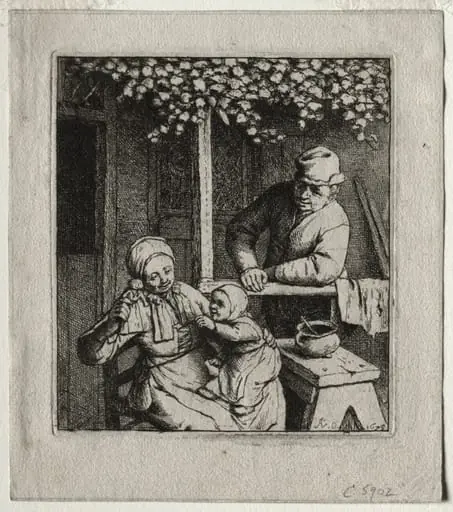
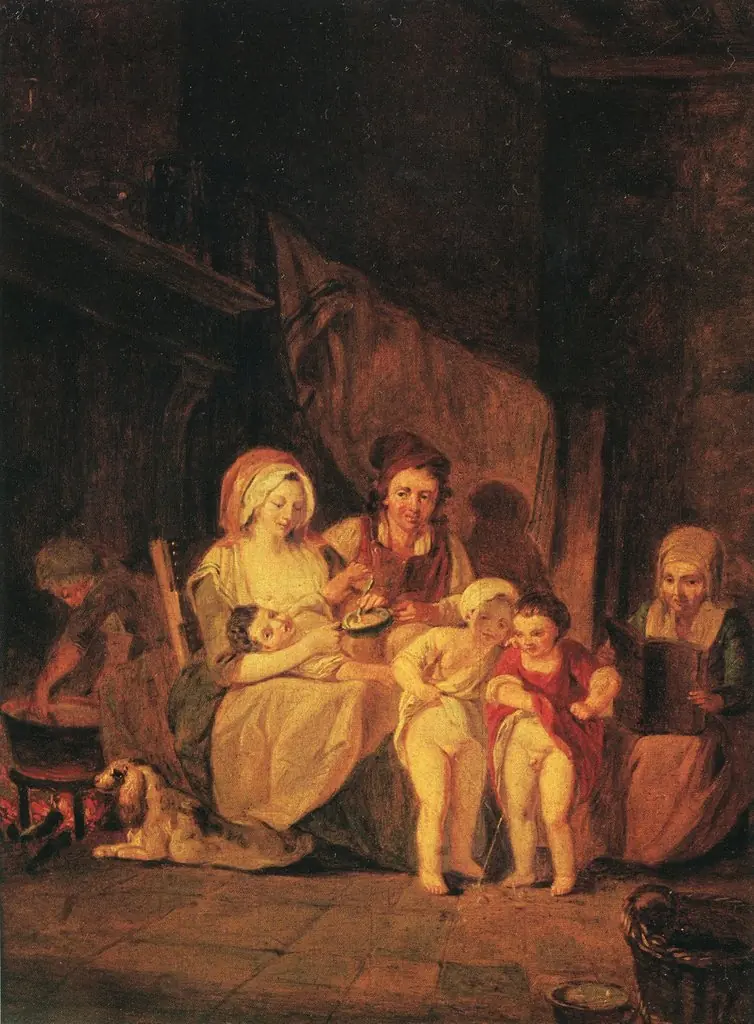
The holy family is an unspecified painting by the Dutch Golden Age artist Abraham van Dijck. It dates from 1667 and is held in the collection of the Pushkin Museum of Fine Arts.
About this work
Overview
Abraham van Dijck’s painting known as *The Holy Family*, executed around 1667, presents an intimate domestic tableau. The work is part of the State Hermitage Museum’s collection in St. Petersburg and exemplifies the Dutch genre tradition of the mid‑seventeenth century, focusing on everyday moments imbued with religious resonance.
Subject & Meaning
The composition shows a mother seated with a child on her lap, while a father figure opposite them folds his hands in prayer. A modest meal rests on the table, and a small bowl lies on the floor, suggesting a humble, pious household. The scene conveys quiet devotion and familial unity rather than a formal biblical narrative.
Technique & Style
Van Dijck employs a restrained palette and a strong contrast between illuminated foreground figures and a dark, muted background, echoing the chiaroscuro favored by Rembrandt. Soft lighting caresses the faces, creating a sense of depth and emotional immediacy, while the brushwork remains smooth, emphasizing the serene atmosphere of the interior.
History & Provenance
Created in the late 1660s, the painting entered the Russian imperial collection before being transferred to the State Hermitage Museum, where it remains on display. Its attribution to van Dijck has been confirmed through stylistic analysis and comparison with other dated works by the artist.
Artist & collection