Artwork
The Trinity
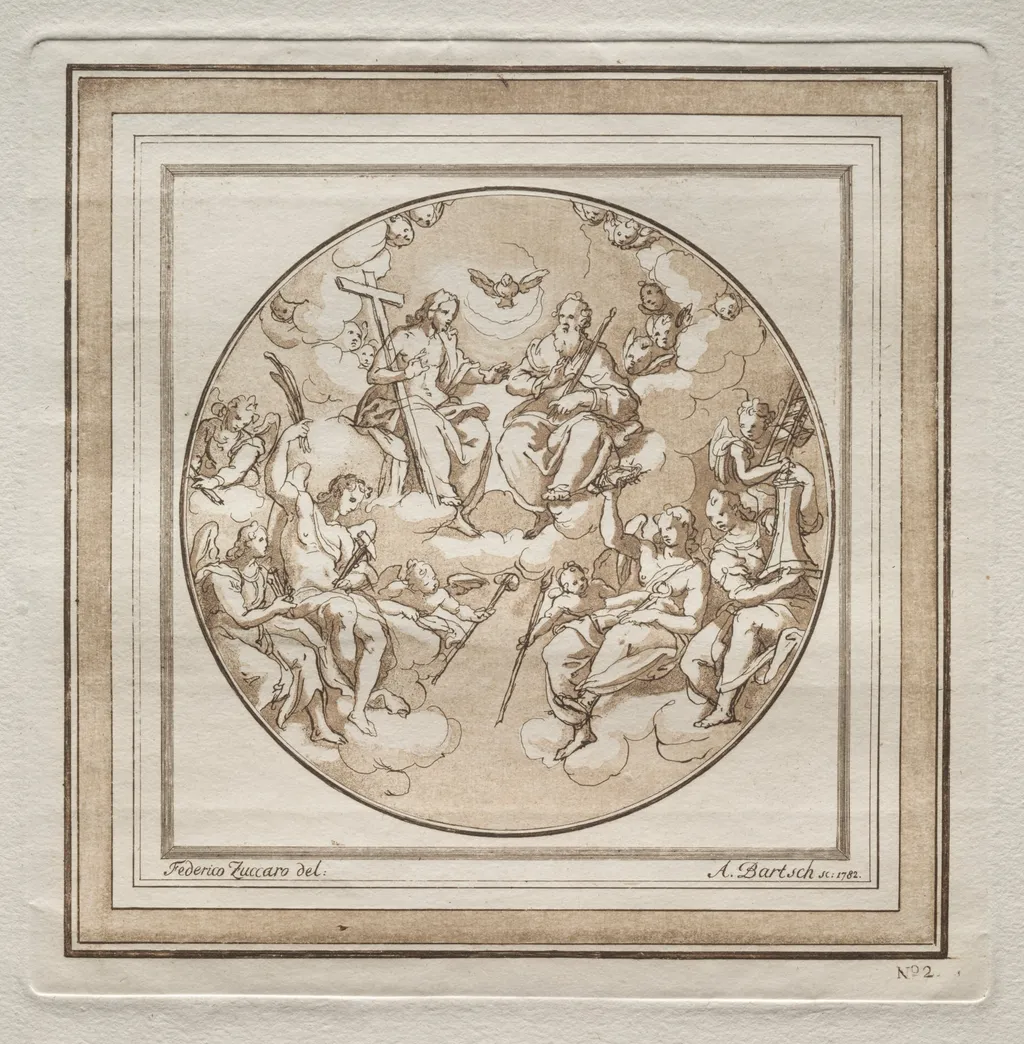
The Trinity is a print by the Romanticist artist Adam von Bartsch. It dates from 1782 and is held in the collection of the Cleveland Museum of Art.
About this work
Overview
The soft, linear technique and muted palette evoke a contemplative atmosphere, distinguishing it from more dramatic religious imagery of the period.
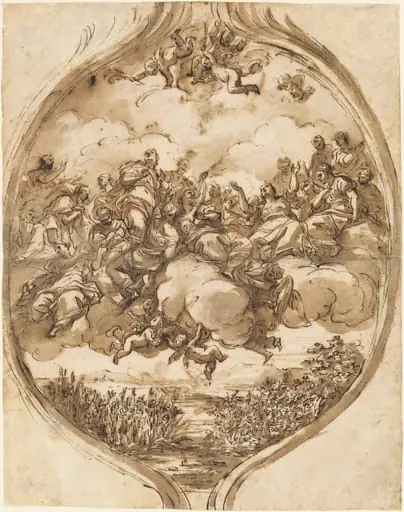
Created in 1782 by Adam von Bartsch, this print depicts a celestial gathering rendered in delicate brown ink with subtle tonal gradations. The circular composition organizes a multitude of figures—angels, cherubs, and human forms—within a unified heavenly space. The soft, linear technique and muted palette evoke a contemplative atmosphere, distinguishing it from more dramatic religious imagery of the period.
Subject & Meaning
The scene represents the Holy Trinity, with symbolic figures arranged to convey divine harmony. A central figure holds a cross, while others engage in musical acts, including violin playing, suggesting worship through song. Cherubs observe from the margins, reinforcing the theme of celestial devotion. The inclusion of music implies a theological link between divine order and artistic expression.
Technique & Style
Bartsch employed fine, fluid lines and light washes to model forms without heavy contrast. The absence of bold shadows or intense chiaroscuro creates a gentle, ethereal quality. Figures are densely arranged yet carefully spaced, allowing each to retain individuality within the crowded composition. The technique reflects engraving traditions adapted for atmospheric, rather than narrative, effect.
History & Provenance
The print was produced during Bartsch’s early career, before his influential cataloging of European prints. It remained in private collections until acquired by The Cleveland Museum of Art, where it is now preserved as part of their holdings in 18th-century graphic art. Its survival in good condition offers insight into the circulation of devotional imagery among educated European audiences.
Context
In late 18th-century Europe, religious imagery often blended theological symbolism with Enlightenment-era ideals of harmony and order. Bartsch’s work aligns with a trend toward intimate, contemplative depictions of sacred themes, moving away from grand Baroque spectacle. The emphasis on music and quiet reverence reflects broader cultural interests in emotional and spiritual subtlety.
Legacy
Though not widely reproduced or celebrated in its time, the print exemplifies Bartsch’s skill in translating complex theological concepts into accessible visual language. It contributes to understanding how religious subjects were reimagined in the pre-Romantic era, prioritizing introspection over spectacle. The work remains a quiet testament to the role of print in disseminating spiritual imagery beyond ecclesiastical settings.
Artist & collection

Artist
Johann Adam Bernhard Ritter von Bartsch (17 August 1757 – 21 August 1821) was an Austrian scholar and artist.

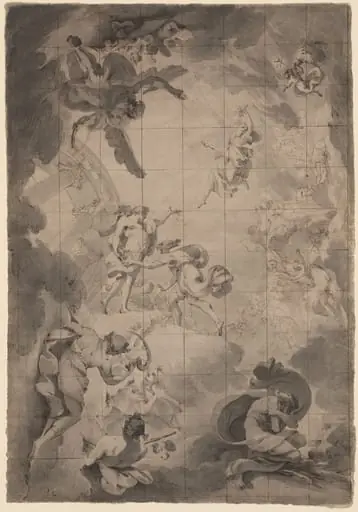 Studies of Aurora and Apollo
![Coupole du Salon de la Paix (Cupola of the Salon of Peace) [pl. 44], by Jean-Baptiste Massé](https://artifactworldgallery.com/img/jean-baptiste-masse--coupole-du-salon-de-la-paix-cupola-of-the-salon-of-peace-pl--083dda9da8b00531-w320.webp) Coupole du Salon de la Paix (Cupola of the Salon of Peace) [pl. 44]
Coupole du Salon de la Paix (Cupola of the Salon of Peace) [pl. 44]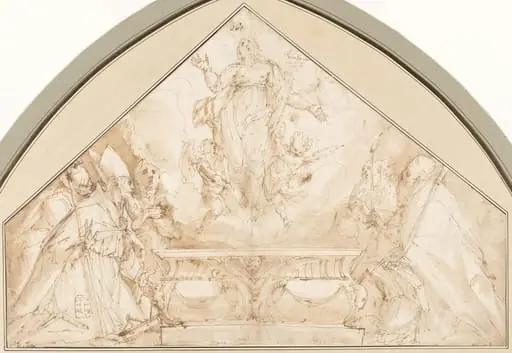 The Assumption of the Virgin with Two Bishops and Other Figures
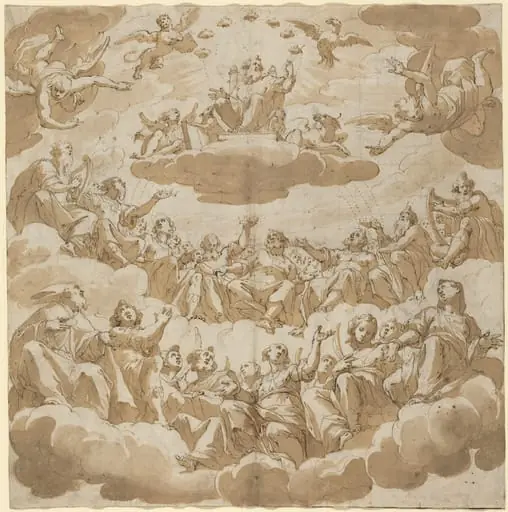 God Enthroned Surrounded by Saints
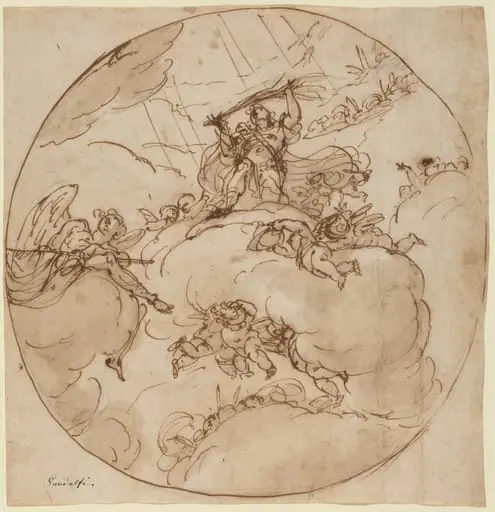 The Apotheosis of San Vitale
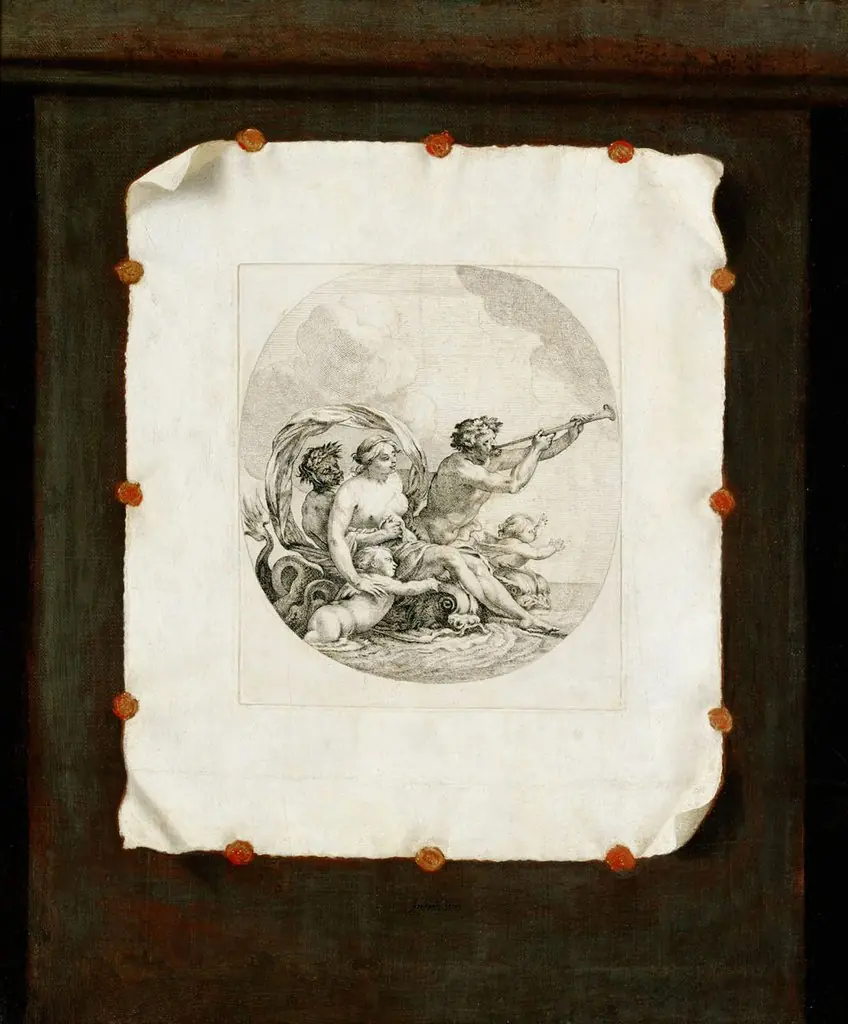 Trompe l'oeil (Galatea).
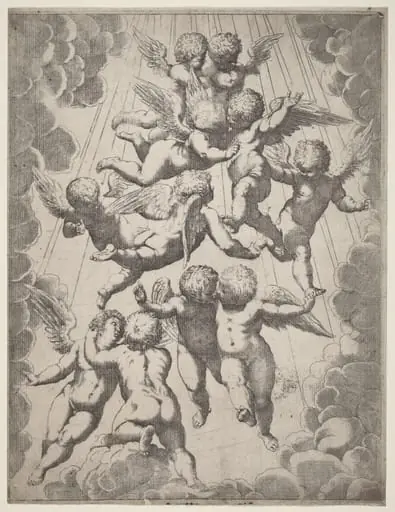 A Group of Angels in Glory
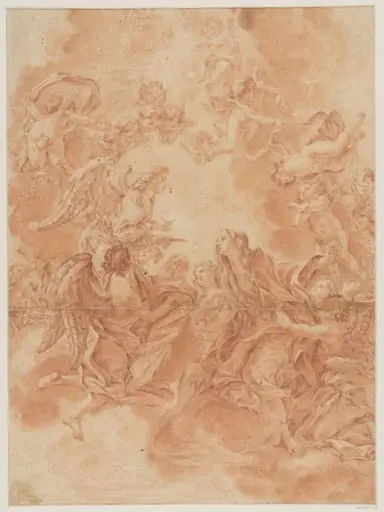 The Communion of St Mary Magdalene
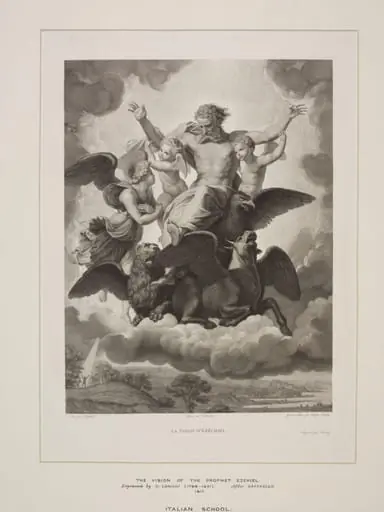 The Vision of Ezekiel
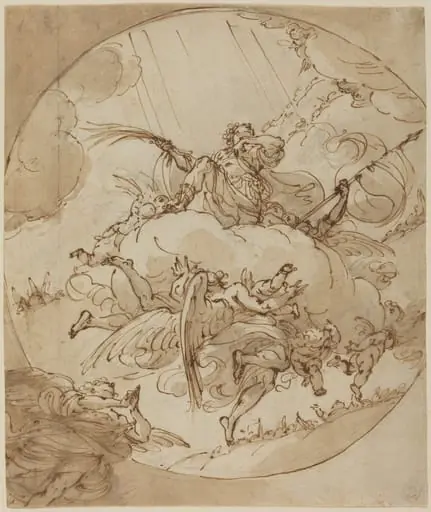 The Apotheosis of San Vitale
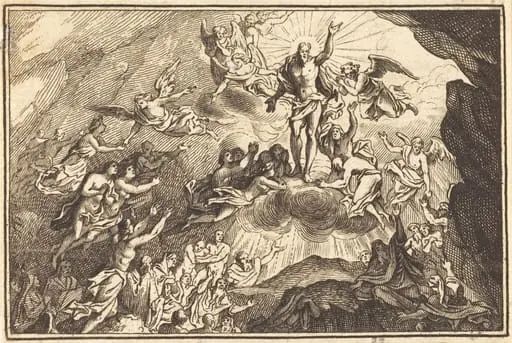 Descent into Limbo
 Cloud-Borne Saints above a Lake