Artwork
Descent into Limbo
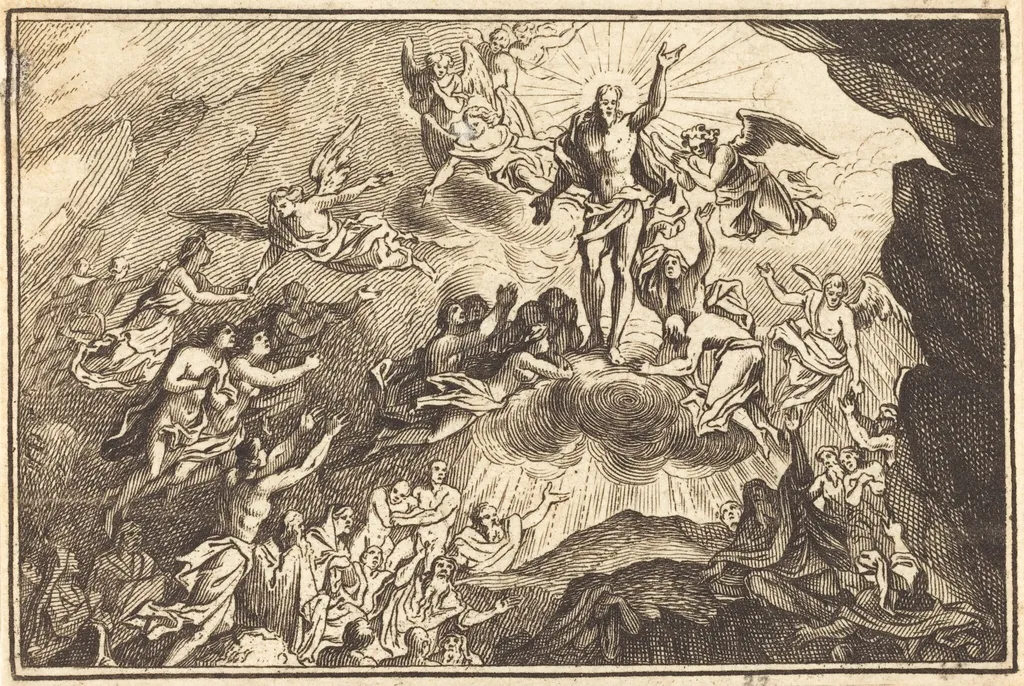
Descent into Limbo is an ink print by the Baroque artist French 17th Century. It dates from 1650 and is held in the collection of the National Gallery of Art.
About this work
Overview
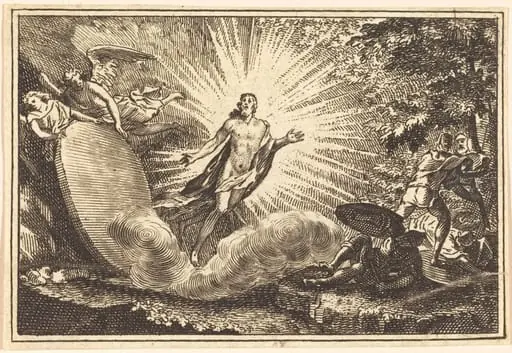
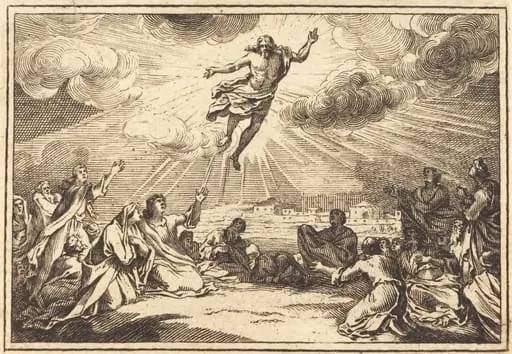
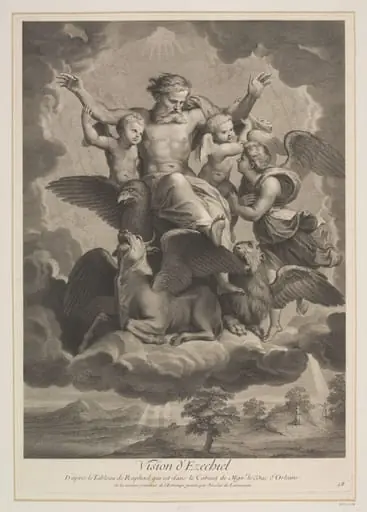
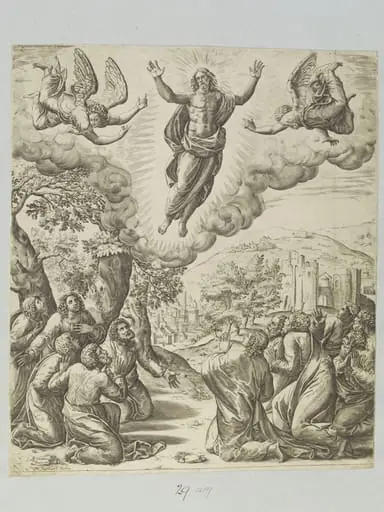
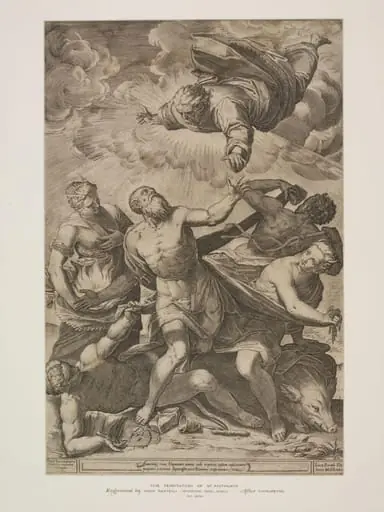
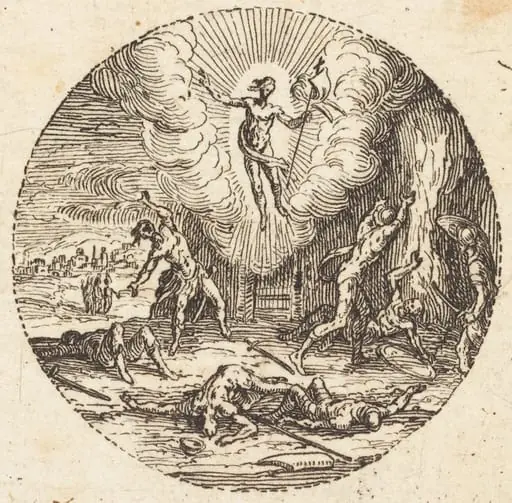
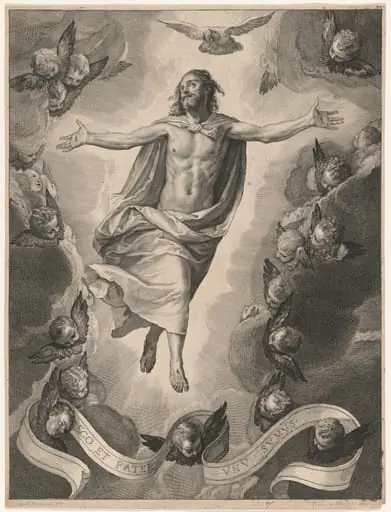
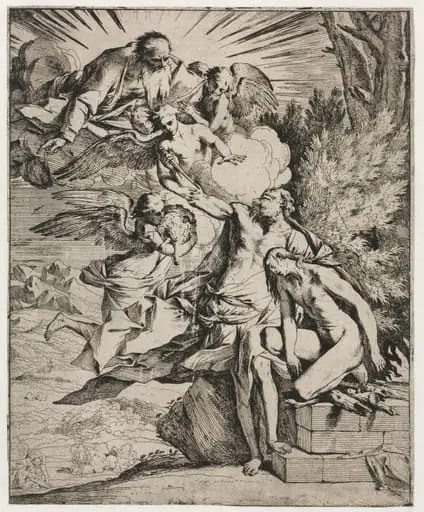
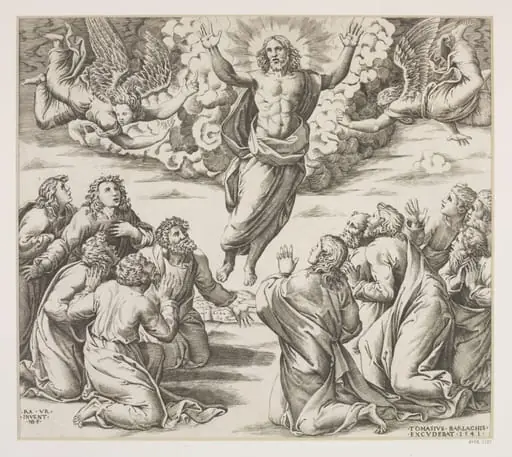
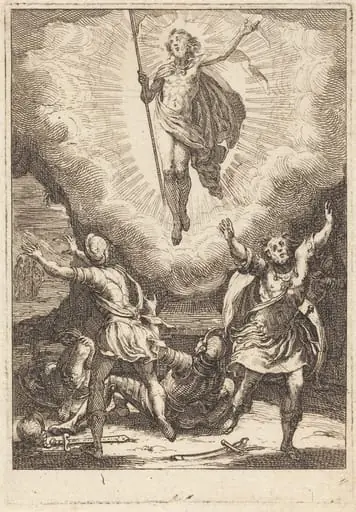
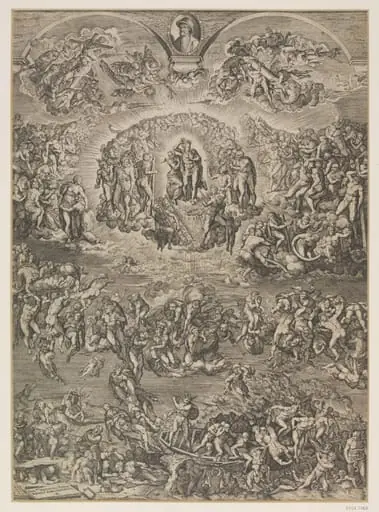
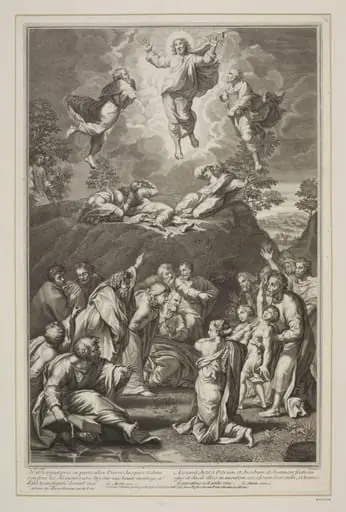
Descent into Limbo is an engraving that presents a dramatic scene of a tumultuous crowd beneath a group of winged figures. The composition is divided between a dense lower register of struggling bodies and an upper realm where angels hover, directing attention toward a central bearded figure with arms outstretched.
Subject & Meaning
The lower half depicts a chaotic mass of people, some reaching upward, others entangled, suggesting a collective struggle or descent into a liminal space. Above them, the angels point toward the bearded man, implying guidance or salvation, while the overall arrangement evokes themes of transition between earthly turmoil and a higher realm.
Technique & Style
The print relies on intricate line work, employing numerous fine strokes to build shadows and texture. Dark hatching creates a sense of movement and depth, while the contrast between densely packed lines in the crowd and the more open, airy rendering of the angels emphasizes the separation of the two zones.
Context
As an example of the engraving medium, the work demonstrates the capacity of the technique to convey complex narratives through line and shading. The use of winged figures aligns with traditional iconography of angels, situating the piece within a broader visual language of spiritual ascent and descent.
Artist & collection

Artist
Seventeenth-century French printmakers turned ink into story. Their tools were burin and acid, paper their stage. Look at the Beggar Woman with Rosary (1622), etched on laid paper, her hands folded around faith, or The…