Artwork
Posthumous Portrait of Mary I Stuart (1631- 1660) with a Servant
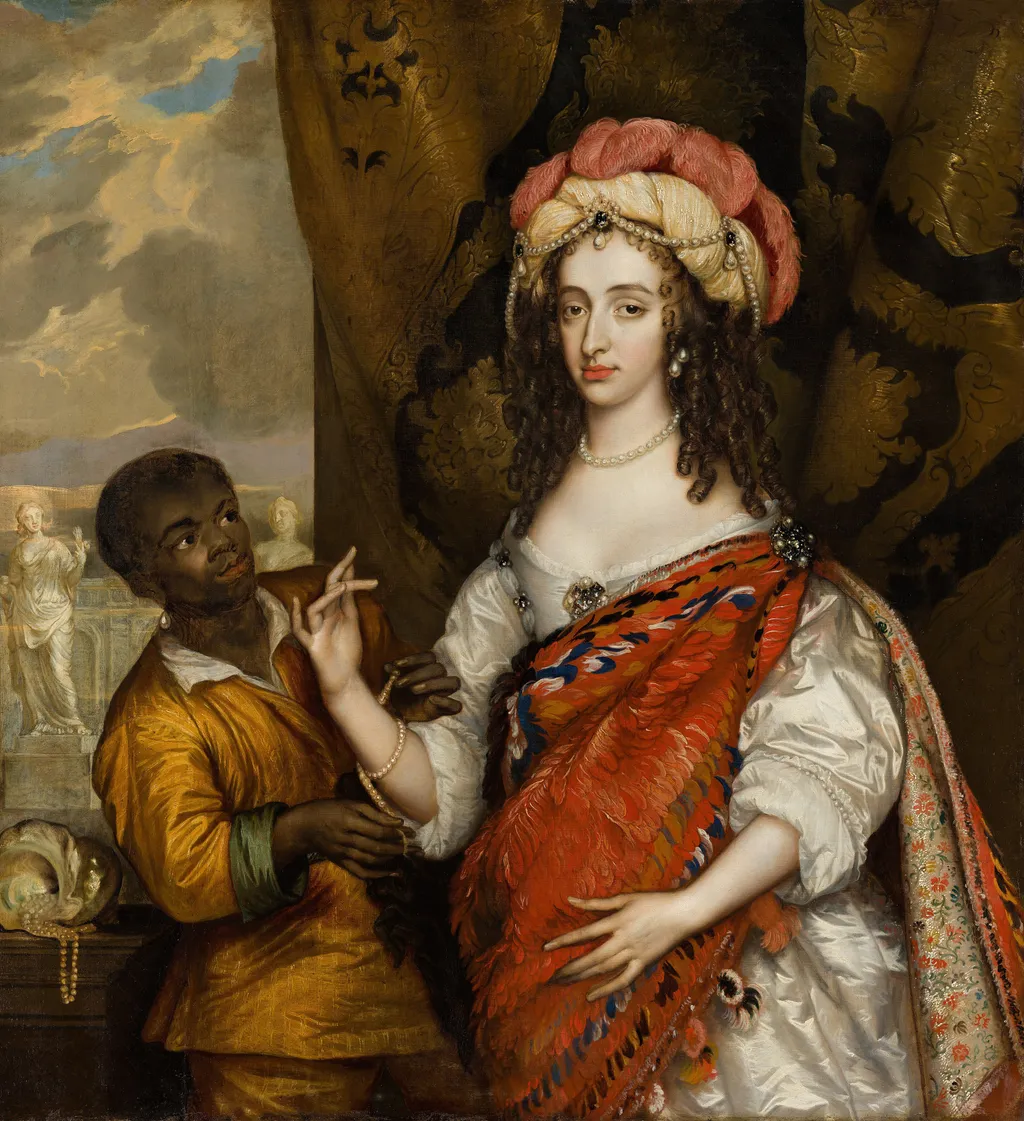
Posthumous Portrait of Mary I Stuart (1631- 1660) with a Servant is an oil painting by the Dutch Golden Age artist Adriaen Hanneman. It dates from 1664 and is held in the collection of the Mauritshuis.
About this work
Overview
Posthumous Portrait of Mary I Stuart (1631–1660) with a Servant is a 1664 oil painting by Adriaen Hanneman, depicting Mary Henrietta, Princess Royal, in the company of a servant. The work exemplifies the Dutch Golden Age portrait tradition.
Subject & Meaning
The painting portrays Mary Henrietta, Princess Royal, posthumously, alongside a servant. The formal attire and the servant’s raised hand suggest a ceremonial or symbolic context, potentially honoring Mary’s memory or status.
Technique & Style
Hanneman’s technique, influenced by Anthony van Dyck, emphasizes color and compositional balance. The vivid, patterned shawl, pearl necklace, and contrasting clothing draw focus to the princess and the dynamic between the two figures.
History & Provenance
Created in 1664 for the exiled British royal court, the painting is now part of the Mauritshuis collection, reflecting its significance within the Dutch Golden Age movement.
Context
Commissioned for the exiled Stuart court, the portrait reflects the artistic exchange between Dutch and British royal circles during the 17th century, with Hanneman catering to the court’s need for dignified, posthumous representations.
Own this work as a print
Artist & collection
Artist
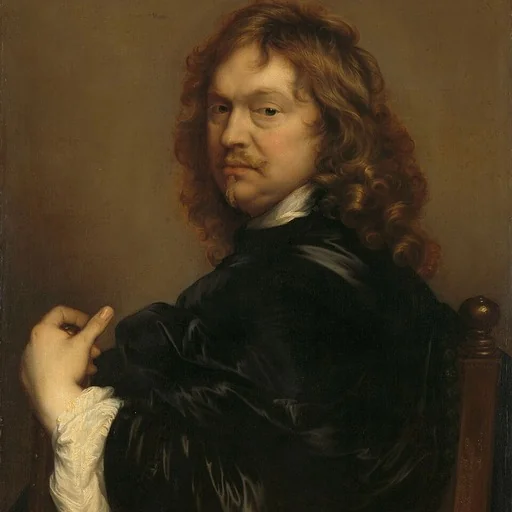
Adriaen Hanneman (c. 1603 – buried 11 July 1671) was a Dutch Golden Age painter best known for his portraits of the exiled British royal court. His style was strongly influenced by his contemporary, Anthony van Dyck.

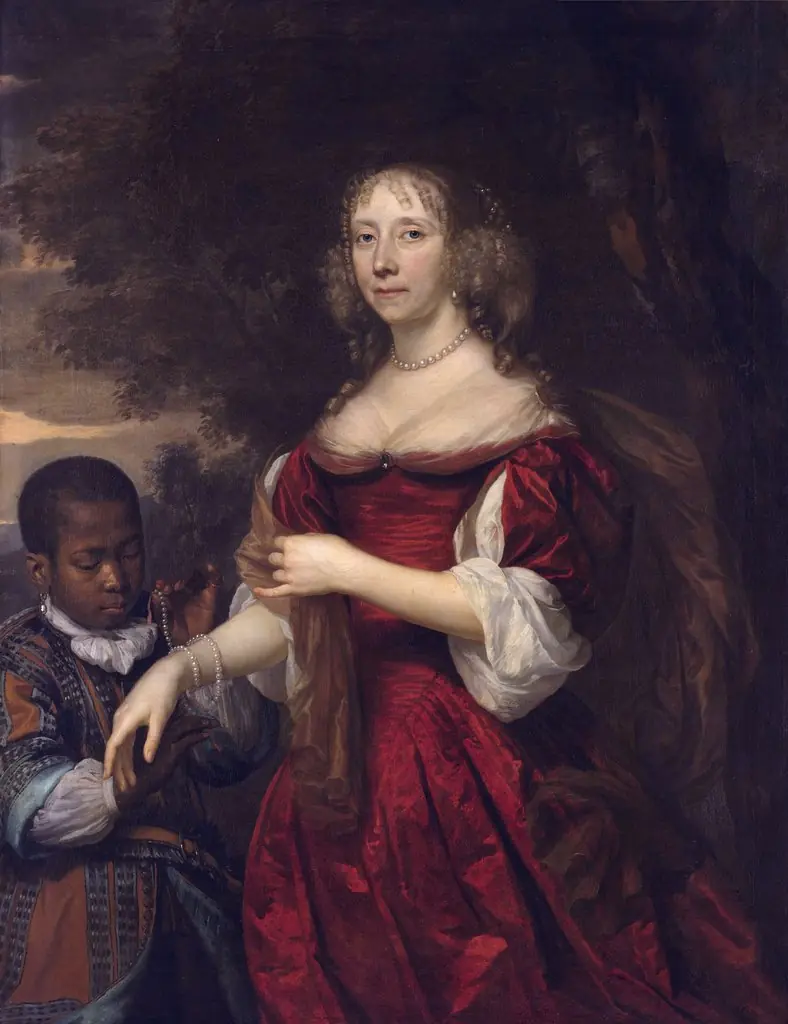 Portrait of Margaretha van Raephorst (d 1690). Wife of Cornelis Tromp
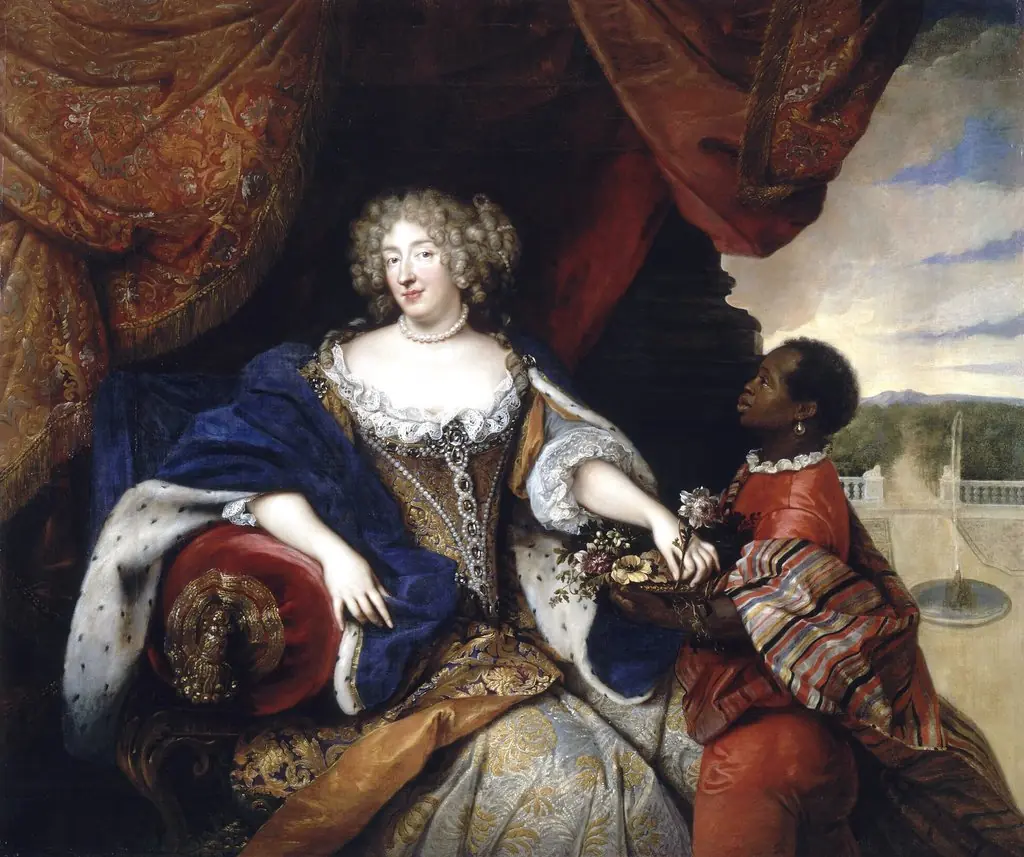 Portrait of Elizabeth Charlotte of the Palatine with her Slave
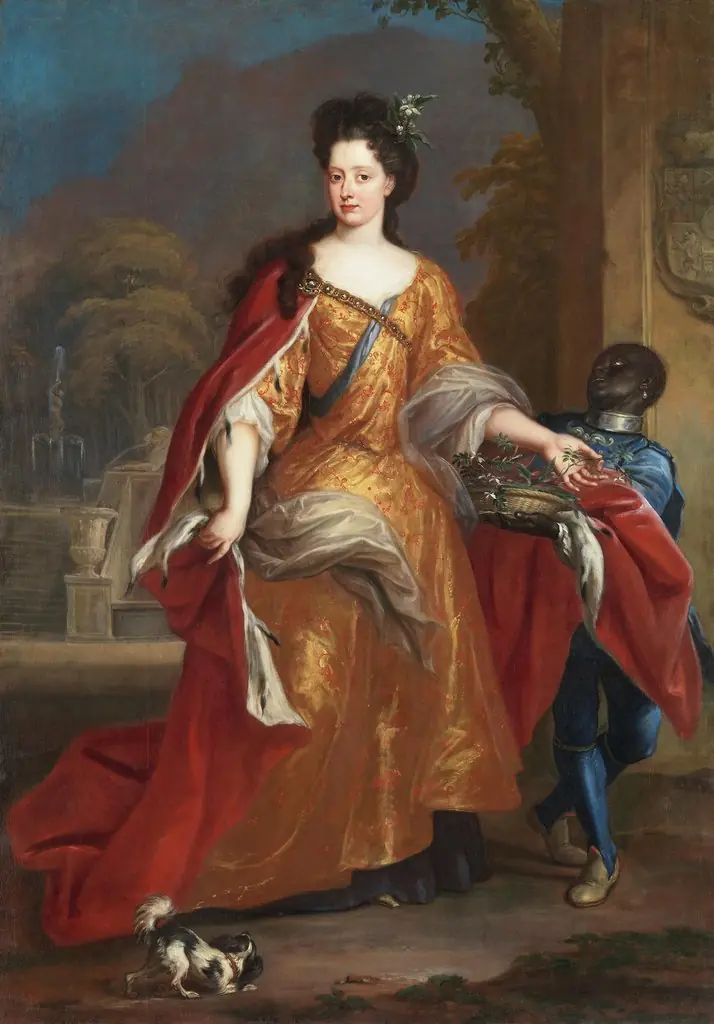 Portrait of Anna Maria Luisa de' Medici, electress of the Palatine (1667-1743)
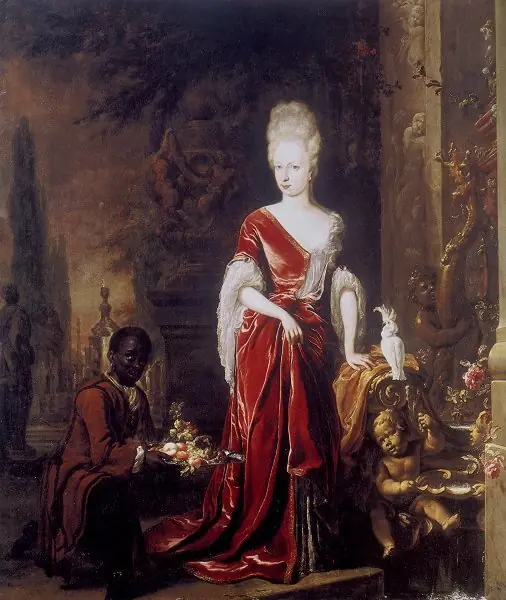 Portrait of Elisabeth Charlotte of the Palatine, duchess of Orléans (1652-1722), with a servant
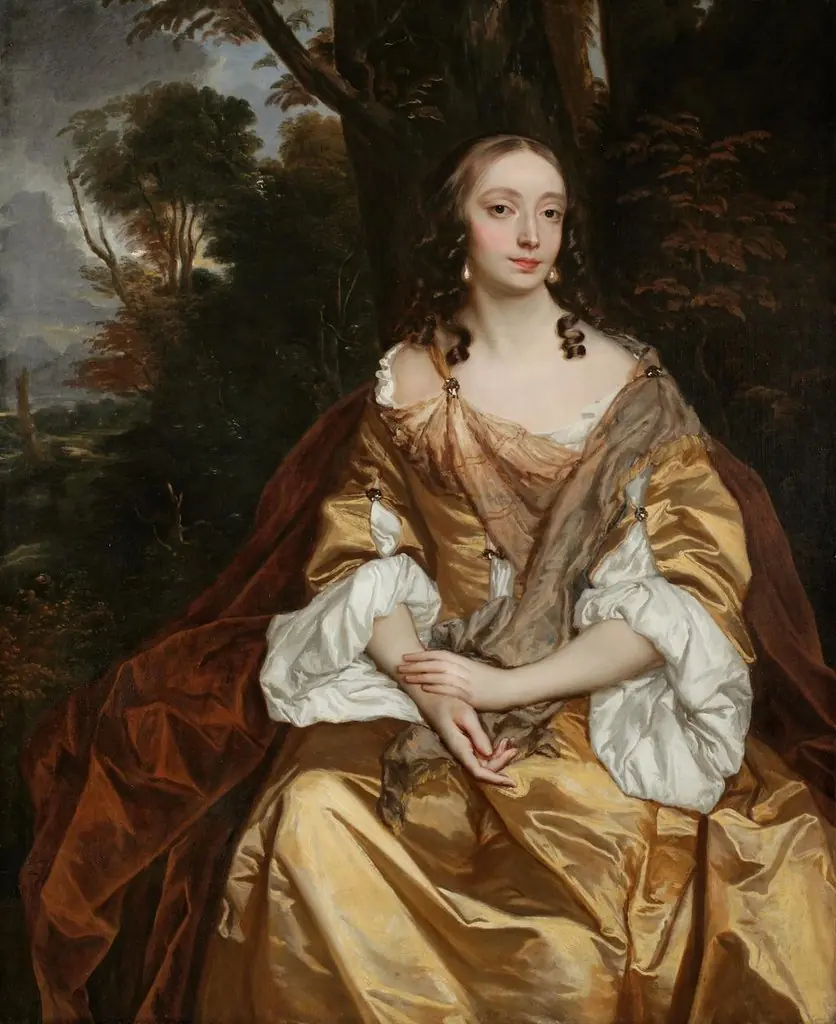 Portrait of a Lady; probably Mary Parsons, later Mrs Draper
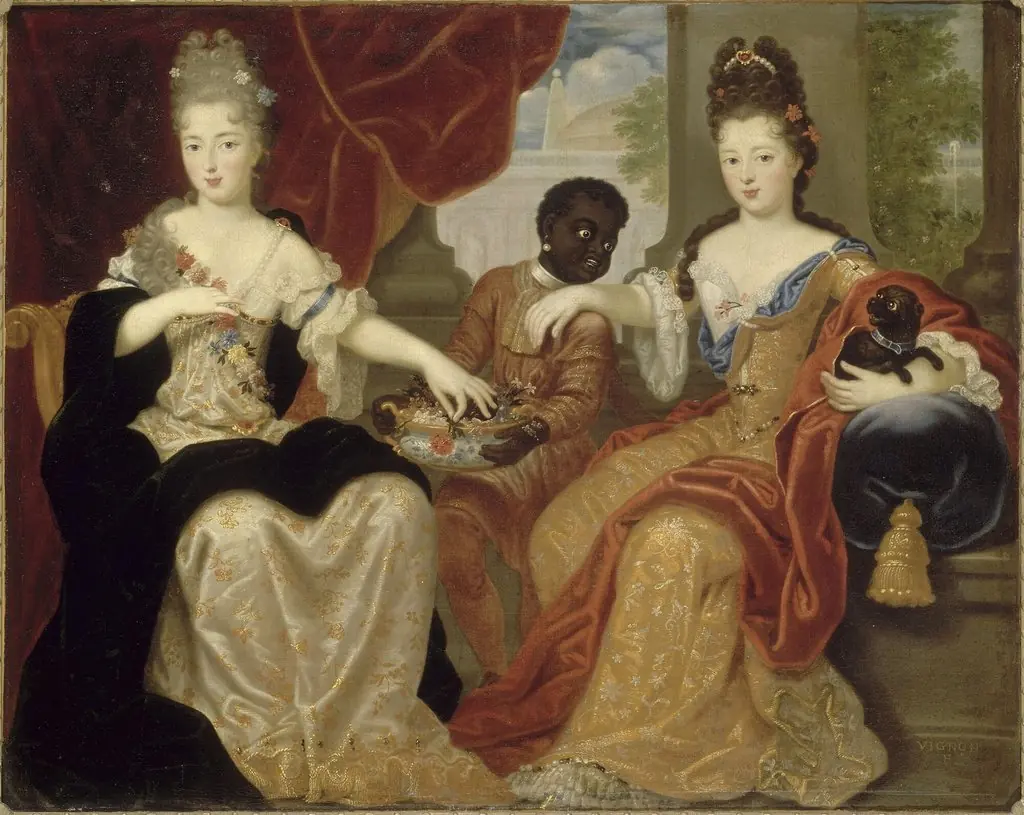 Françoise-Marie de Bourbon known as Mademoiselle de Blois and Louise-Françoise de Bourbon known as Mademoiselle de Nantes
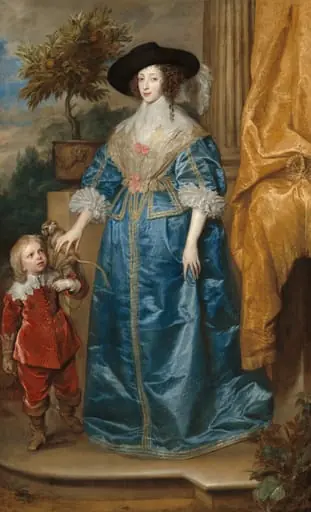 Queen Henrietta Maria with Sir Jeffrey Hudson
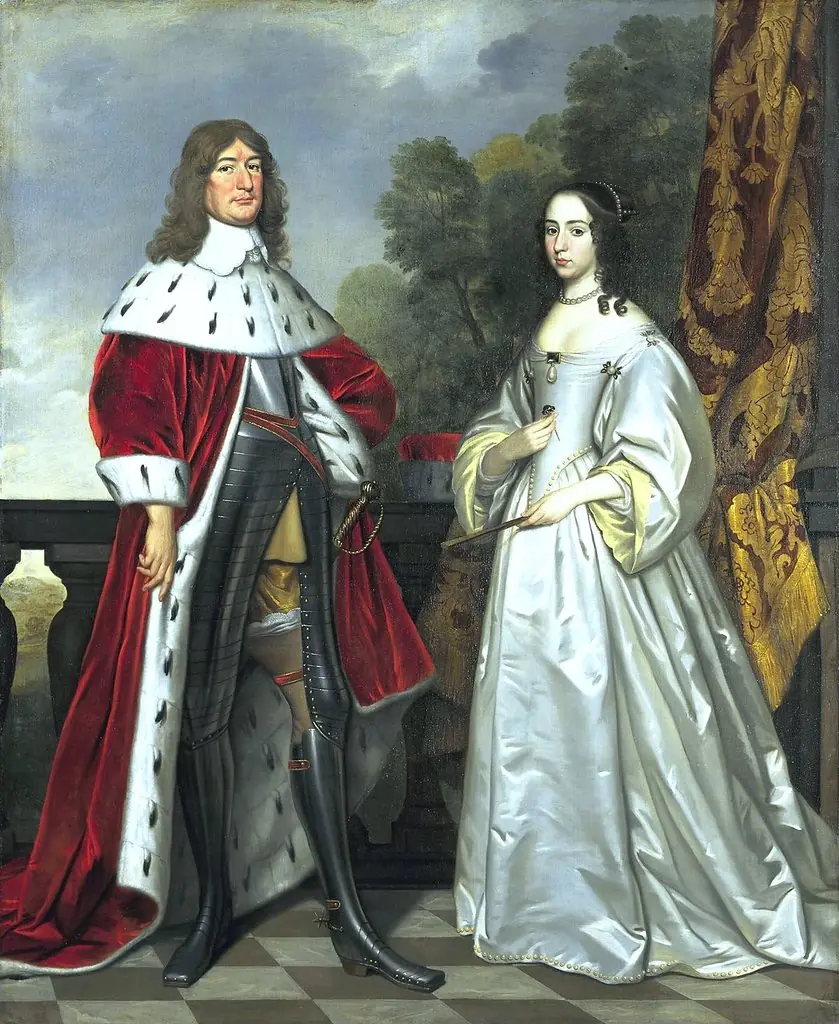 Portrait of Frederick William, Elector of Brandenburg and Luise Henriette of Nassau
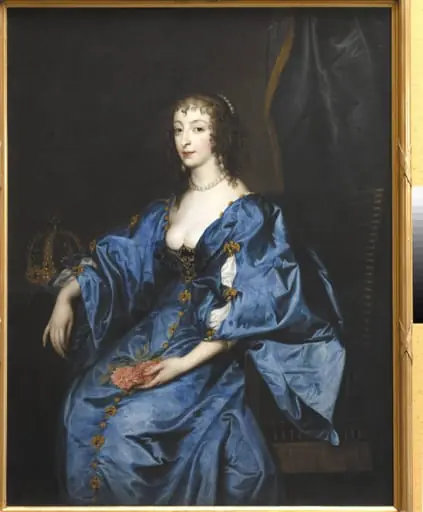 Queen Henrietta Maria of England
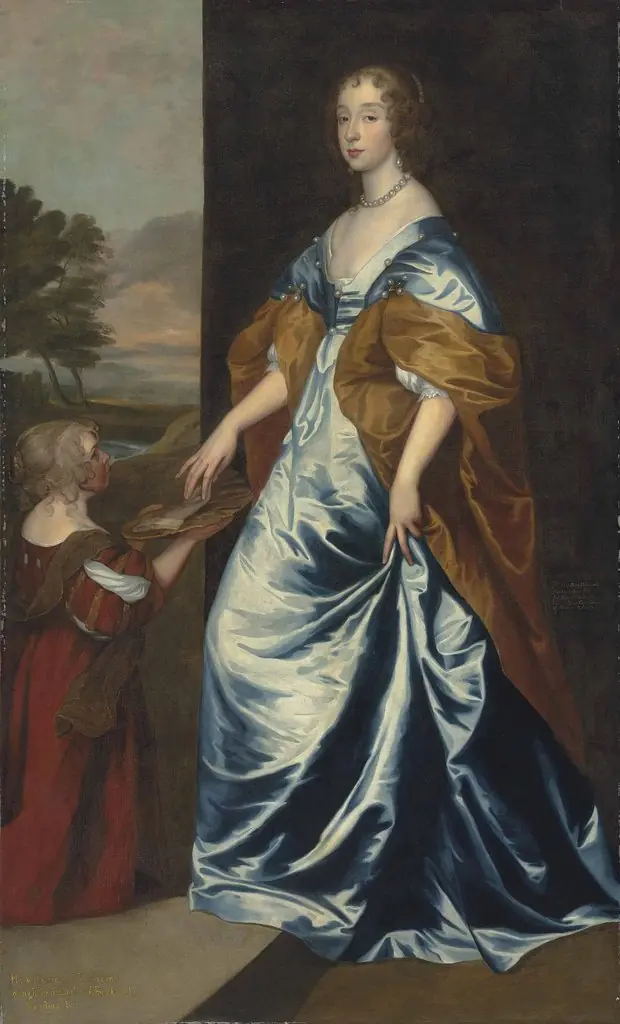 Duchess of Lennox and Richmond (1622–1685) with her lady’s maid, the dwarf, Anne Shepherd