Artwork
Portrait of Constantijn Huygens (1596-1687) and his Five Children
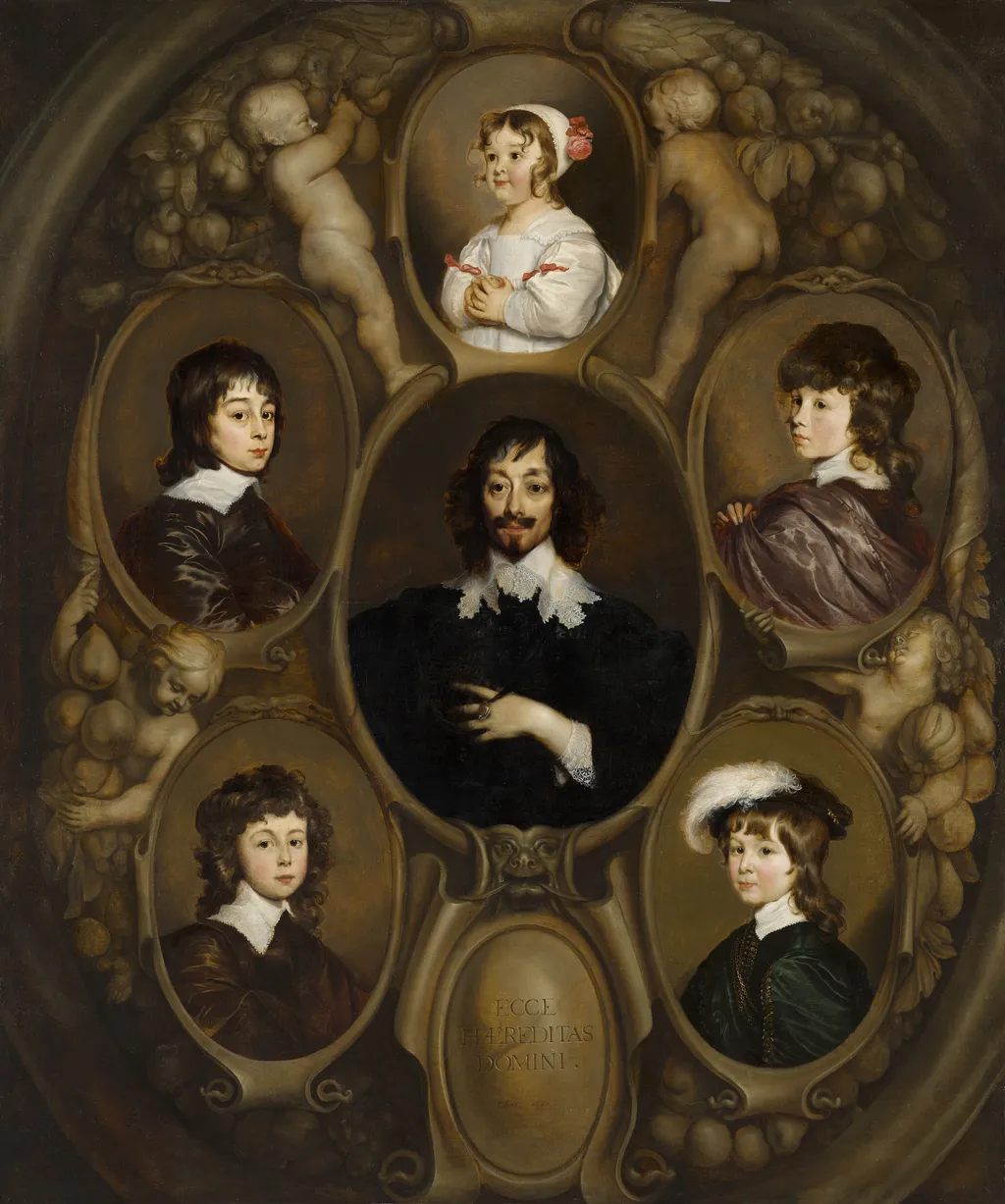
Portrait of Constantijn Huygens (1596-1687) and his Five Children is an oil painting by the Dutch Golden Age artist Adriaen Hanneman. It dates from 1640 and is held in the collection of the Mauritshuis.
About this work
Overview
Painted in 1640 by Adriaen Hanneman, this oil portrait captures Constantijn Huygens, a leading Dutch diplomat and scholar, with his five children.
Painted in 1640 by Adriaen Hanneman, this oil portrait captures Constantijn Huygens, a leading Dutch diplomat and scholar, with his five children. The composition centers the father amid his offspring, arranged in a harmonious, intimate grouping. Hanneman’s restrained palette and careful attention to detail reflect the quiet dignity characteristic of Dutch Golden Age portraiture. The work is part of the Mauritshuis collection in The Hague.
Subject & Meaning
The portrait presents Constantijn Huygens as both patriarch and public figure, surrounded by his sons and one daughter. The inclusion of all five children underscores familial continuity and social status. The eldest son, Christiaan Huygens, later renowned for his scientific contributions, is depicted as a child, hinting at future intellectual legacy. The direct gaze of each figure invites the viewer into a private moment, blending personal affection with public identity.
Technique & Style
Hanneman employs soft modeling and subtle tonal transitions to render fabric, skin, and hair with quiet realism. The children are framed within oval vignettes, a compositional device that organizes the group without disrupting familial unity. The warm, neutral background enhances focus on the figures, while the precise rendering of lace collars and ribbons reveals attention to textile detail. The style shows clear influence from Anthony van Dyck’s aristocratic portraiture, adapted to Dutch sensibilities.
History & Provenance
Commissioned by Huygens himself, the painting remained within the family for generations before entering the Mauritshuis collection. Its preservation reflects the family’s cultural prominence in 17th-century Holland. The work’s survival through centuries of political and social change underscores its significance as both a personal memento and a historical document of elite Dutch life.
Context
Created during the Dutch Golden Age, the portrait aligns with a broader trend of domestic portraiture that emphasized family, education, and civic virtue. Unlike grand royal commissions elsewhere in Europe, Dutch portraits often portrayed middle- and upper-class families in modest, intimate settings. Huygens’s position as a statesman and intellectual made him a fitting subject for this genre, embodying the era’s values of learning and domestic order.
Legacy
The painting endures as a rare visual record of one of the Netherlands’ most influential intellectual families. It offers insight into how elite households presented themselves visually during a time of cultural flourishing. Hanneman’s restrained approach, avoiding theatricality, contributes to the portrait’s enduring authenticity, making it a key reference for studies of Dutch familial representation in the 17th century.
Artist & collection
Artist
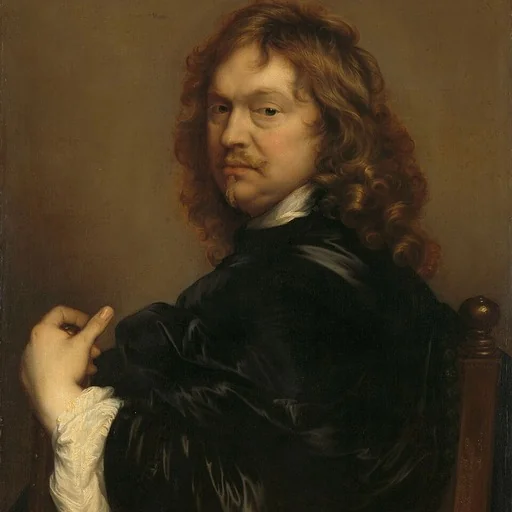
Adriaen Hanneman (c. 1603 – buried 11 July 1671) was a Dutch Golden Age painter best known for his portraits of the exiled British royal court. His style was strongly influenced by his contemporary, Anthony van Dyck.

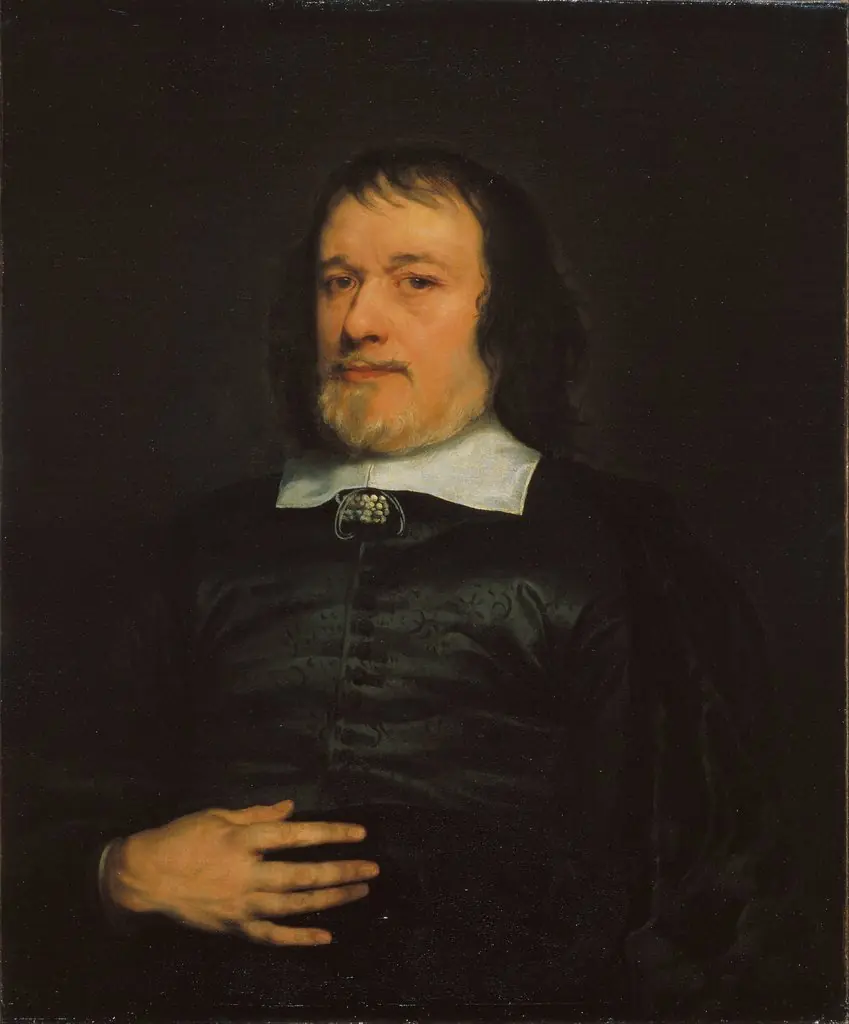
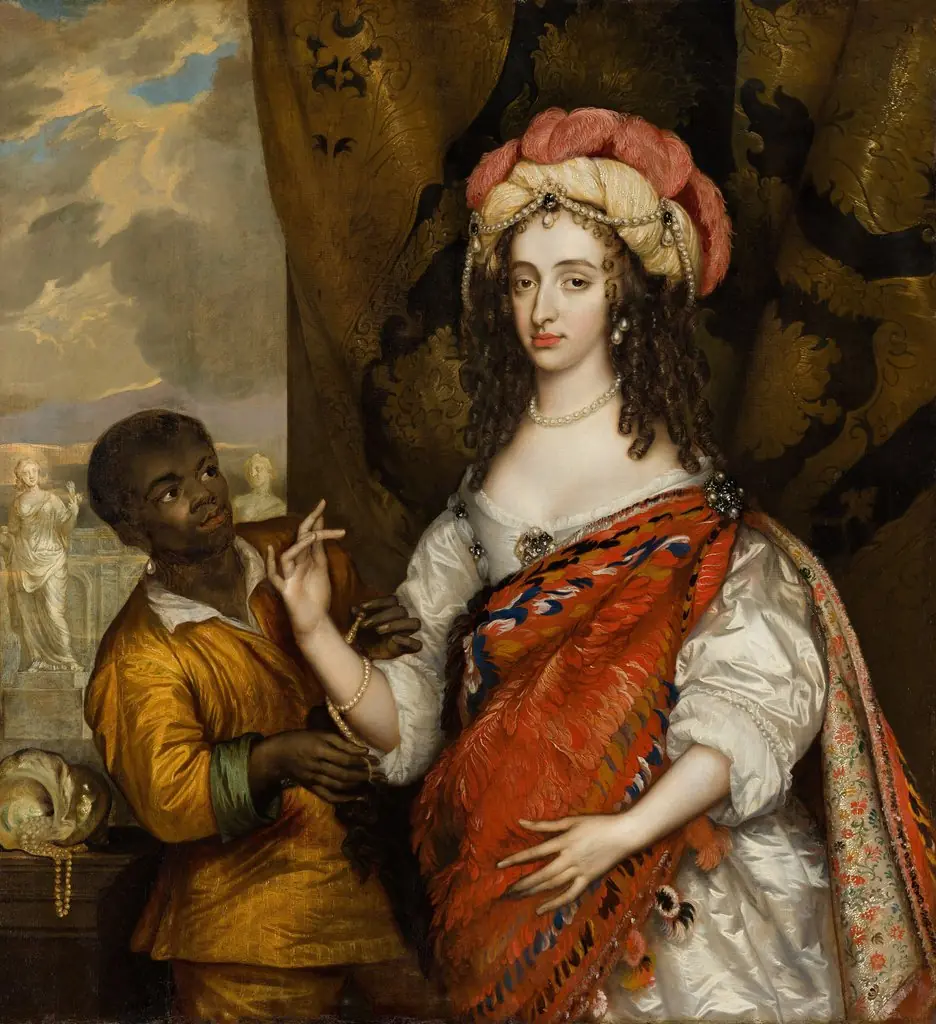
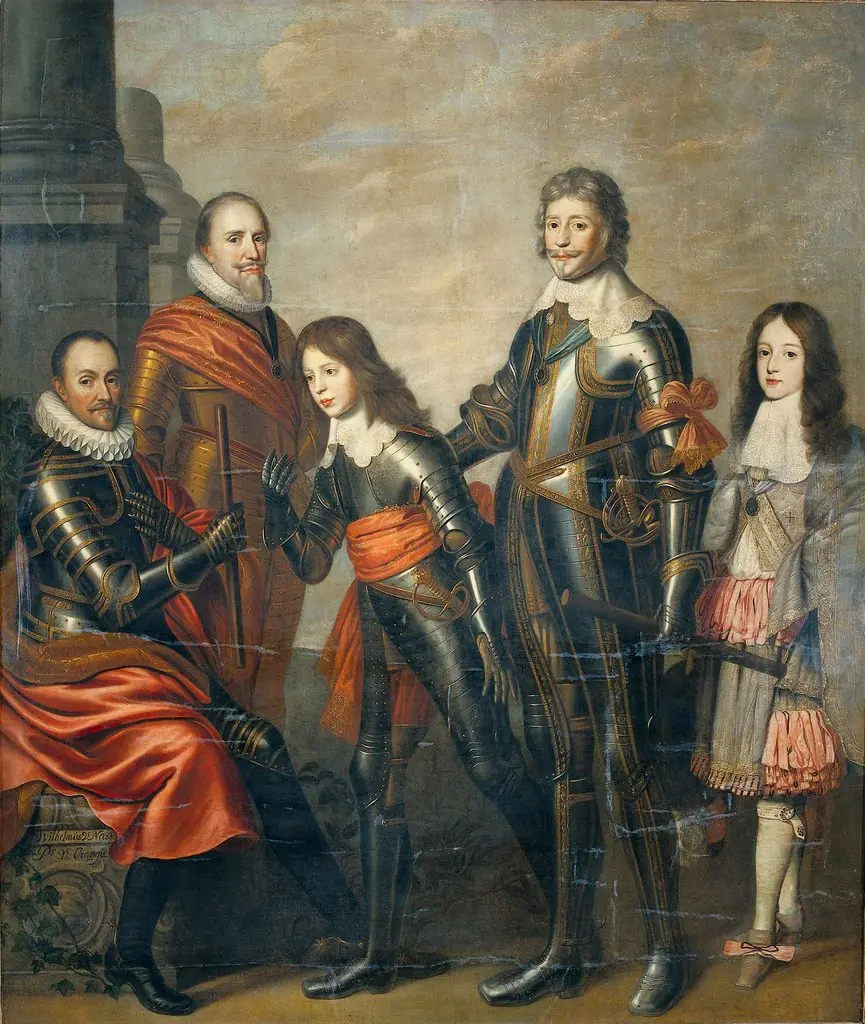 Four Generations of the Princes of Orange: William I, Maurice and Frederick Henry, William II and William III
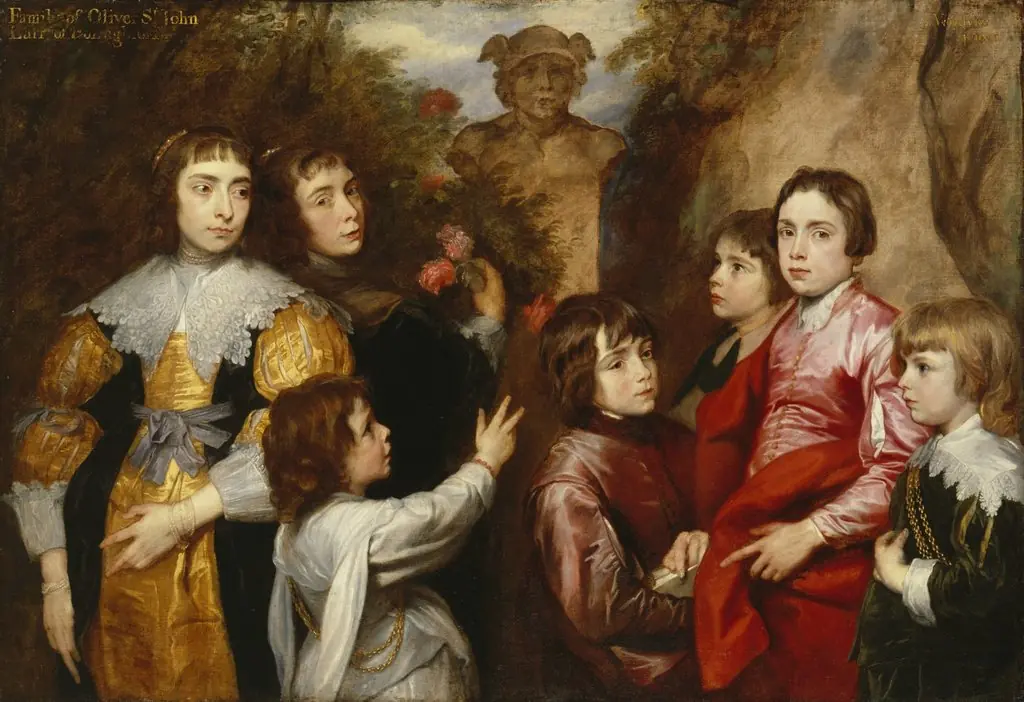 A Family Group
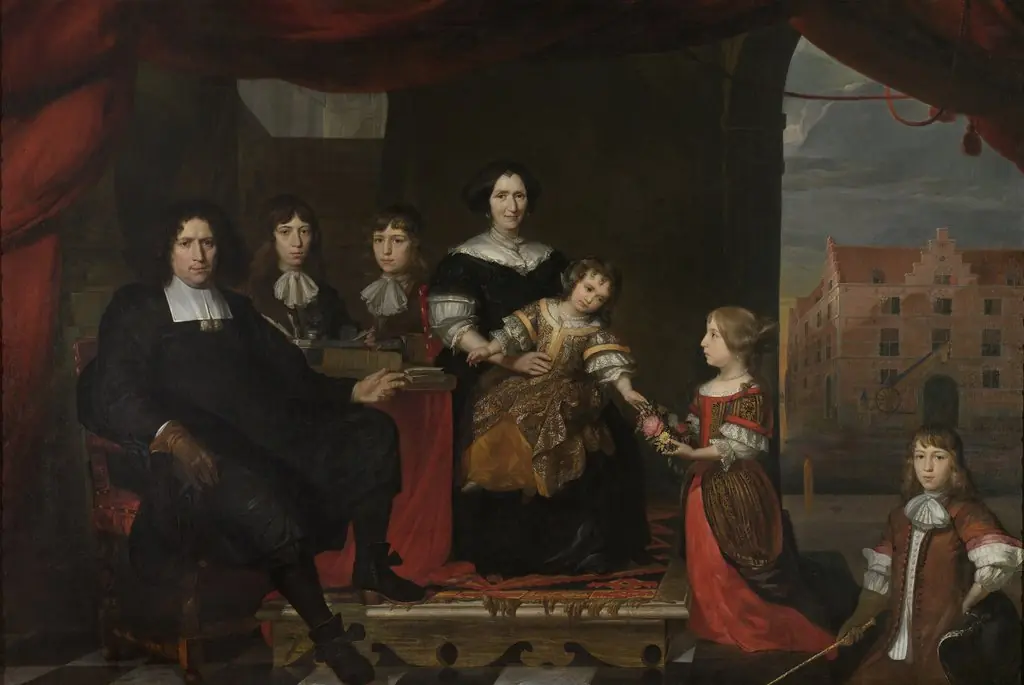 Reyer Reyersz van der Burch (1630-95), ammunition officer attached to the arsenal of the states-general, Delft, with his wife Geertruid Graswinckel and their children
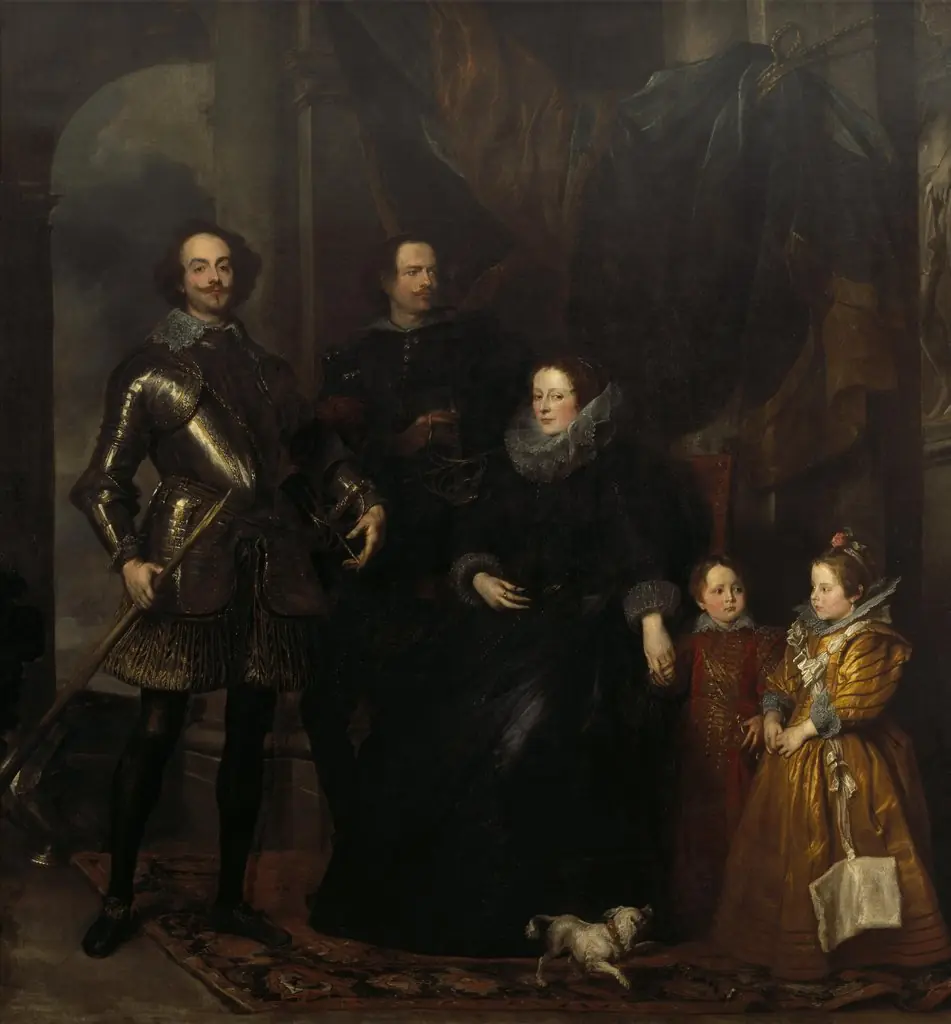 The Lomellini Family
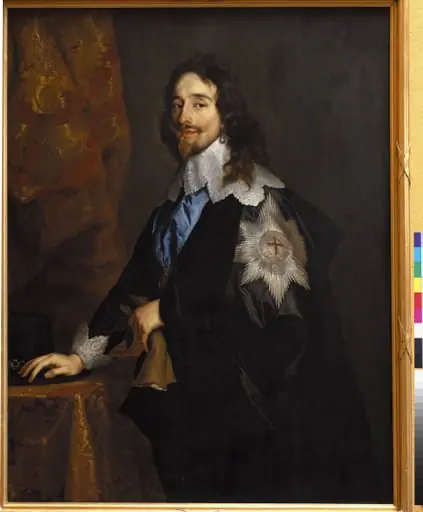 King Charles I of England
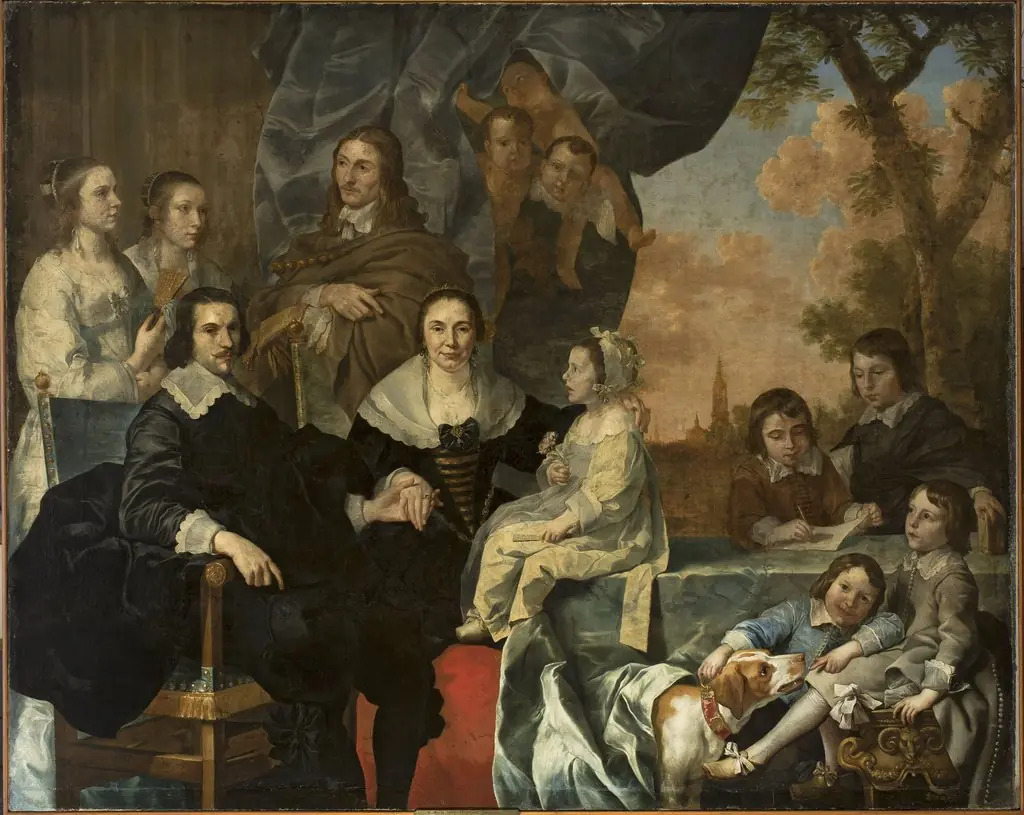 Self-portrait with the family
 Group of Four Boys
 Negen miniatuurportretten
 Miehen muotokuva
 Portrait of Govert van Slingelandt (1623-1690), with his First Wife Christina van Beveren (1632-1656) and their Two Children