Artwork
Monument to Nicolai Wanostrocht
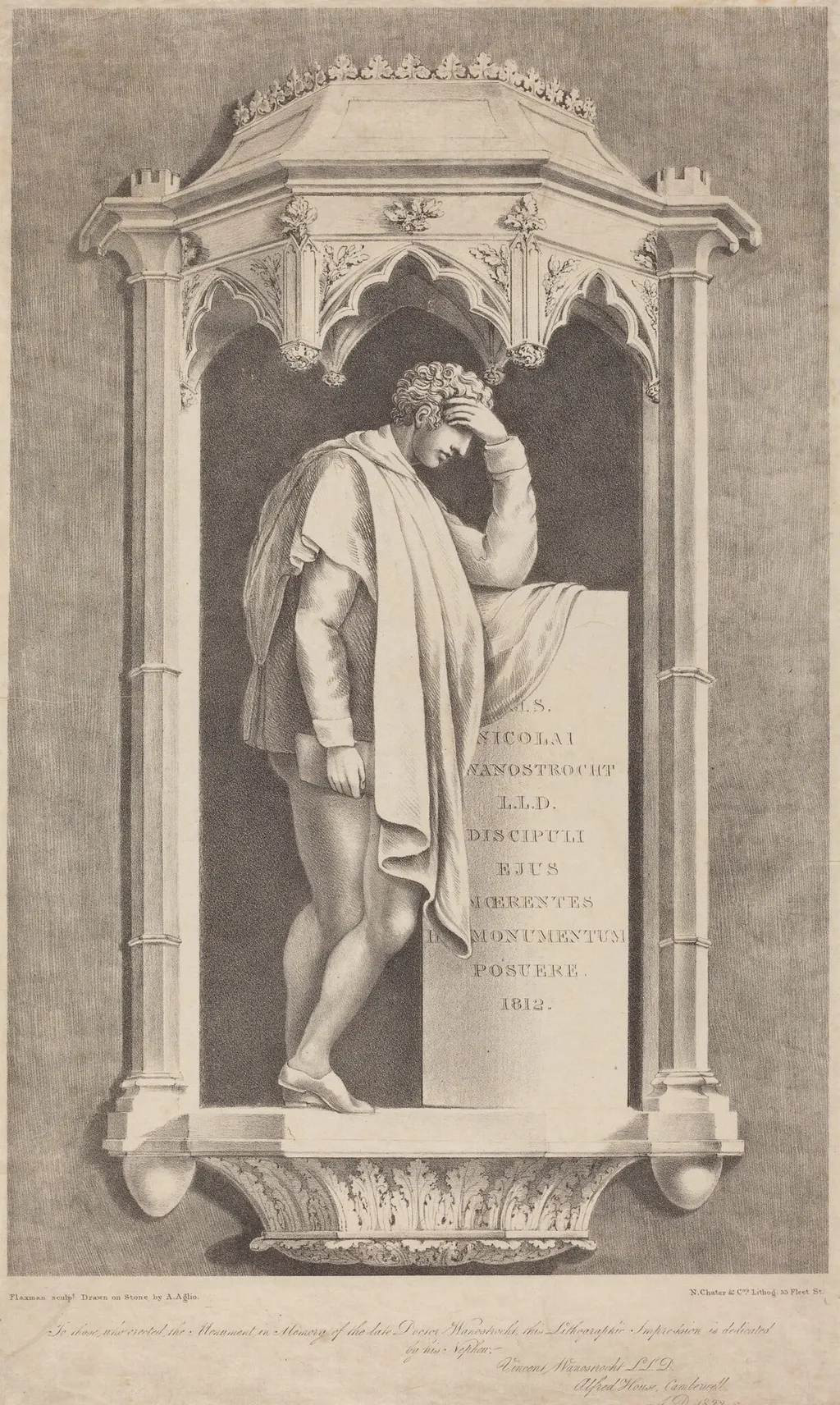
Monument to Nicolai Wanostrocht is an ink print by the Romanticist artist Augustine Aglio. It dates from 1822 and is held in the collection of the National Gallery of Art.
About this work
Overview
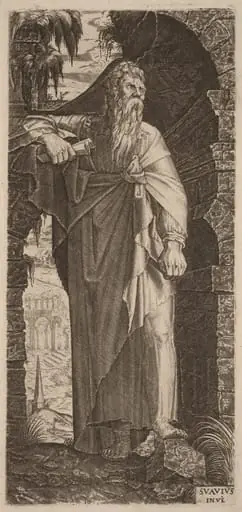
This 1822 lithograph by Augustine Aglio commemorates Nicolai Wanostrocht through a somber, introspective composition. Rendered in monochrome, the print depicts a solitary robed figure within an architectural niche, evoking themes of mourning or reflection. The work employs lithographic techniques to achieve tonal subtlety, with Latin inscriptions framing the scene.
Subject & Meaning
The central figure, posed in contemplative repose, embodies grief or reverence, its posture suggesting a moment of private remembrance. The tomb-like setting and Latin text reinforce the memorial function, directing the viewer’s attention to Wanostrocht’s legacy. The artwork’s restrained emotion and classical motifs align with early 19th-century commemorative conventions.
Technique & Style
Aglio’s lithograph demonstrates the medium’s capacity for delicate gradations of light and shadow, achieved through careful inking and stone preparation. The linear precision of the arched framework contrasts with the softer modeling of the figure’s robes, a stylistic duality typical of lithographic portraiture. The technique’s reproducibility made it suitable for commemorative prints.
History & Provenance
Created in 1822, the print was likely commissioned to honor Nicolai Wanostrocht, though details of its original distribution remain sparse. As a lithograph, it would have been produced in limited editions for private or institutional patrons. Its survival reflects the durability of early lithographic works, which often served as both art and documentation.
Context
The work emerges from a period when lithography gained prominence for its accessibility and expressive potential. Memorial imagery of this kind often blended personal tribute with classical allusions, catering to contemporary tastes for neoclassical aesthetics. The Latin inscription situates the print within a tradition of scholarly or civic commemoration.
Artist & collection


 Monument to John Hudleston
 Signorum Veterum Icones
 Apollo Belvedere
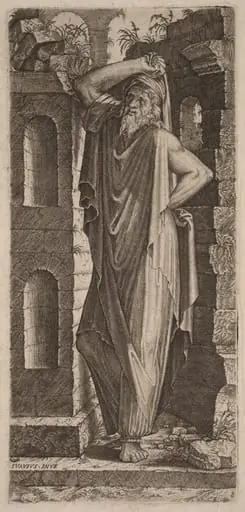 Saint Philip
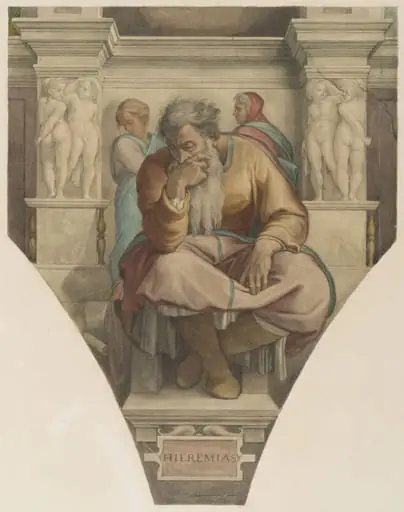 Copy after Michelangelo’s fresco of the ‘Prophet Jeremiah’ on the Sistine Chapel vault (Sistine Chapel, Rome, about 1512)
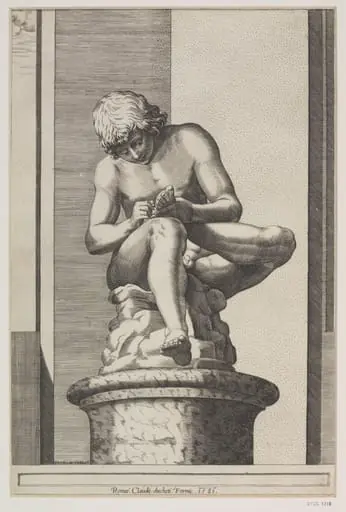 Untitled
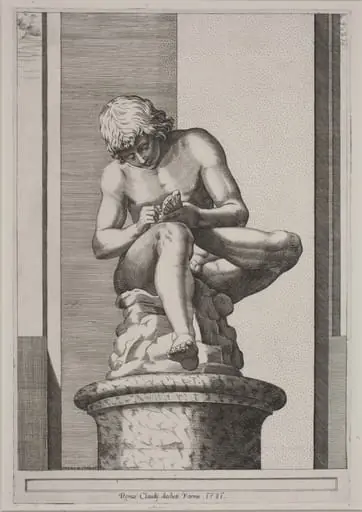 The Spinario
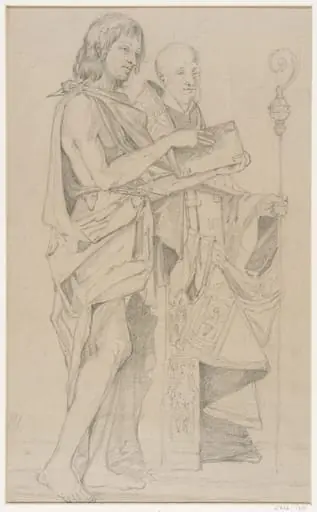 St. Nazzaro and St. Celso: study of part of an altarpiece by Bartolommeo Montagna
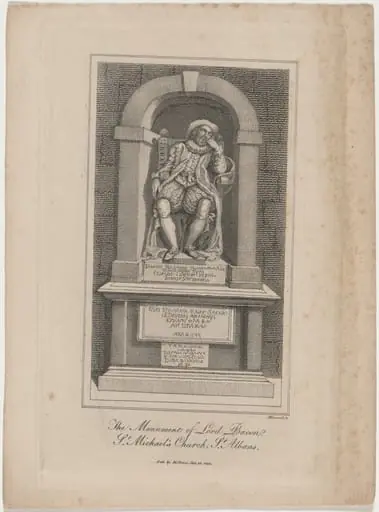 The Monument of Lord Bacon, Saint Michael's Church
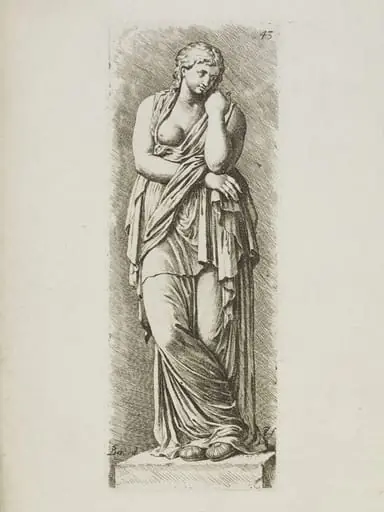 Signorum Veterum Icones
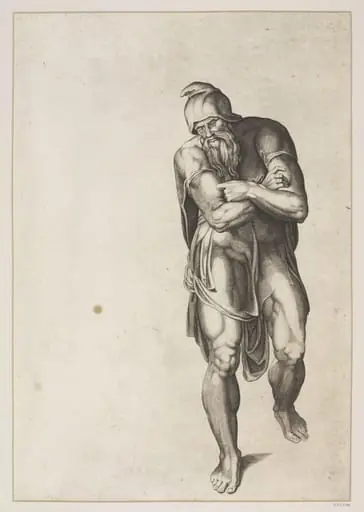 Untitled
 Saint Paul