Artwork
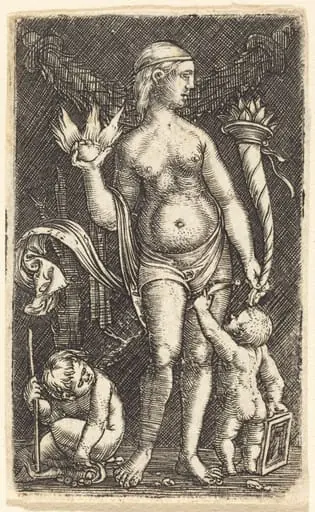
Venus between two cupids
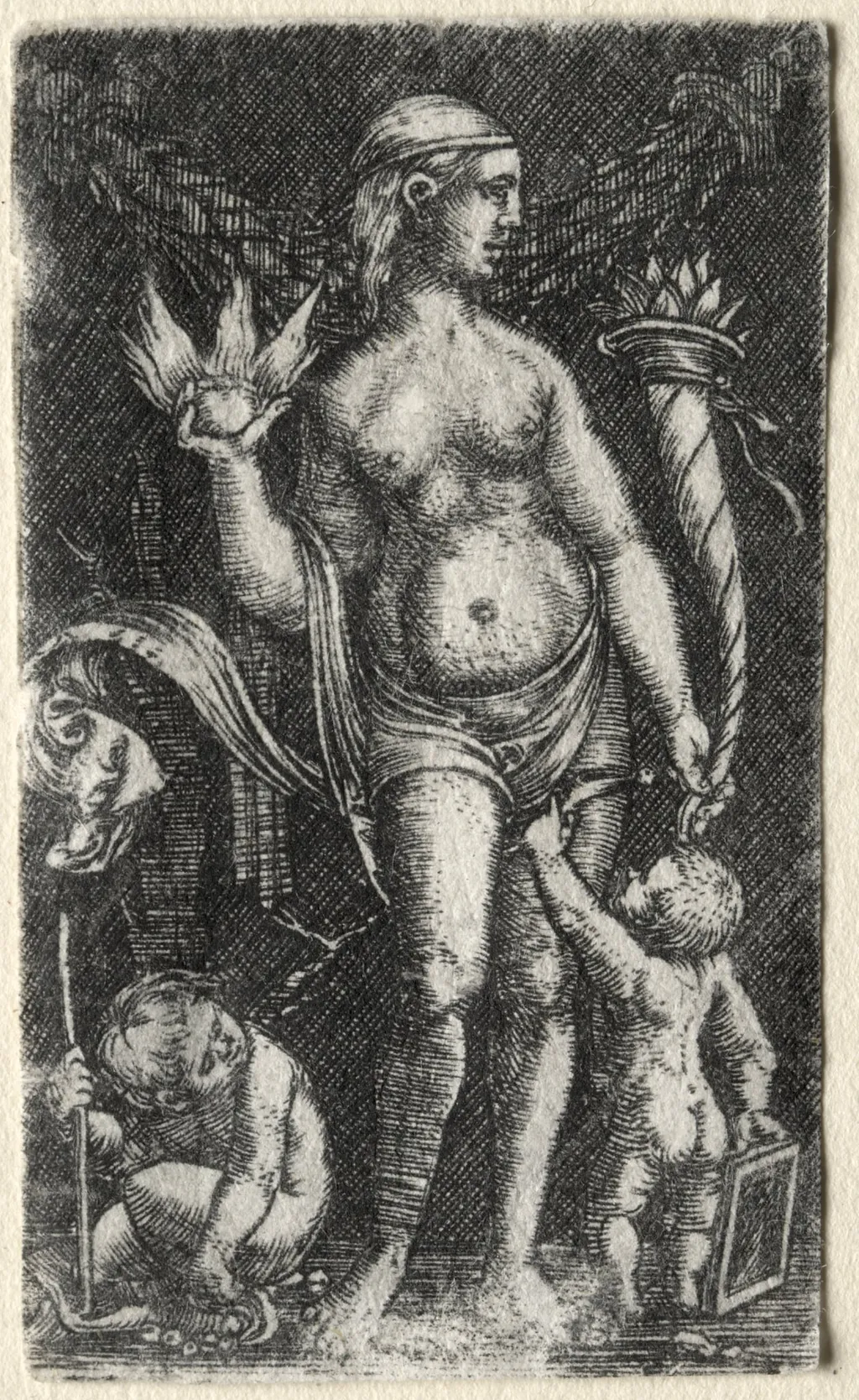
Venus between two cupids is a print by the Renaissance artist Albrecht Altdorfer. It dates from 1520 and is held in the collection of the Cleveland Museum of Art.
About this work
Overview
Venus between two cupids is a print created by Albrecht Altdorfer, a prominent German Renaissance artist, around 1520. As a key figure of the Danube School, Altdorfer was known for integrating mythological scenes into richly colored landscapes and producing intricate engravings.
Subject & Meaning
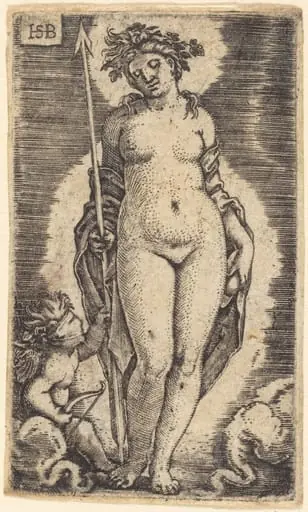
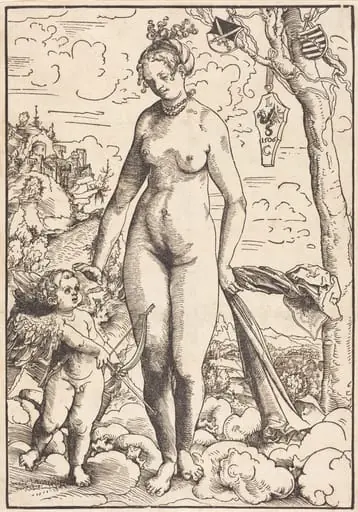
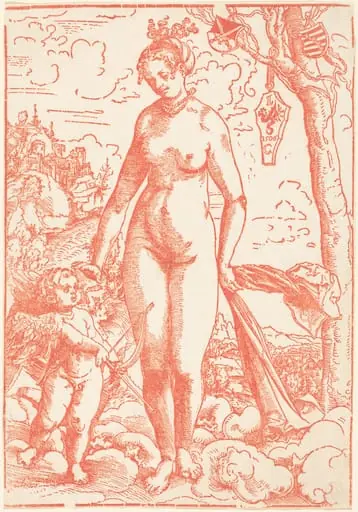
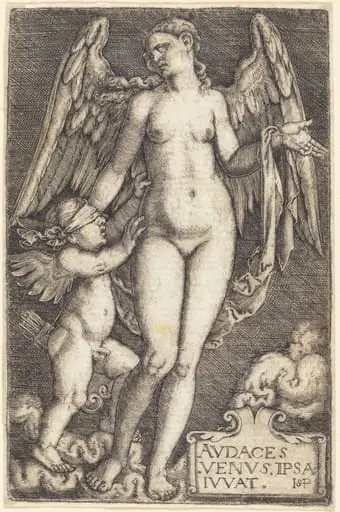
The print depicts the Roman goddess Venus, nude and flanked by two cupids, one holding a bow and the other an arrow. This composition reflects the Renaissance-era fascination with classical mythology, embodying themes of beauty and sensuality through its central figures.
Technique & Style
Executed in the Renaissance style, the work showcases meticulous attention to detail and realism. The use of chiaroscuro creates depth and volume in the figures, set against a dark background with subtle foliage, enhancing the overall sense of beauty and sensuality.
History & Provenance
Venus between two cupids is part of the collection at the Cleveland Museum of Art, though specific details of its creation history and ownership prior to its acquisition are not provided in the available information.
Context
This work is characteristic of the Danube School’s blend of vivid landscapes and detailed figurative work, though the dark background here underscores the focus on the mythological subject. It aligns with the broader Renaissance revival of classical themes in art.
Legacy
As part of Altdorfer’s oeuvre, Venus between two cupids contributes to the understanding of the Danube School’s influence on Renaissance art, particularly in its approach to mythological subjects and technical innovations like chiaroscuro.
Artist & collection
Artist
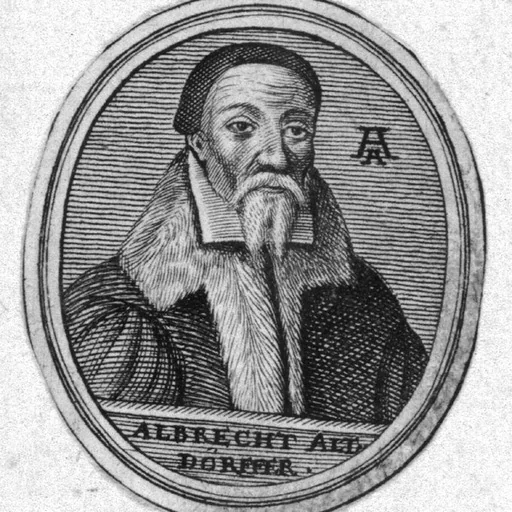
Albrecht Altdorfer (c. 1480 – 12 February 1538) was a German painter, engraver and architect of the Renaissance working in Regensburg. Along with Lucas Cranach the Elder and Wolf Huber he is regarded to be the main…