Artwork
Misfortune
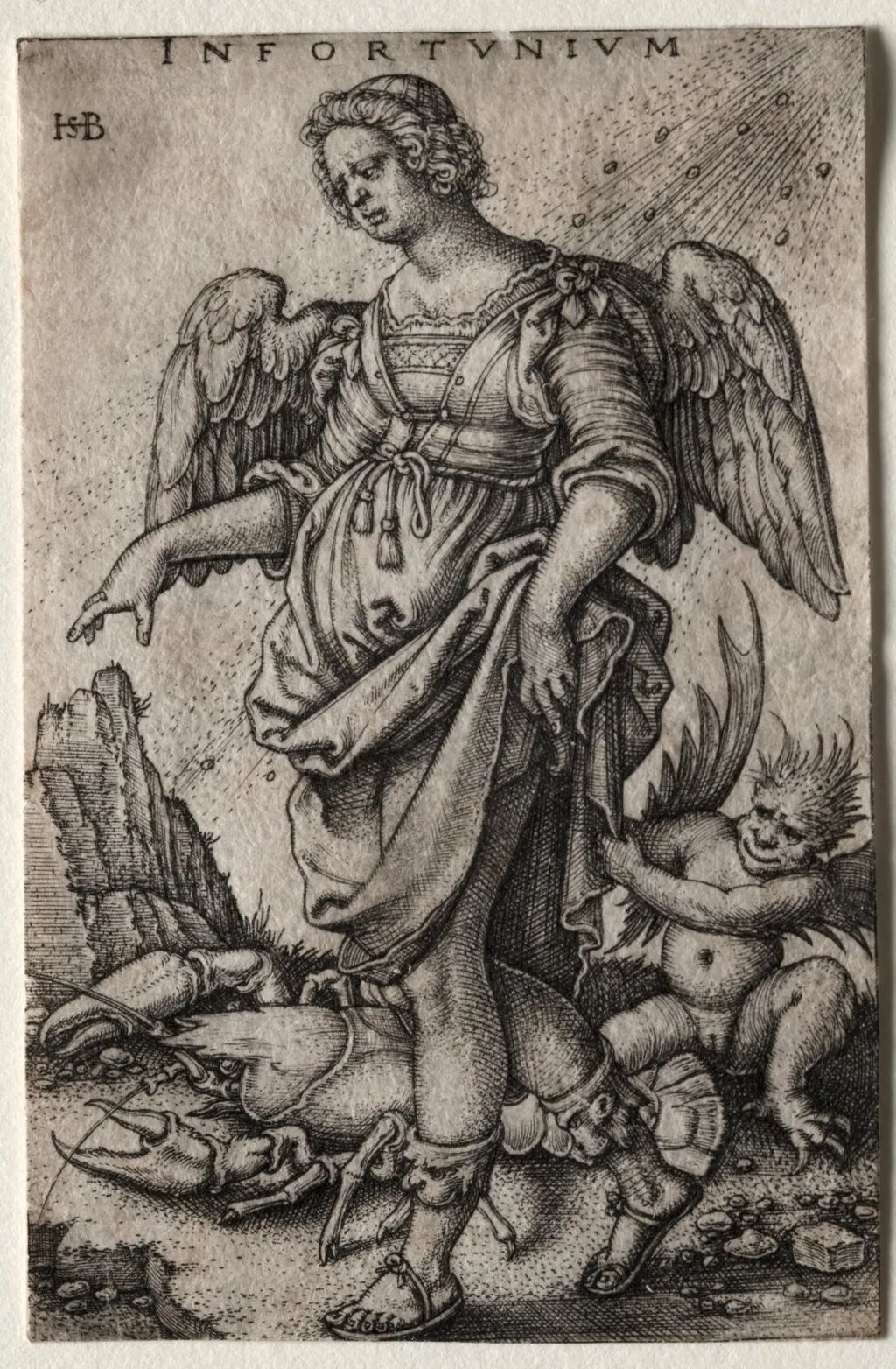
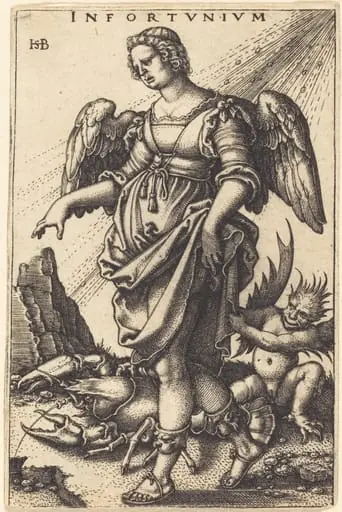
Misfortune is a print by the Renaissance artist Sebald Beham. It dates from 1541 and is held in the collection of the Cleveland Museum of Art.
About this work
Overview
Misfortune, a print created by German artist Hans Sebald Beham around 1541, is a characteristic work of the 'Little Masters' group, known for their small, detailed engravings. The piece is now part of The Cleveland Museum of Art's collection.
Subject & Meaning
The print depicts a winged, robed woman in distress within a rocky, ominous landscape. Her outstretched arm, grasped garment, and sorrowful expression, accompanied by a clinging winged creature, convey a scene of turmoil, sadness, and hardship, encapsulating the theme of misfortune.
Technique & Style
Beham employs chiaroscuro to achieve depth and volume, focusing attention on the central figure. This technique, alongside the detailed engraving typical of the 'Little Masters,' highlights the artist's skill in capturing emotional intensity through contrast and shadow.
History & Provenance
Created circa 1541 by Hans Sebald Beham, a prolific Nuremberg-born artist later based in Frankfurt, Misfortune is one of approximately 252 engravings in his oeuvre. The work is currently held in the collection of The Cleveland Museum of Art.
Context
As a member of the 'Little Masters,' Beham's work followed in the tradition of Albrecht Dürer but distinguished itself through smaller, intricately detailed pieces. Misfortune reflects the group's emphasis on expressive, often allegorical themes.
Legacy
While specific legacy details of Misfortune are not highlighted, as part of Beham's corpus, it contributes to the enduring interest in 16th-century German printmaking and the 'Little Masters' movement, influencing later generations of artists and printmakers.
Artist & collection
Artist
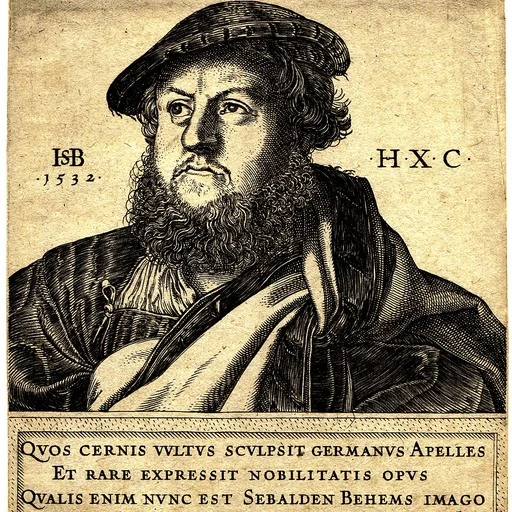
Sebald Beham (1500–1550) was a German painter and printmaker, mainly known for his very small engravings.


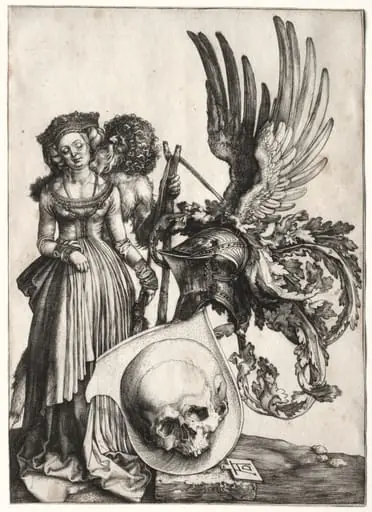 Coat of Arms with a Skull
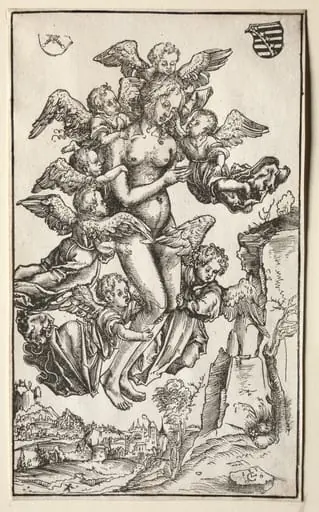 The Ecstasy of Saint Mary Magdalene
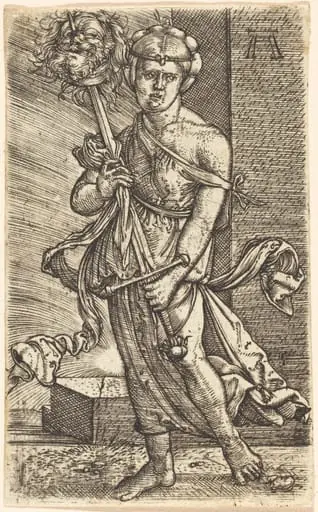 Judith with the Head of Holofernes
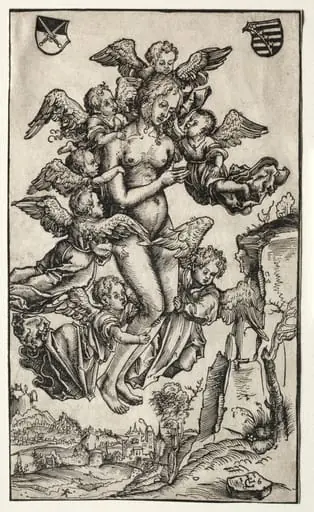 The Ecstasy of St. Mary Magdalene
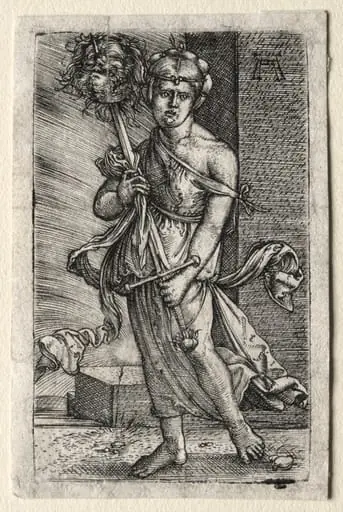 Judith
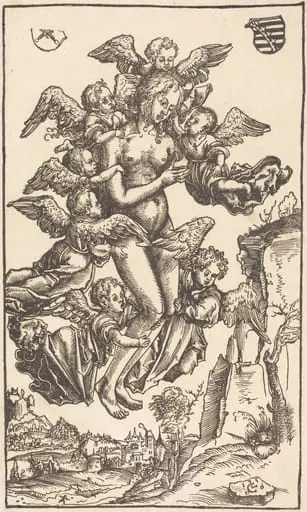 The Ecstasy of Saint Mary Magdalene
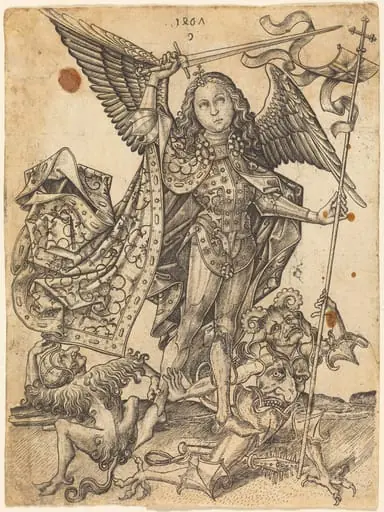 Saint Michael Defeating the Devils
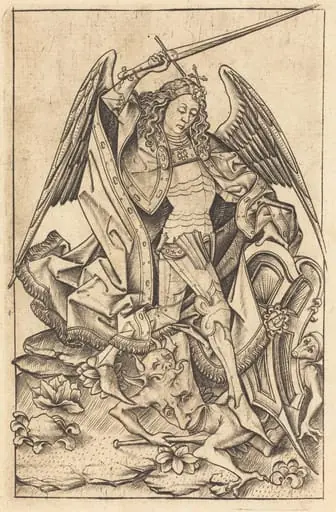 Saint Michael
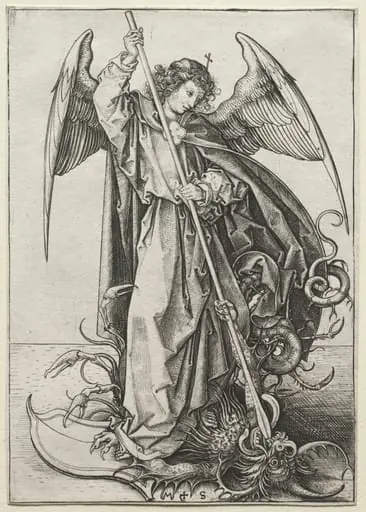 The Archangel Michael Piercing the Dragon
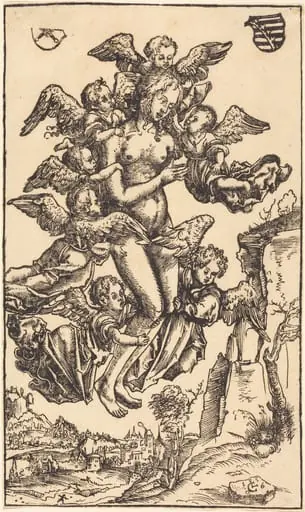 The Ecstasy of Saint Mary Magdalene
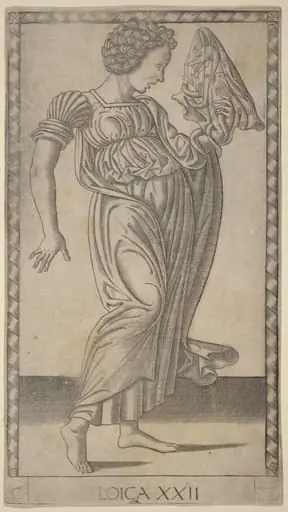 Loica (Logic)
 Infortunium (Misfortune)