Artwork
Via Crucis
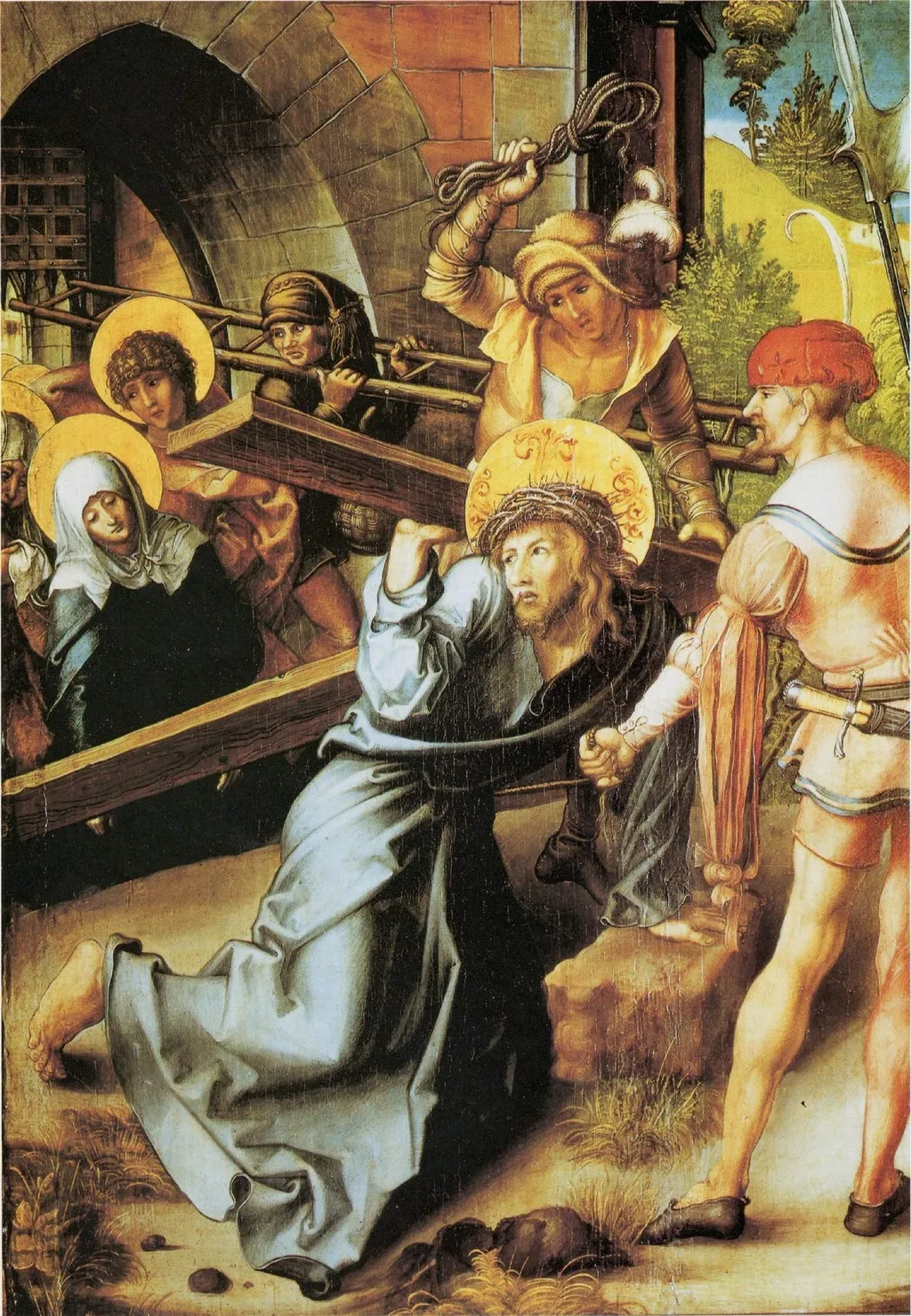
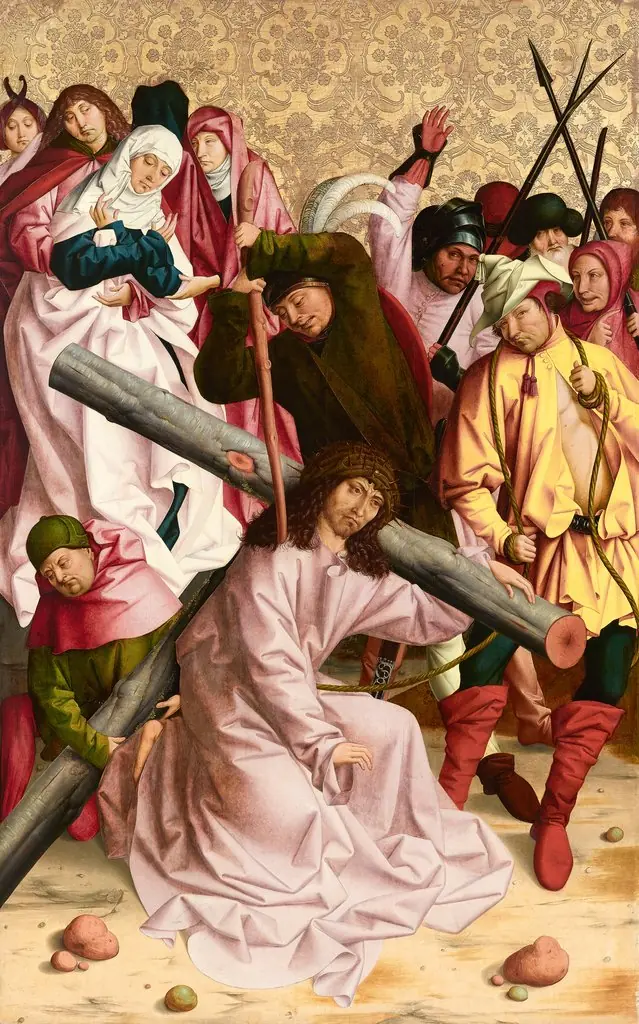
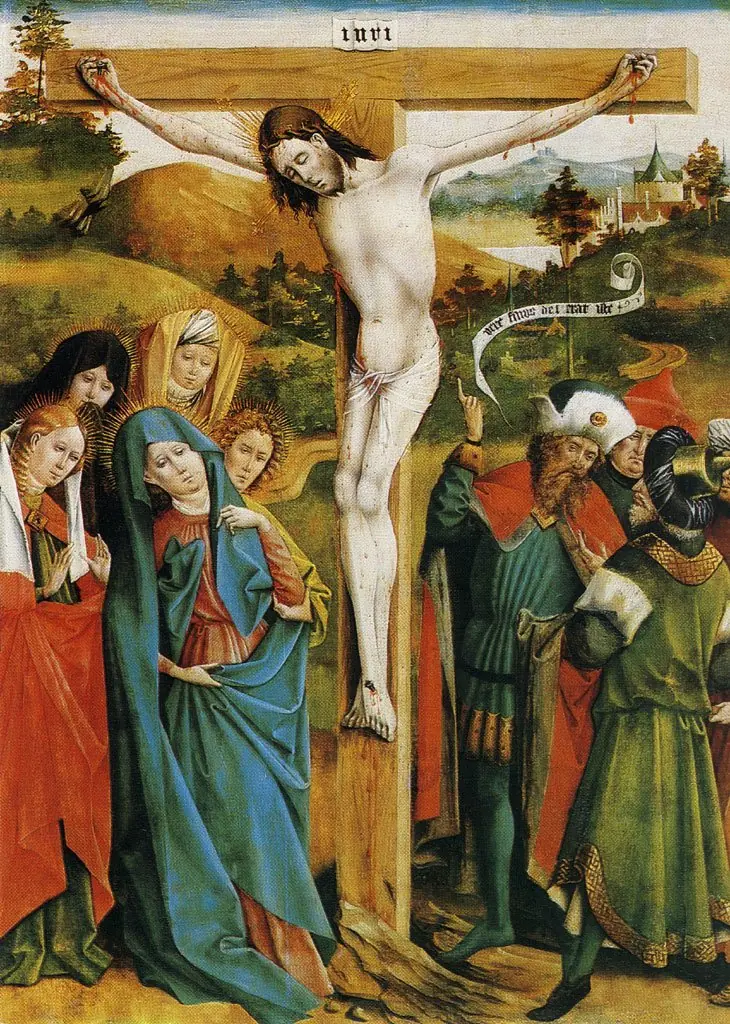
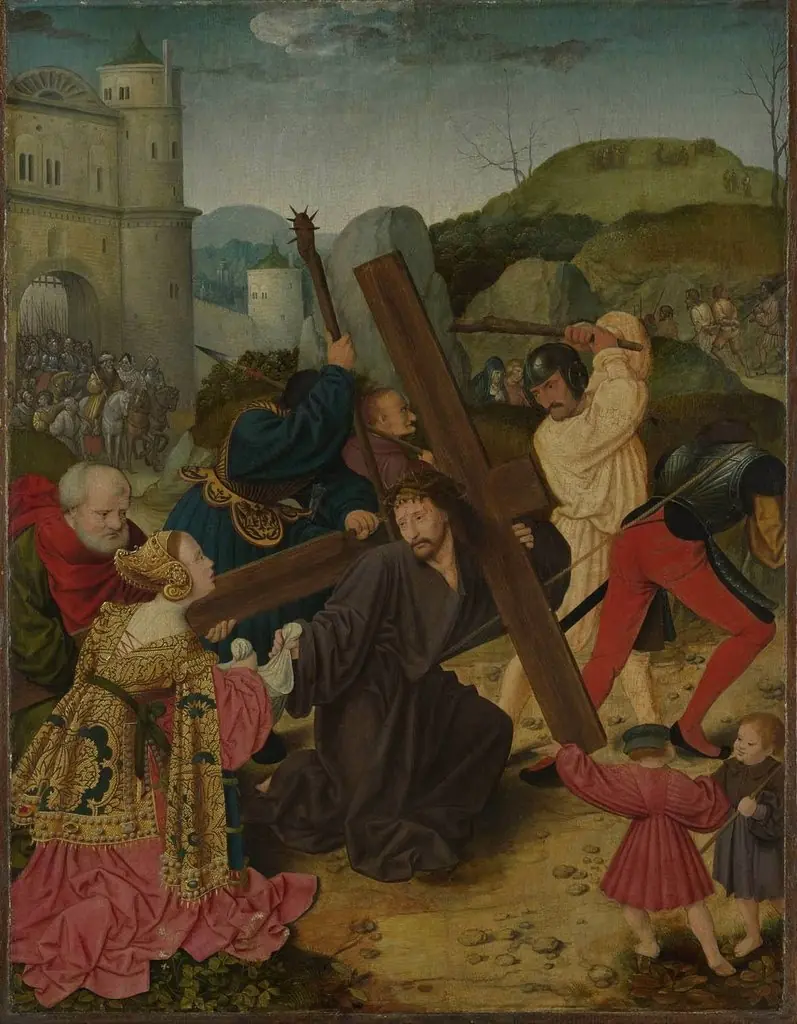
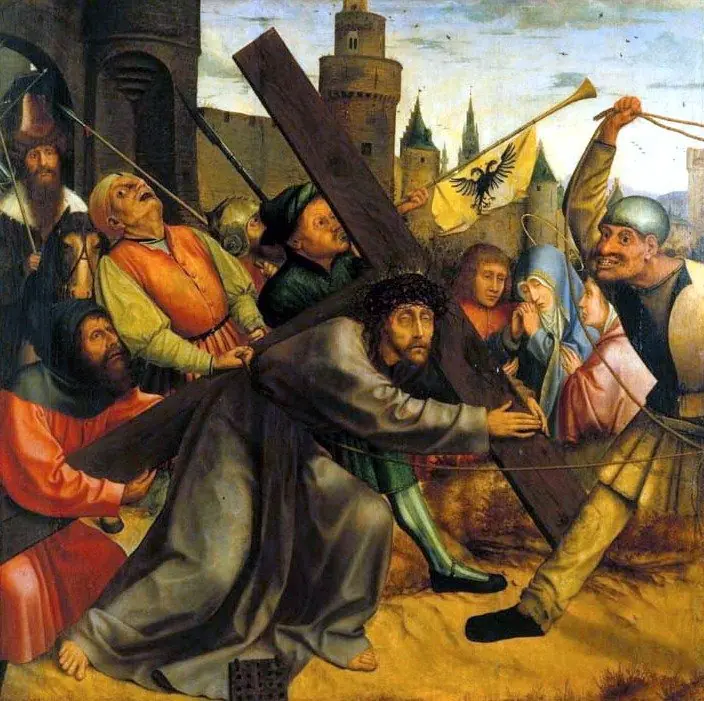
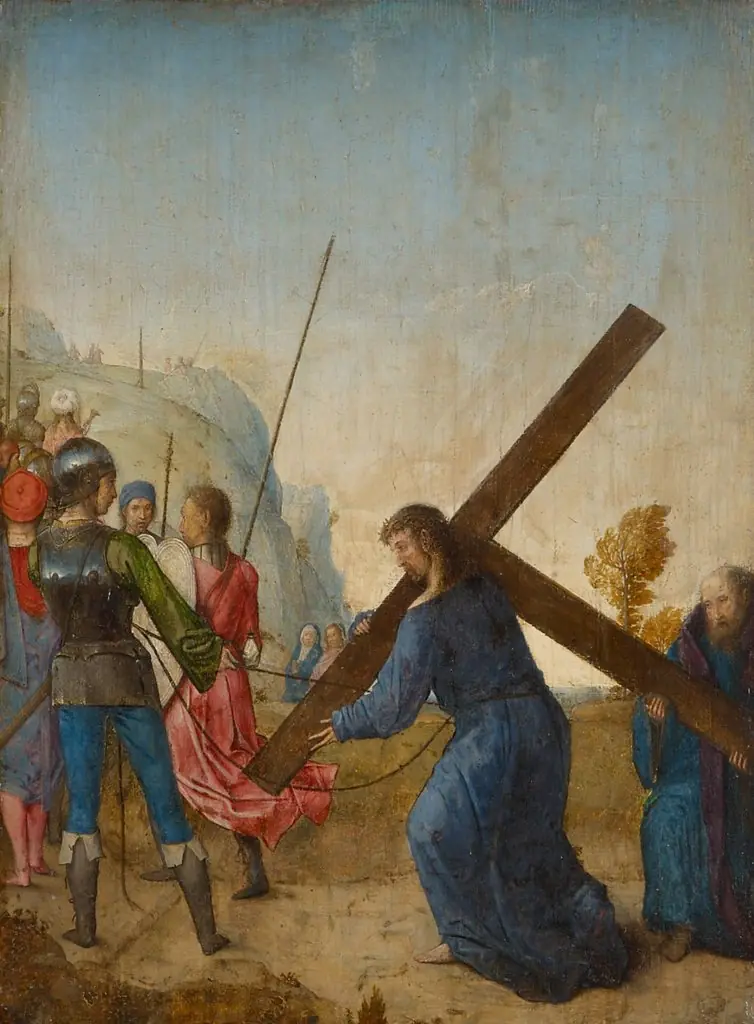
Via Crucis is an oil painting by the Northern Renaissance artist Albrecht Dürer. It dates from 1498 and is held in the collection of the Staatliche Kunstsammlungen Dresden.
About this work
Overview
Via Crucis, painted in 1498 by Albrecht Dürer, is an oil painting depicting a pivotal moment in the Passion of Jesus Christ. Characteristic of the Northern Renaissance, it showcases Dürer's mastery of the medium.
Subject & Meaning
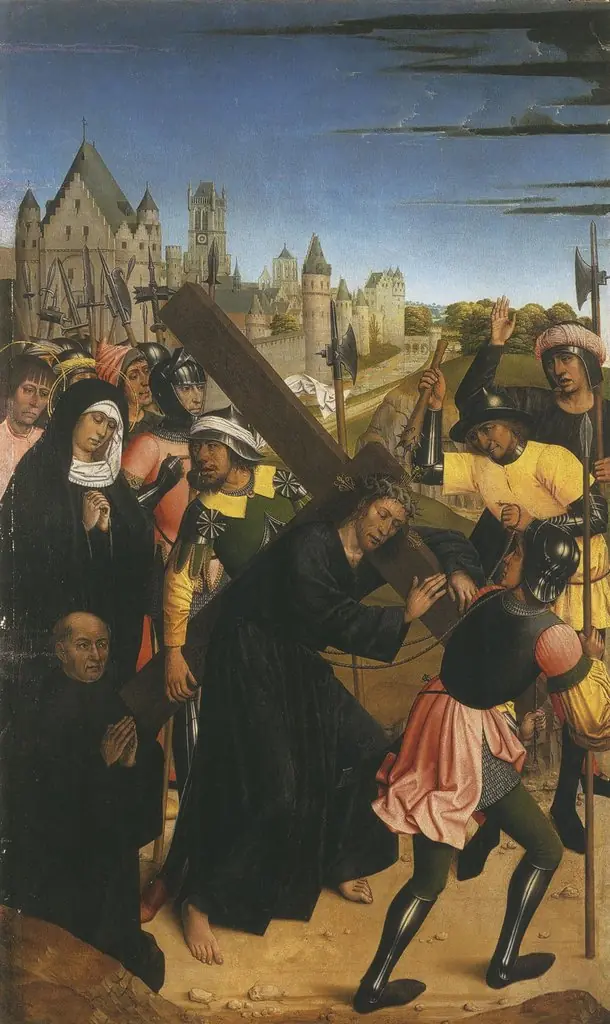
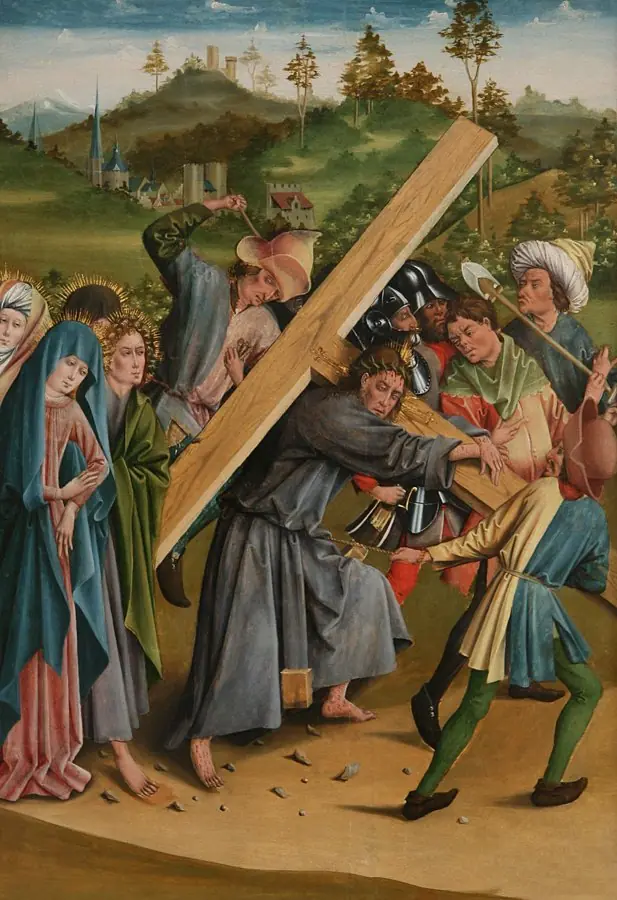
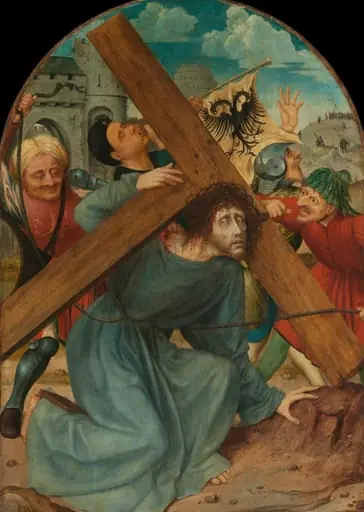
The painting illustrates Jesus, identifiable by his crown of thorns and white robe, being forcibly led while bearing a large wooden cross. His expression conveys intense pain, evoking a sense of tension and drama among the surrounding spectators.
Technique & Style
Dürer employed chiaroscuro to create profound depth and emotional resonance, focusing the viewer's attention on Jesus's suffering. This technical choice underscores the dramatic and devotional aspects of the scene.
History & Provenance
Created by the renowned German Renaissance artist Albrecht Dürer in 1498, Via Crucis is now part of the Gemäldegalerie Alte Meister's collection, reflecting Dürer's broad influence as a painter, printmaker, and theorist.
Context
As a work of the Northern Renaissance, Via Crucis reflects the period's emphasis on detailed realism and emotional depth in religious subjects, aligning with Dürer's early recognition for innovative woodcut prints.
Legacy
While specific legacy details of Via Crucis are not highlighted, as a Dürer work, it contributes to his overarching impact on European art, particularly in the dissemination of Northern Renaissance styles and themes.
Own this work as a print
Artist & collection
Artist
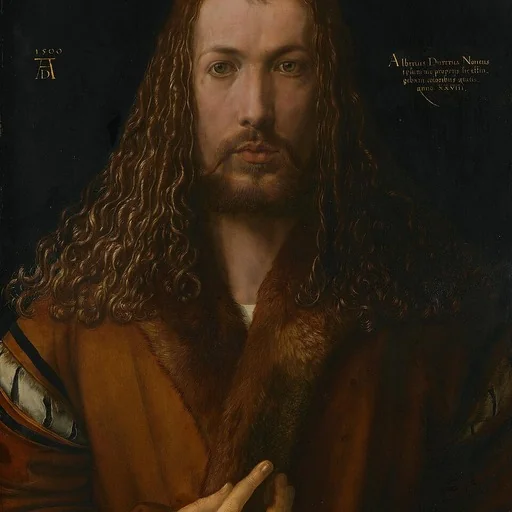
Albrecht Dürer spent his life in Nuremberg, a busy German city where artists traded prints like currency.

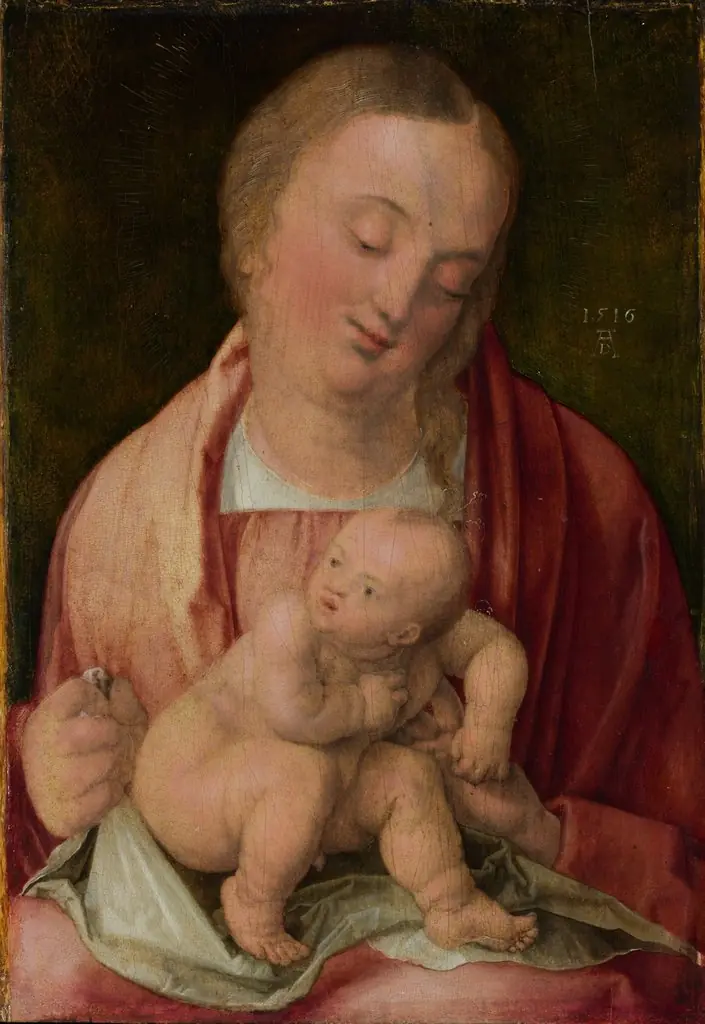
![Madonna and Child [obverse], by Albrecht Dürer](https://artifactworldgallery.com/img/albrecht-durer--madonna-and-child-obverse--d7b8ebf05d22ebe5-w320.webp)
![Lot and His Daughters [reverse], by Albrecht Dürer](https://artifactworldgallery.com/img/albrecht-durer--lot-and-his-daughters-reverse--b4ebf9b282faa17a-w320.webp)