Artwork
Matthew
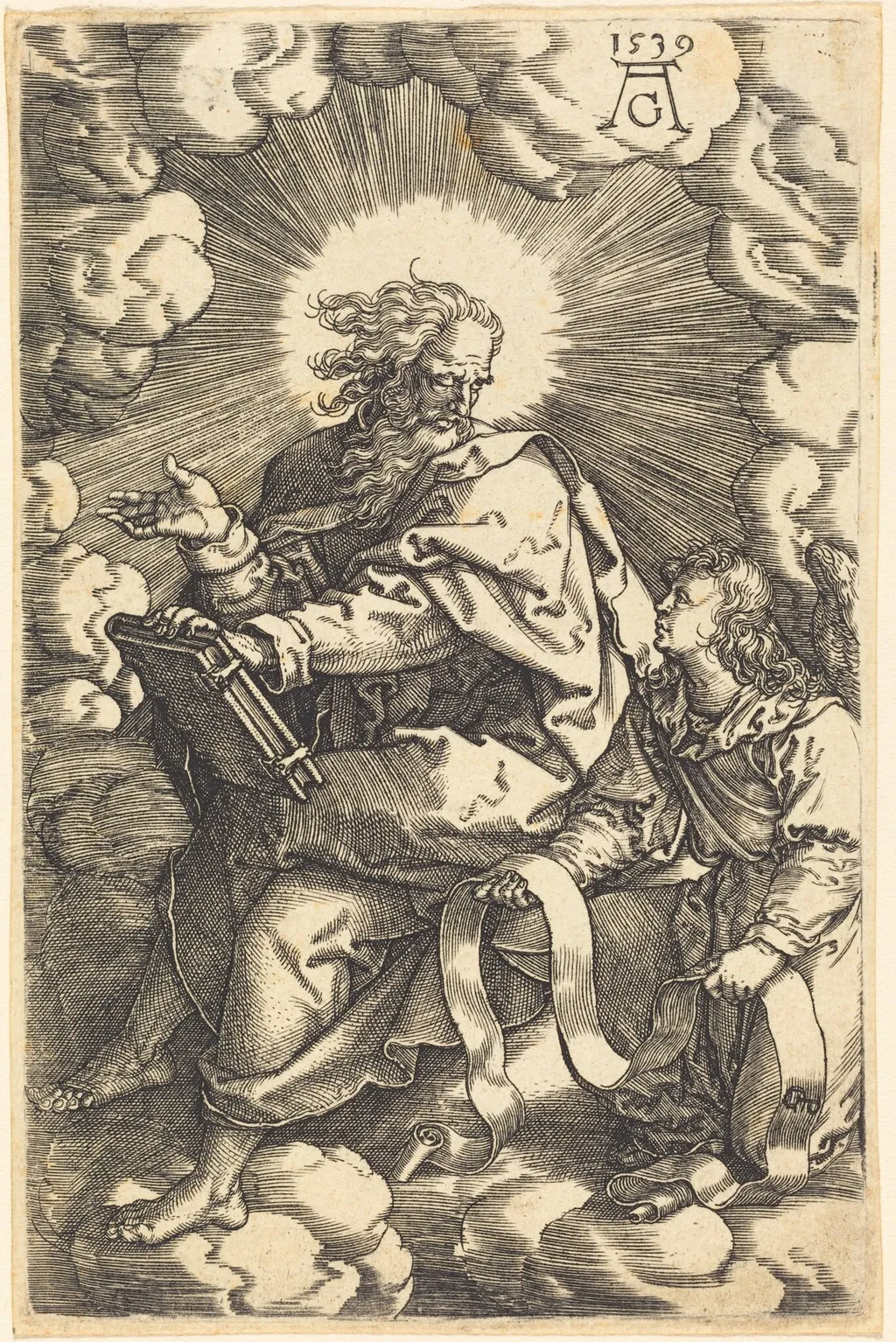
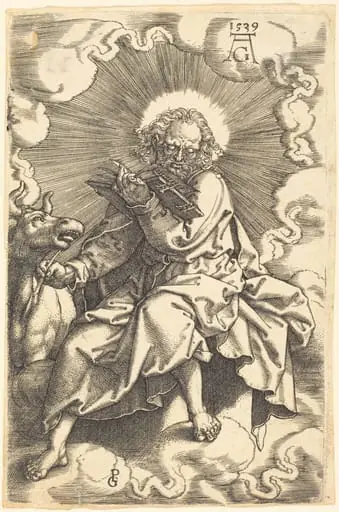
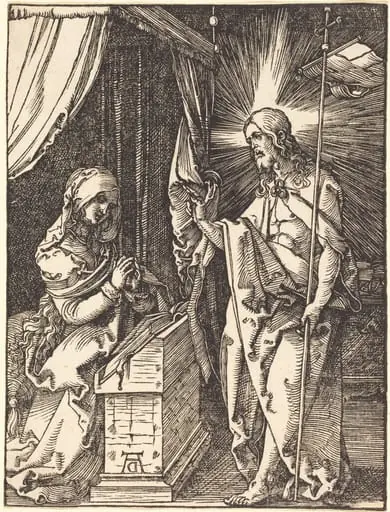
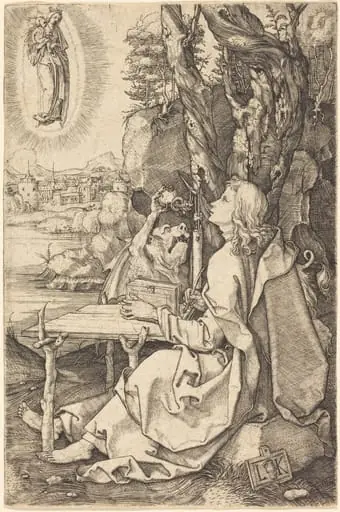
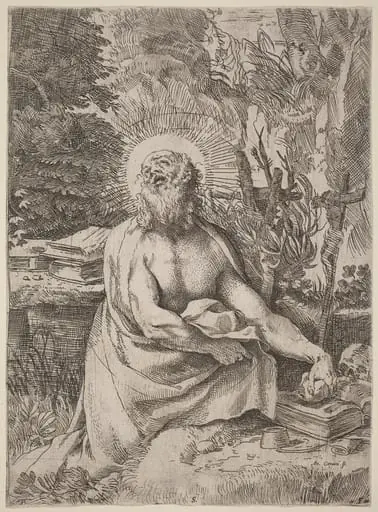
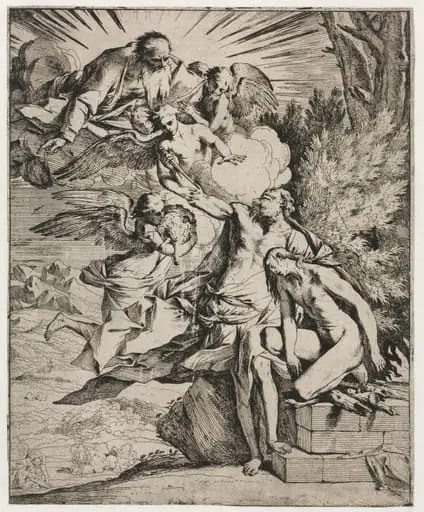
Matthew is an ink print by the Northern Renaissance artist Heinrich Aldegrever. It dates from 1539 and is held in the collection of the National Gallery of Art.
About this work
The etching is detailed and small, which was typical of the time.
This painting shows a man, Matthew.
He's dressed in old clothes.
The artist made this etching in 1539, which is a pretty old technique - it involves scratching a design into a metal plate, then using that plate to print the image.
The etching is detailed and small, which was typical of the time.
This kind of work required a lot of skill and patience.
You can learn more about this technique by looking into etching.
Overview
Created in 1539, *Matthew* is an etching by the German artist Heinrich Aldegrever, a key figure among the Little Masters. This small-scale print belongs to a tradition of intricate graphic work that emerged in the wake of Albrecht Dürer’s innovations. Aldegrever’s technique emphasized fine line work and detailed composition, suited to the intimate format favored by Northern Renaissance printmakers.
Subject & Meaning
The print portrays Matthew, one of the twelve apostles and author of the Gospel bearing his name. Dressed in modest, period-appropriate garments, he is rendered without overt symbolism, focusing instead on quiet dignity. The choice of subject reflects the Protestant emphasis on scriptural authority and individual piety, aligning with the religious climate of early 16th-century Germany.
Technique & Style
Aldegrever employed etching to achieve precise, delicate lines across a compact surface. The method involved coating a metal plate with wax, scratching the design through it, and then using acid to bite the exposed lines. His style is characterized by rhythmic, controlled strokes and a restrained palette, emphasizing texture and form over dramatic contrast, typical of his meticulous approach to graphic art.
History & Provenance
The etching was produced during Aldegrever’s active years in Paderborn, where he worked alongside other regional printmakers. While specific early ownership records are sparse, the work aligns with the broader circulation of small-format prints among educated laypeople and clerics in Lutheran territories. Its survival reflects the value placed on portable, reproducible religious imagery in Reformation-era Europe.
Context
In the decades following the Protestant Reformation, printed images served as tools for religious instruction and personal devotion. Aldegrever’s *Matthew* fits within a wave of biblical portraiture produced by Northern artists who adapted humanist ideals to devotional subjects. The small size made such prints accessible and collectible, contrasting with larger altarpieces of the Catholic tradition.
Legacy
Aldegrever’s *Matthew* exemplifies the enduring influence of the Little Masters in shaping the aesthetics of Northern printmaking. Though less celebrated than Dürer, his refined technique and disciplined line work contributed to the development of graphic art as a medium for intellectual and spiritual engagement. His prints remain studied for their technical precision and quiet expressive power.
Artist & collection

Artist
Heinrich Aldegrever or Aldegraf was a German painter and engraver. He was one of the "Little Masters", the group of German artists making small old master prints in the generation after Albrecht Dürer.