Artwork
Worshippers at a Shrine in a Mountainous Landscape
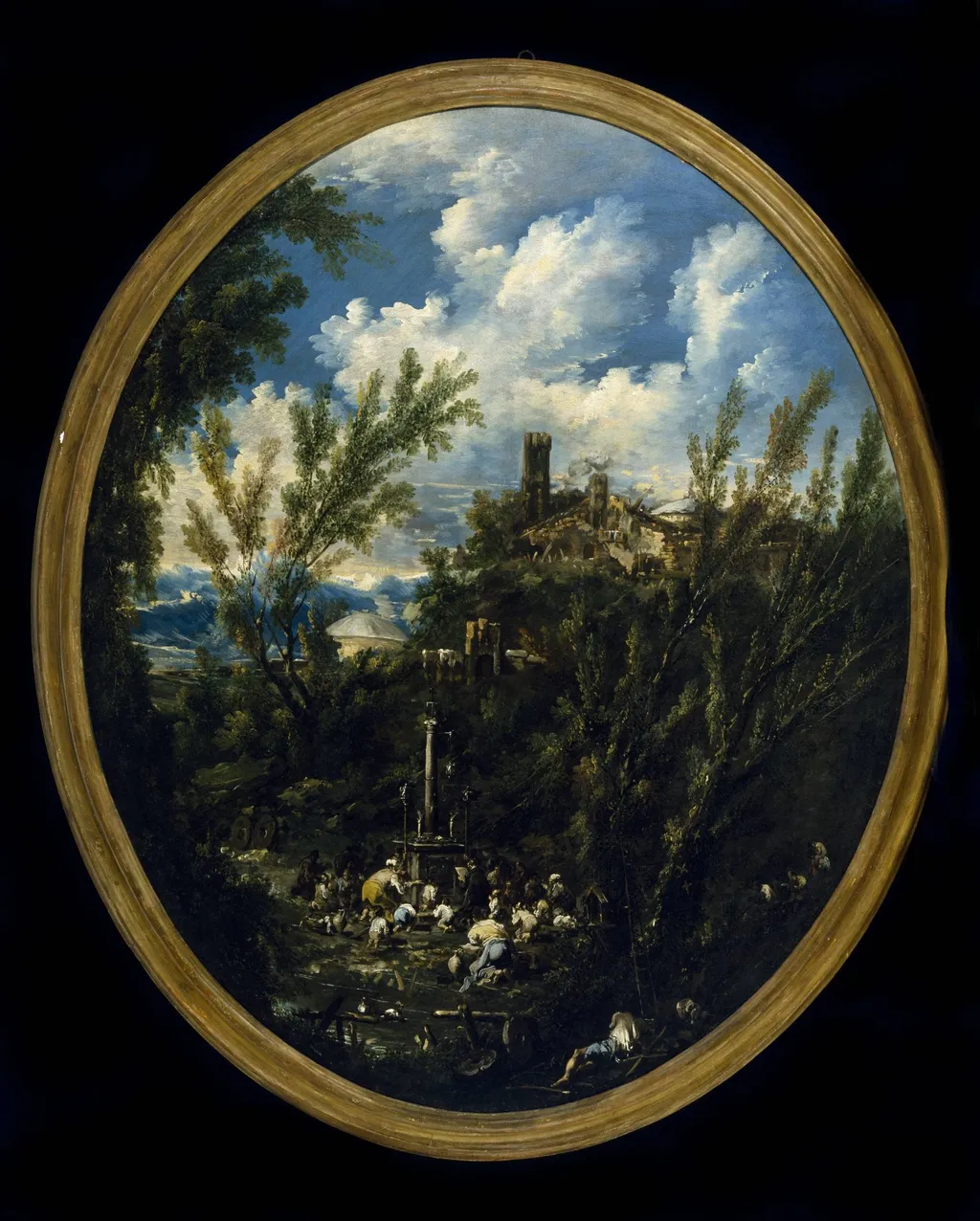
Worshippers at a Shrine in a Mountainous Landscape is an oil painting by the Early Baroque Italian artist Alessandro Magnasco. It dates from 1702 and is held in the collection of the Museum of Fine Arts, Houston.
About this work
Alessandro Magnasco was an Italian artist, and this fact might help understand the context of the painting.
This painting is called Worshippers at a Shrine in a Mountainous Landscape.
It was made by Alessandro Magnasco in 1702.
The artist used oil paint to create this work, which is now held at the Museum of Fine Arts Houston.
Alessandro Magnasco was an Italian artist, and this fact might help understand the context of the painting.
You can learn more about this style by looking into the technique of chiaroscuro.
Overview
Painted in 1702 by Alessandro Magnasco, this oil-on-canvas work presents a quiet moment of devotion amid a rugged alpine setting. Magnasco, active in northern Italy, favored unconventional compositions that blended landscape with intimate human activity. The painting’s atmospheric depth and loose handling distinguish it from more formal religious works of the period, reflecting a personal, almost improvisational approach to Baroque themes.
Subject & Meaning
A small group of pilgrims gathers at a humble mountain shrine, their postures suggesting quiet reverence rather than grand ritual. The setting—remote, weathered, and untamed—positions faith as something rooted in solitude and endurance. The shrine itself is modest, almost swallowed by the terrain, implying that spiritual practice here is personal and unmediated by institutional grandeur.
Technique & Style
Magnasco employed rapid, expressive brushwork to suggest texture and movement, particularly in the rocky outcrops and fluttering garments. Light falls unevenly, creating pockets of shadow and glow that enhance the sense of atmosphere over detail. His use of chiaroscuro is subtle, not theatrical; it serves to unify the scene emotionally rather than to dramatize it, aligning with his preference for mood over narrative clarity.
History & Provenance
The painting has remained in private and institutional collections since its creation, eventually entering the Museum of Fine Arts, Houston’s holdings. Its survival reflects a growing 20th-century appreciation for Magnasco’s idiosyncratic style, which was once considered eccentric. Unlike many contemporaries, he did not seek royal or ecclesiastical patronage, and his works were often acquired by collectors drawn to their emotional resonance over conventional beauty.
Context
In early 18th-century Italy, religious art typically emphasized clarity and grandeur. Magnasco’s work diverged by focusing on marginal figures and wild landscapes, echoing regional traditions of folk piety. His style, influenced by Genoese and Lombard painting, resisted the academic norms of Rome and Florence, instead embracing a more spontaneous, almost proto-Romantic sensibility that anticipated later shifts in European art.
Legacy
Magnasco’s approach to landscape and devotion influenced later artists interested in emotional authenticity over formal perfection. Though overlooked for much of the 19th century, his work regained attention in the 20th century as scholars reevaluated Baroque diversity. Today, this painting stands as an example of how spiritual experience could be rendered without spectacle, through atmosphere, gesture, and the quiet power of place.
Artist & collection
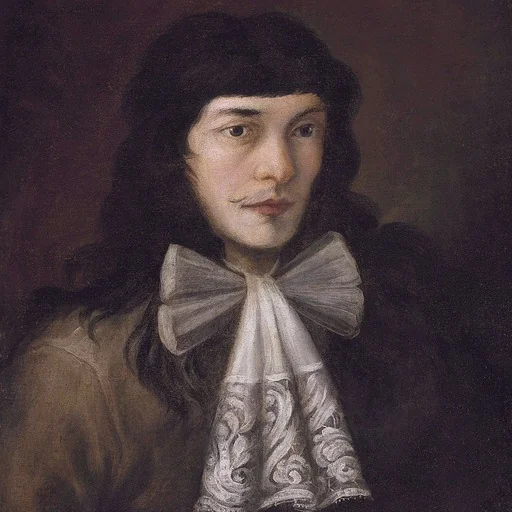
Artist
Alessandro Magnasco (February 4, 1667 – March 12, 1749), also known as il Lissandrino, was an Italian late-Baroque painter active mostly in Milan and Genoa.

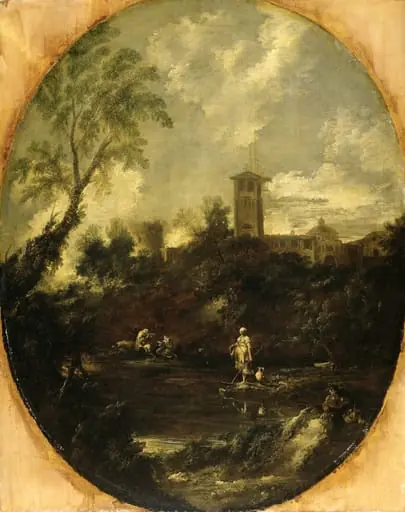 Landscape with Monks, Pilgrim and Peasant Woman
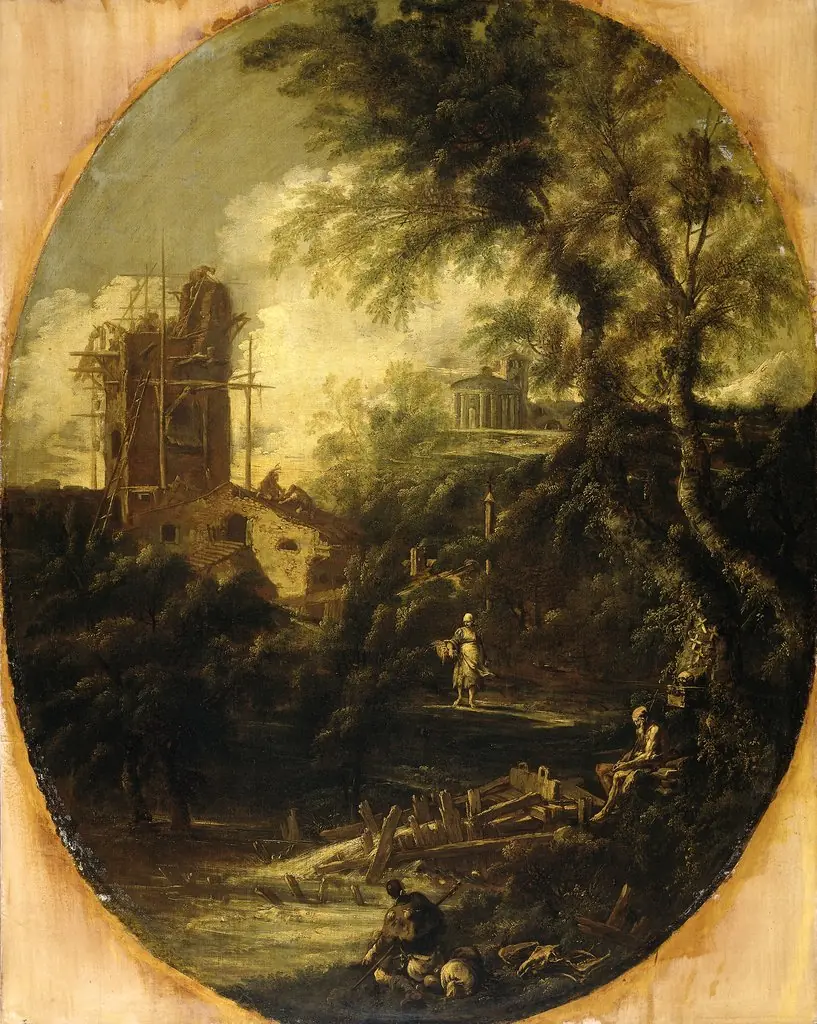 Landscape with Hermit, Pilgrim and Peasant Woman
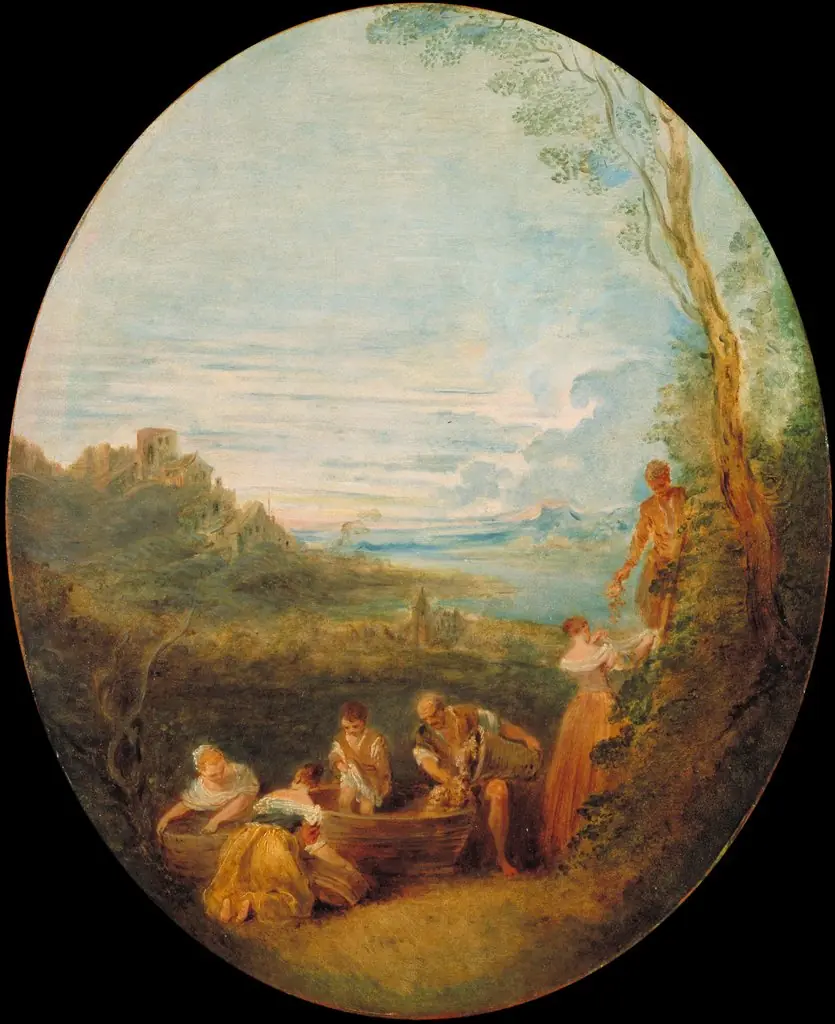 Autumn
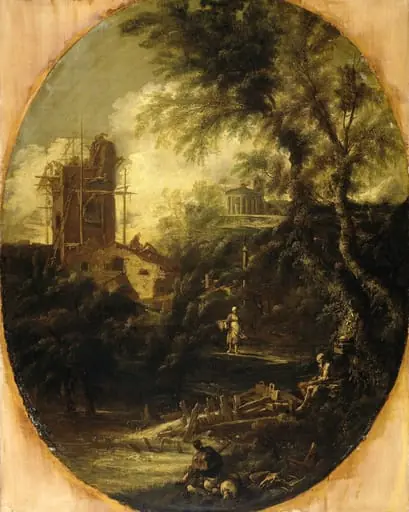 Landscape with Hermit, Pilgrim and Peasant Woman
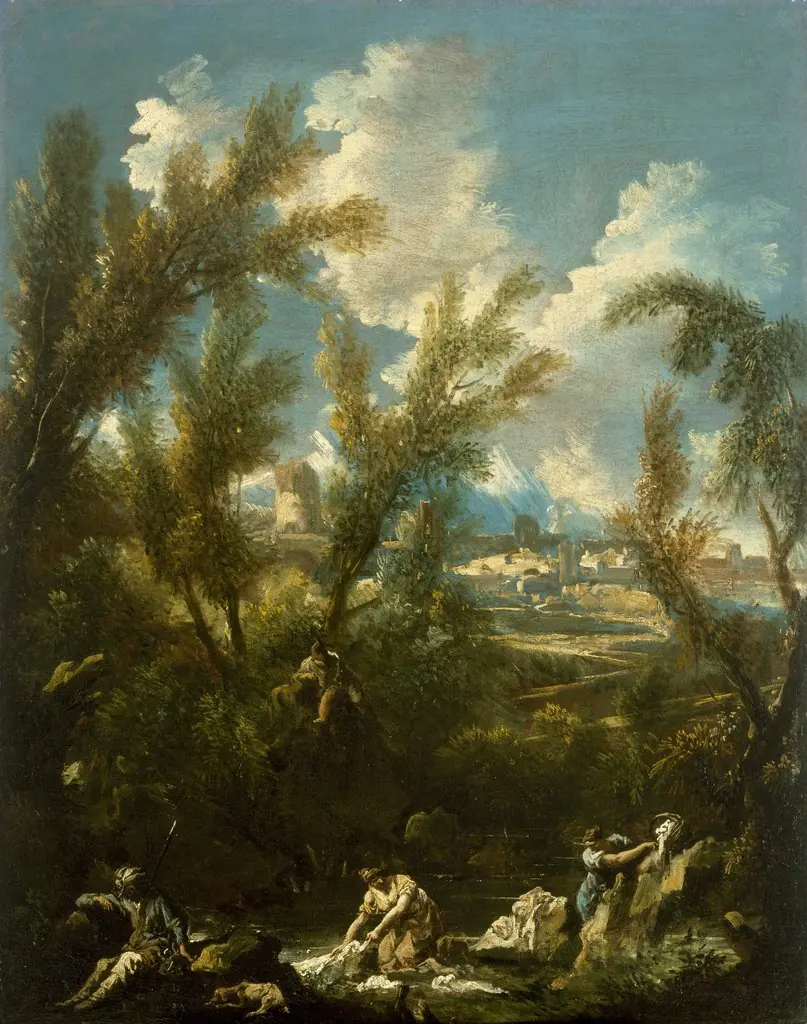 Landscape with Washerwoman
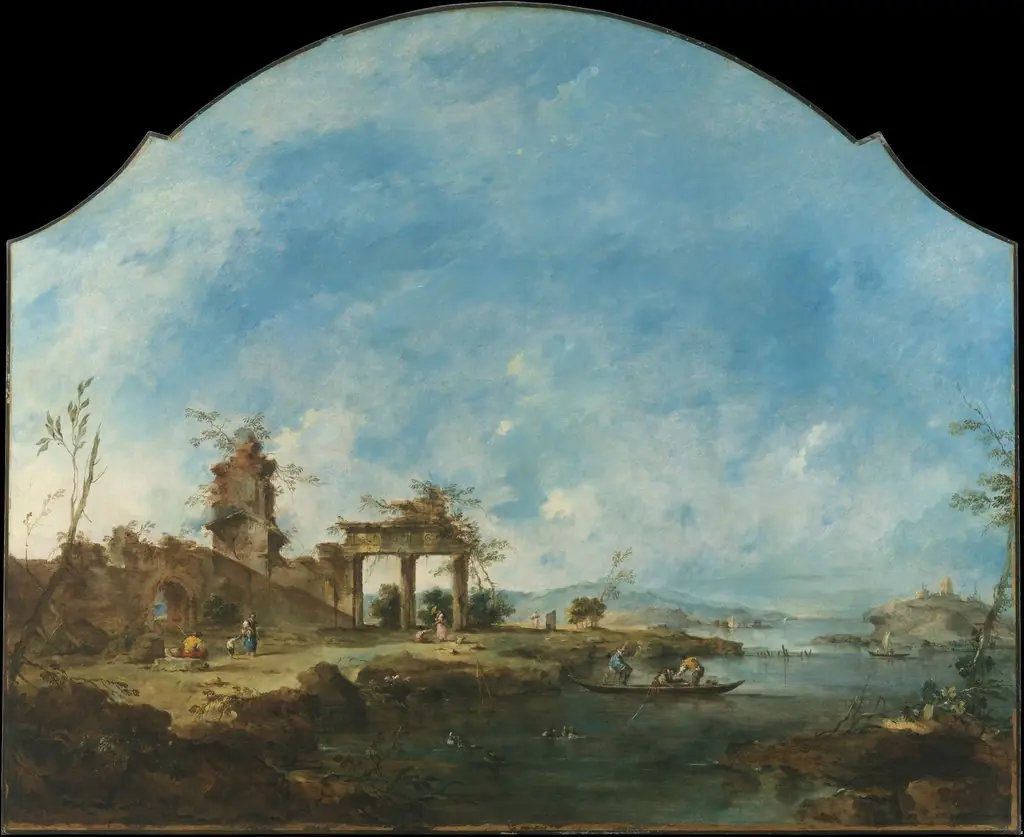 Fantastic Landscape
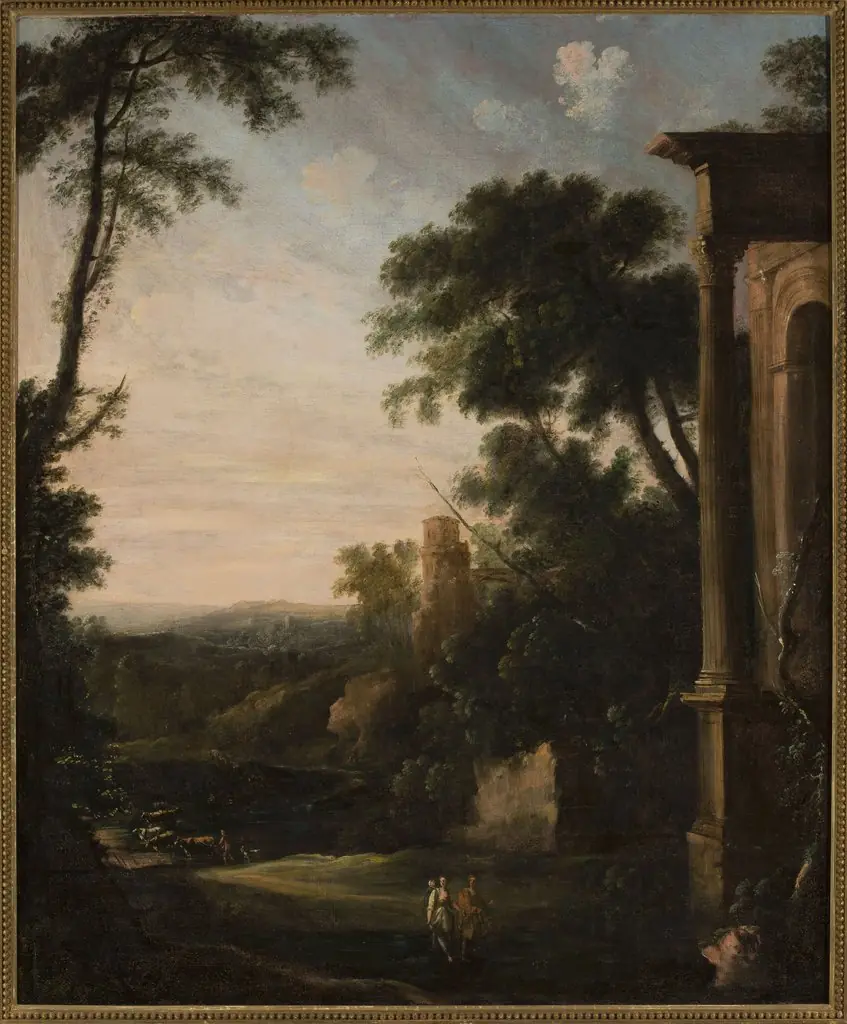 Landscape with architecture and staffage
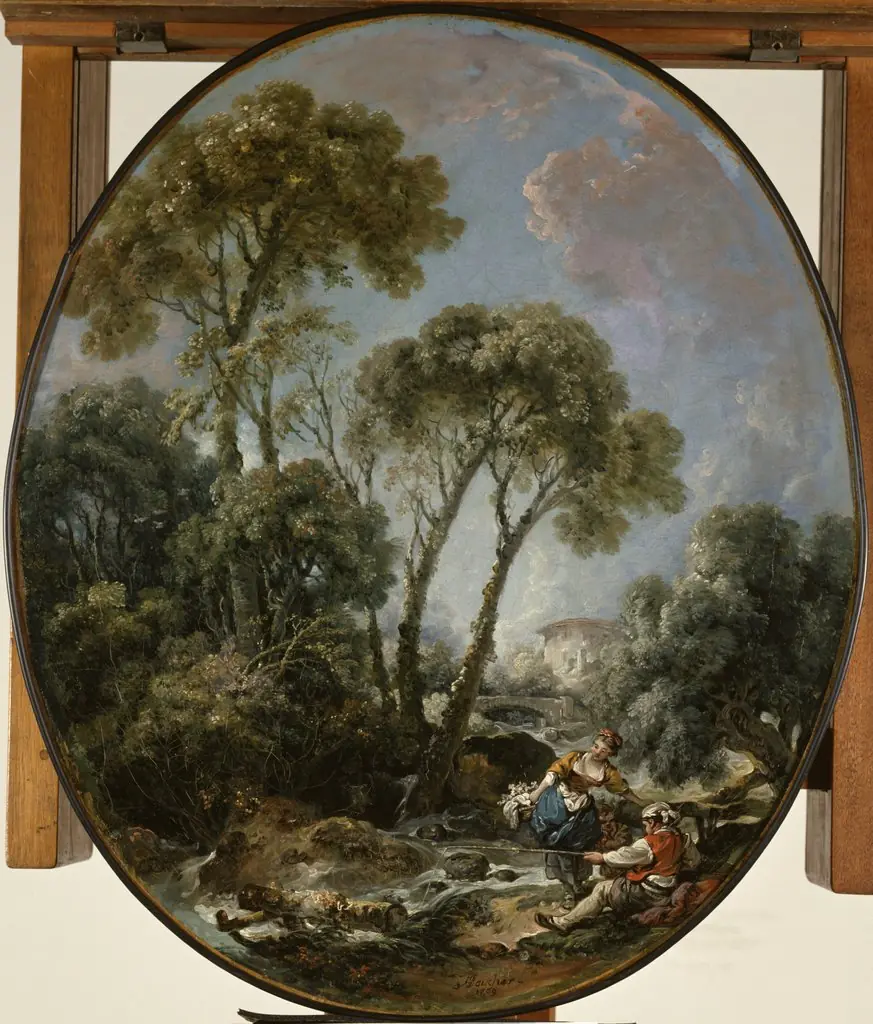 Landscape with Fisherman and a Young Woman
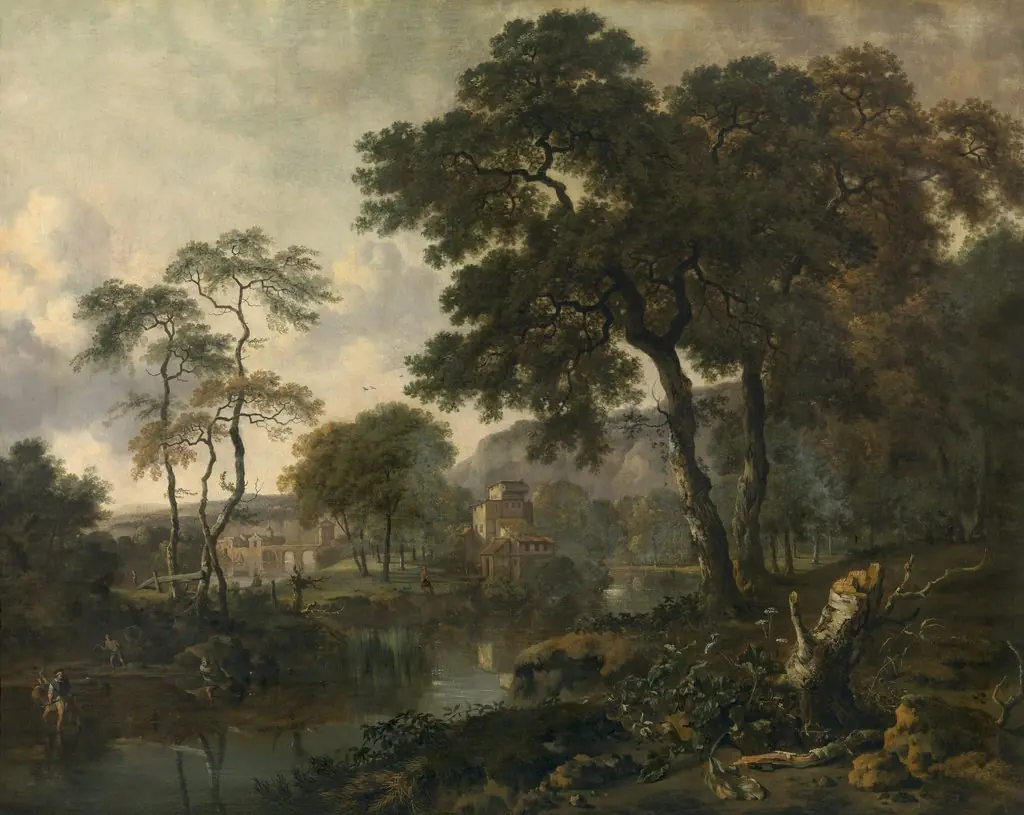 Landscape
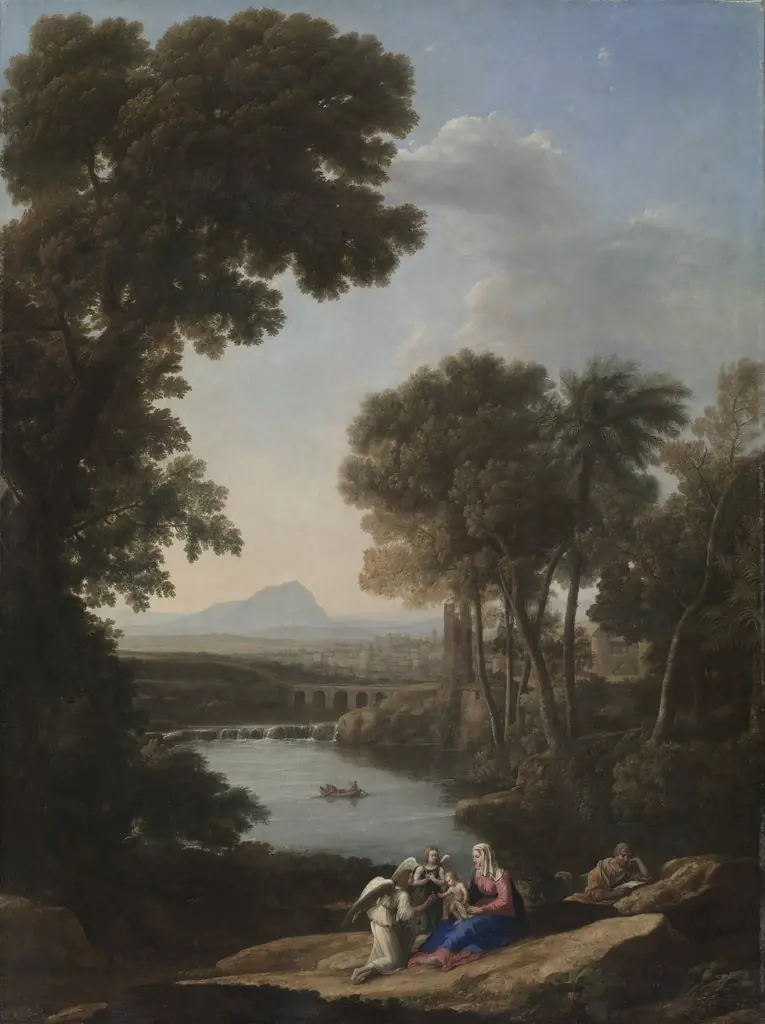 Rest on the Flight into Egypt