Artwork
Lamentation over the Body of Christ
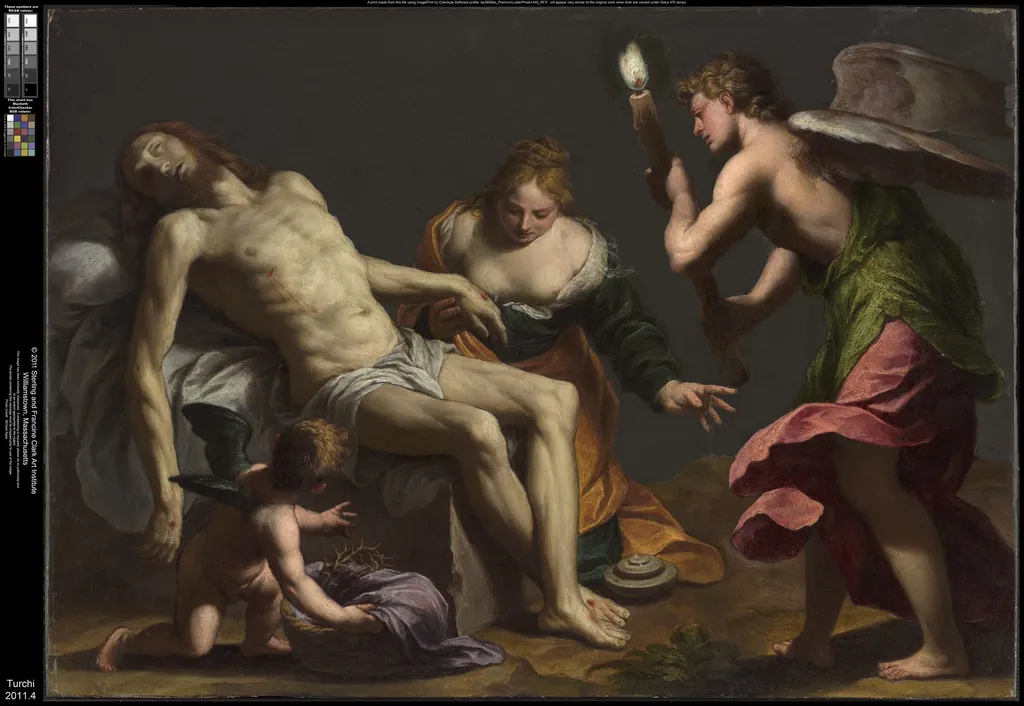
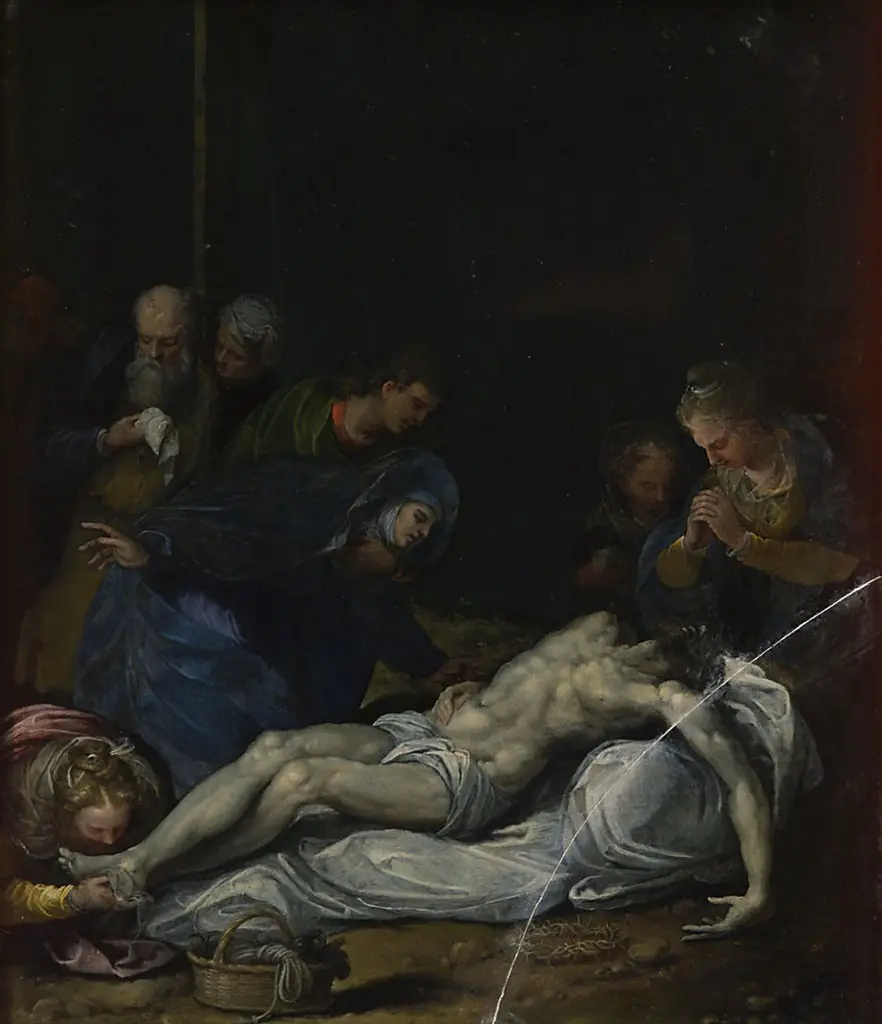
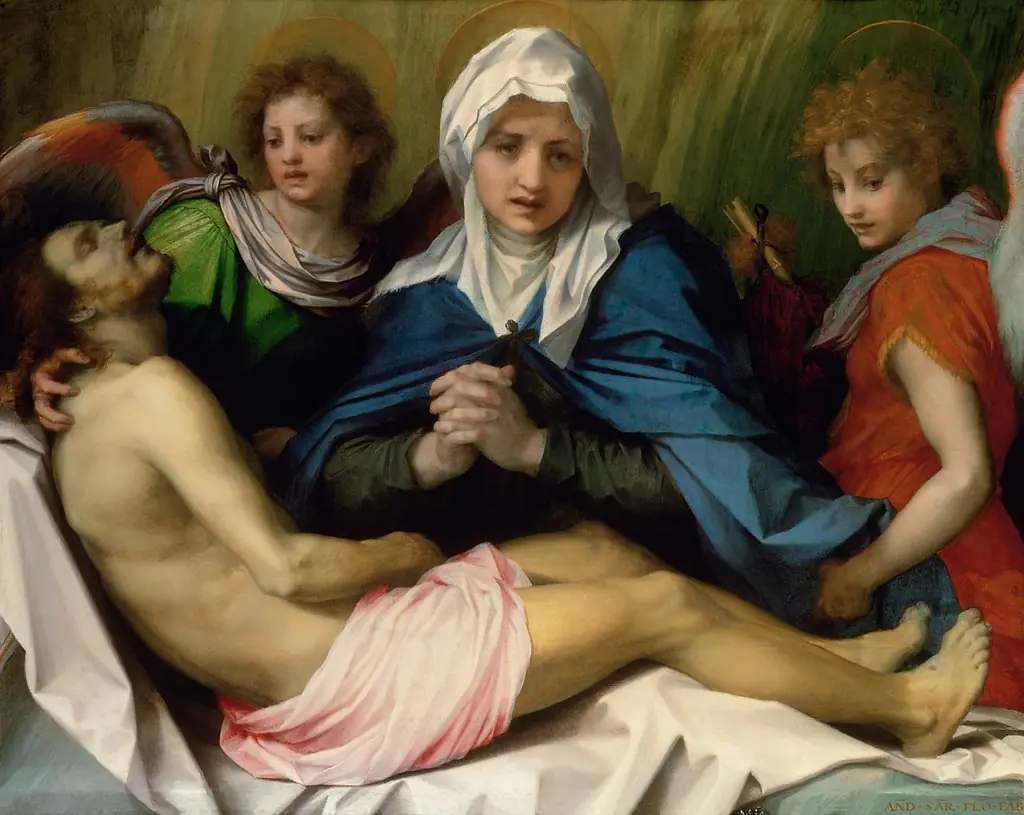
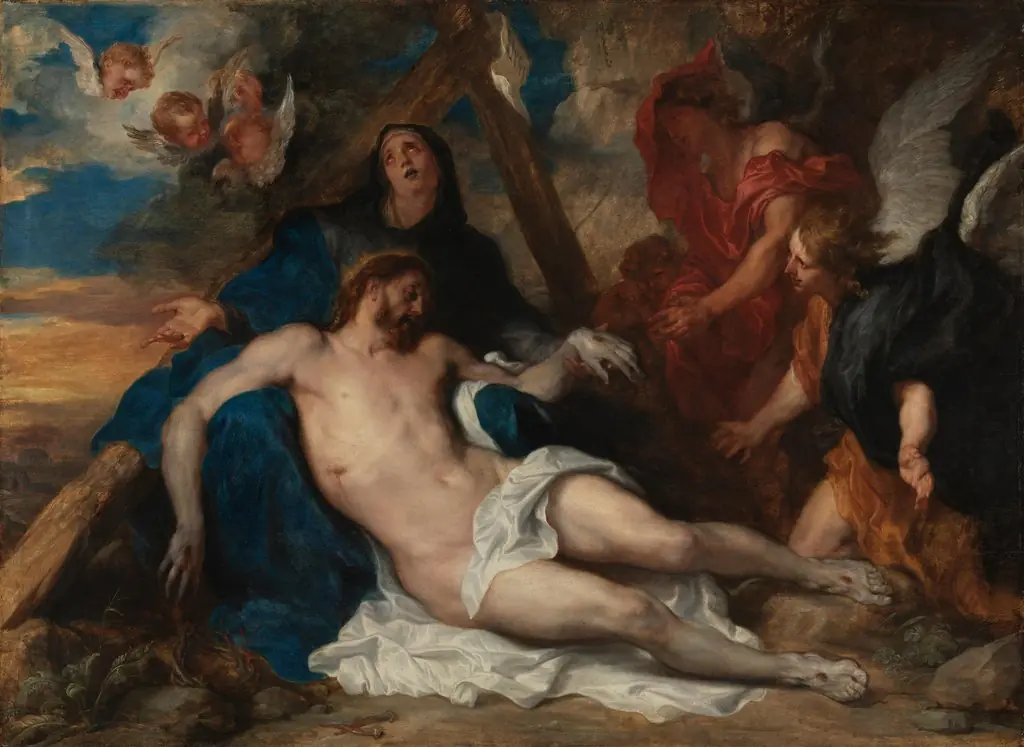
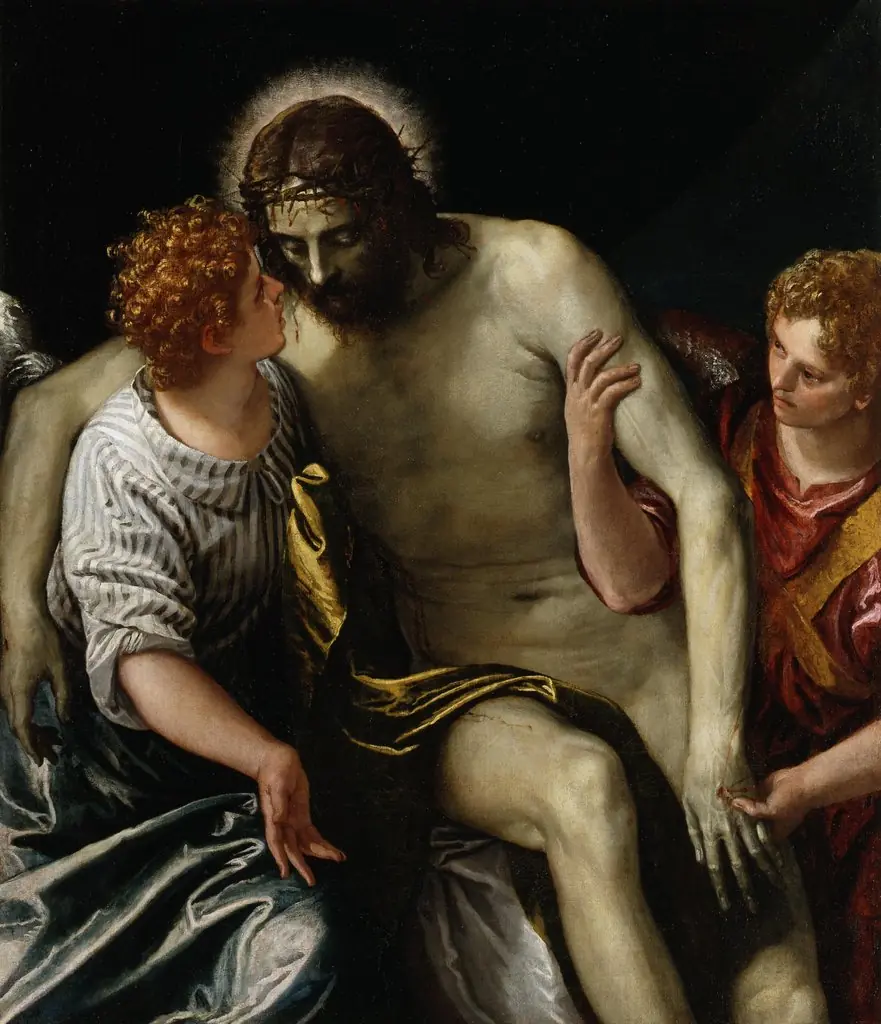
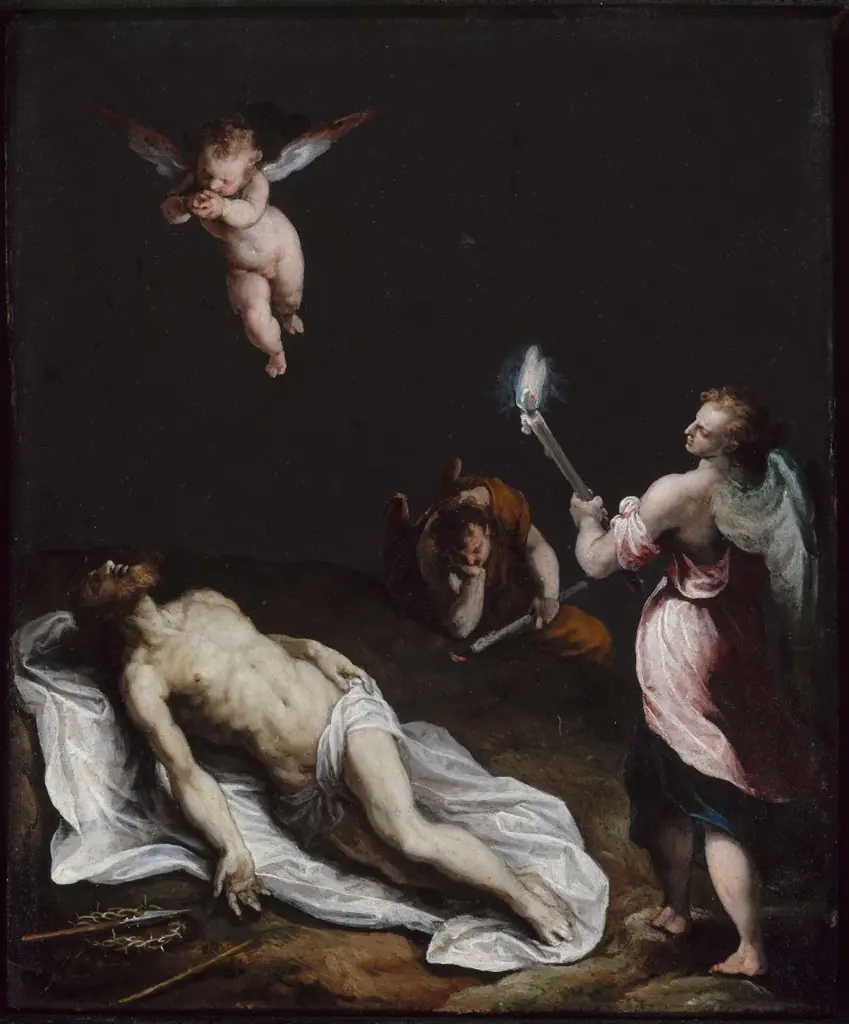
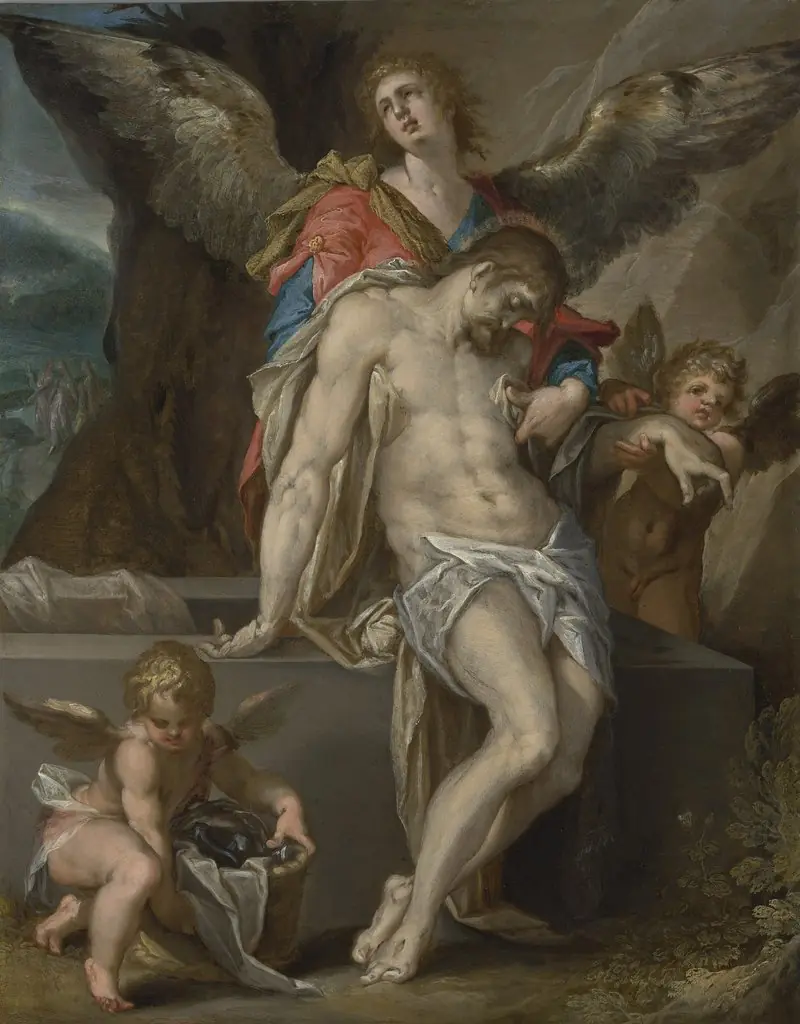
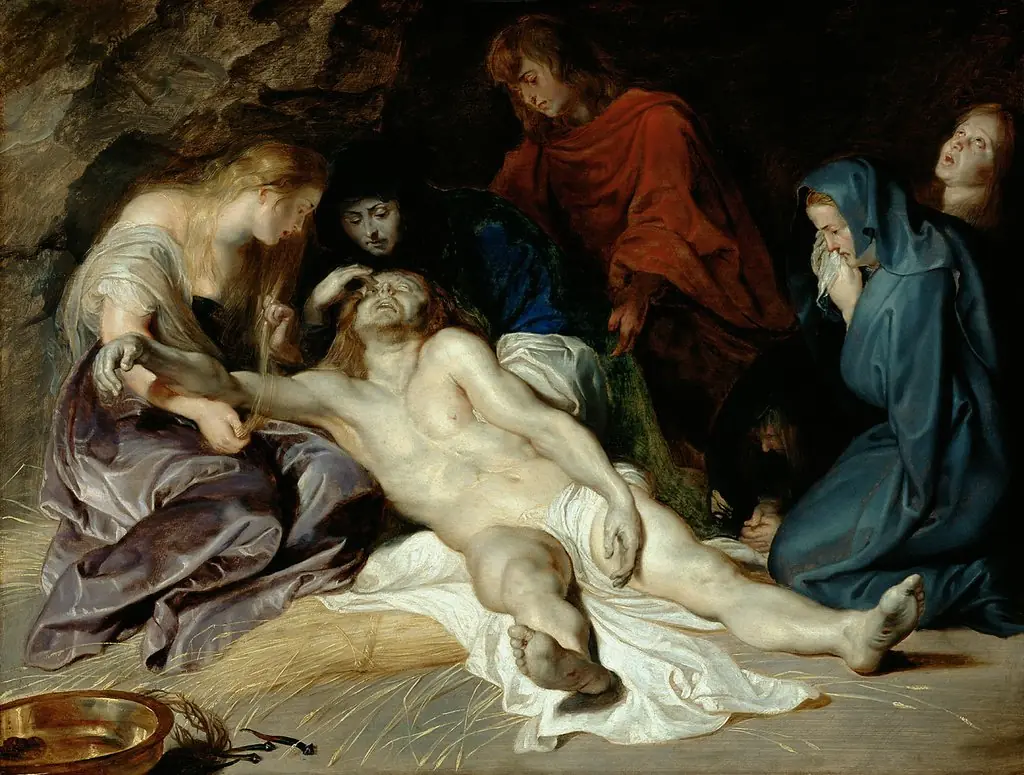
Lamentation over the Body of Christ is an unspecified painting by the Early Baroque Italian artist Alessandro Turchi. It dates from 1647 and is held in the collection of the Clark Art Institute.
About this work
Overview
Turchi, trained in Verona and active in Rome, synthesized the emotional gravity of Caravaggio’s naturalism with a more subdued, lyrical approach.
Painted in 1647 by Alessandro Turchi, known as L'Orbetto, this work captures a moment of quiet grief following Christ’s crucifixion. Turchi, trained in Verona and active in Rome, synthesized the emotional gravity of Caravaggio’s naturalism with a more subdued, lyrical approach. The painting belongs to the Clark Art Institute’s collection and exemplifies mid-17th-century devotional imagery in northern Italy.
Subject & Meaning
The scene centers on the Virgin Mary cradling the dead Christ, her posture conveying solemn tenderness. A cherub holds the crown of thorns, a symbol of suffering and sacrifice, while an angel with a torch suggests the presence of divine light amid darkness. The composition emphasizes human sorrow and spiritual reverence, aligning with Counter-Reformation ideals that prioritized emotional engagement with sacred narratives.
Technique & Style
Turchi employed a muted palette of earth tones and soft contrasts to evoke stillness and introspection. Light falls gently on Christ’s body and the figures’ faces, enhancing their physical presence without theatricality. The textures of fabric—velvety drapery, rough linen—are rendered with quiet precision, reflecting a blend of Veronese training and Caravaggesque chiaroscuro, tempered by a personal restraint.
History & Provenance
Commissioned during Turchi’s mature period, the painting likely originated in a private or ecclesiastical setting in northern Italy. It entered the Clark Art Institute’s collection in the 20th century, following documented ownership by European collectors. Its survival in good condition offers insight into devotional art produced outside major centers like Florence or Venice.
Context
In mid-17th-century Italy, depictions of the Lamentation remained popular as tools for spiritual reflection. Turchi’s version diverges from the dramatic intensity of Roman Baroque works, instead favoring intimacy and stillness. This reflects regional tastes in Verona and the Veneto, where quieter, more contemplative religious imagery held enduring appeal among patrons seeking personal devotion.
Legacy
Though less widely known than his contemporaries, Turchi’s approach influenced regional painters who favored emotional subtlety over spectacle. This painting stands as a quiet testament to the diversity of Baroque religious expression, illustrating how local traditions adapted broader stylistic currents into personal, meditative forms.
Artist & collection
Artist
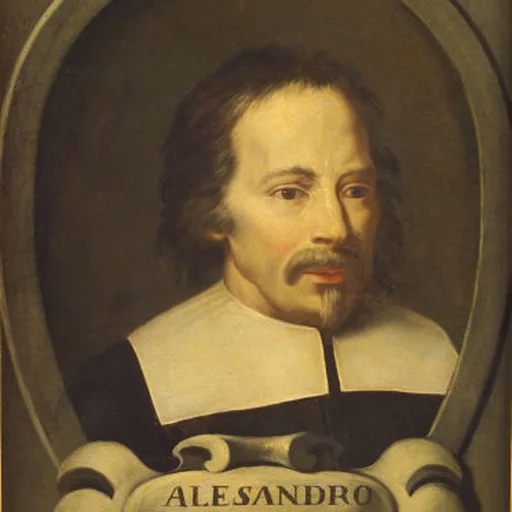
Alessandro Turchi (1578 – 22 January 1649) was an Italian painter of the early Baroque, born and active mainly in Verona, and moving late in life to Rome.