Artwork
Portrait of Grand Prince Paul Petrovich
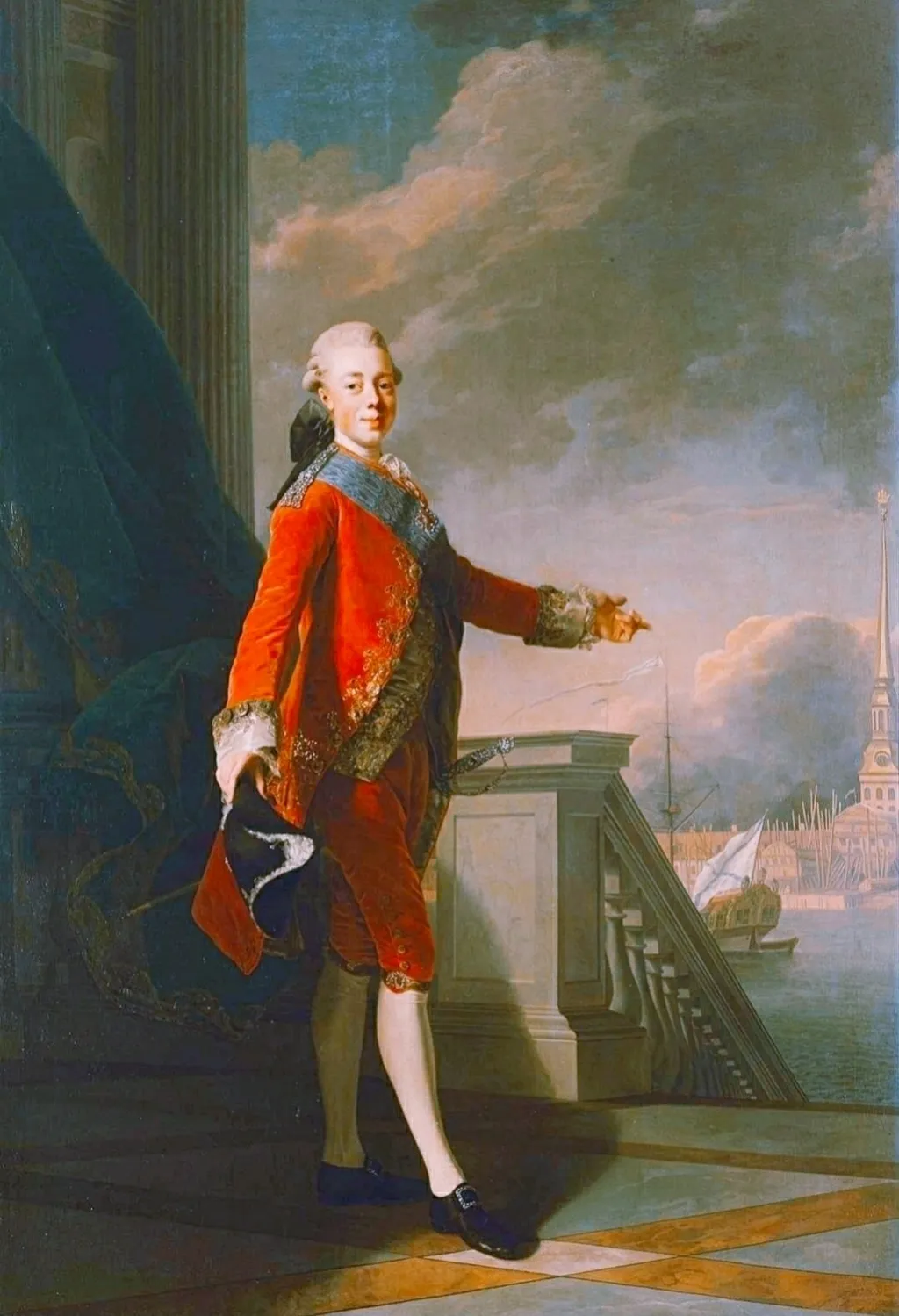
Portrait of Grand Prince Paul Petrovich is an oil painting by the Rococo painting artist Alexander Roslin. It dates from 1789 and is held in the collection of the Hermitage Museum.
About this work
Overview
The composition adheres to aristocratic conventions of the late 18th century, emphasizing status through dress and setting rather than overt narrative.
Painted in 1789 by Swedish artist Alexander Roslin, this portrait captures Grand Prince Paul Petrovich, heir to the Russian throne. Executed in oil on canvas, the work reflects Roslin’s reputation for refined portraiture within European courts. The composition adheres to aristocratic conventions of the late 18th century, emphasizing status through dress and setting rather than overt narrative. It resides today in the State Hermitage Museum, Saint Petersburg.
Subject & Meaning
Grand Prince Paul Petrovich is depicted in formal court attire, his posture conveying authority and poise. His extended right arm gestures toward a distant landscape, suggesting a connection between imperial power and the broader realm. The elaborate costume, rich in embroidery and color, signals his royal rank. The background, with its architectural and maritime elements, evokes imperial ambition without specifying a real location, reinforcing idealized notions of sovereignty.
Technique & Style
Roslin employed fine brushwork to render the textures of silk, velvet, and gold embroidery with precision. The palette balances deep reds and blues with luminous highlights, characteristic of Rococo sensibility. Underlying this decorative surface is a Classicist structure—balanced composition, clear lighting, and controlled spatial depth. The atmospheric background, softly rendered with clouds and distant horizons, adds dimension without distracting from the figure’s presence.
History & Provenance
Commissioned during Paul’s tenure as heir apparent, the portrait was likely intended to affirm his position within the Russian imperial family. Roslin, then active in St. Petersburg’s court circles, completed it in 1789, shortly before Paul ascended the throne. The painting entered the Hermitage collection in the 19th century, where it has remained as part of the imperial art holdings, preserved through political transitions.
Context
In the late 18th century, European courts commissioned portraits to project legitimacy and cultural sophistication. Roslin, trained in France and Sweden, synthesized French Rococo elegance with Nordic precision, making him a favored portraitist among royalty. This work aligns with similar depictions of heirs and monarchs across Europe, where costume, gesture, and backdrop served as coded indicators of lineage and power.
Legacy
The portrait stands as a representative example of aristocratic portraiture at the turn of the 19th century. While not widely exhibited outside Russia, it remains a key reference for understanding how imperial identity was visually constructed. Roslin’s ability to merge psychological subtlety with ornamental detail influenced later court painters, preserving a visual language of power that endured beyond the monarchy’s fall.
Artist & collection
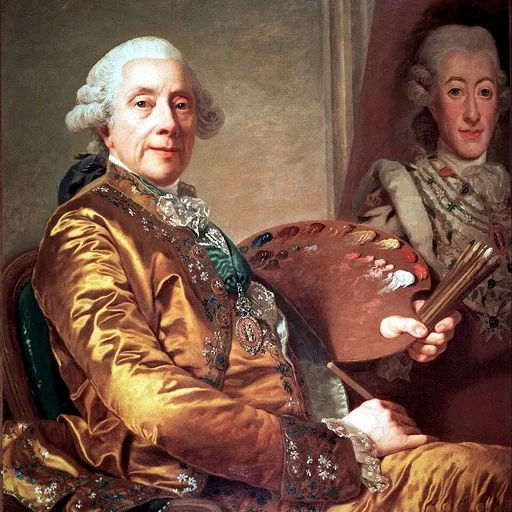
Artist
Alexander Roslin (pronounced ; spelled Alexandre in French, pronounced ; 15 July 1718 – 5 July 1793) was a Swedish painter who worked in Scania, Bayreuth, Paris, Italy, Warsaw and St.

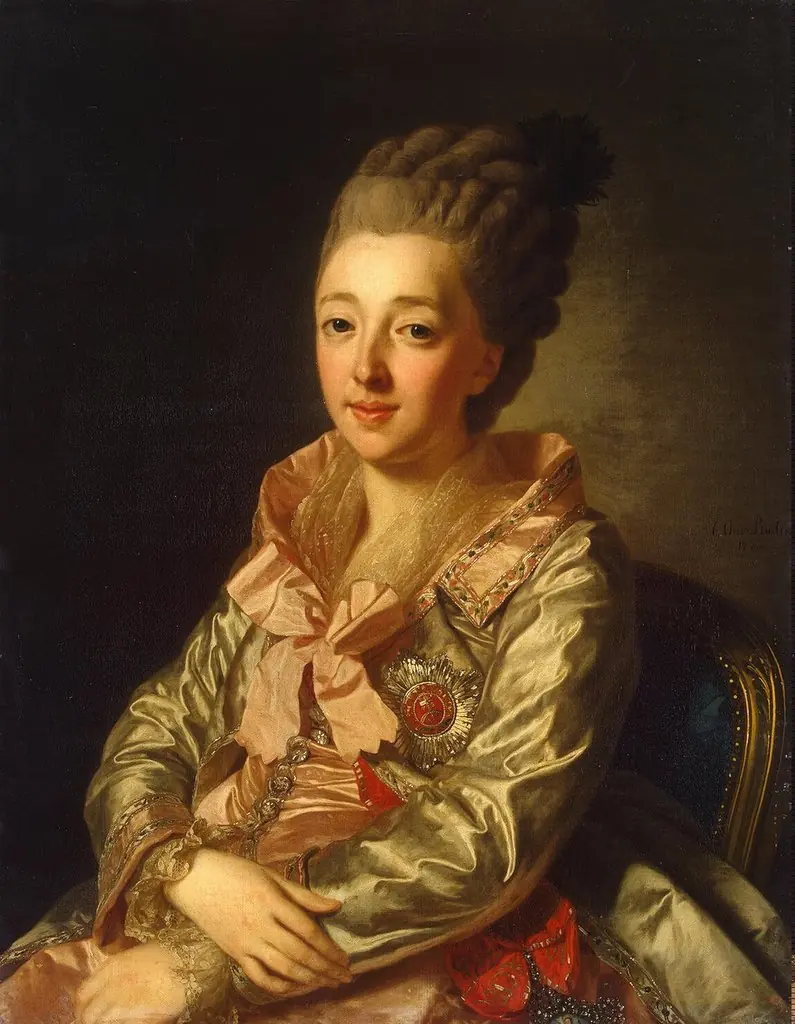 Portrait of Grand Duchess Natalia Alexeyevna
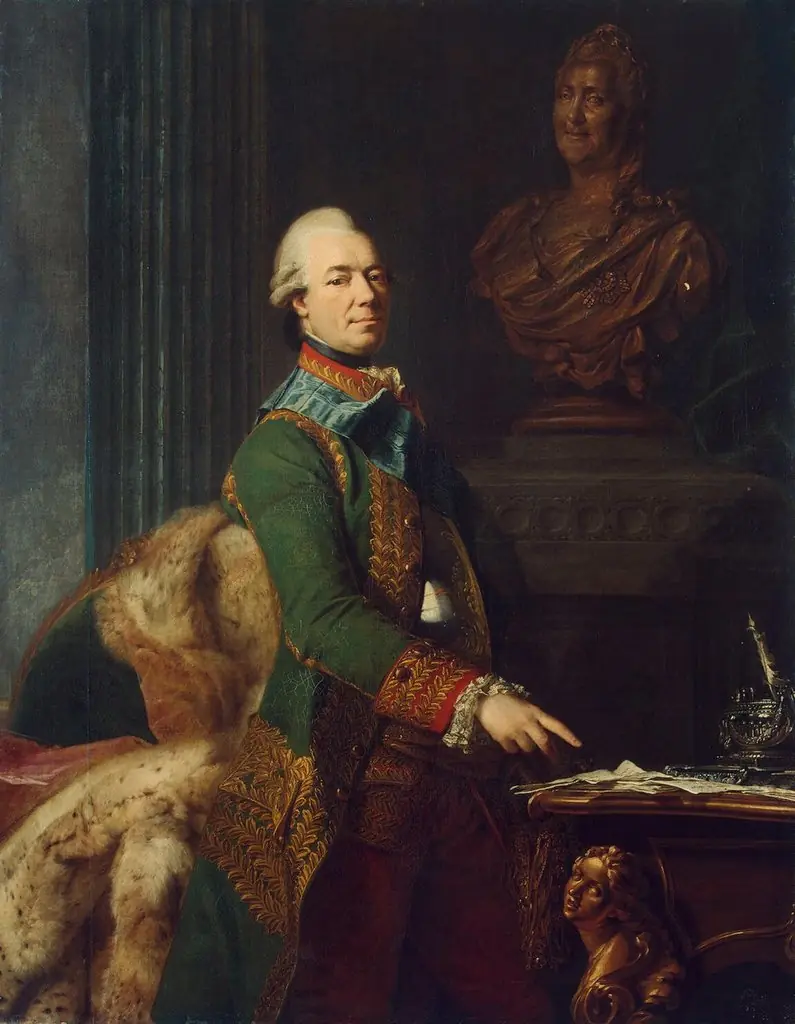 Portrait of Count Zakhar Chernyshev
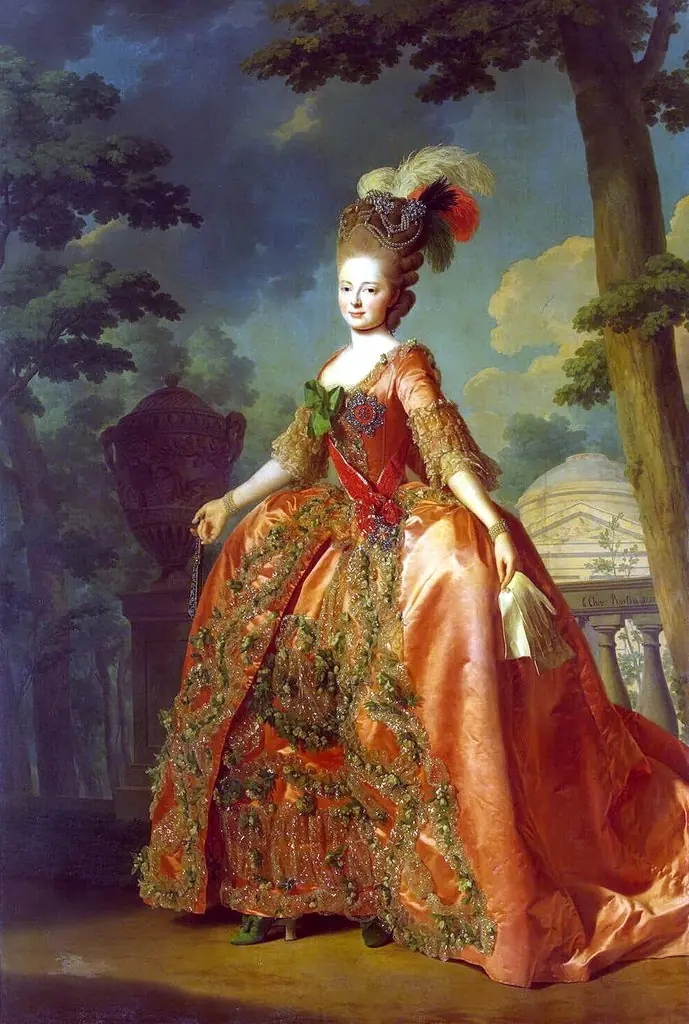 Portrait of Grand Duchess Maria Fiodorovna
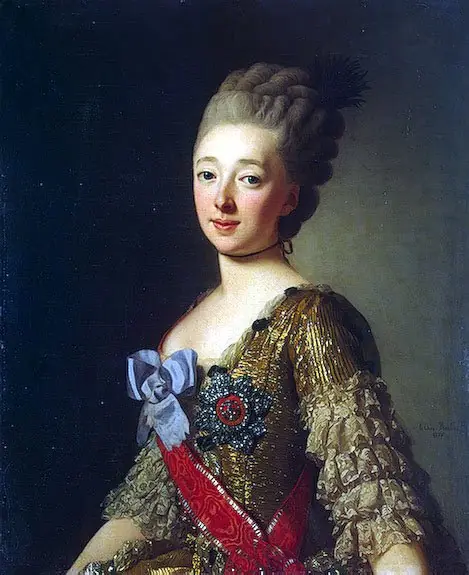 Portrait of Grand Duchess Natalia Alexeievna (Wilhelmina Louisa of Hesse-Darmstadt)
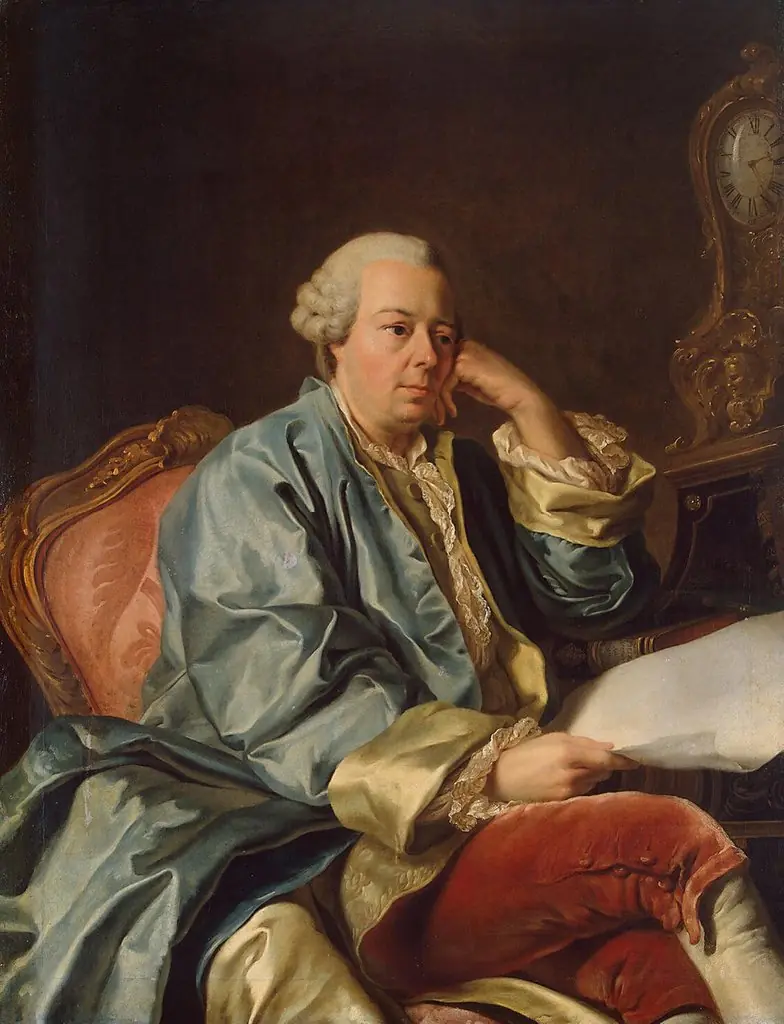 Portrait of Ivan Ivanovich Betskoi Wearing a Dressing Gown (copy)
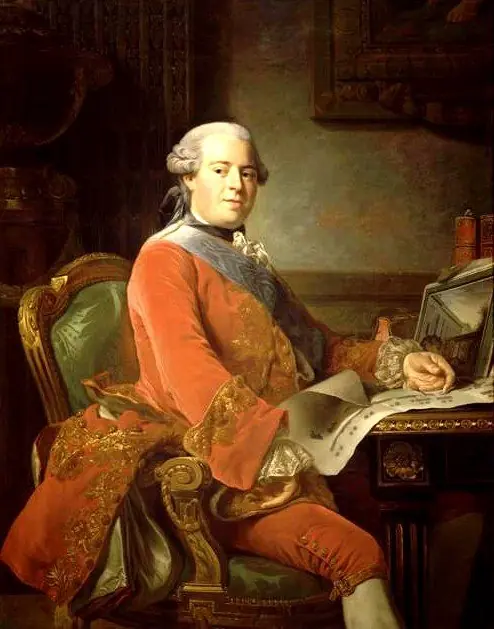 Portrait of Abel-François Poisson, marquis de Marigny
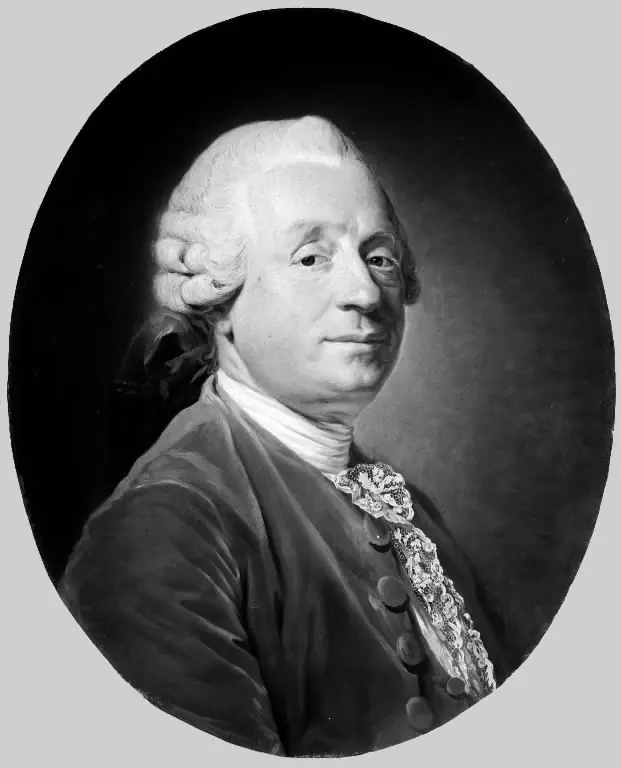 Portrait of Charles Auguste Bourlet de Vauxelles
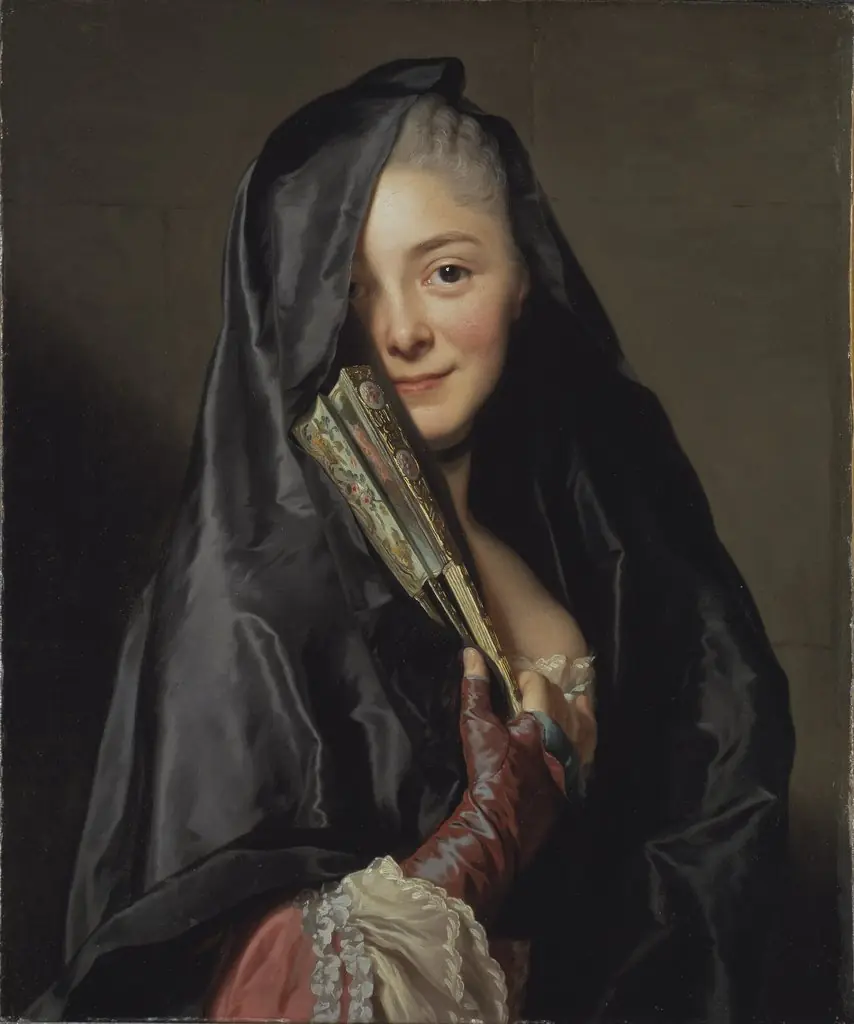 The Lady with a Fan, The Artist's Wife
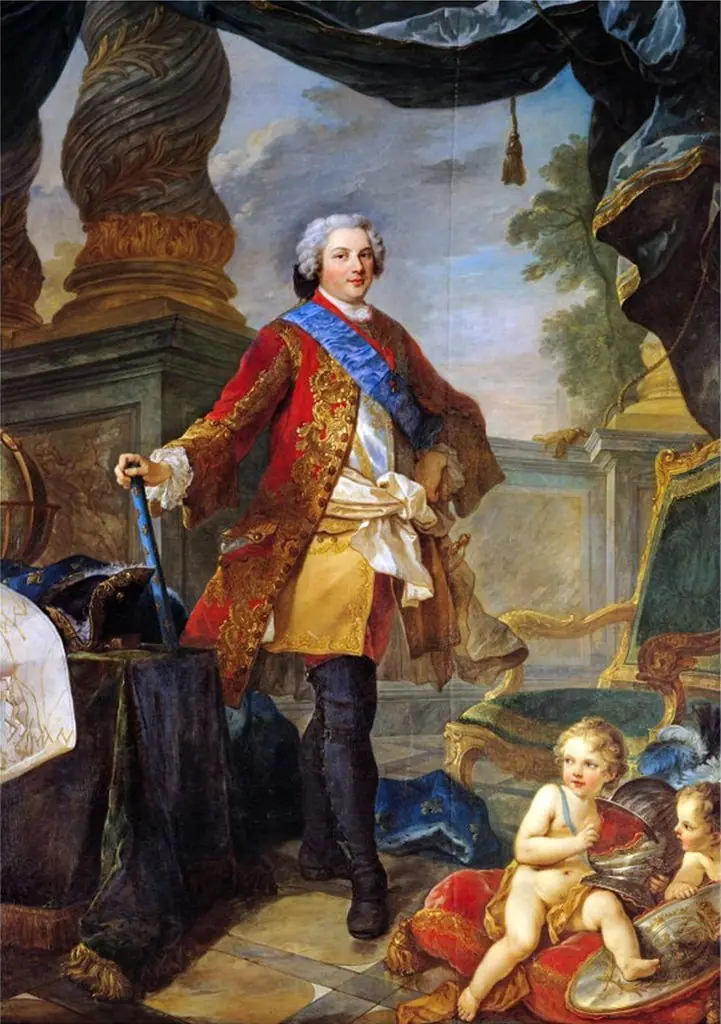 Portrait of Louis Dauphin of France with a Plan of the Siege of Tournai
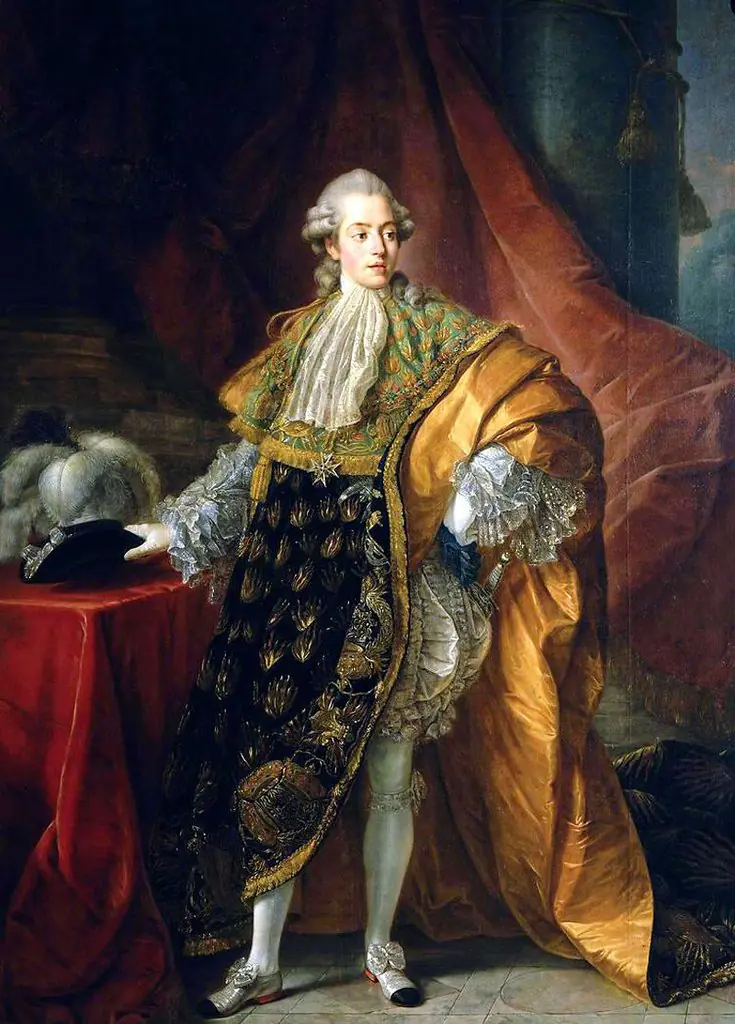 Philippe of France, Count of Artois (1757-1836)
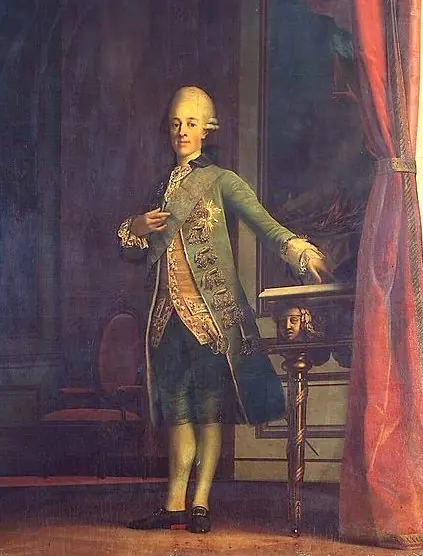 Portrait of Duke Frederick
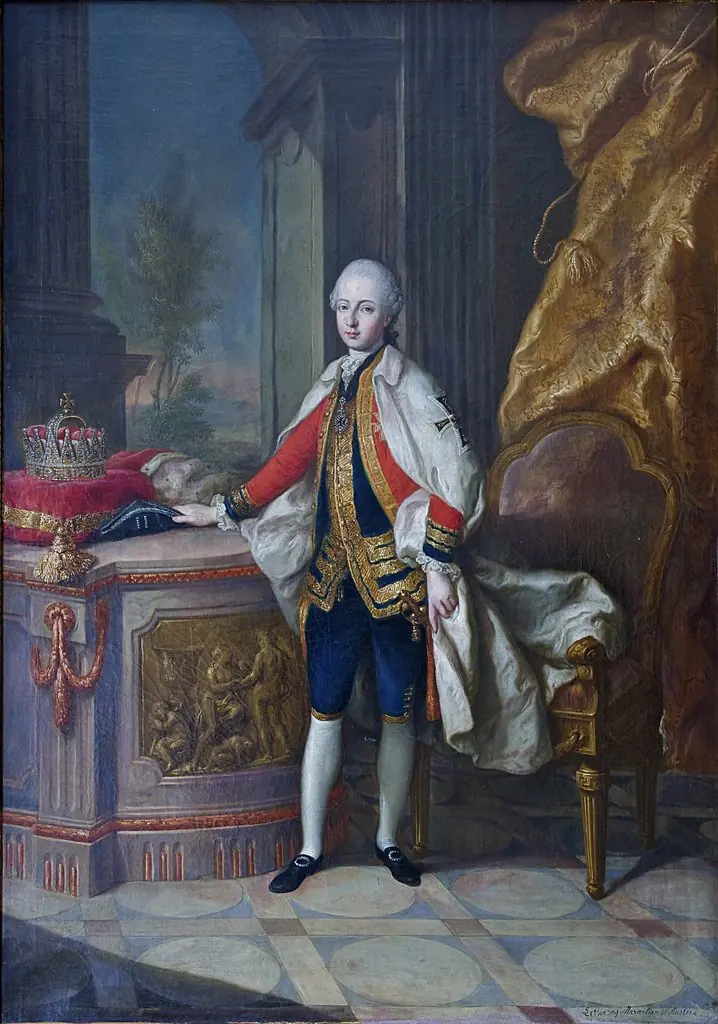 Maximilian, Archduke of Austria (1756-1801)
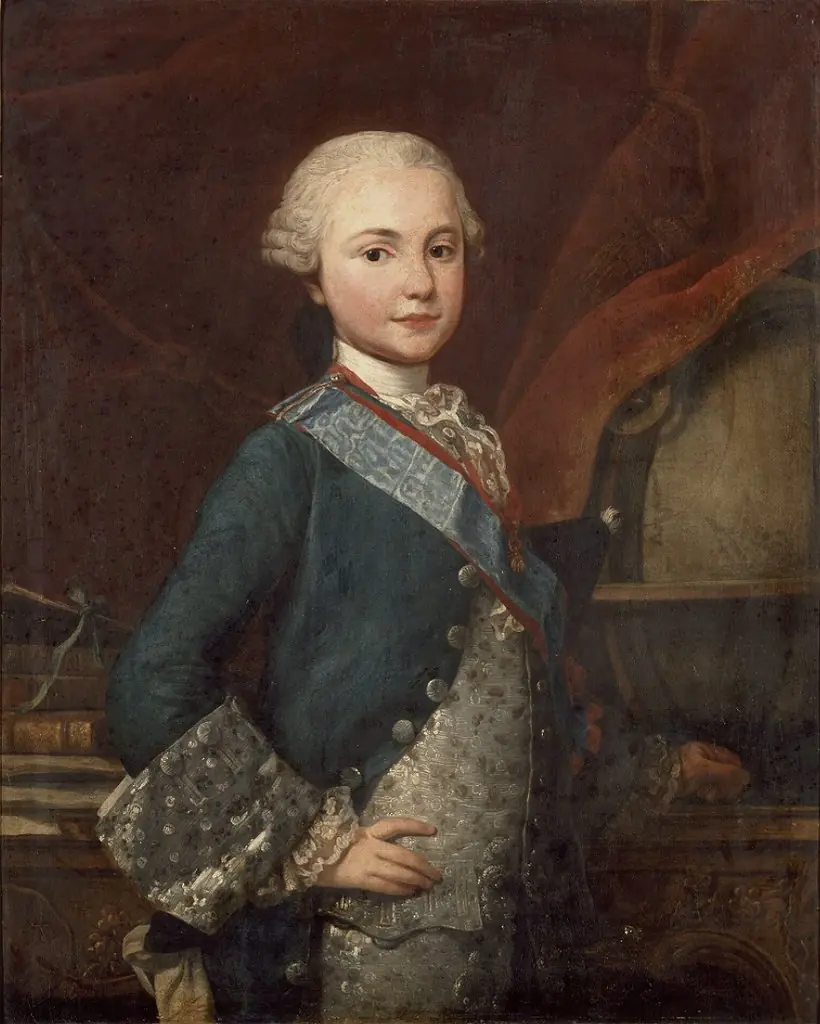 Ferdinando I of Parma
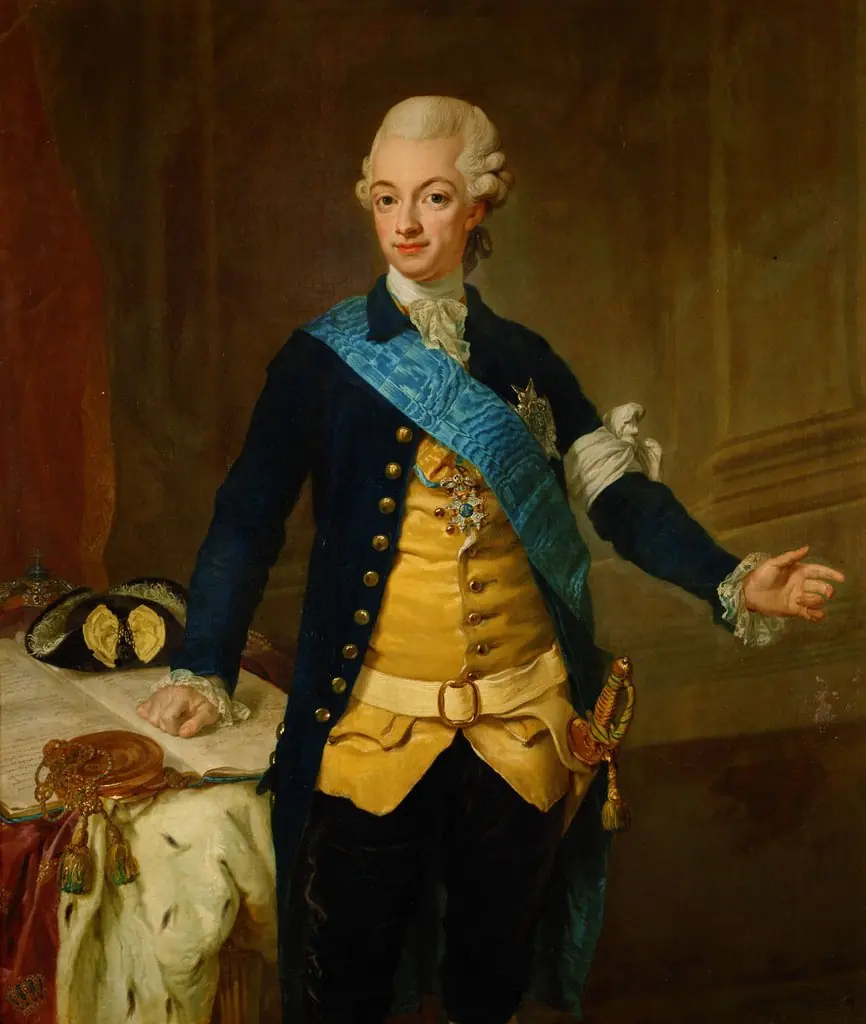 König Gustav III. (1746-1792) von Schweden in Uniform, Kniestück
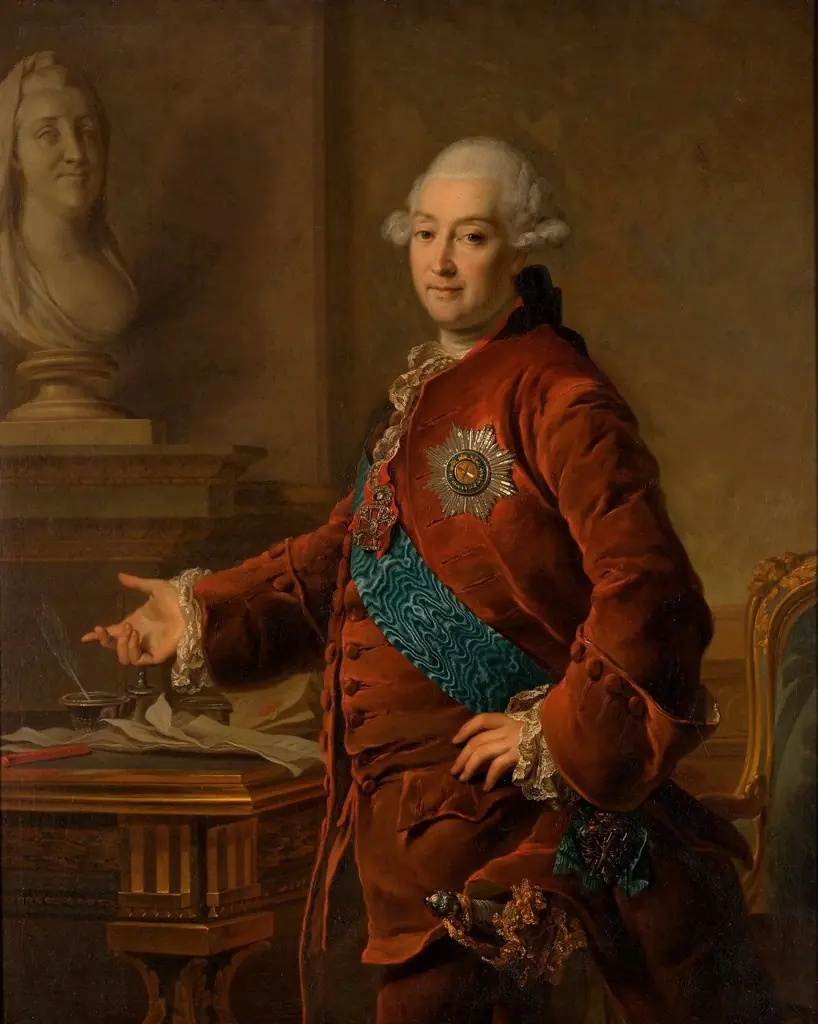 Portrait of Alexandr Mihailovich Golytsyn (1723-1807), vice-chancellor
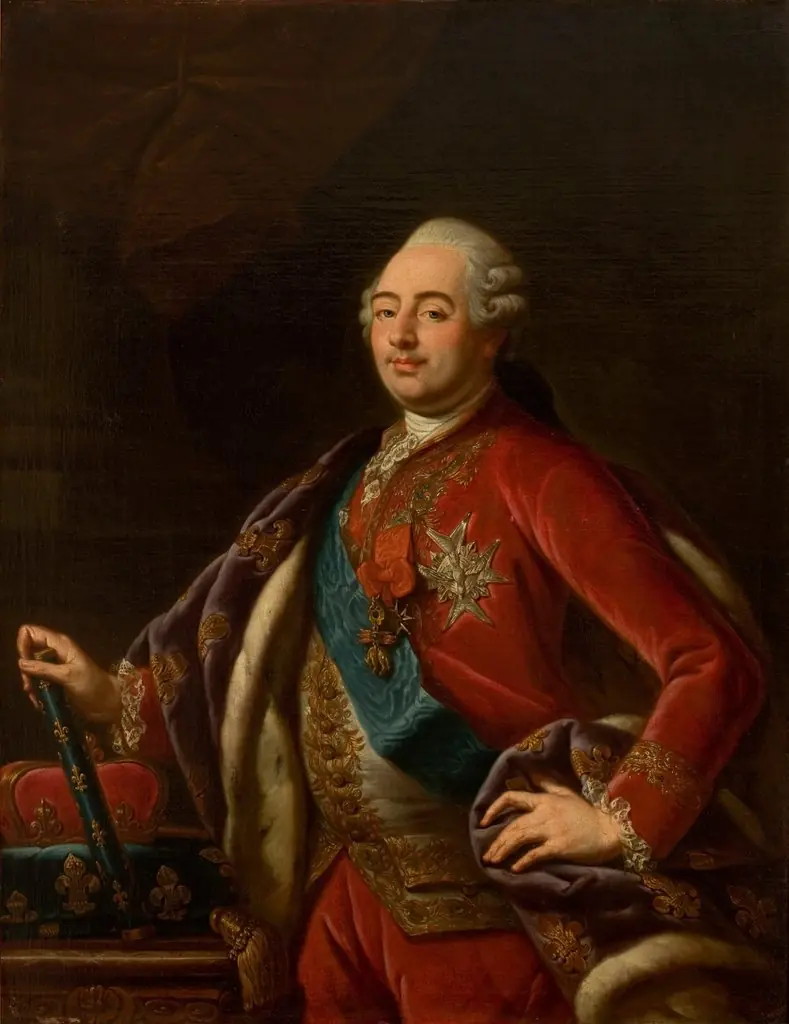 Retrato de Luís XVI