Artwork
Portrait of Joseph Marie Terray
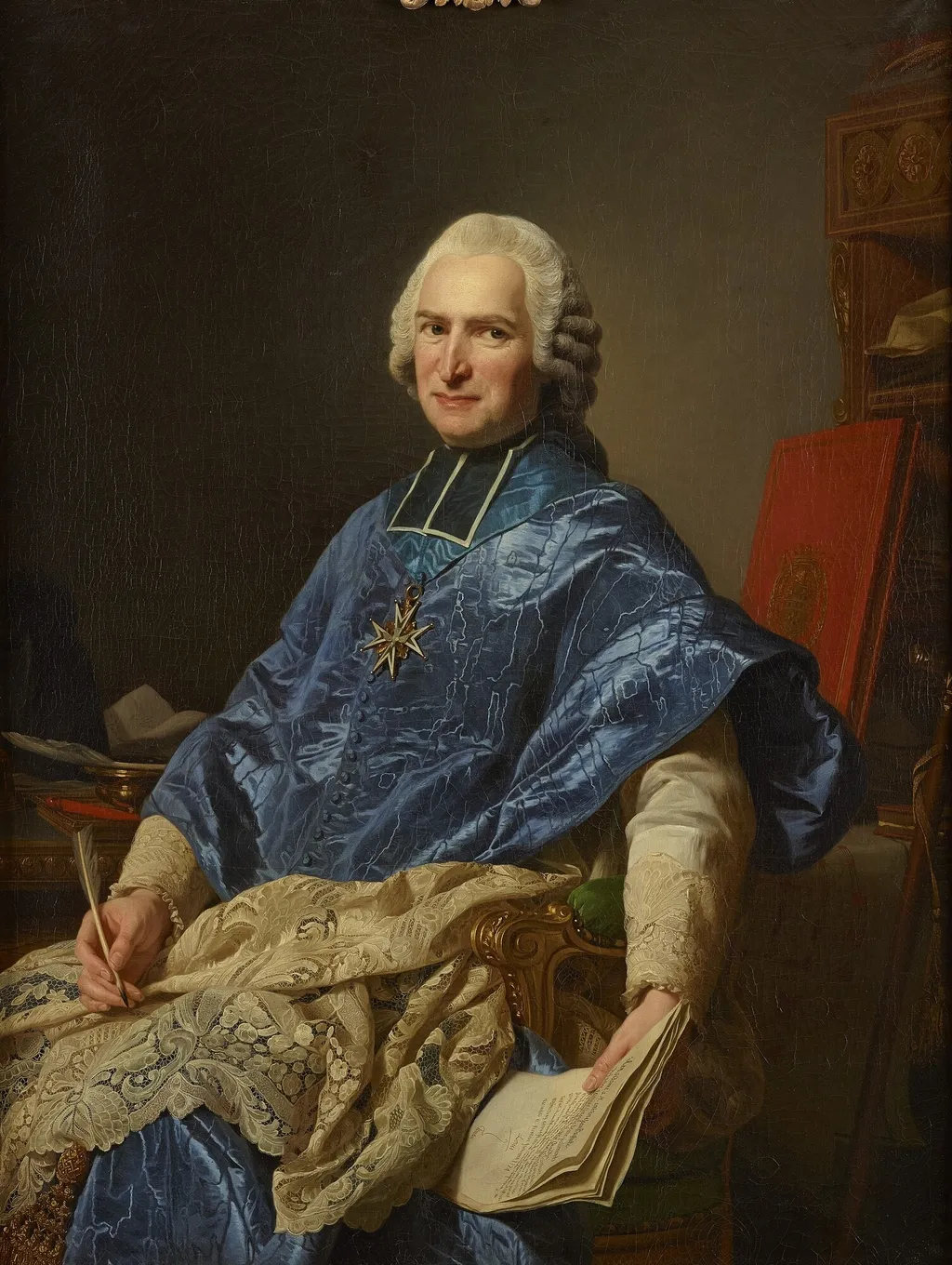
Portrait of Joseph Marie Terray is an oil painting by the Rococo painting artist Alexander Roslin. It dates from 1774 and is held in the collection of the Palace of Versailles.
About this work
Overview
The painting reflects the artist’s established reputation in Parisian portrait circles and his ability to capture both status and introspection in his subjects.
Painted in 1774 by Swedish artist Alexander Roslin, this oil portrait depicts Joseph Marie Terray, a prominent French financier. Roslin created the work as his formal submission for admission to the French Royal Academy, a significant milestone in his career. The painting reflects the artist’s established reputation in Parisian portrait circles and his ability to capture both status and introspection in his subjects.
Subject & Meaning
Joseph Marie Terray served as Controller-General of Finances under Louis XV and was a key figure in the Maupeou Triumvirate, known for attempting fiscal reforms. By the time Roslin painted him, Terray was nearing the end of his tenure, soon to be dismissed after Louis XVI’s accession. The portrait conveys his intellectual gravity—pen in hand, papers at rest—suggesting a man engaged in the weight of state affairs rather than ceremonial display.
Technique & Style
Roslin employed fine brushwork to render the texture of Terray’s blue robe, with delicate folds and a subtle metallic sheen on the star of the Order of the Holy Spirit. The dark background isolates the figure, directing attention to his face and hands. Papers and books on the table behind him imply scholarly authority. The lighting is soft yet precise, enhancing the realism without theatricality, characteristic of Roslin’s refined approach to portraiture.
History & Provenance
Commissioned as Roslin’s diploma piece for the French Royal Academy in 1774, the painting remained within institutional collections thereafter. It entered the Museum of French History at the Palace of Versailles, where it has been held since the 19th century. Its preservation reflects its significance as both a portrait of a controversial statesman and a landmark in Roslin’s professional recognition by French artistic institutions.
Context
In the years leading to the French Revolution, portraits of financiers like Terray carried political weight. Though reform-minded, Terray’s policies alienated the Parlements and nobility. Roslin, a foreign artist who thrived in Paris, captured this tension: the sitter’s calm demeanor contrasts with the instability of his position. The painting thus stands as a quiet document of a regime on the brink, rendered with the elegance of courtly tradition.
Legacy
The portrait remains one of Roslin’s most studied works for its technical precision and psychological nuance. It exemplifies how 18th-century portraiture could convey political identity without overt symbolism. As a diploma piece, it secured Roslin’s place in the French Academy and continues to inform understanding of how artists navigated the intersection of power, patronage, and personal expression in pre-revolutionary France.
Own this work as a print
Artist & collection
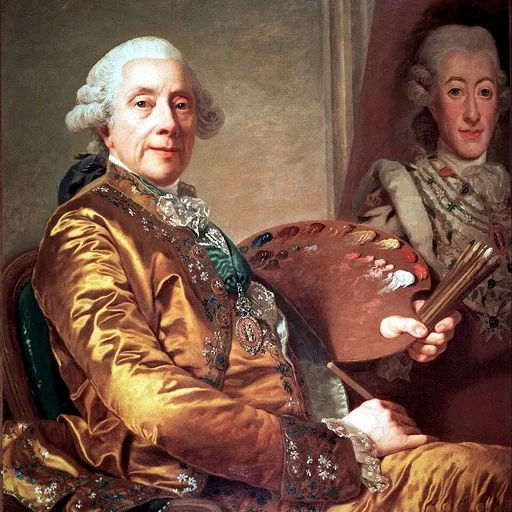
Artist
Alexander Roslin (pronounced ; spelled Alexandre in French, pronounced ; 15 July 1718 – 5 July 1793) was a Swedish painter who worked in Scania, Bayreuth, Paris, Italy, Warsaw and St.

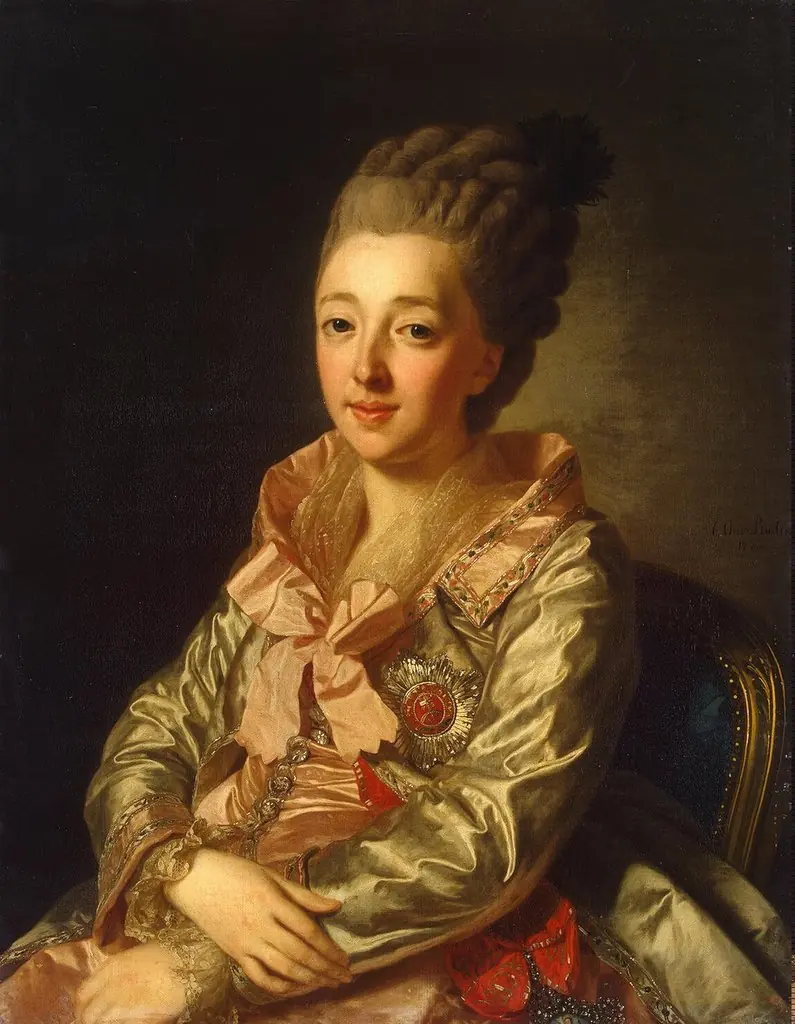 Portrait of Grand Duchess Natalia Alexeyevna
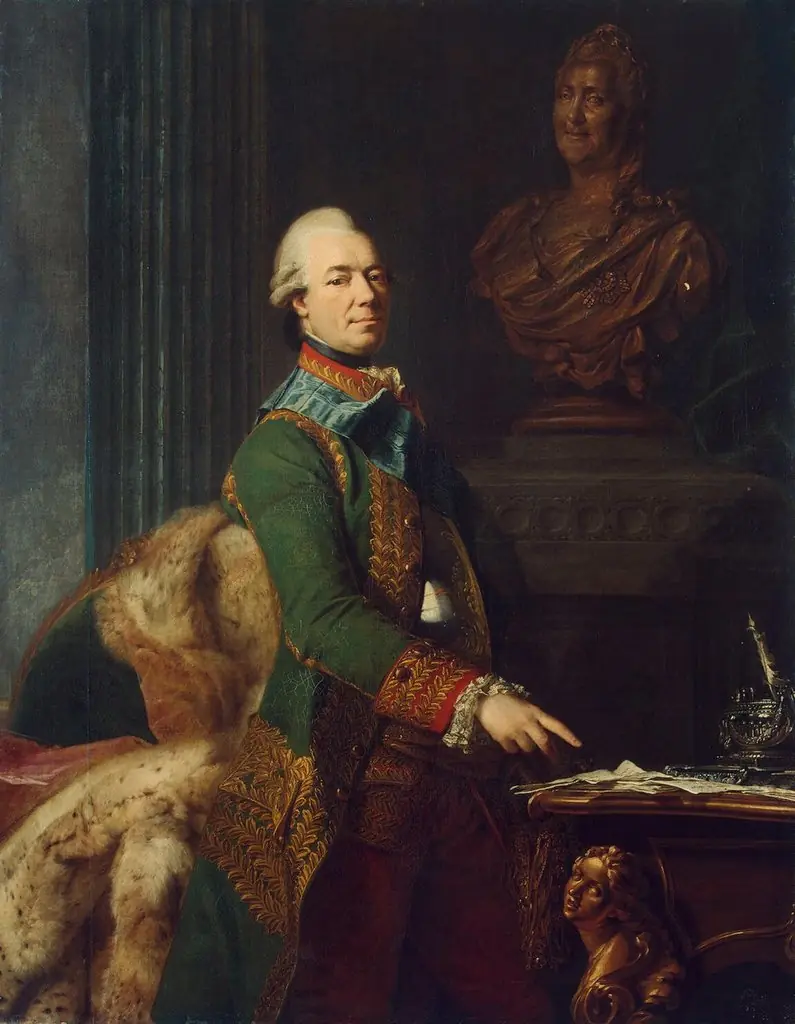 Portrait of Count Zakhar Chernyshev
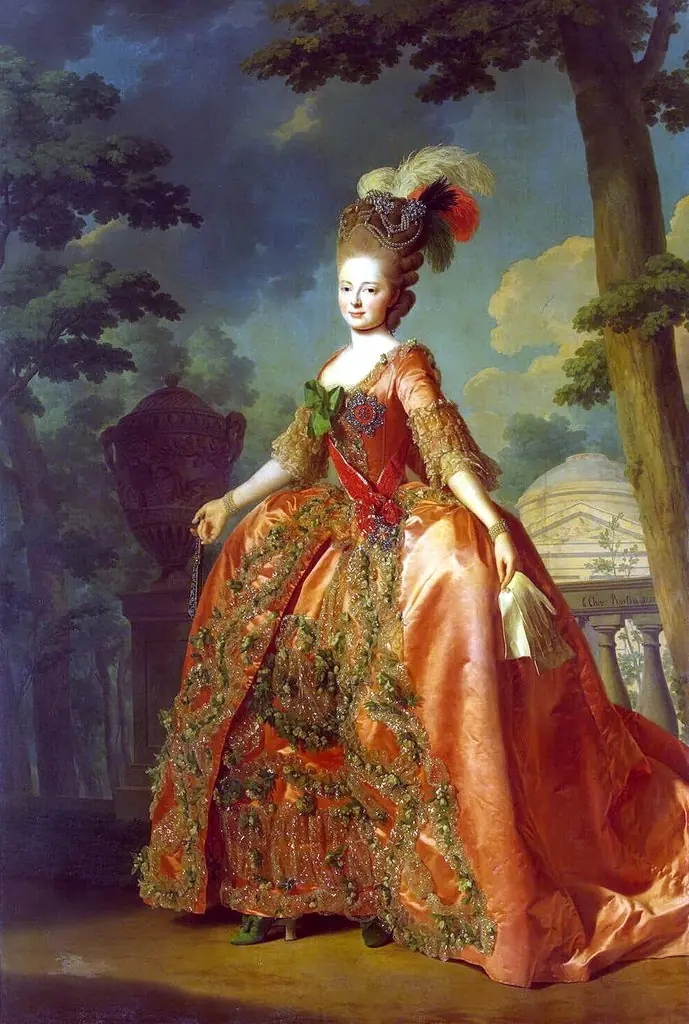 Portrait of Grand Duchess Maria Fiodorovna
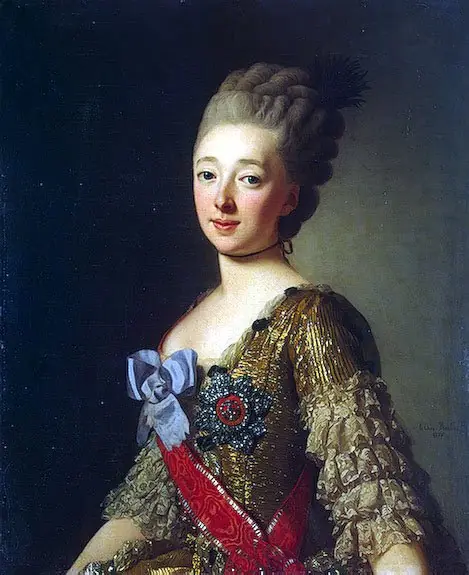 Portrait of Grand Duchess Natalia Alexeievna (Wilhelmina Louisa of Hesse-Darmstadt)
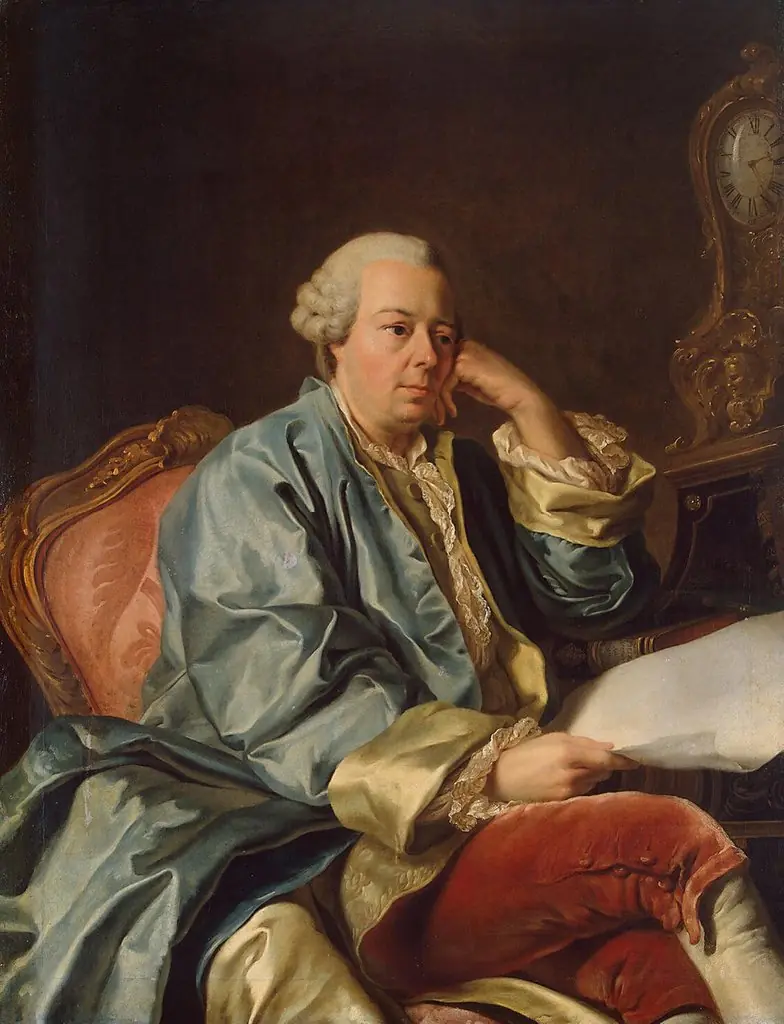 Portrait of Ivan Ivanovich Betskoi Wearing a Dressing Gown (copy)
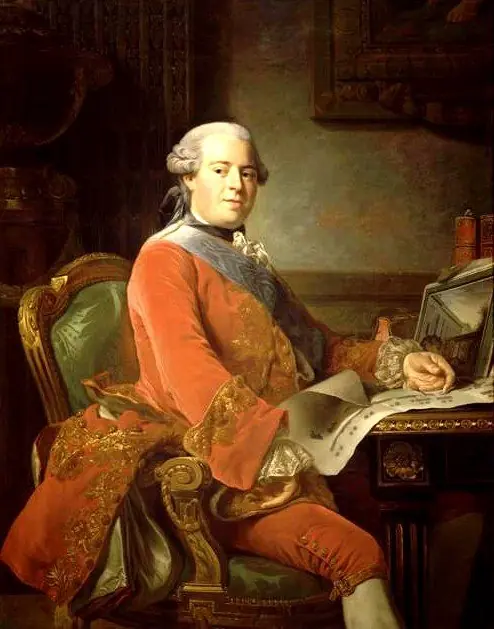 Portrait of Abel-François Poisson, marquis de Marigny
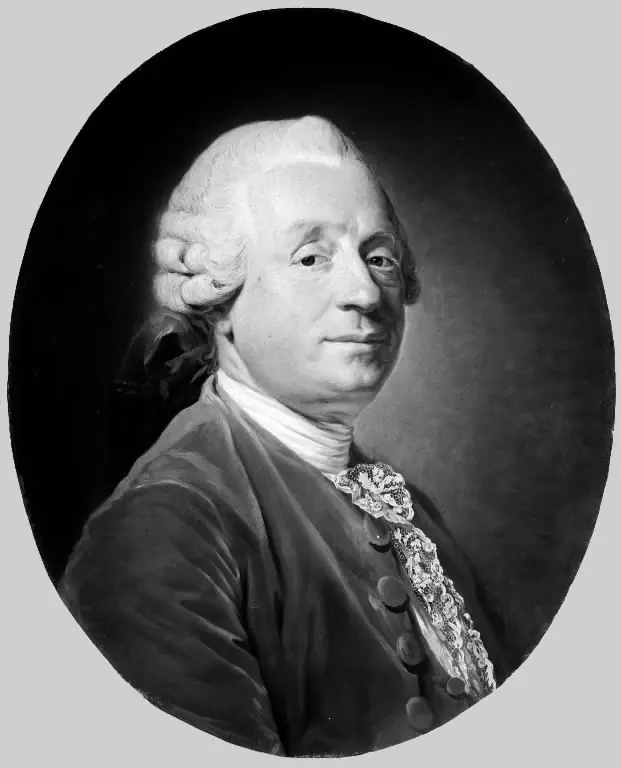 Portrait of Charles Auguste Bourlet de Vauxelles
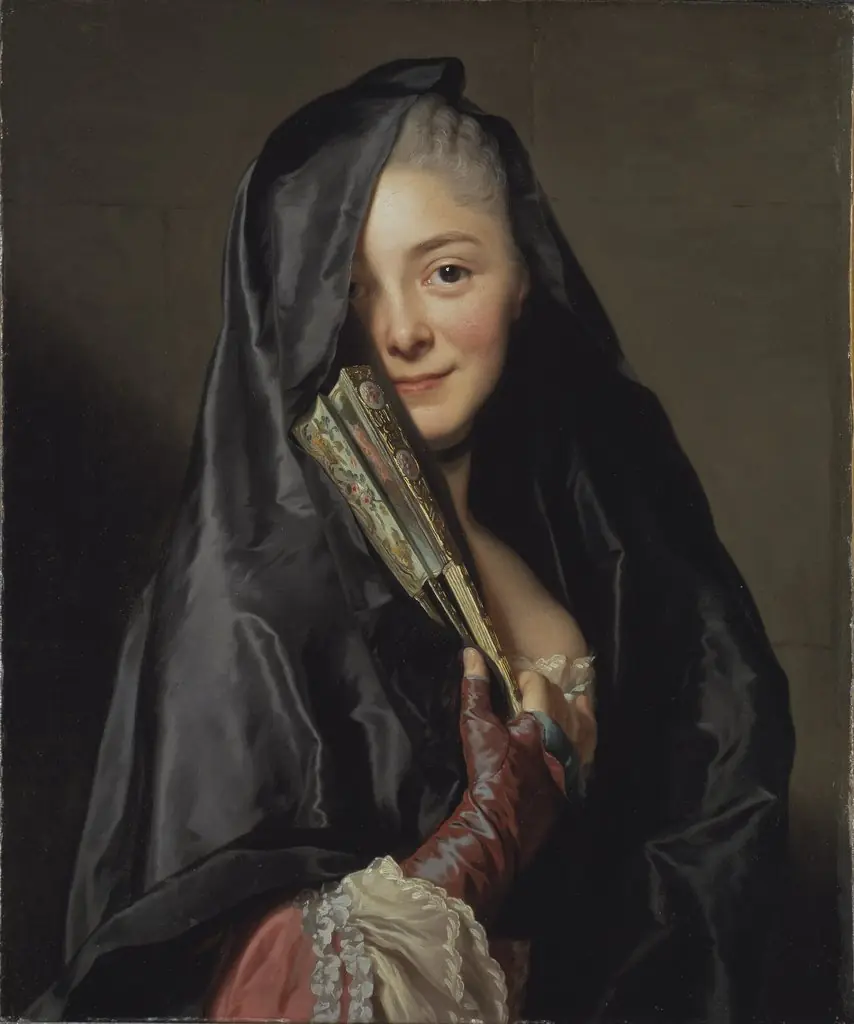 The Lady with a Fan, The Artist's Wife
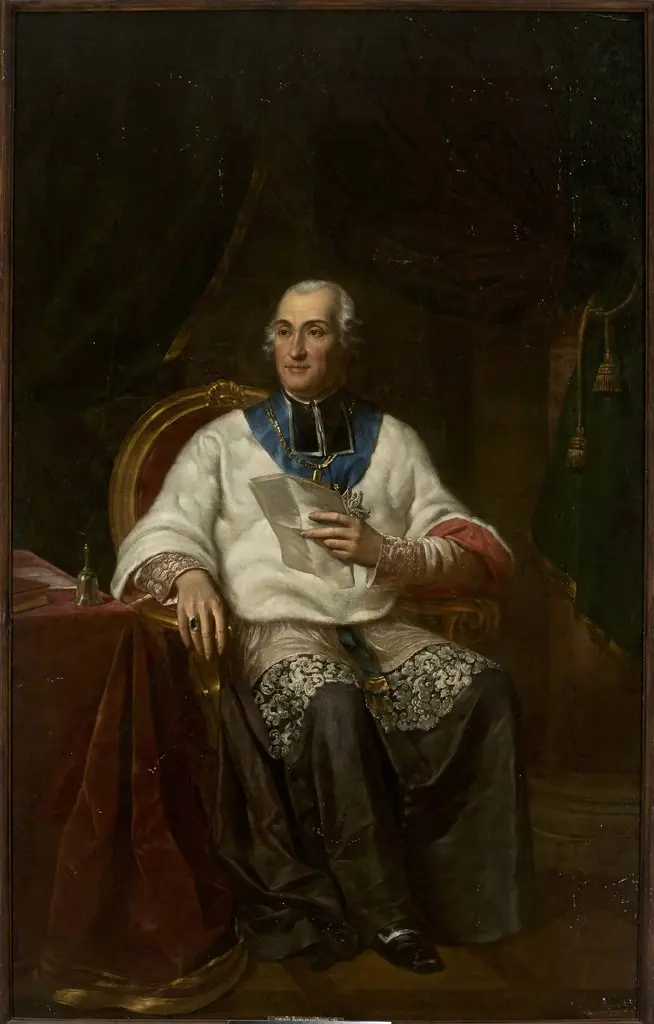 Portrait of Adam Krasiński (1714–1800), bishop of Kamieniec
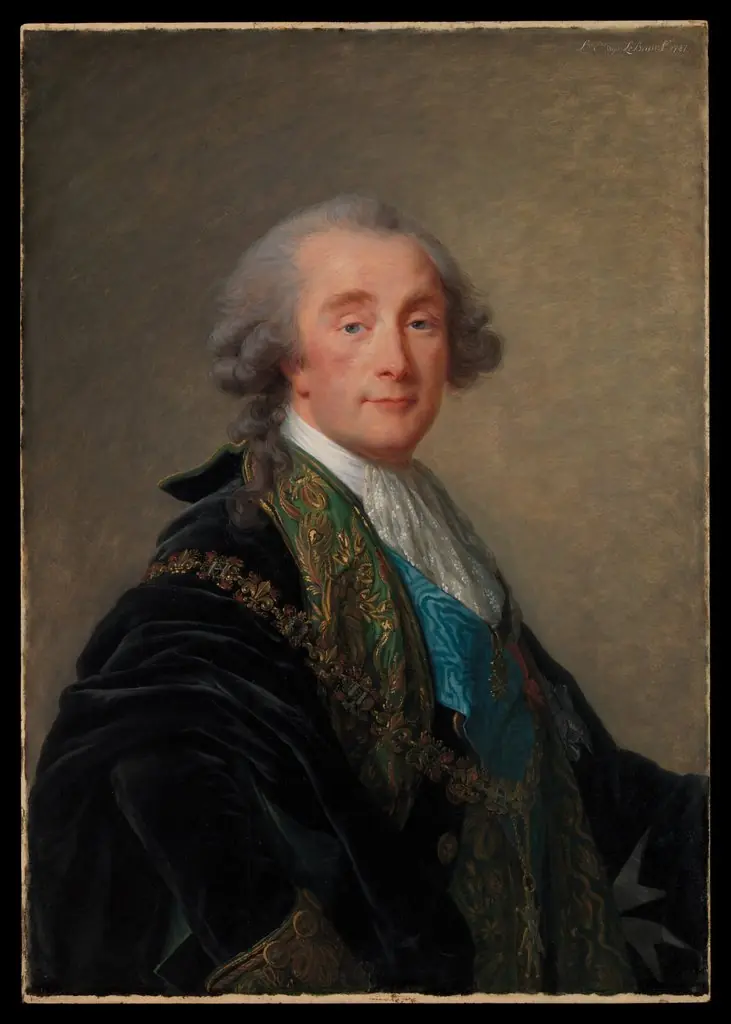 Alexandre Charles Emmanuel de Crussol-Florensac (1743–1815)
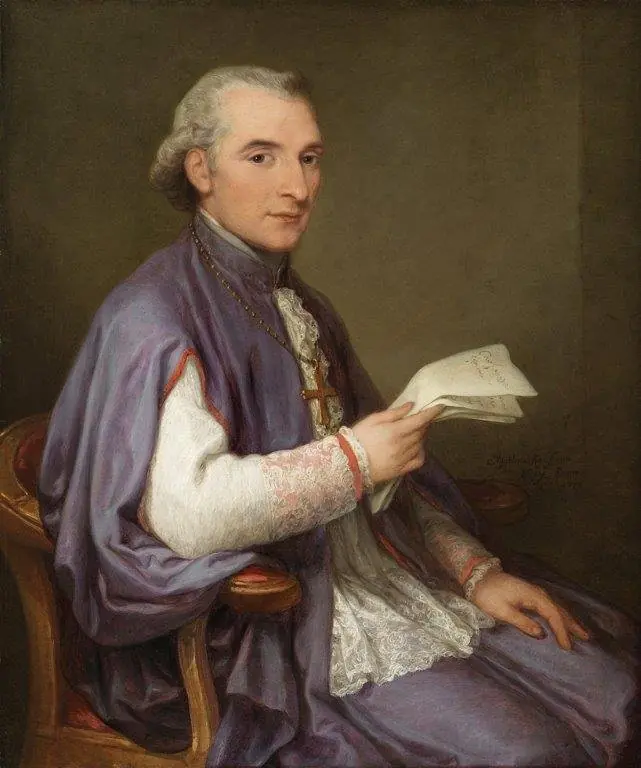 Monsignor Giuseppe Spina (1756–1828)
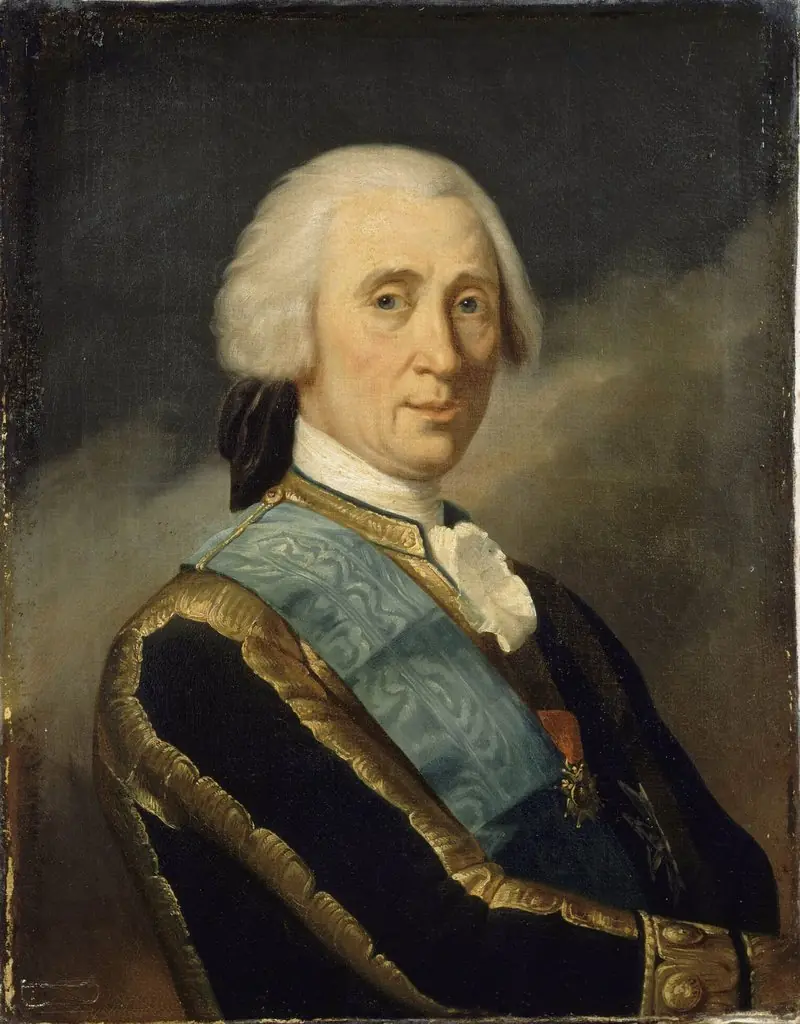 Emmanuel de Croy-Solre, Duke of Croy, Marshal of France (1718-1784)
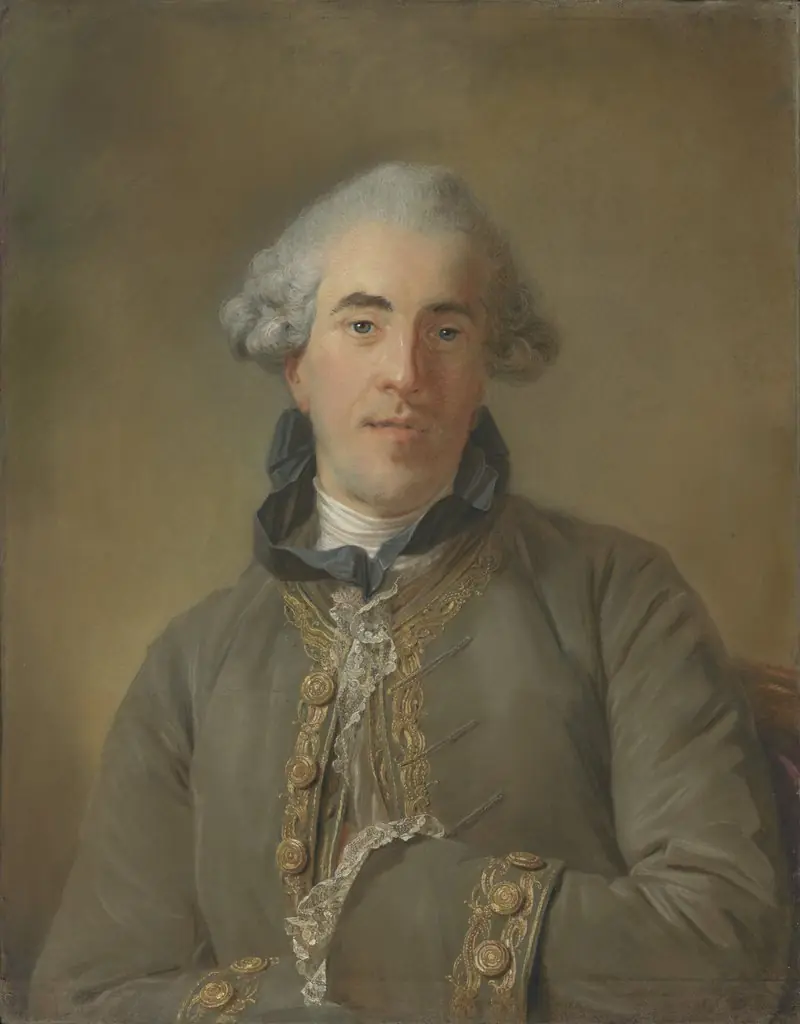 Portrait of Théophile Van Robais
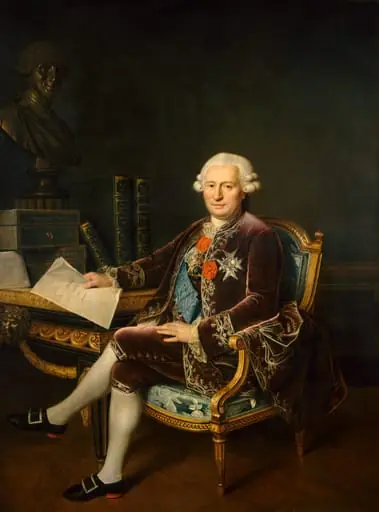 The Marquis d'Ossun
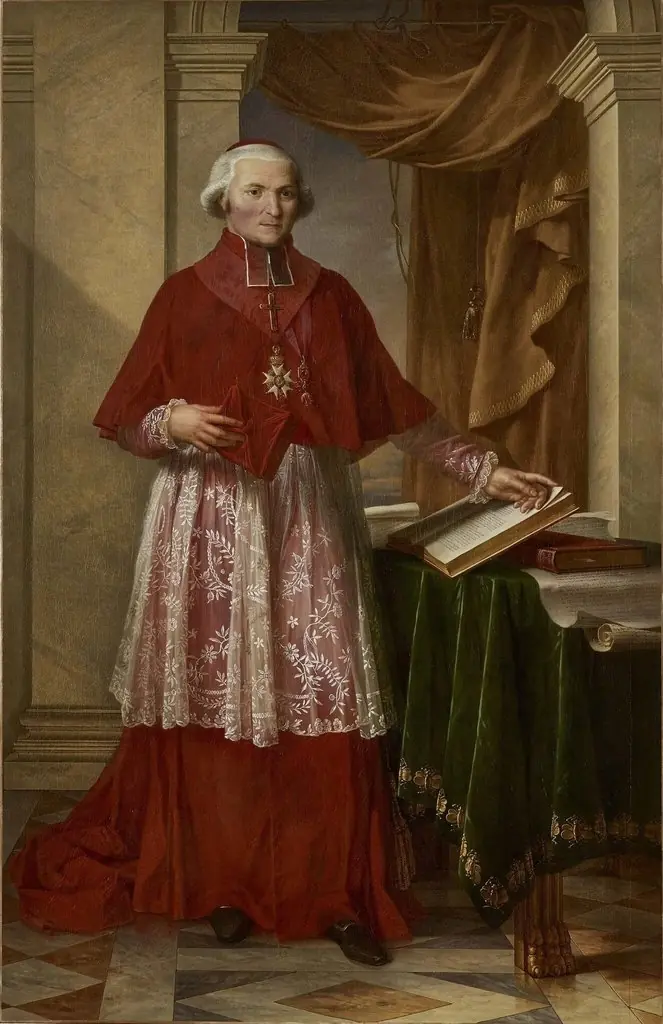 Portrait of Joseph Fesch
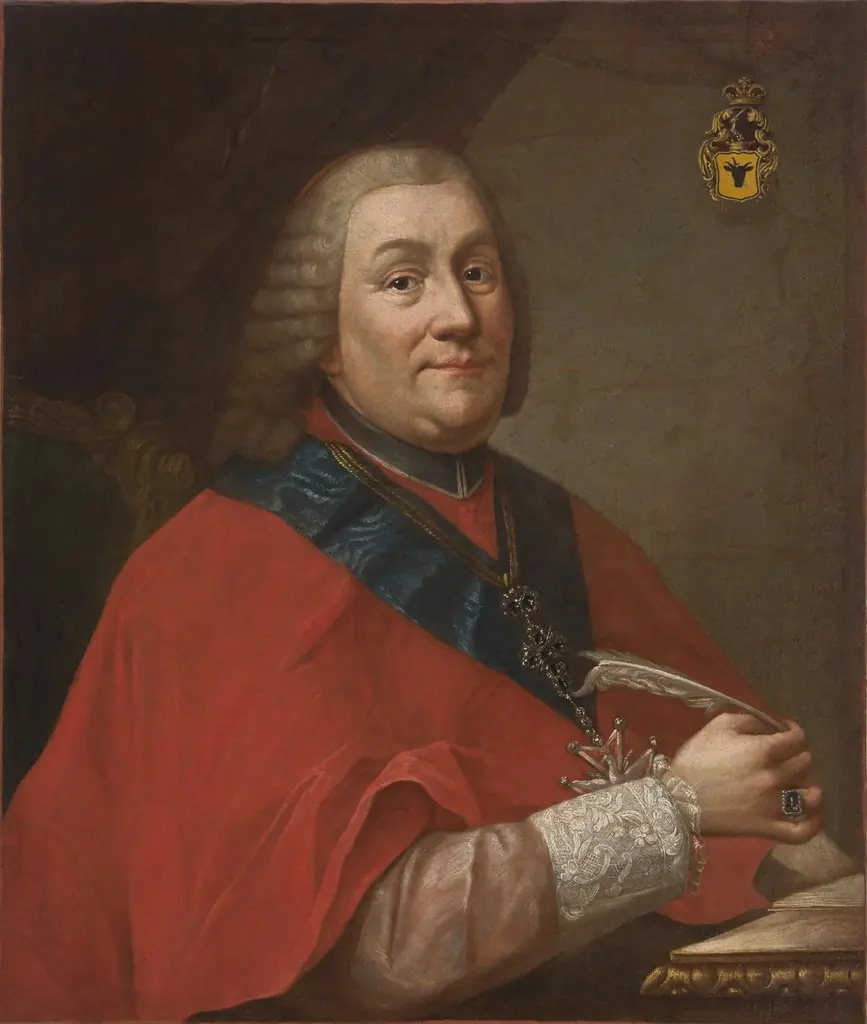 Portrait of Władysław Łubieński (1703–1767), Archbishop of Gniezno and the Primate of Poland
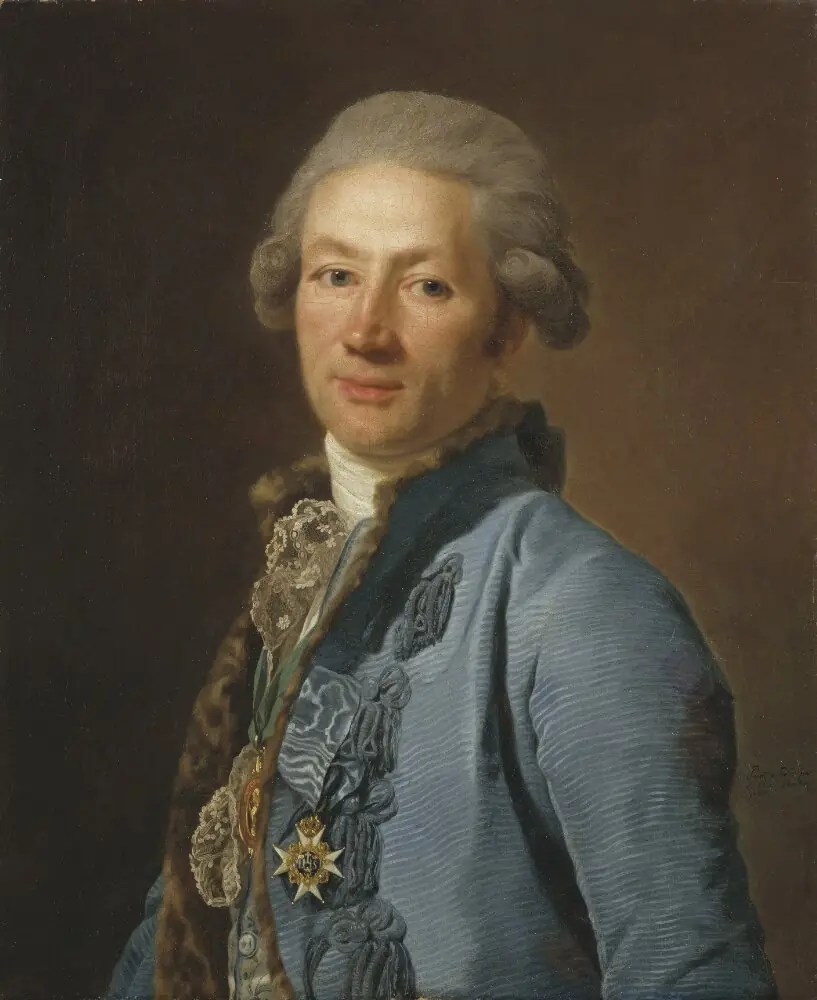 Christoffer Bogislaus Zibet
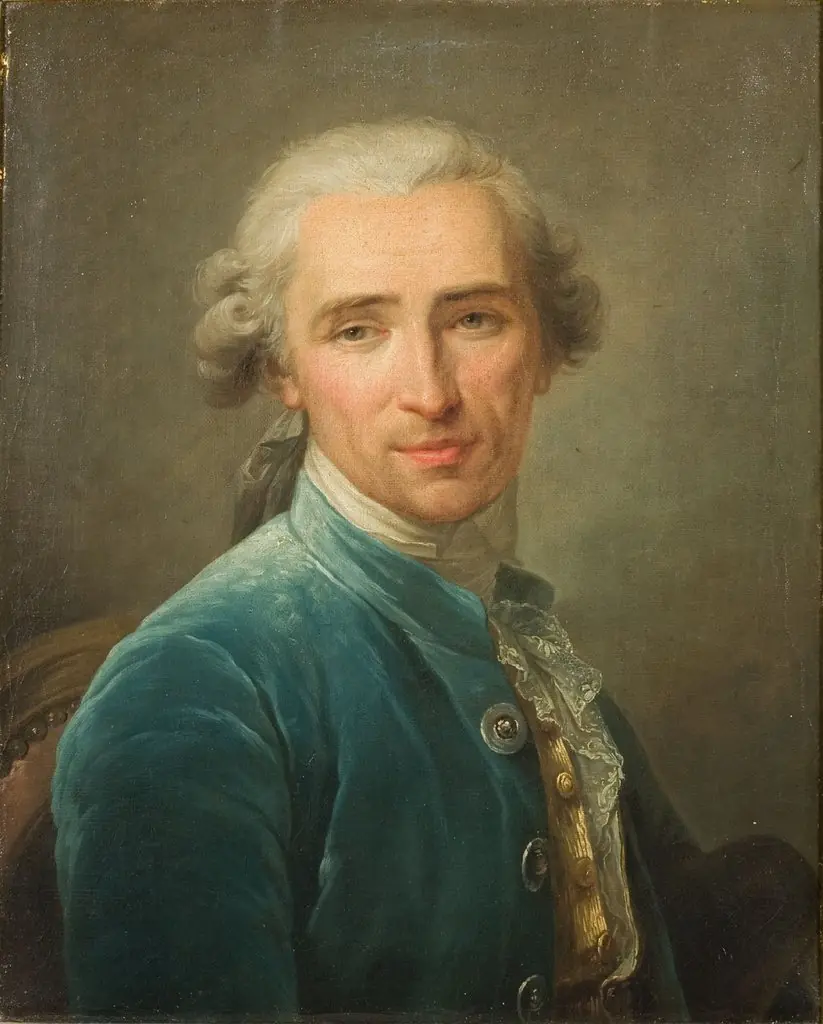 Portrait de Joseph Benoît Suvée
 Portrait of Étienne-François de Choiseul (1719-1785)
 Bildnis des Clemens Wenzeslaus, Bischof von Freising, Regensburg und Augsburg