Artwork
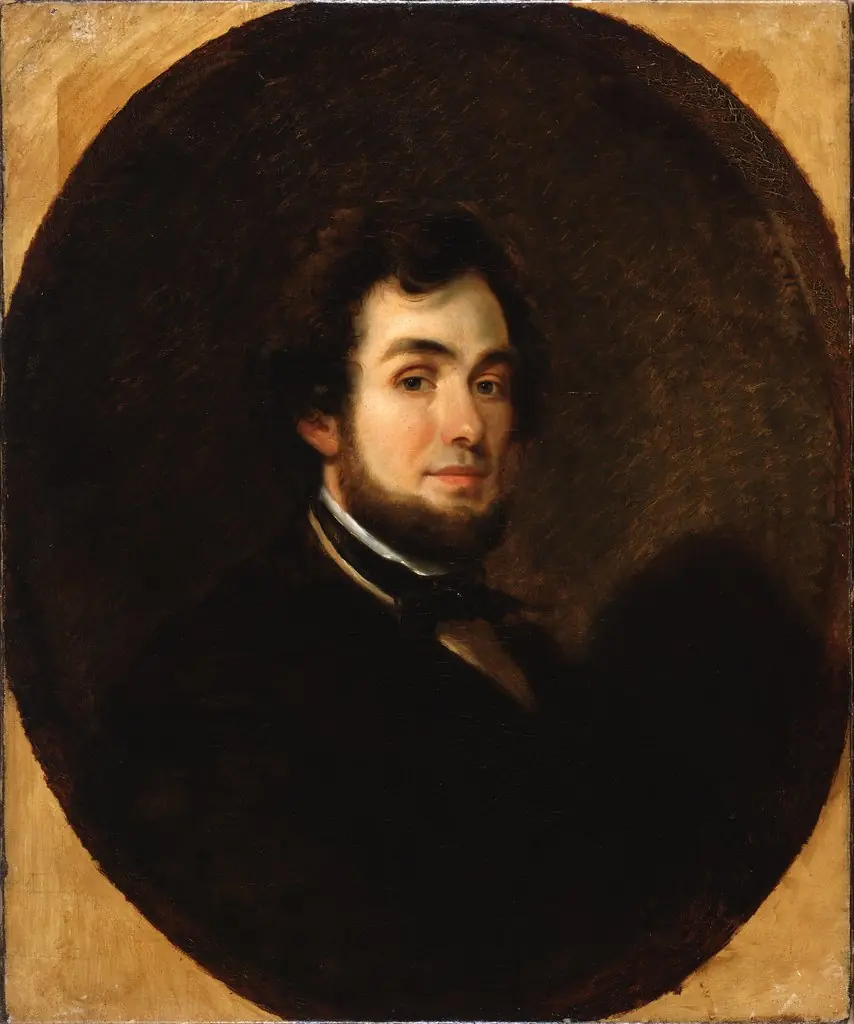
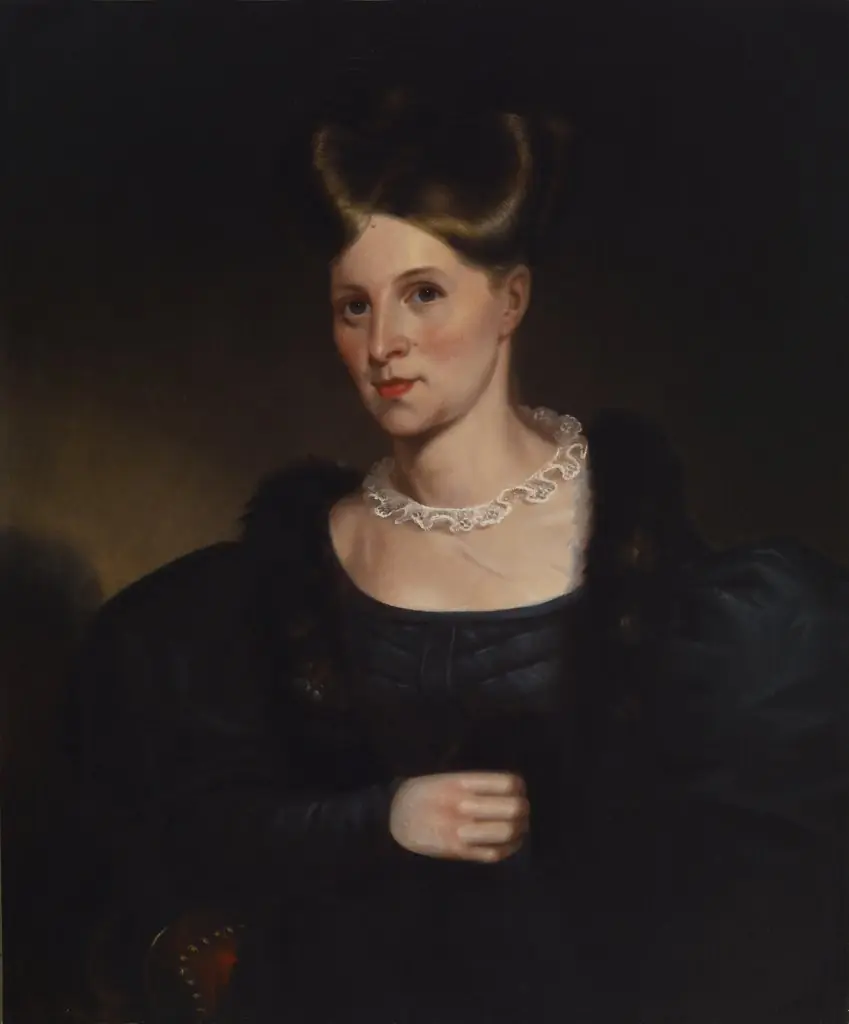
Portrait of Colonel Alexander Smith (1790-1858)
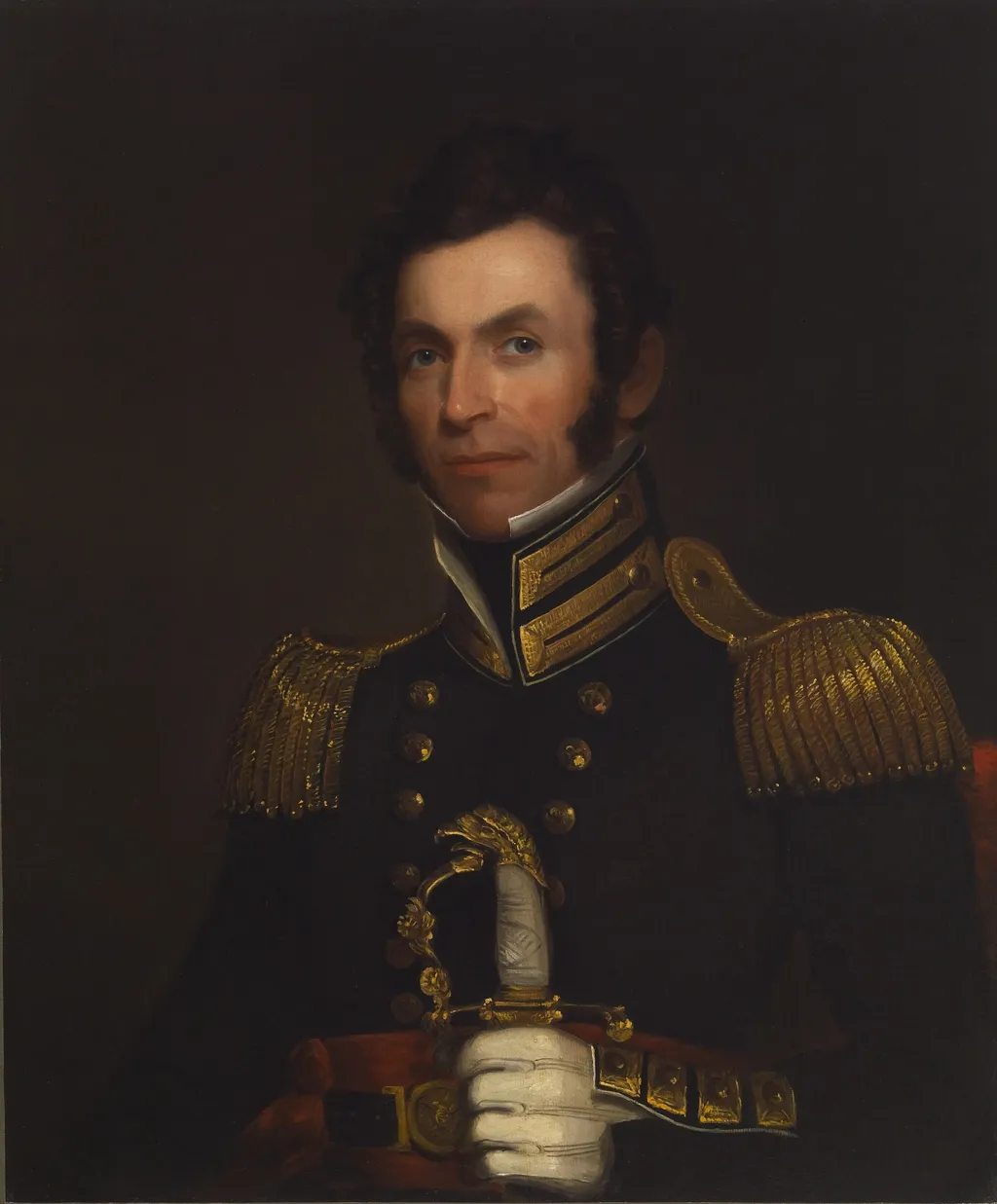
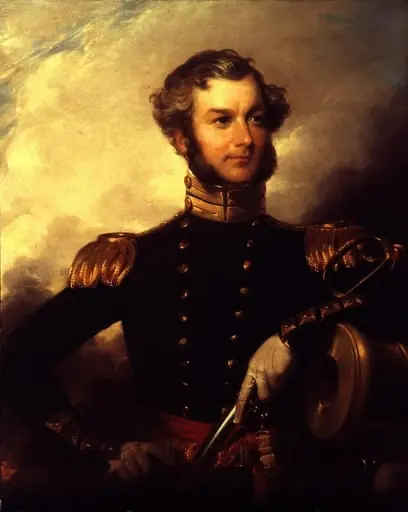
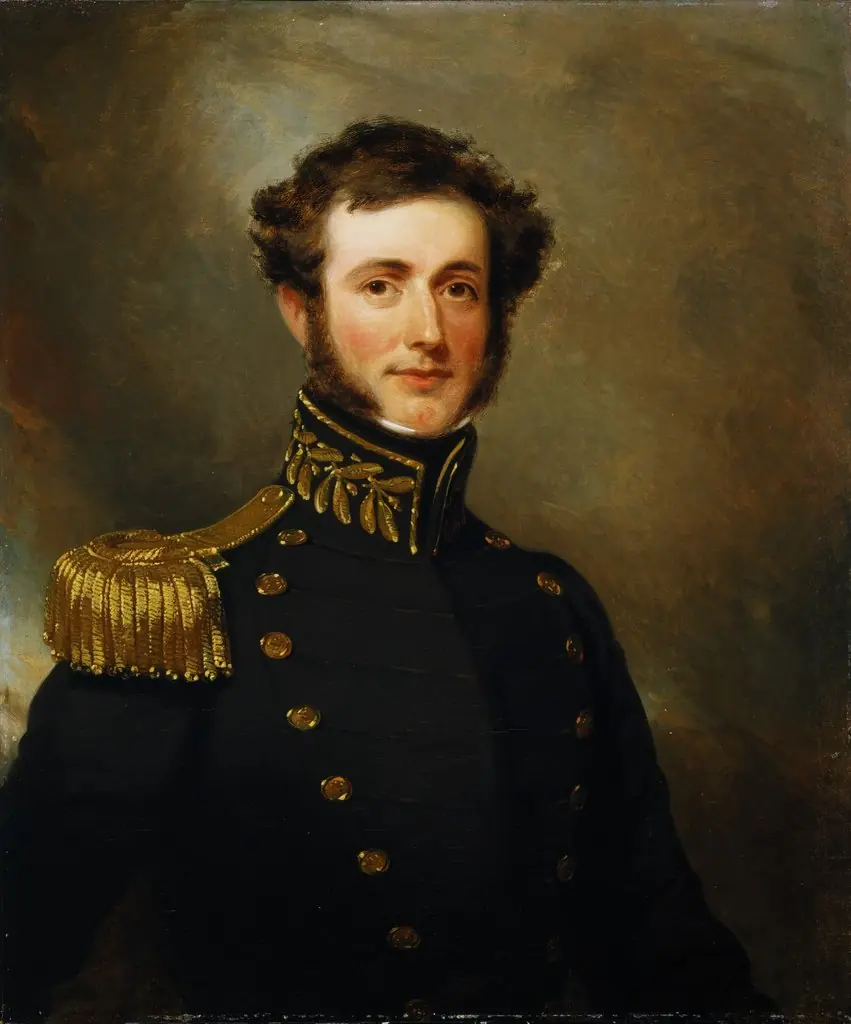
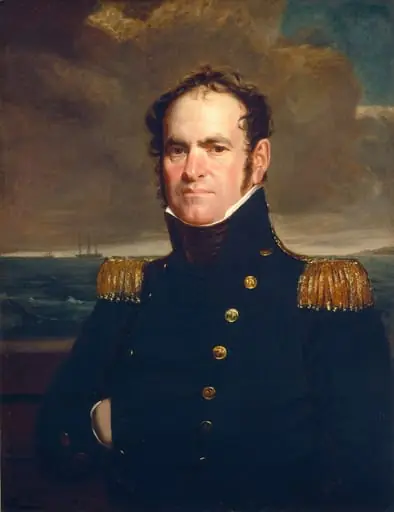
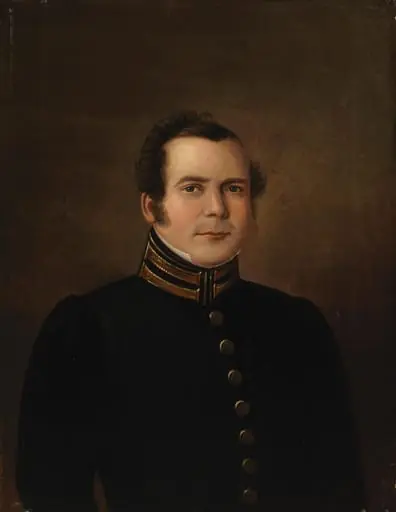
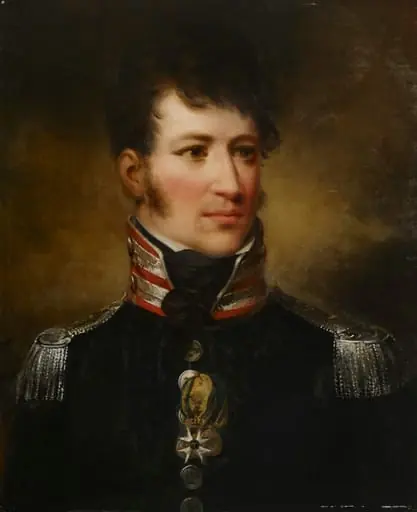
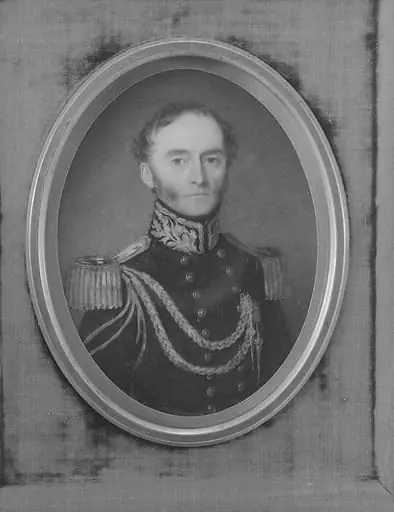
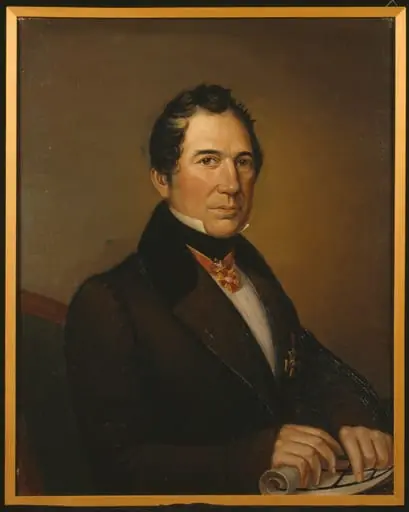
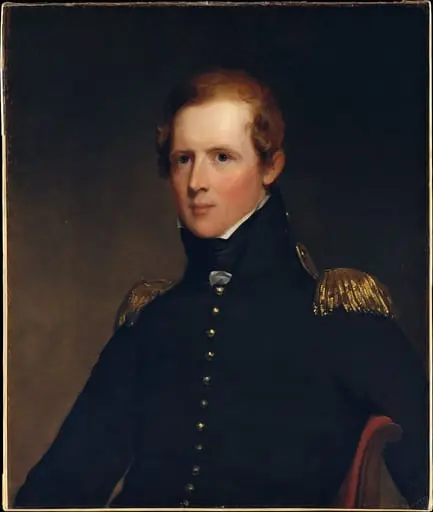
Portrait of Colonel Alexander Smith (1790-1858) is an oil painting by the American Impressionist artist Alfred Jacob Miller. It dates from 1833 and is held in the collection of the Walters Art Museum.
About this work
Overview
Painted in 1833 by Alfred Jacob Miller, this oil portrait depicts Colonel Alexander Smith, a military figure active in the early 19th century. The work is held in the Walters Art Museum’s collection and reflects Miller’s early focus on portraiture before his later association with Western themes. The composition emphasizes formality and presence through controlled lighting and restrained detail.
Subject & Meaning
Colonel Alexander Smith, born in 1790 and deceased in 1858, is portrayed in full military regalia, suggesting his rank and service. The sword, epaulets, and red sash denote authority and ceremonial status. His composed expression and upright posture convey a sense of duty and decorum, typical of portraiture intended to affirm social standing rather than capture personal emotion.
Technique & Style
Miller employed traditional oil painting methods with careful attention to texture and light. The dark background isolates the figure, enhancing the contrast of the gold embroidery and white gloves. Brushwork is precise but not overly refined, balancing realism with a slight softness in the rendering of fabric and skin, characteristic of early 19th-century American portraiture.
History & Provenance
The painting was completed in 1833, during Miller’s formative years as an artist, before his travels to the American West. It remained in private hands until entering the Walters Art Museum’s collection, where it has been preserved as an example of regional portraiture from the antebellum period. Its provenance reflects its status as a commissioned work for a military elite.
Context
In the 1830s, formal military portraiture was common among officers seeking to document their service and status. Miller, though later known for Western scenes, was trained in academic traditions and accepted commissions from prominent figures. This portrait aligns with broader trends in American art that valued clarity, dignity, and symbolic detail in depicting leadership.
Legacy
While Miller is more widely recognized for his depictions of frontier life, this portrait remains a significant early work that demonstrates his technical skill and understanding of social representation. It contributes to the study of how American elites used visual culture to assert identity during a period of national expansion and changing military institutions.
Own this work as a print
Artist & collection
Artist
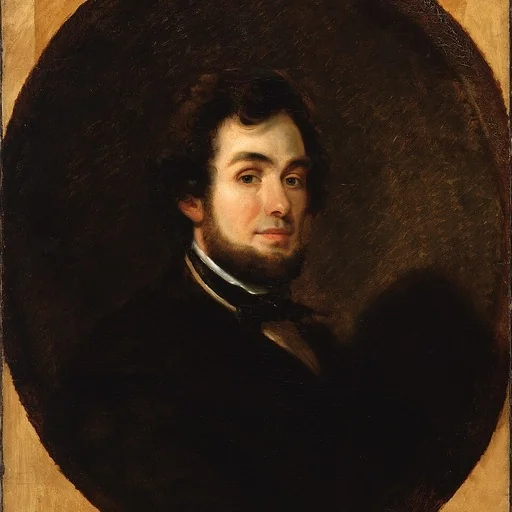
Alfred Jacob Miller (January 2, 1810 – June 26, 1874) was an American artist best known for his paintings of trappers and Native Americans in the fur trade of the western United States.