Artwork
War Ground
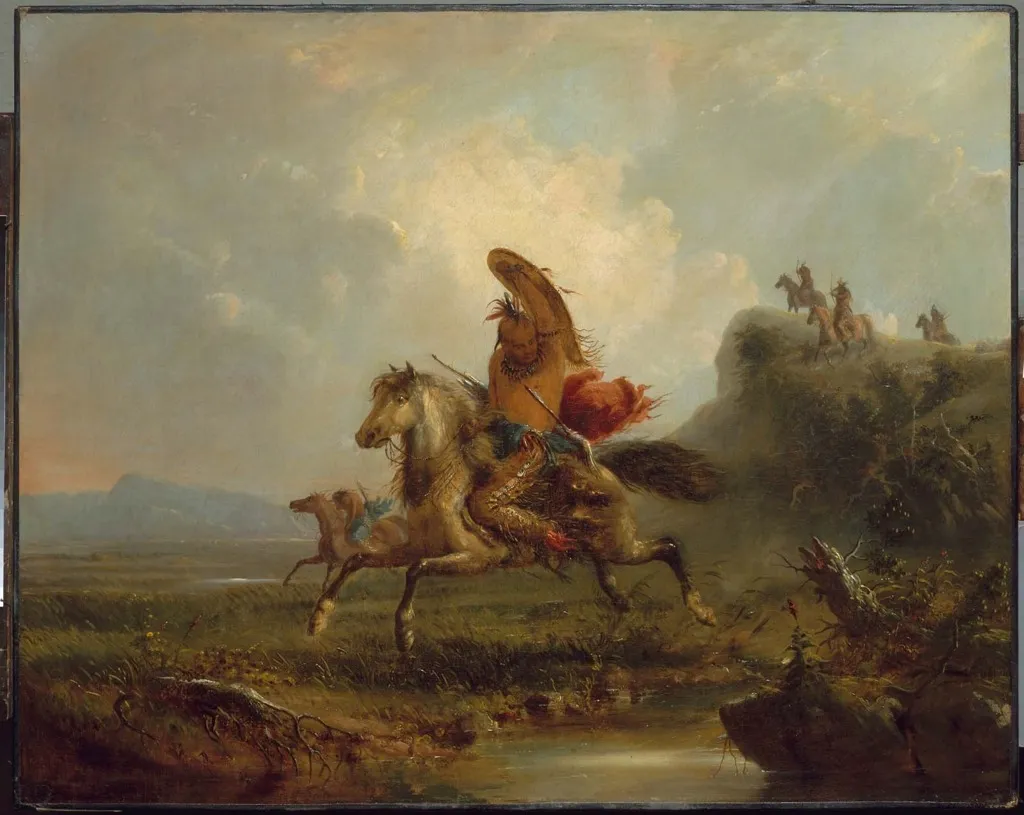
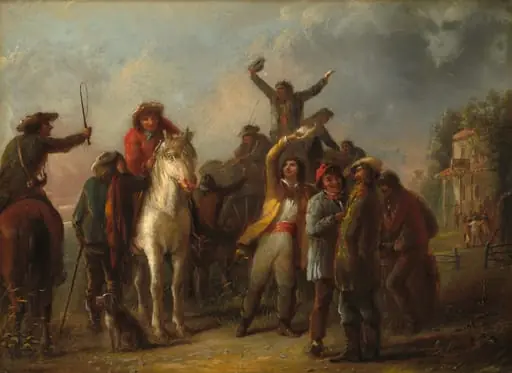
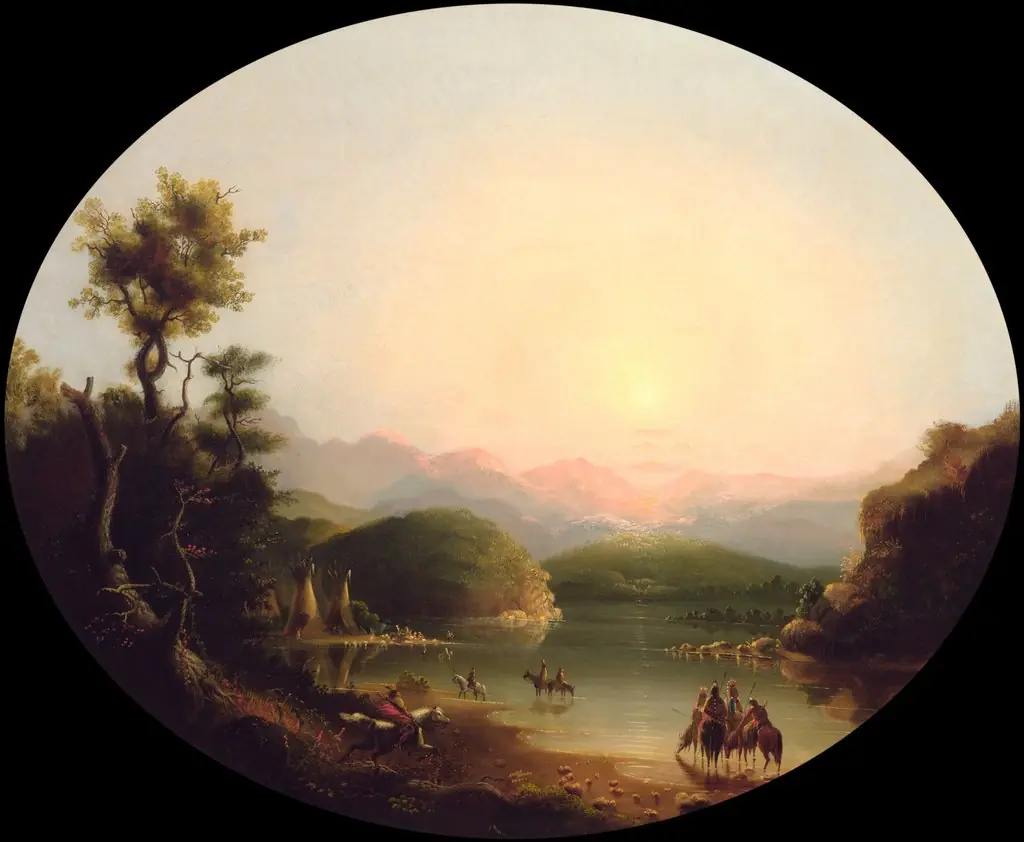
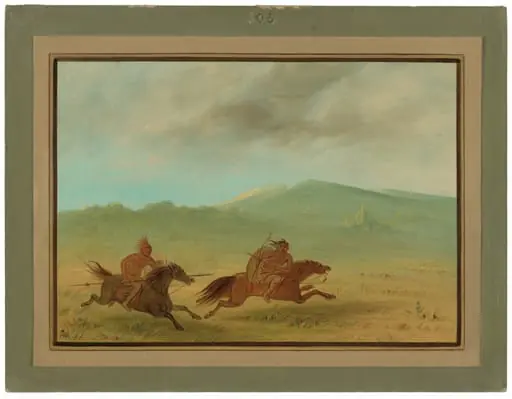
War Ground is an oil painting by Alfred Jacob Miller. It dates from 1863 and is held in the collection of the Museum of Fine Arts Boston.
About this work
Overview
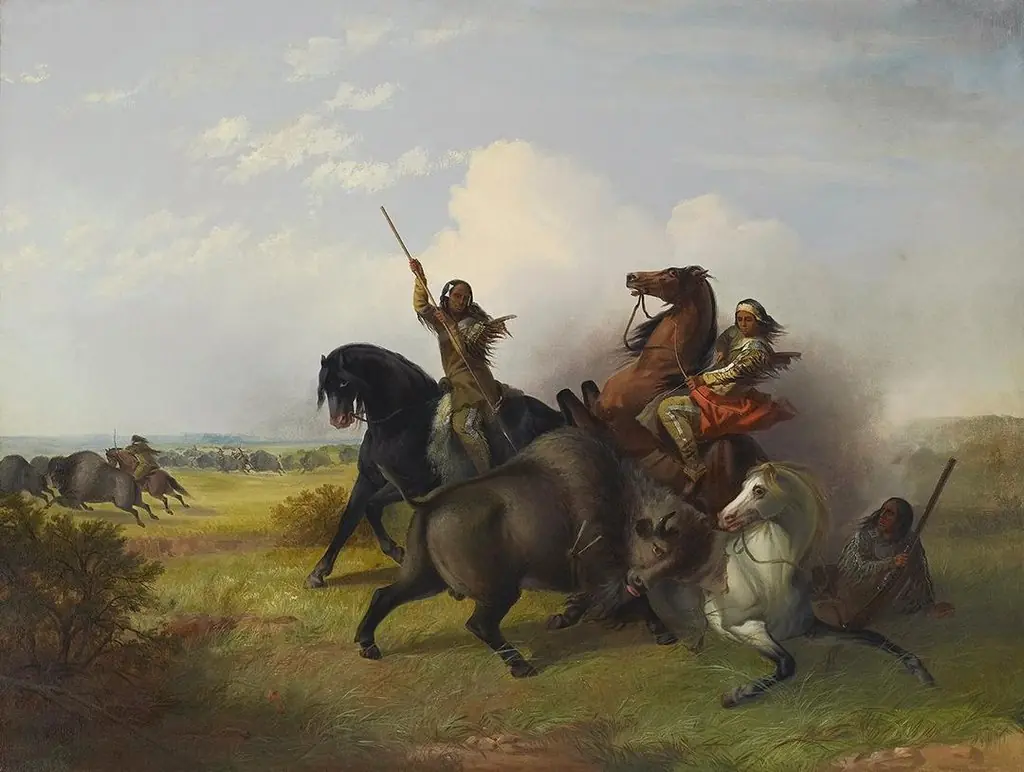
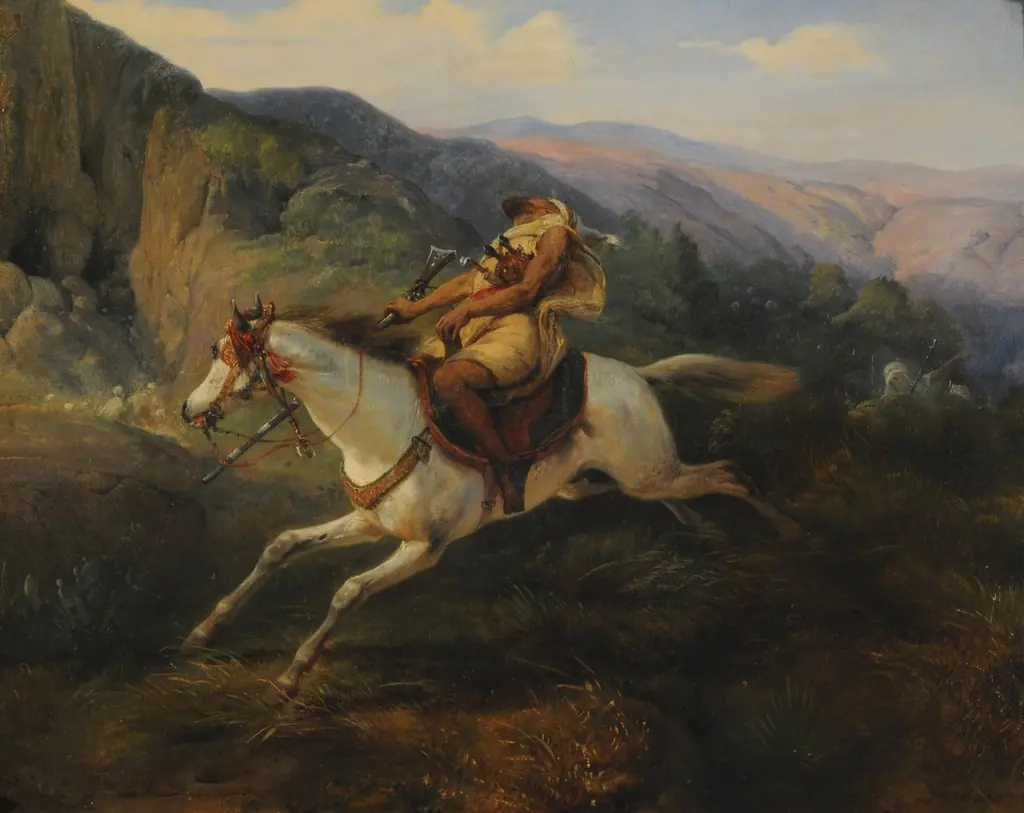
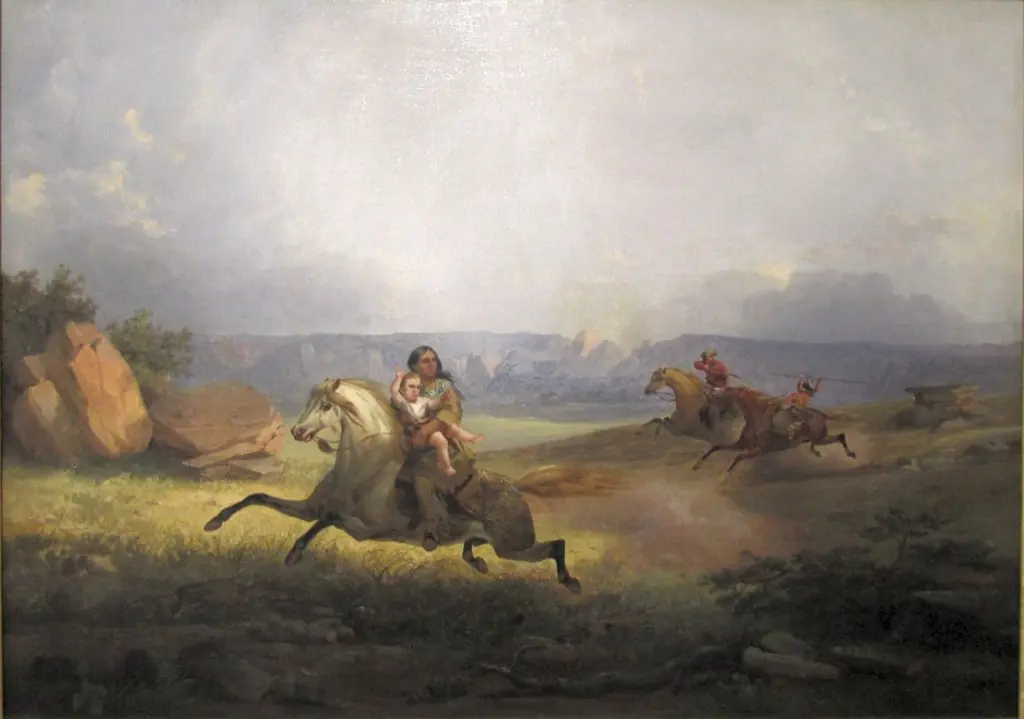
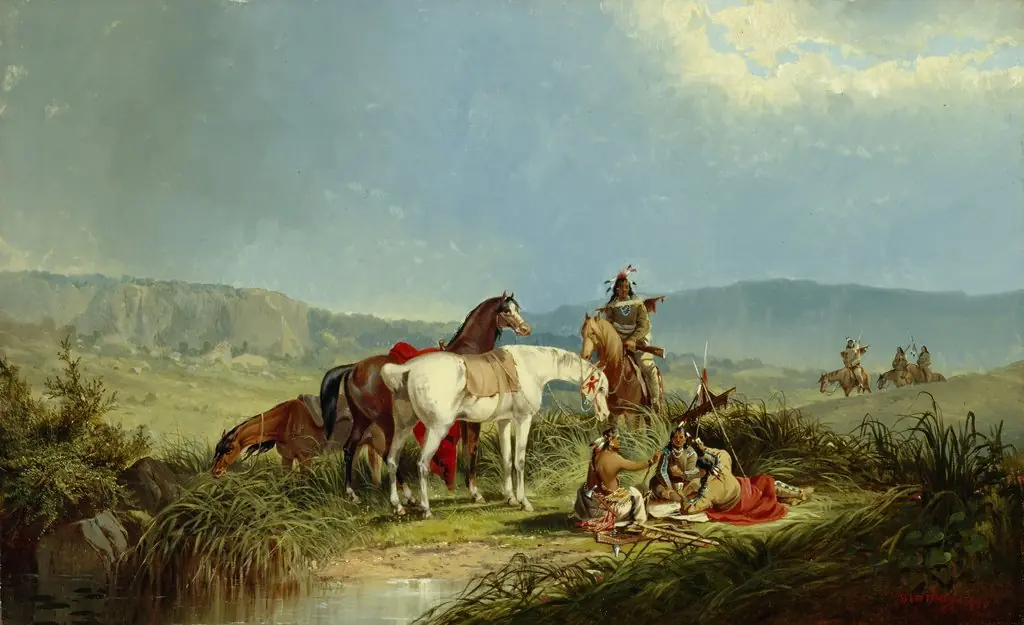
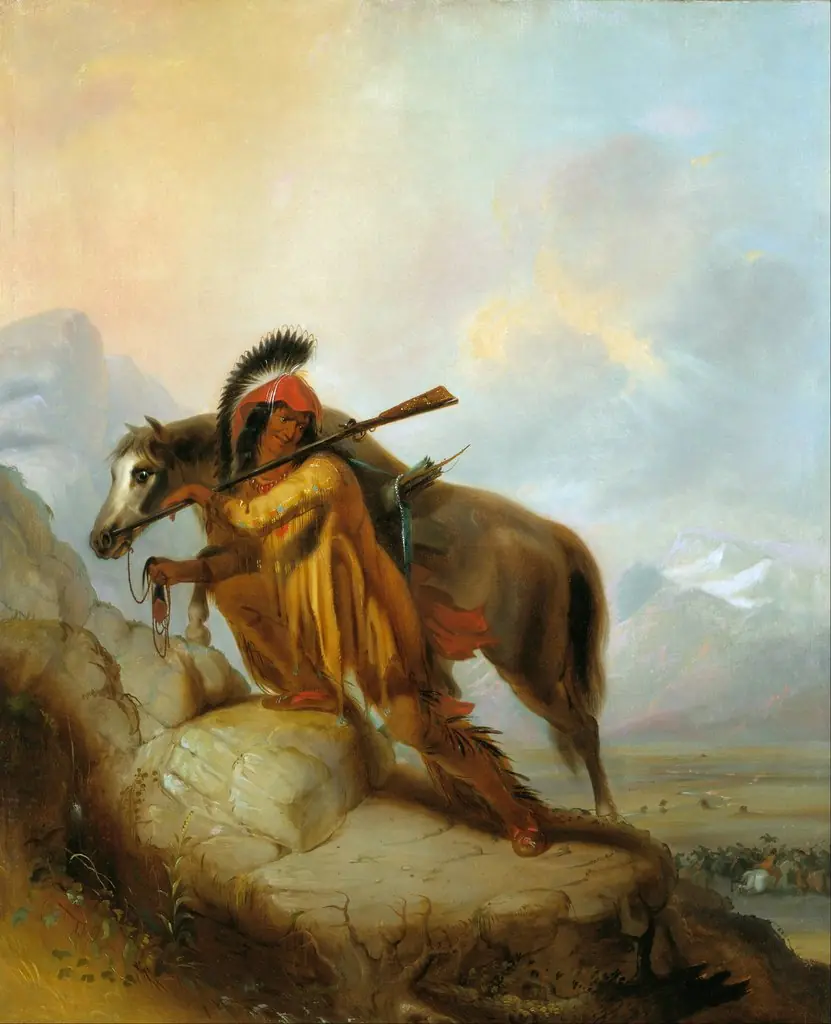
It captures a moment of motion on the western frontier, featuring a mounted Indigenous figure in a landscape of rolling grasslands and distant mountains.
Painted in 1863, *War Ground* is an oil-on-canvas work by American artist Alfred Jacob Miller. It captures a moment of motion on the western frontier, featuring a mounted Indigenous figure in a landscape of rolling grasslands and distant mountains. Though categorized as a history painting, its exact narrative remains ambiguous. Miller, known for documenting frontier life, rendered this scene with attention to environmental detail and atmospheric tone, reflecting his broader interest in the shifting dynamics of the American West.
Subject & Meaning
The central figure is a Native American man on horseback, clad in a feathered headdress and wielding a spear, moving through an open terrain. The scene suggests movement—perhaps a hunt, a journey, or an encounter—but no clear conflict or violence is depicted. Miller avoids overt dramatization, instead presenting the figure as part of the land. The ambiguity invites reflection on the complexity of Indigenous presence during westward expansion, without imposing a singular narrative of conquest or resistance.
Technique & Style
Miller employed muted earth tones—browns, greens, and soft blues—to unify the landscape and figure. Subtle chiaroscuro models the rider and horse, lending volume and a sense of forward motion. The brushwork is restrained, with loose strokes defining distant hills and sky, while finer details anchor the central figure. The composition directs the eye along the horse’s trajectory, reinforcing dynamism without theatricality. The atmosphere is quiet, emphasizing solitude over action.
History & Provenance
Created in 1863, *War Ground* entered the collection of the Museum of Fine Arts, Boston, where it remains today. Miller produced the work after his earlier travels with the fur trade expedition of 1837, drawing on sketches and memories from his time in the West. Though he later settled in Baltimore and painted portraits and domestic scenes, this work reflects his enduring engagement with frontier subjects, preserving visual records of cultures he observed firsthand.
Context
Painted during the Civil War, *War Ground* exists in tension with the national focus on internal conflict. While the East grappled with division, the West continued to undergo rapid transformation through displacement and settlement. Miller’s depiction avoids propaganda, instead offering a contemplative view of Indigenous presence amid changing landscapes. His work stands apart from sensationalized frontier imagery of the era, favoring quiet observation over ideological messaging.
Legacy
Miller’s *War Ground* contributes to a body of 19th-century American art that documents Indigenous life with relative nuance, though still filtered through a settler perspective. It is not widely reproduced, but within scholarly circles, it is recognized for its restraint and atmospheric precision. The painting endures as a quiet testament to a vanishing world, valued more for its visual honesty than its dramatic impact.
Artist & collection
Artist
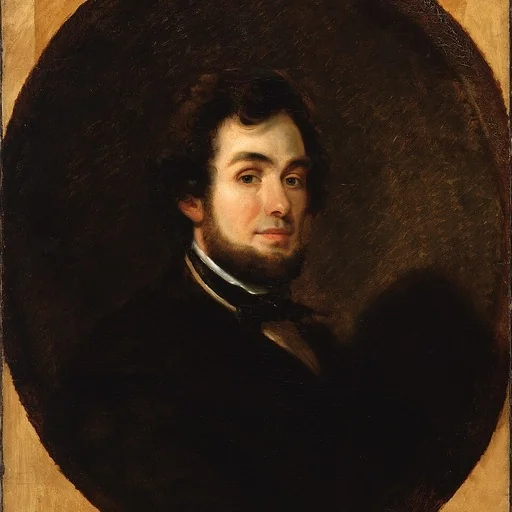
Alfred Jacob Miller (January 2, 1810 – June 26, 1874) was an American artist best known for his paintings of trappers and Native Americans in the fur trade of the western United States.