Artwork
Untitled
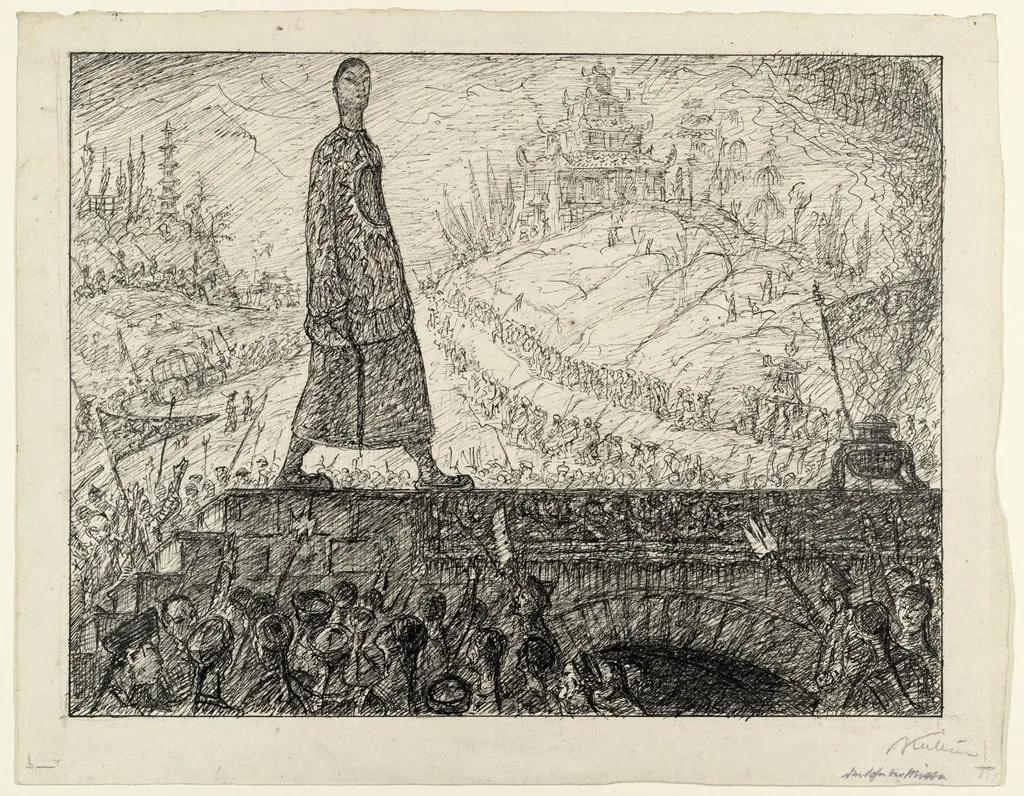
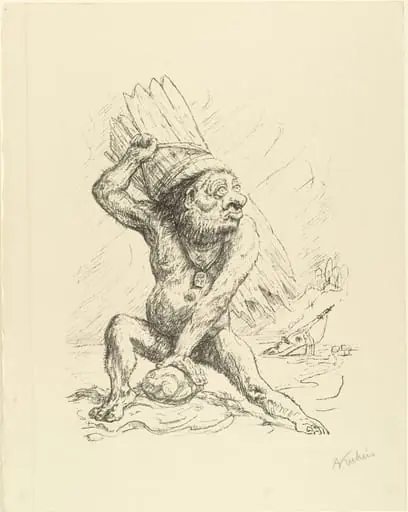
Untitled is an ink drawing by Alfred Kubin. It dates from 1910 and is held in the collection of the Museum of Modern Art.
About this work
Overview
It is part of The Museum of Modern Art’s permanent collection, where it contributes to the understanding of early 20th-century Central European graphic art.
Created around 1910, this pen-and-ink drawing by Austrian artist Alfred Kubin belongs to a body of work that bridges Symbolist atmosphere and Expressionist intensity. Executed on paper, the piece reflects Kubin’s mastery of linear technique and his preoccupation with psychological and spiritual themes. It is part of The Museum of Modern Art’s permanent collection, where it contributes to the understanding of early 20th-century Central European graphic art.
Subject & Meaning
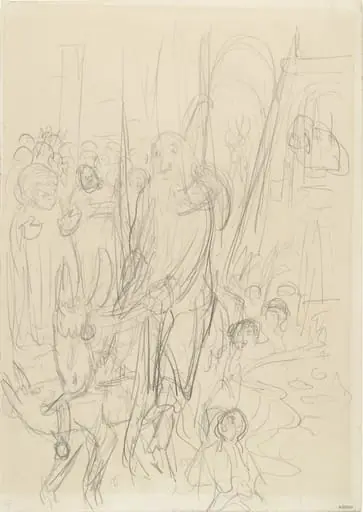
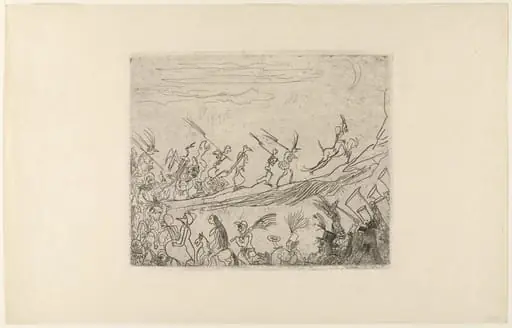
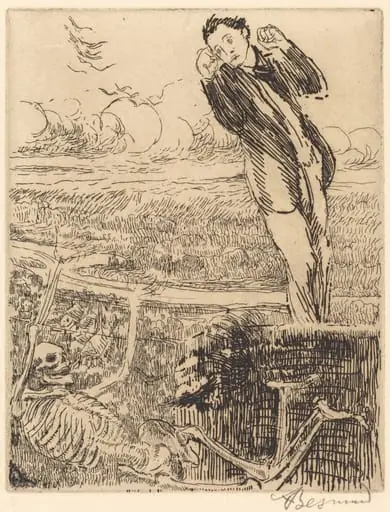
A solitary figure in a dark robe stands on a raised platform, facing a dense, indistinct crowd. The figure’s stillness contrasts with the blurred mass around it, suggesting isolation or authority. The lack of clear facial features and the ambiguous setting invite interpretation as a ritual, judgment, or existential moment. Kubin often explored themes of alienation and inner turmoil, and this image resonates with those preoccupations without literal narrative.
Technique & Style
Kubin employed dense pen strokes and cross-hatching to build volume and mood, avoiding washes or color. The heavy, rhythmic lines define forms with stark clarity, while the background dissolves into textured shadows. This method emphasizes emotional weight over realism, aligning with Expressionist priorities. The absence of detailed architecture or landscape focuses attention on the psychological dynamic between the central figure and the anonymous multitude.
History & Provenance
The drawing was produced during a period when Kubin was deeply engaged with literary and visual symbolism, following his illustrations for Kafka and his own fantastical novels. It entered The Museum of Modern Art’s collection in the mid-20th century, likely through acquisitions focused on European modernist drawings. Its presence in the museum underscores its significance within the broader context of graphic art from the early 1900s.
Context
Kubin worked amid the cultural ferment of fin-de-siècle Vienna, where artists grappled with anxiety, mysticism, and the collapse of traditional structures. His imagery diverged from naturalism, drawing from dreams, folklore, and Gothic literature. This drawing reflects a broader trend among Central European artists who used graphic media to convey inner states, anticipating the emotional extremes of Expressionism.
Legacy
Though less widely known than some contemporaries, Kubin’s graphic work influenced later generations interested in psychological depth and linear expression. His ability to convey dread and solitude through ink alone set a precedent for 20th-century illustrators and printmakers. This drawing remains a quiet but potent example of how minimal means could evoke complex emotional landscapes.
Artist & collection
Artist
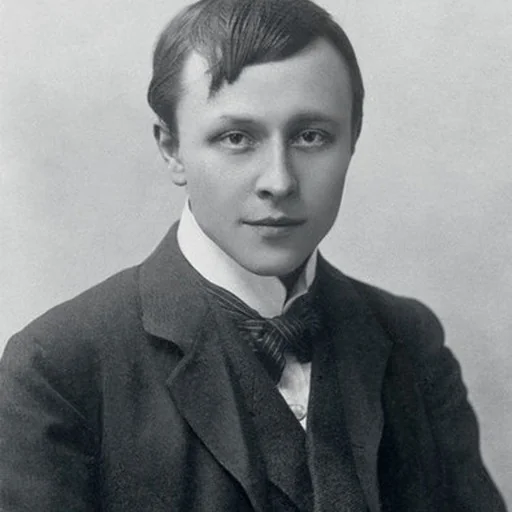
Alfred Leopold Isidor Kubin (10 April 1877 – 20 August 1959) was an Austrian artist, printmaker, illustrator, and writer of a single novel, The Other Side. Kubin is considered an important exponent of Symbolism and Expressionism.