Artwork
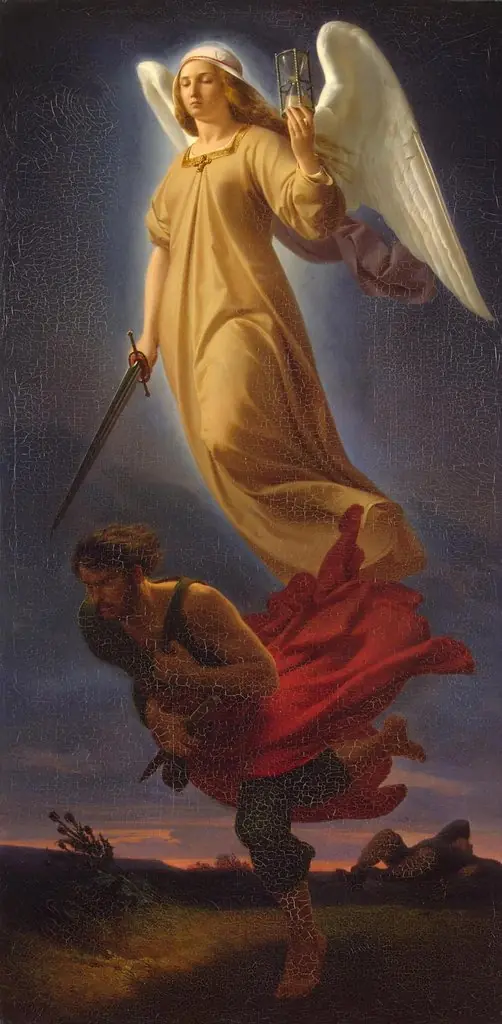
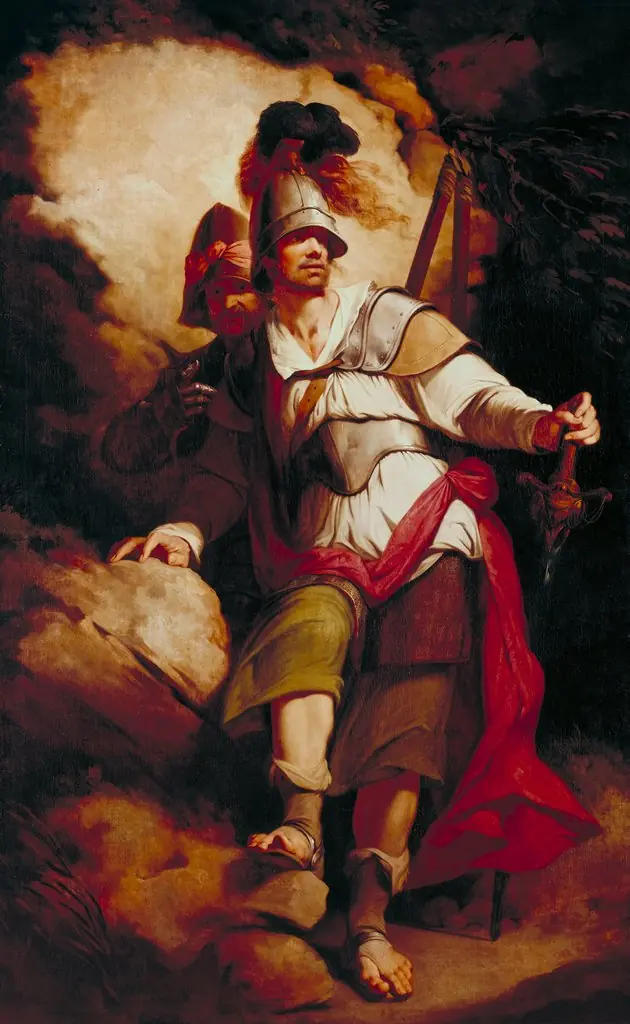
A Guardian Angel Rescuing Emperor Maximilian from the Martinswand
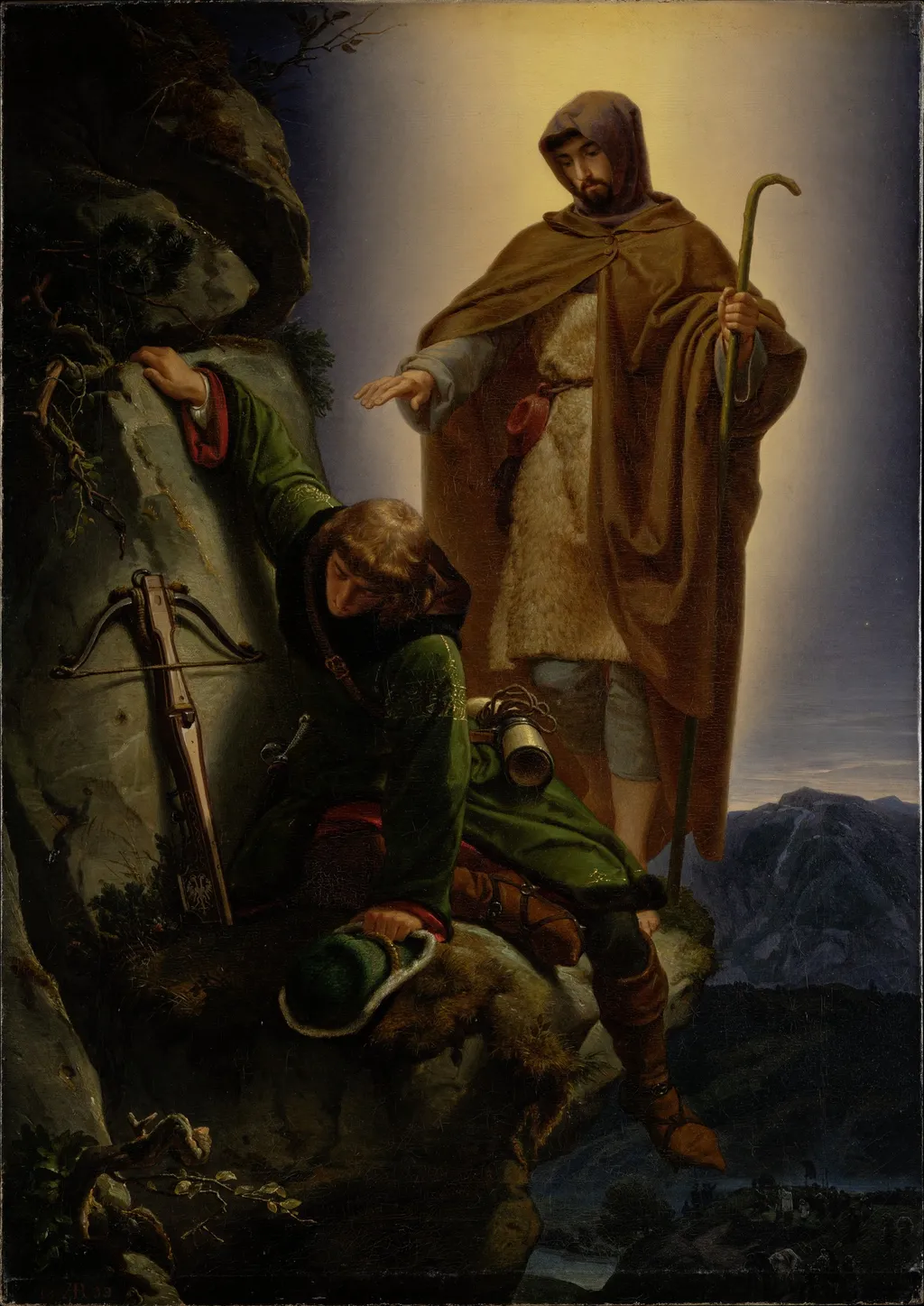
A Guardian Angel Rescuing Emperor Maximilian from the Martinswand is an oil painting by the German Romanticist artist Alfred Rethel. It dates from 1839 and is held in the collection of the Städel Museum.
About this work
Overview
Painted in 1839 by Alfred Rethel, this oil work depicts a legendary moment from the life of Emperor Maximilian I of Austria.
Painted in 1839 by Alfred Rethel, this oil work depicts a legendary moment from the life of Emperor Maximilian I of Austria. The scene captures a moment of divine intervention during a perilous journey through the Martinswand cliffs. Rendered with heightened emotional intensity, the painting blends historical narrative with spiritual symbolism, reflecting the Romantic era’s fascination with fate and providence.
Subject & Meaning
The painting illustrates the myth that an angel saved Maximilian from a fatal fall while he was pursued by enemies. The crouching figure in green, armed with a crossbow, represents the emperor in mortal peril. Above him, the luminous, robed angel extends a hand to prevent his descent. The contrast between human vulnerability and celestial aid underscores a theme of divine protection, reinforcing the Habsburg dynasty’s claimed legitimacy through heavenly favor.
Technique & Style
Rethel employs chiaroscuro to heighten the drama, sharply contrasting the angel’s radiant form against the shadowed cliff and darkened landscape. The angel’s glow is subtle yet decisive, isolating it as the sole source of salvation. Brushwork is controlled but expressive, emphasizing texture in fabric and rock. The composition directs the viewer’s eye along the diagonal of the angel’s reaching arm, reinforcing the narrative thrust of rescue.
History & Provenance
Completed in 1839, the painting entered the collection of the Städel Museum in Frankfurt shortly after its creation. It was among Rethel’s early major works, produced during his formative years in Düsseldorf, where he was influenced by the Nazarene movement’s revival of religious and historical themes. The work remained in private hands briefly before being acquired by the museum, where it has been held continuously since.
Context
Rethel painted this during a period when German artists sought to revive national myths and religious narratives as part of a broader cultural identity movement. The legend of Maximilian’s rescue, though historically unverified, resonated with Romantic ideals of divine intervention in national destiny. The painting aligns with contemporaneous works that merged history, faith, and emotional intensity to evoke moral and patriotic sentiment.
Legacy
Though not widely reproduced, the painting remains a significant example of early 19th-century German Romanticism. It demonstrates Rethel’s skill in merging narrative drama with spiritual symbolism, influencing later artists interested in historical allegory. Its preservation in the Städel Museum ensures its continued role as a study in the visual language of divine rescue within European art traditions.
Own this work as a print
Artist & collection