Artwork
Leonard W. Collmann
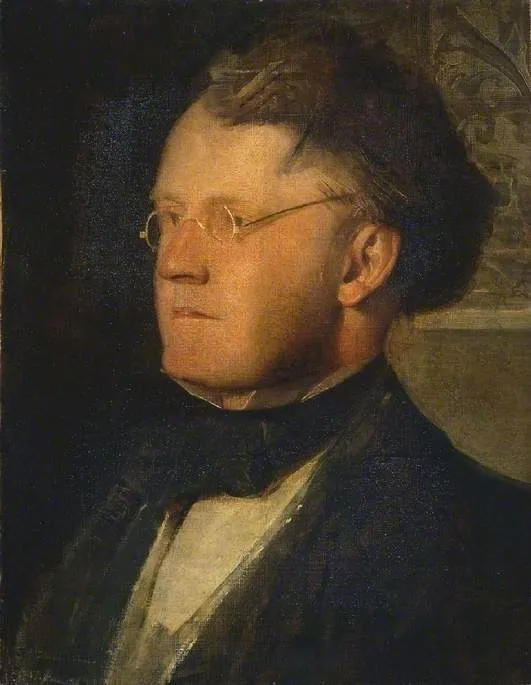
Leonard W. Collmann is an oil painting by Alfred Stevens. It dates from 1854 and is held in the collection of the Fitzwilliam Museum. Painted in 1854, *Leonard W.
About this work
Overview
The work belongs to Stevens’s early period of portraiture, following his transition from genre scenes to intimate depictions of urban bourgeois life.
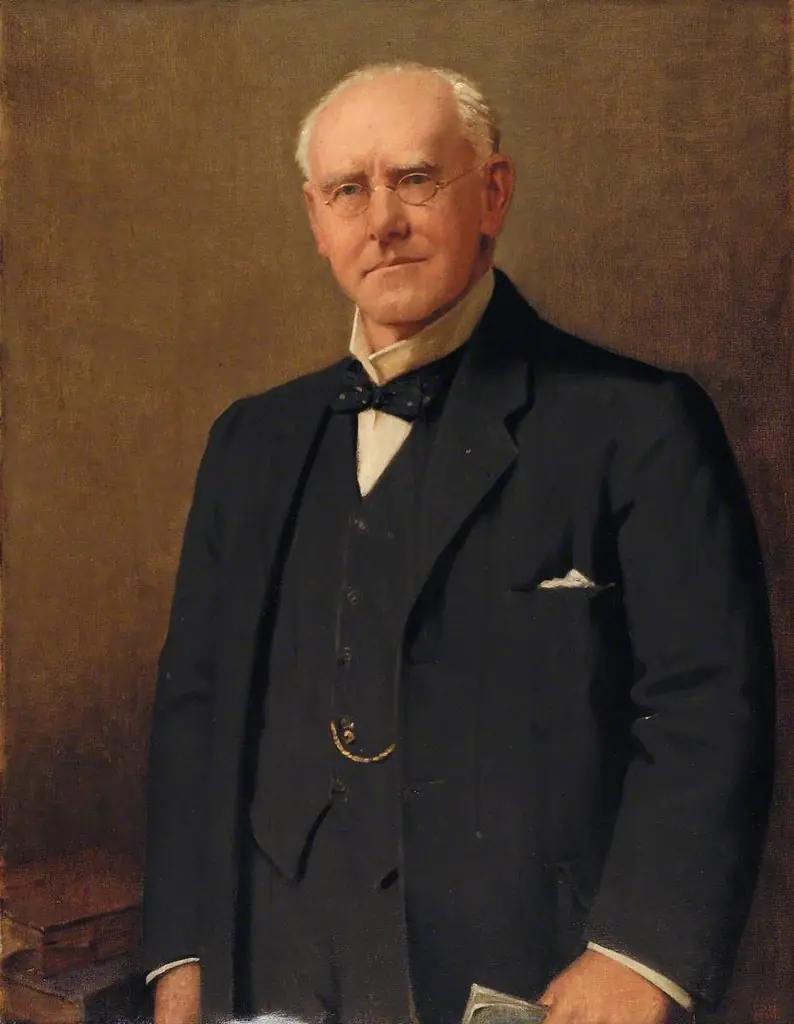
Painted in 1854, *Leonard W. Collmann* is an oil portrait by the Belgian artist Alfred Stevens. It depicts a man of modest formal attire, rendered with precision and restraint. The work belongs to Stevens’s early period of portraiture, following his transition from genre scenes to intimate depictions of urban bourgeois life. The composition emphasizes stillness and psychological presence over narrative.
Subject & Meaning
The sitter, Leonard W. Collmann, is portrayed with a composed, introspective demeanor. His dark clothing and neutral expression suggest a figure of quiet authority or professional seriousness. The gaze directed beyond the frame implies contemplation rather than engagement, reinforcing an atmosphere of reserved introspection. Stevens avoids theatricality, favoring a subdued realism that reflects the sitter’s social standing without embellishment.
Technique & Style
Stevens employed a refined, detailed technique influenced by Dutch Golden Age portraiture, particularly in the rendering of textures—fabric, skin, and hair. The dark background, faintly patterned with botanical motifs, frames the figure without distraction. Brushwork is controlled and smooth, with subtle gradations of tone to model form. The absence of overt lighting effects enhances the portrait’s quiet, intimate character.
History & Provenance
The painting was completed during Stevens’s formative years in Paris, where he established himself among artists depicting modern life. While specific ownership records prior to the 20th century are limited, the work is documented as part of Stevens’s known portrait series from the 1850s. Its preservation suggests it remained within private collections, likely among patrons connected to the artist’s circle.
Context
In mid-19th-century Paris, portraiture was increasingly valued as a record of individual identity within a rapidly changing society. Stevens’s focus on the upper-middle class aligned with broader cultural interests in domesticity and personal dignity. Unlike grand historical or aristocratic portraits, his works captured everyday refinement, reflecting the values of a rising urban elite through understated elegance.
Legacy
Though less celebrated than Stevens’s later works featuring women in interior settings, *Leonard W. Collmann* exemplifies his early mastery of psychological realism. The portrait contributes to understanding his artistic evolution and the broader shift in Belgian and French painting toward intimate, contemporary subjects. It remains a quiet testament to the dignity of the individual in an age of social transformation.
Artist & collection
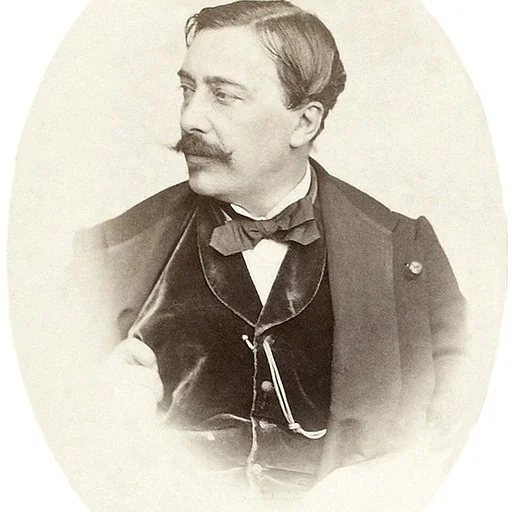
Artist
Alfred Émile Léopold Stevens (11 May 1823 – 24 August 1906) was a Belgian painter, known for his paintings of elegant modern women.

 Professor John Owen Thomas
 Portrait of Reverend J.M. Hamilton
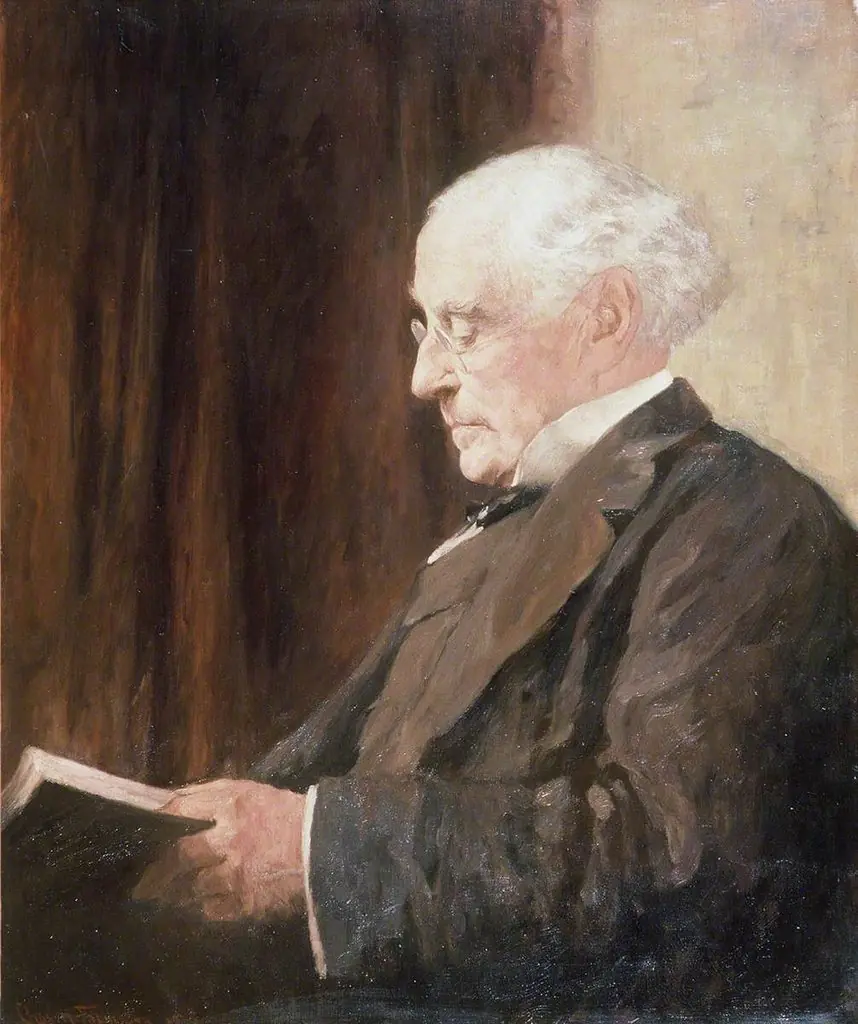 William Ewart Gladstone (1809–1898)
 Portrait of W.E.H. Lecky (1838-1903), Historian
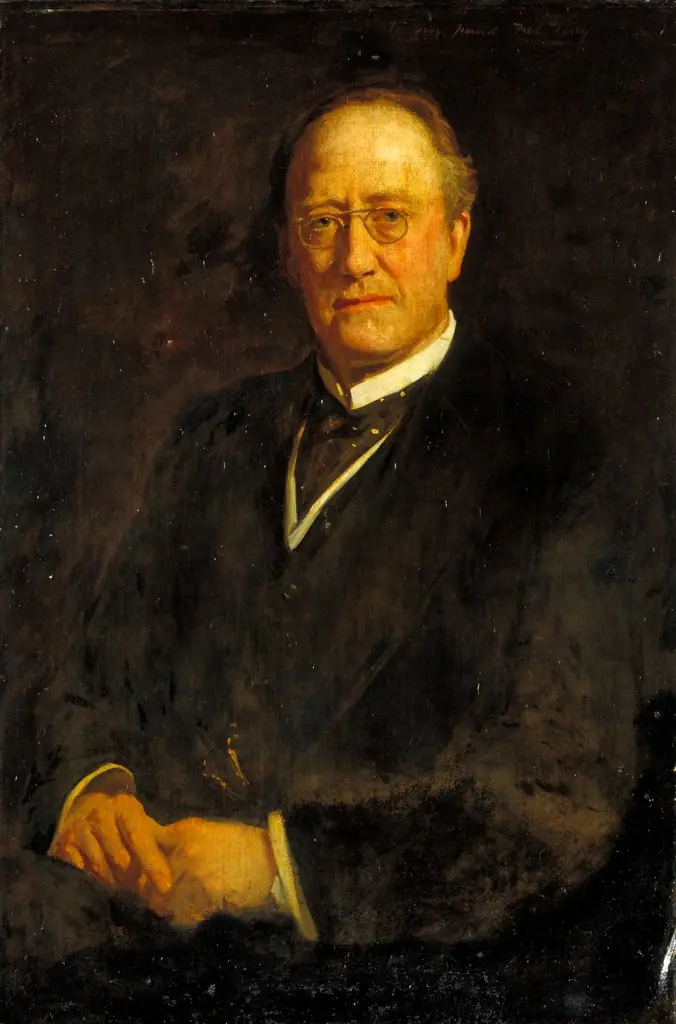 Fred Terry (1863–1933)
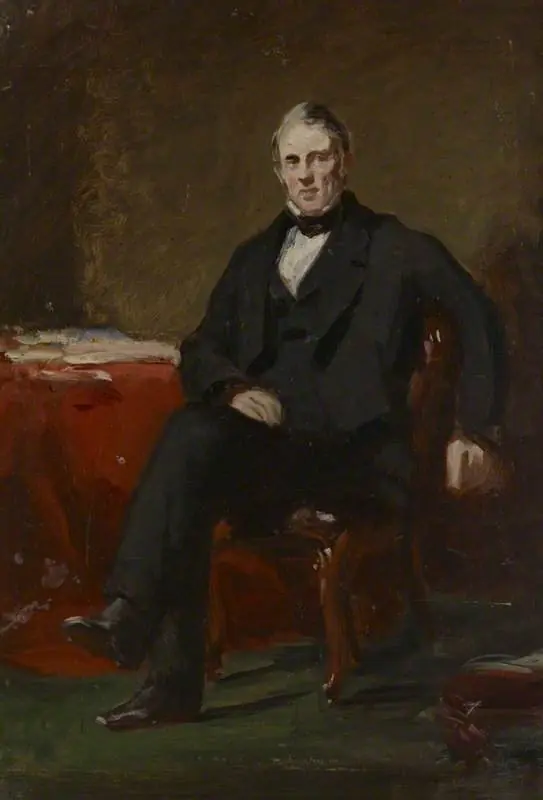 A Portrait Study of a Gentleman Seated in an Interior
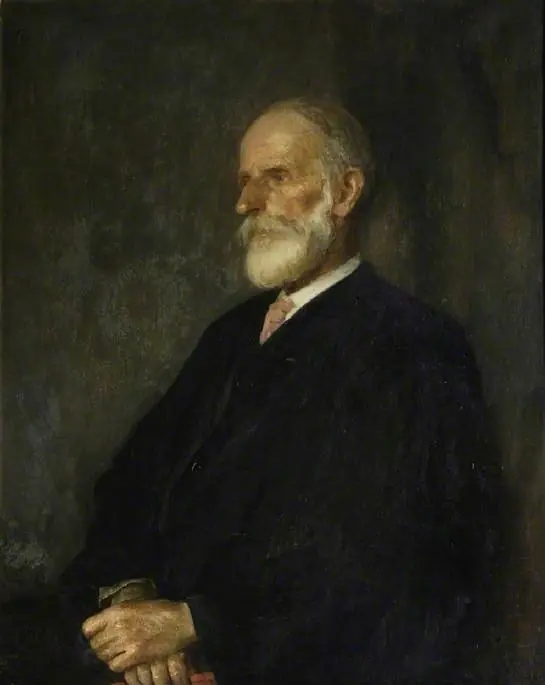 Professor James Ward
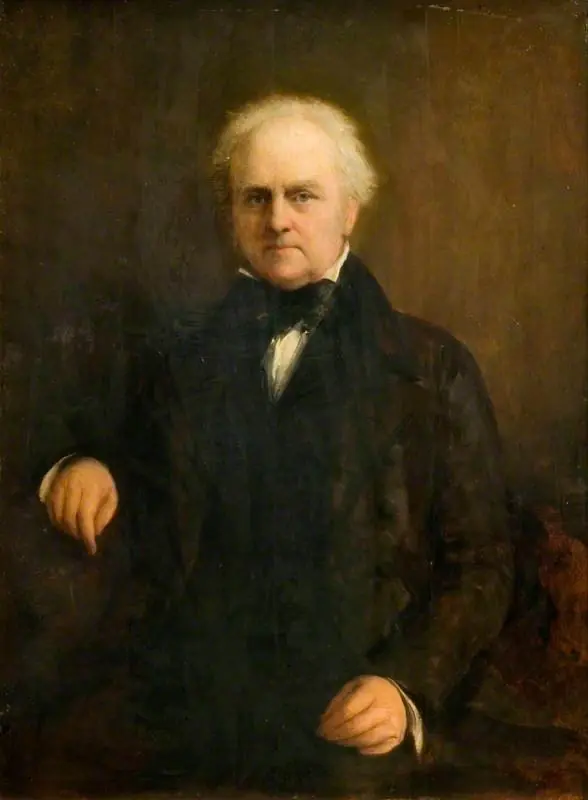 Walter Savage Landor (1775–1864)
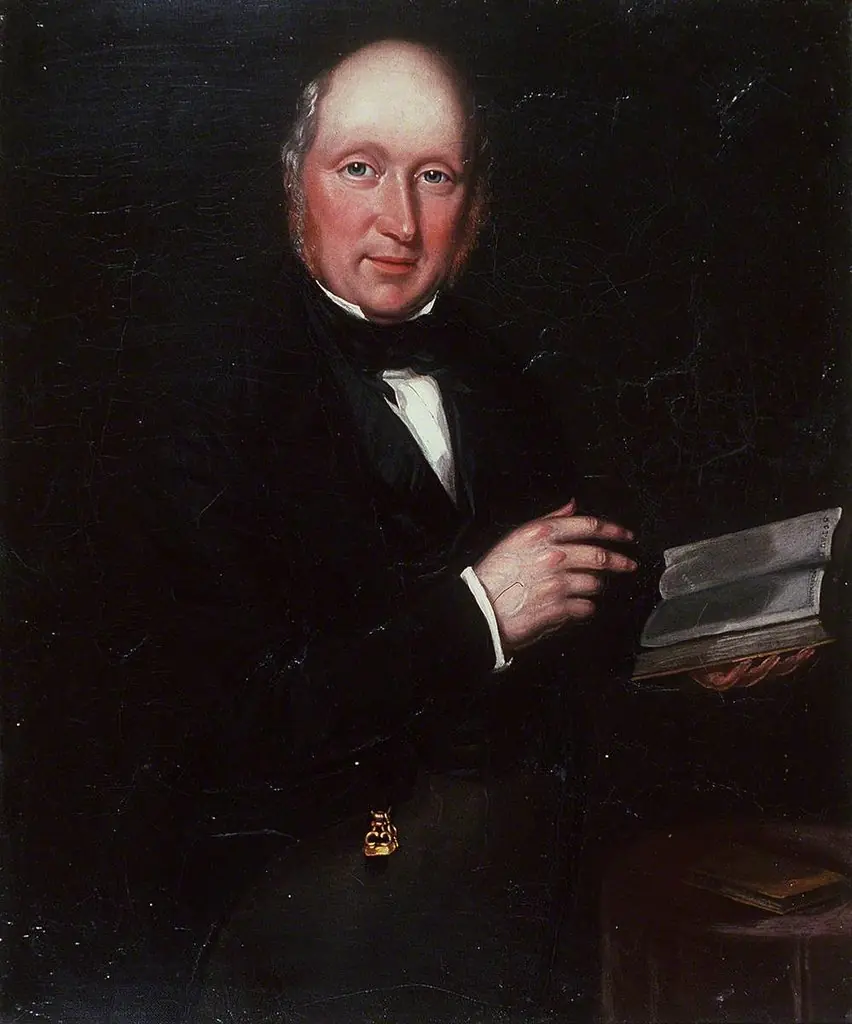 Griffith Evans
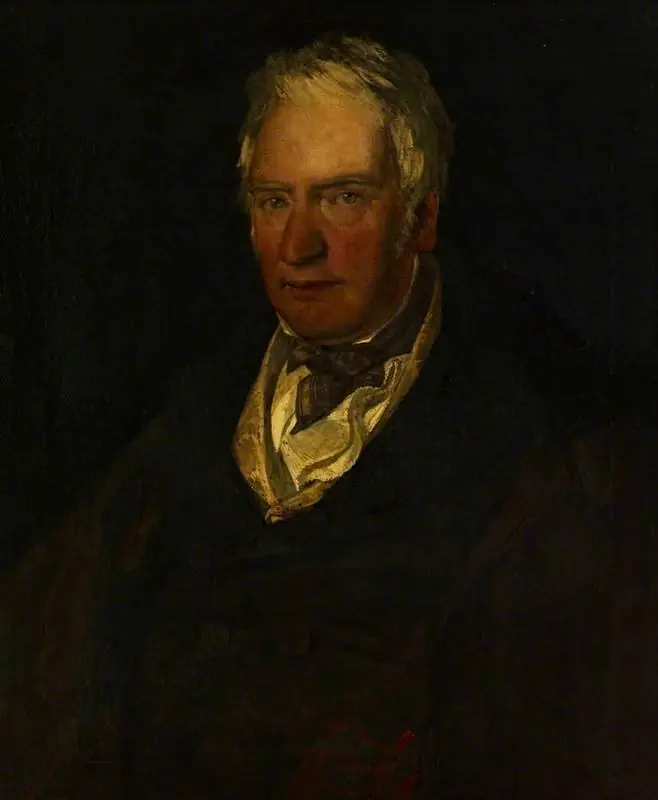 John Stirling (1811 - 1882)
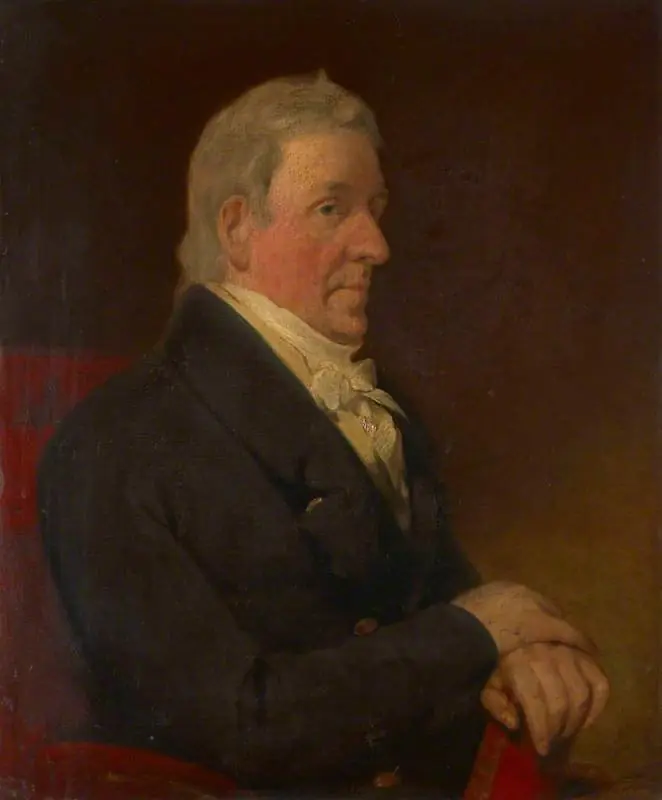 Peter Spalding (c. 1758 - 1826)
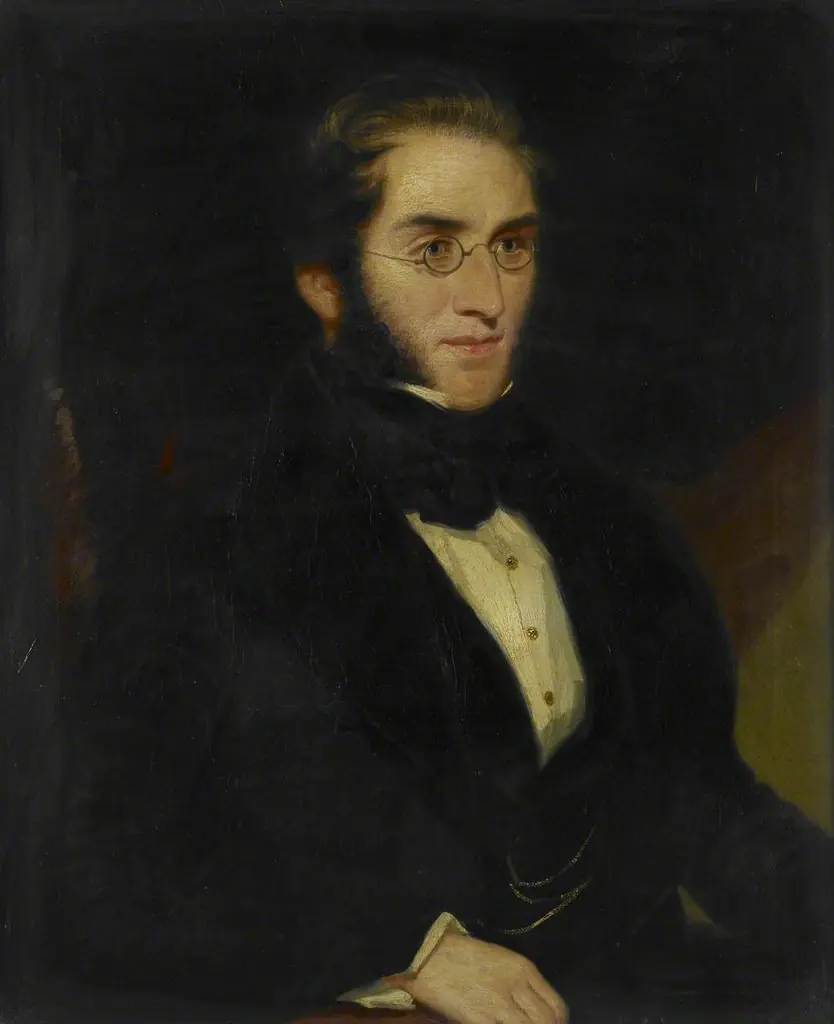 Sir Frederic Madden (1801–1873), Keeper of Manuscripts (1837–1866)