Artwork
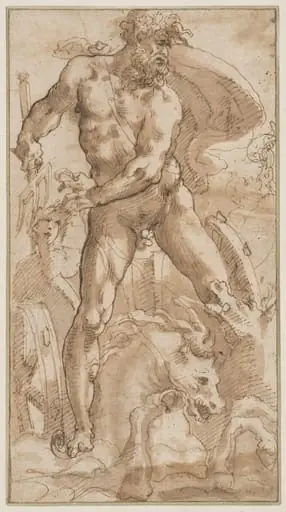
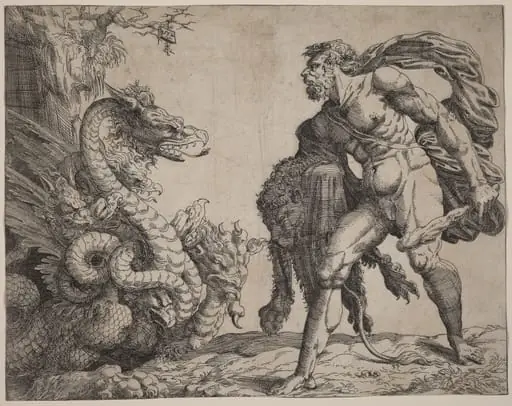
Hercules and the Hydra
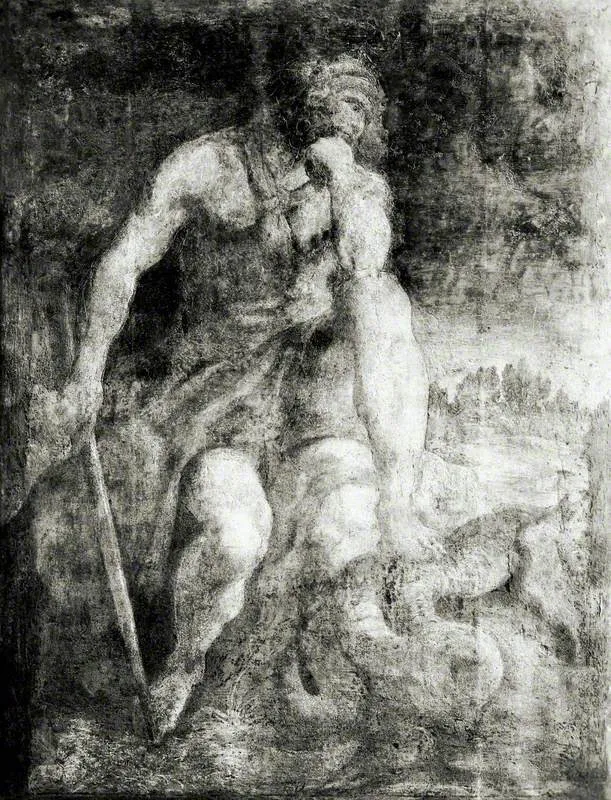
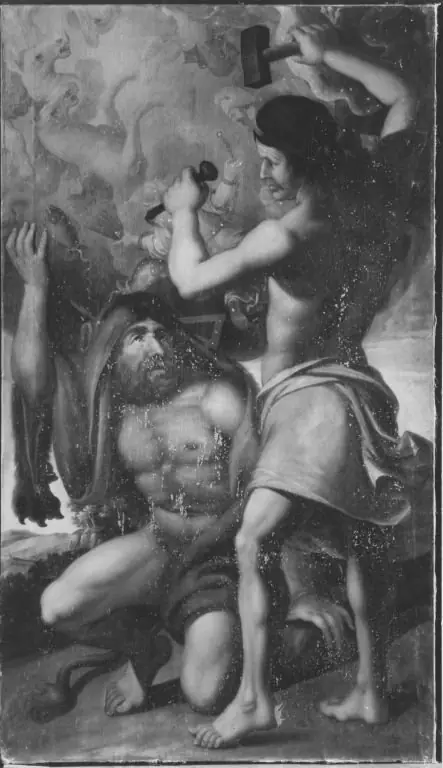
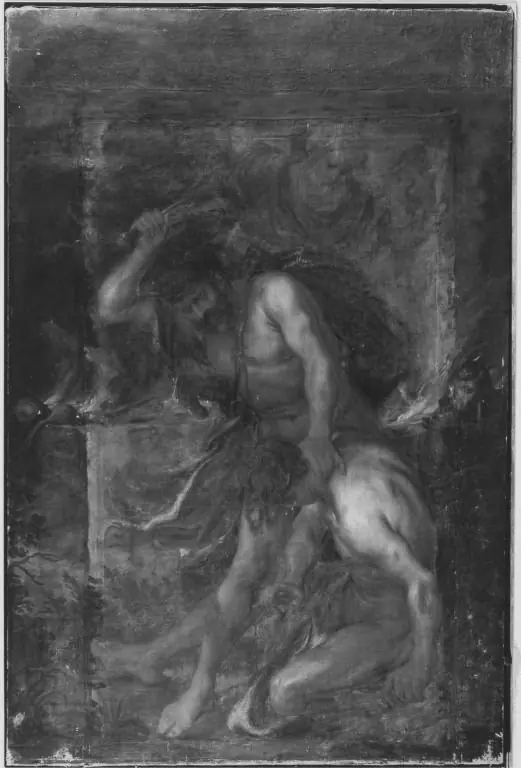
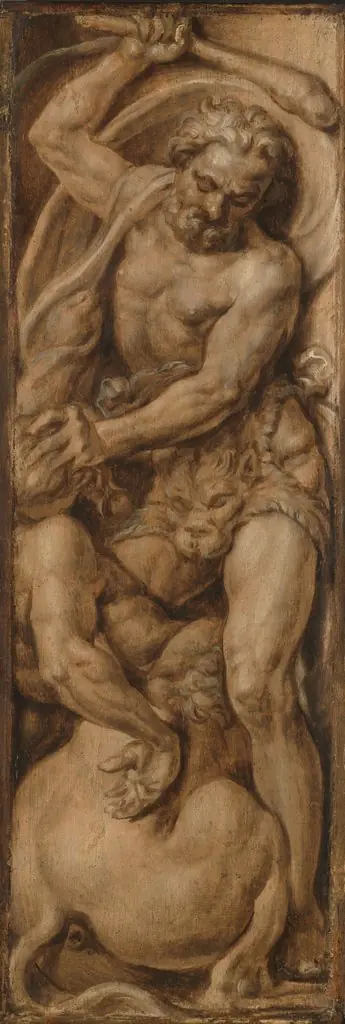
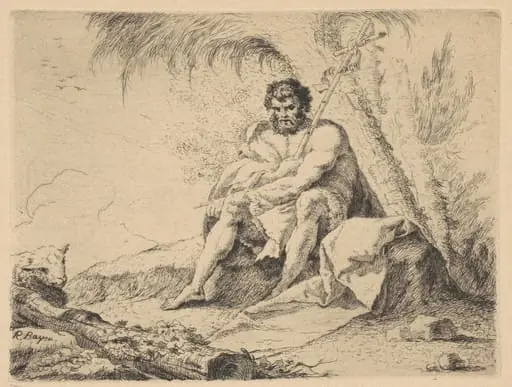
Hercules and the Hydra is an unspecified painting by the Mannerist artist Ludovico Carracci. It dates from 1598 and is held in the collection of the Victoria and Albert Museum.
About this work
Overview
Ludovico Carracci’s *Hercules and the Hydra* (1598) is an oil painting that portrays the mythic hero confronting the multi‑headed serpent. Executed during the late sixteenth‑century Mannerist phase, the work now belongs to the Victoria and Albert Museum’s collection.
Subject & Meaning
The composition shows Hercules, club in hand, poised over a coiled Hydra whose heads rise from the ground in a tangled array. The hero’s furrowed brow and focused gaze convey resolve, while the serpentine forms suggest the chaotic threat he must overcome.
Technique & Style
Carracci employs pronounced chiaroscuro, using deep shadows and bright highlights to model the figures and heighten drama. Broad, sweeping gestures and a dynamic stance give the scene a sense of movement, reflecting the artist’s interest in emotional intensity.
History & Provenance
Created in Bologna in 1598, the painting reflects Carracci’s early‑Baroque sensibilities that would later influence fresco and religious commissions. It entered the Victoria and Albert Museum’s holdings in the twentieth century, where it remains on display.
Artist & collection
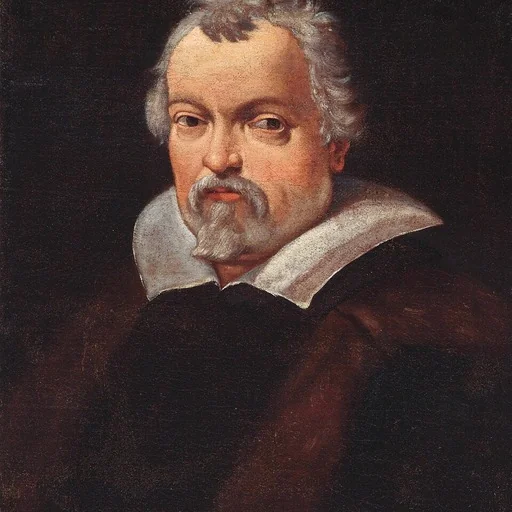
Artist
Ludovico (or Lodovico) Carracci ( kə-RAH-chee, UK also kə-RATCH-ee, Italian: ; 21 April 1555 – 13 November 1619) was an Italian early-Baroque painter, etcher, and printmaker from Bologna.