Artwork
The Family of Darius before Alexander the Great
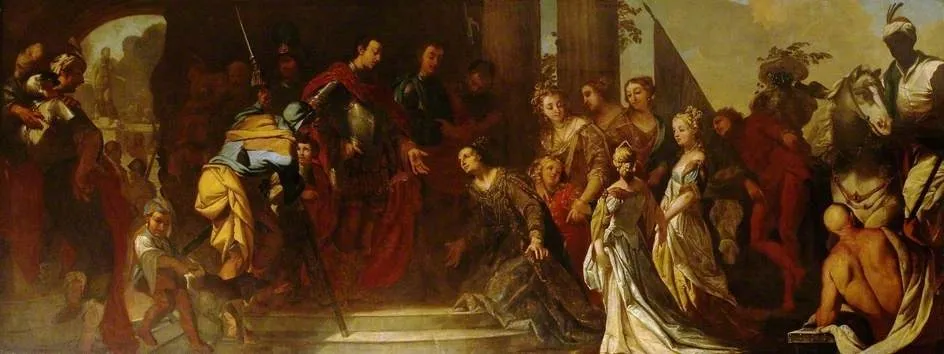
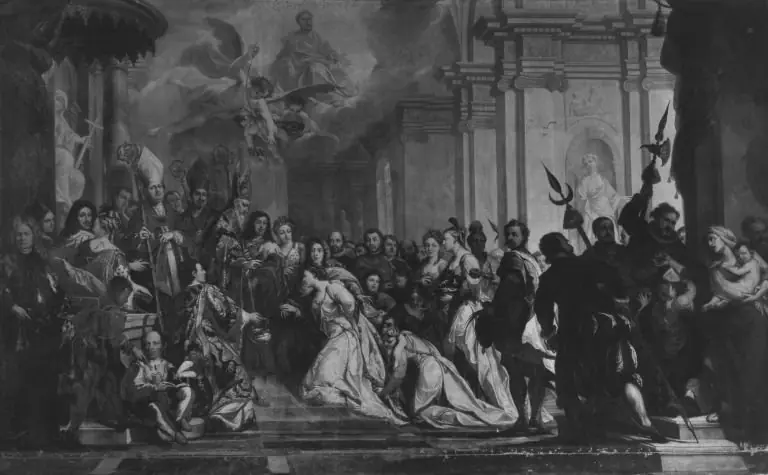
The Family of Darius before Alexander the Great is an oil painting by Antonio Bellucci. It dates from 1700 and is held in the collection of the Ashmolean Museum.
About this work
Overview
This 18th-century oil painting, created by Antonio Bellucci around 1700, depicts a pivotal historical moment from ancient Persian history. The scene shows the family of King Darius III surrendering to Alexander the Great, conveying a sense of solemnity and drama through its composition and color palette.
Subject & Meaning
The painting illustrates the surrender of the royal family of Darius III to Alexander the Great, highlighting a moment of conquest and submission. The interaction between Alexander and a kneeling female figure (likely a queen or princess) serves as the emotional and narrative focal point.
Technique & Style
Executed in oil paint, the work reflects Bellucci's training in the Venetian tradition and his adherence to the Rococo style, characterized by dramatic lighting, intricate costumes, and expressive postures. The predominantly dark tones contrast with lighter hues on the figures' attire, adding depth and visual interest.
History & Provenance
Created circa 1700 by Antonio Bellucci, a versatile painter who worked across Europe, securing commissions in England, Germany, and Austria. The painting is now part of the Ashmolean Museum's collection.
Context
Reflecting the 18th-century European fascination with classical antiquity and grand historical narratives, the painting catered to the demand for Italianate grand-manner scenes among European aristocracies.
Legacy
While specific impact on art history is not broadly highlighted in available sources, the painting remains a notable example of early 18th-century Rococo historical painting, offering insights into the artistic tastes and historical interests of the time.
Artist & collection
Artist
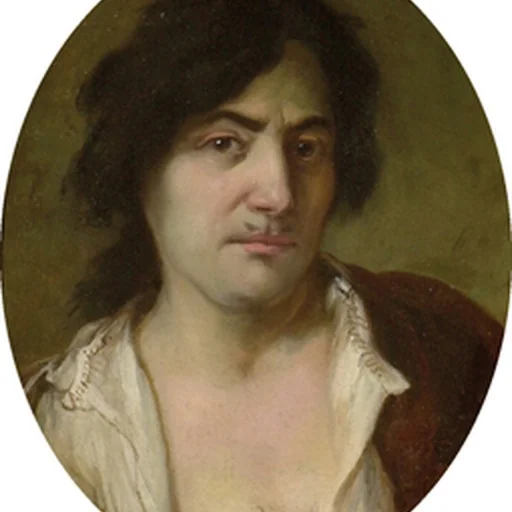
Antonio Bellucci (19 February 1654 – 29 August 1726) was an Italian soldier who became a painter of the Rococo period and is best known for his work in England, Germany, and Austria.

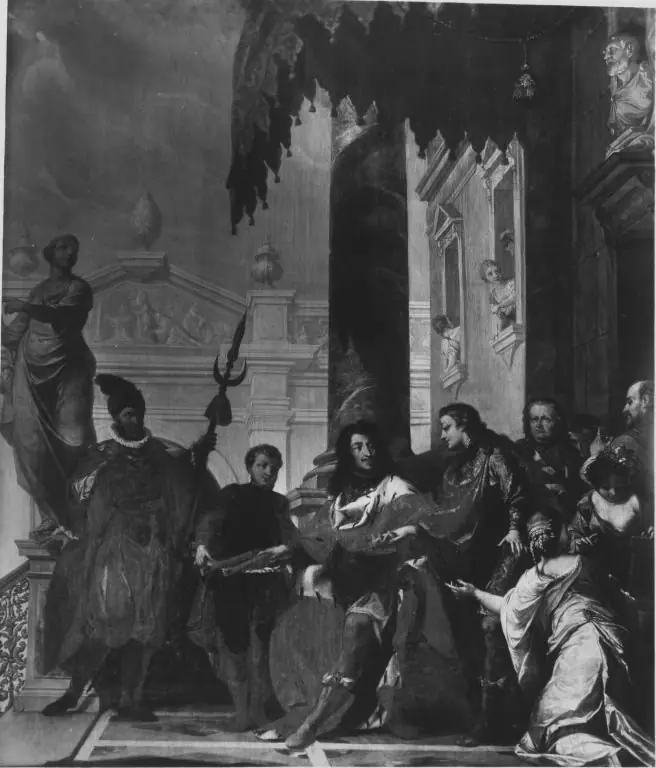
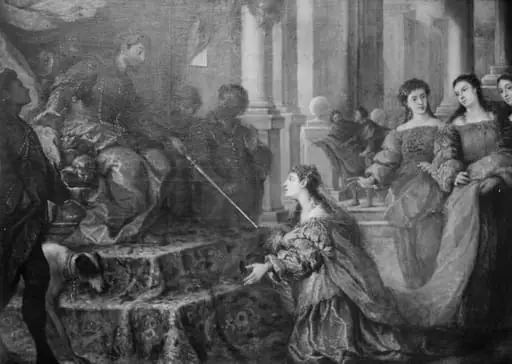 Esther Kneeling before Ahasverus
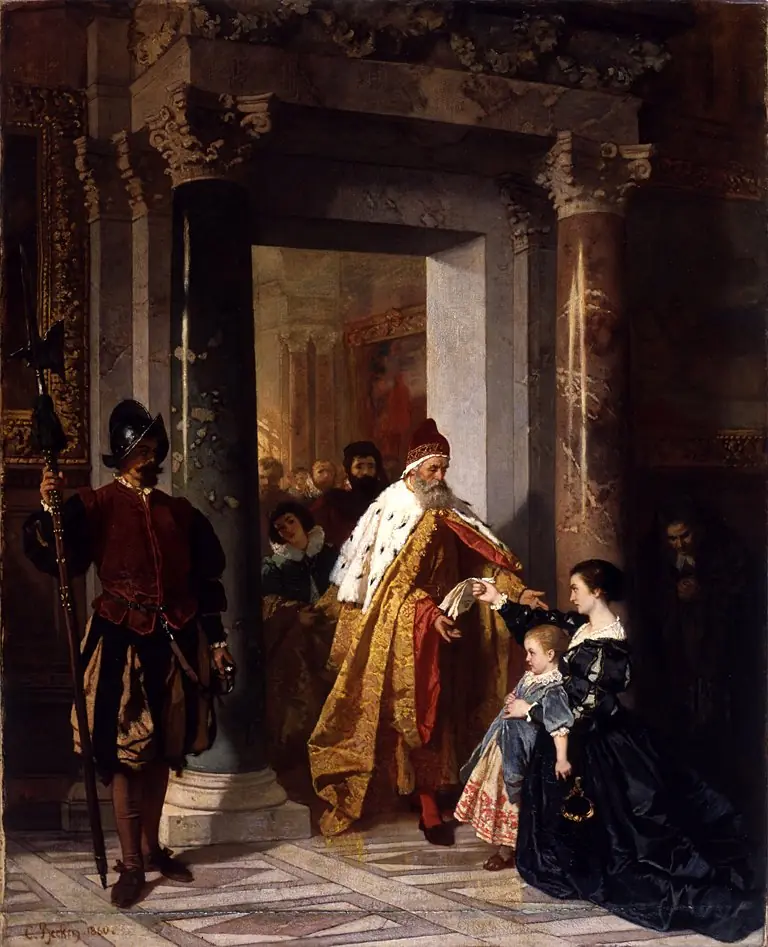 The Petition to the Doge
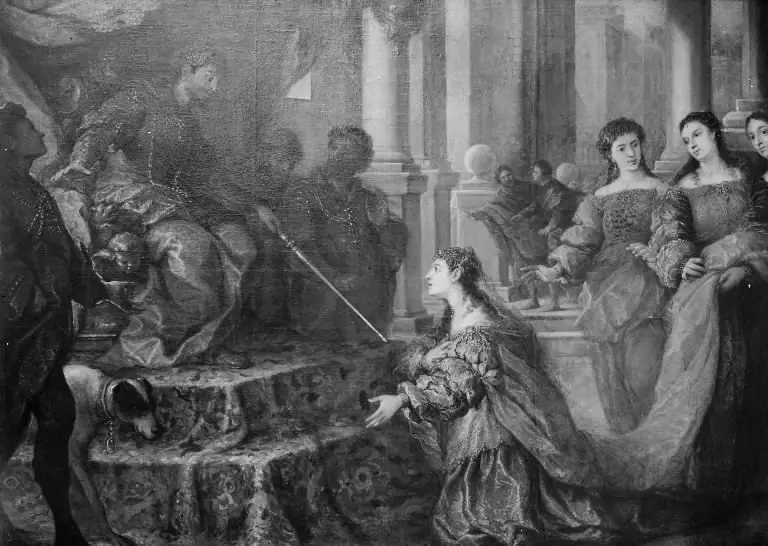 Esther Kneeling before Ahasverus
 Königin von Saba vor Salomon
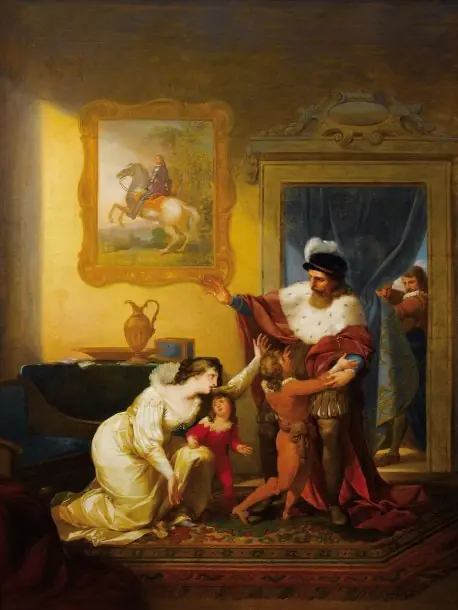 Appeal by Inês de Castro
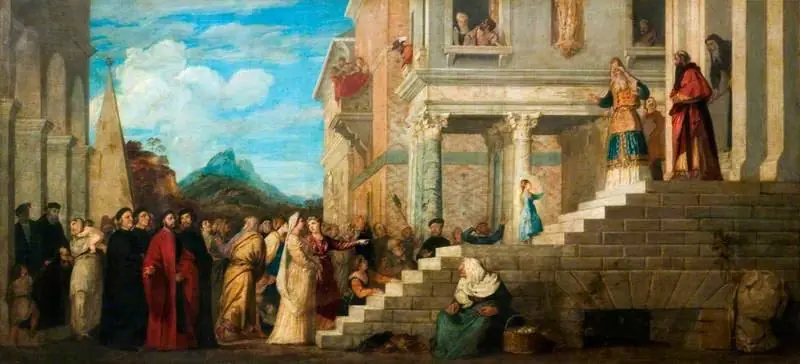 The Presentation of the Virgin in the Temple (after Titian)
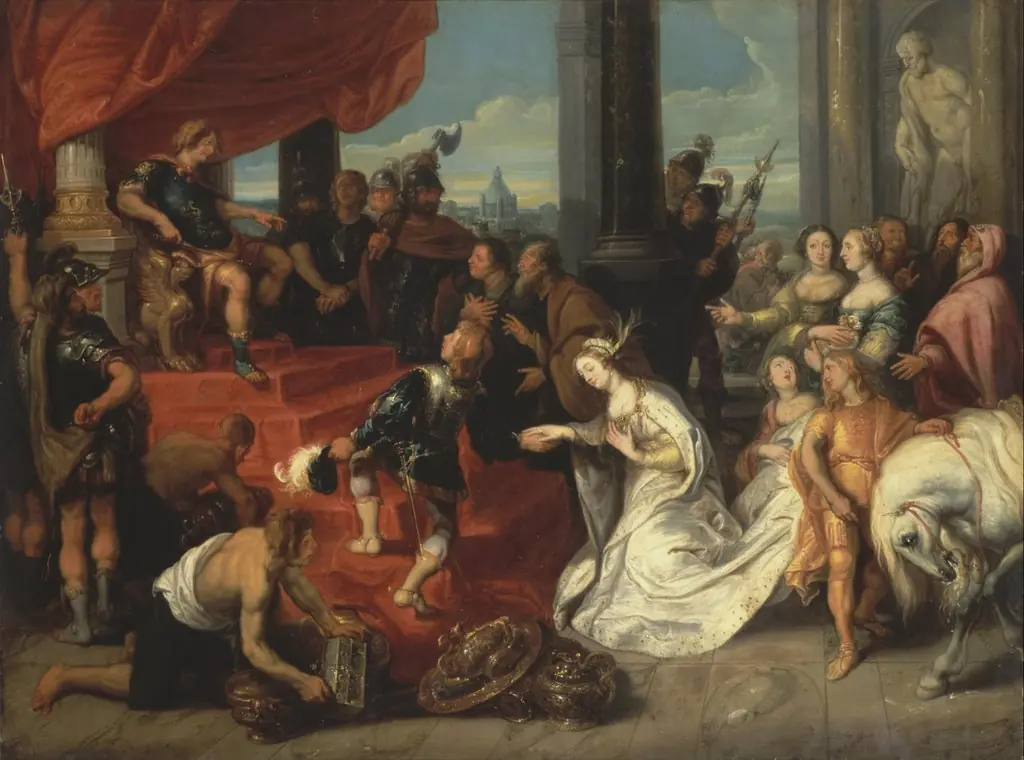 The Magnanimity of Scipio Africanus
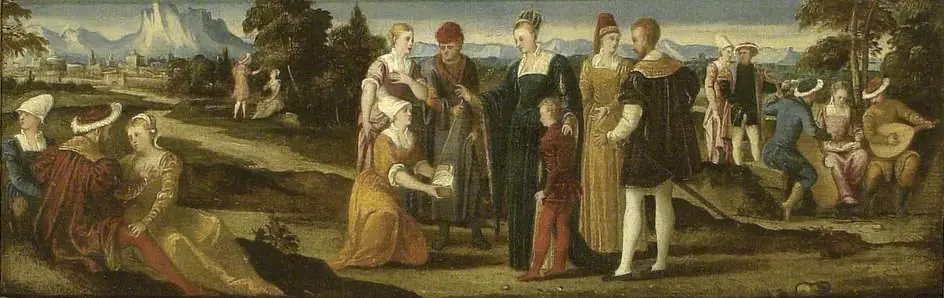 Moses brought before Pharaoh's Daughter
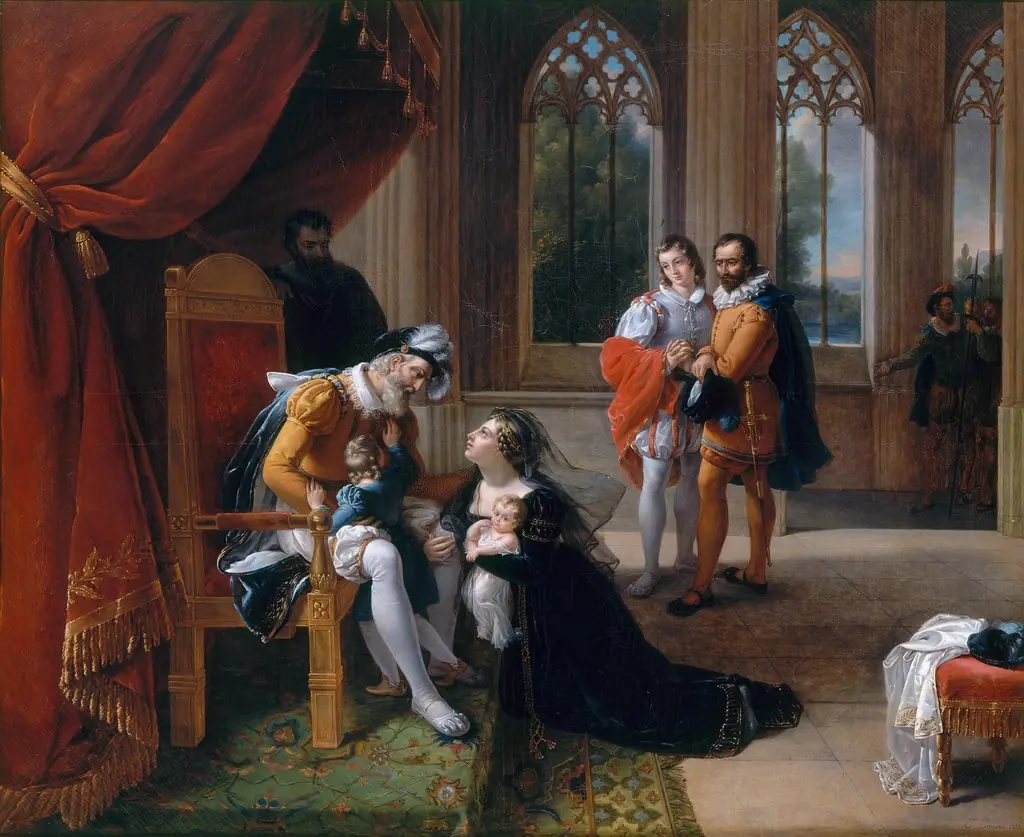 Inès de Castro and Her Children Throwing Themselves at the Feet of King Alphonso IV of Portugal
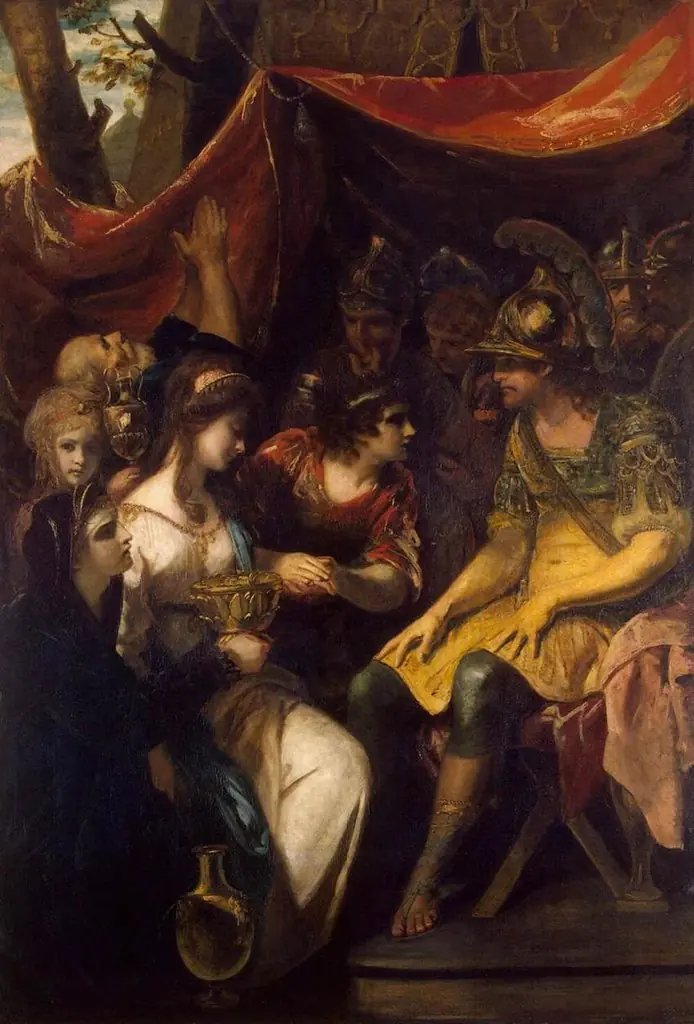 Continence of Scipio
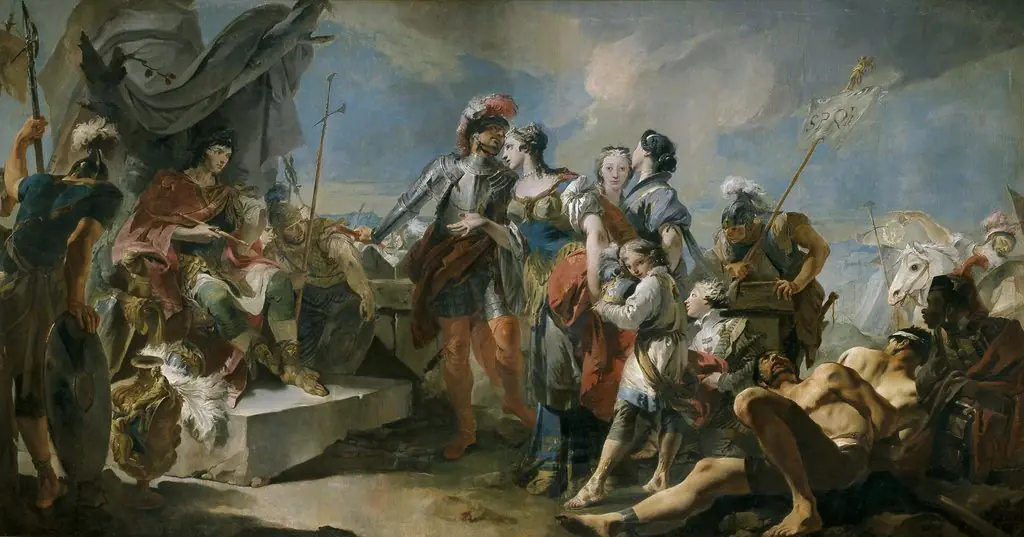 Queen Zenobia before the Emperor Aurelian
 Trauung des Kurfürsten Johann Wilhelm von der Pfalz