Artwork
Francis Page of Newbury
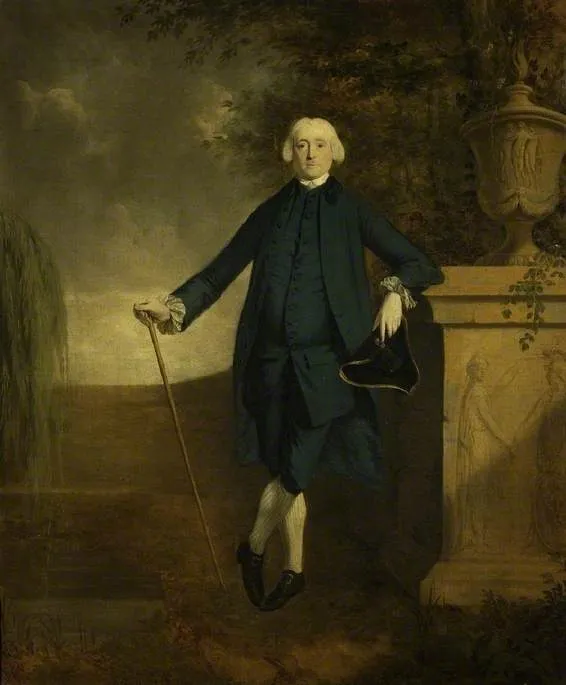
Francis Page of Newbury is an oil painting by Hugh Barron. It dates from 1760 and is held in the collection of the Fitzwilliam Museum.
About this work
The painting depicts a man standing in a landscape, dressed in a dark blue coat and waistcoat, with a white shirt and stockings.
The painting depicts a man standing in a landscape, dressed in a dark blue coat and waistcoat, with a white shirt and stockings. He holds a hat in his left hand and a cane in his right. The background features trees and a cloudy sky.
The man's attire and the style of the painting suggest it is from the 18th century. The artist's use of color and composition creates a sense of depth and realism.
This painting is reminiscent of the works of Hugh Barron, an artist known for his portraits and landscapes.
Overview
Hugh Barron's 1760 oil painting, Francis Page of Newbury, is a portrait housed in the Fitzwilliam Museum. It depicts a man set against a landscape backdrop, characterized by a subdued color palette and realistic rendering.
Subject & Meaning
The subject, Francis Page of Newbury, is portrayed in formal attire, indicating his social status. The inclusion of a cane and hat in his hands may suggest aspects of his personality or occupation, though specific interpretations are not explicitly documented.
Technique & Style
Barron employs a characteristic 18th-century style, marked by detailed, realistic depiction of the subject and landscape. The use of a dark blue coat against a softer, cloudy sky creates depth, while the overall composition reflects Barron's known expertise in balancing portraits with natural settings.
History & Provenance
Created in 1760, the painting's history prior to its acquisition by the Fitzwilliam Museum is not detailed in available records. It is known to be part of the museum's collection, contributing to its 18th-century European art holdings.
Context
This work aligns with the portraiture trends of its time, where subjects were often depicted in dignified, everyday settings. The painting reflects the artistic values of mid-18th century Britain, emphasizing realism and the portrayal of the emerging middle class.
Legacy
While not widely discussed in broad art historical narratives, Francis Page of Newbury represents Barron's contribution to the tradition of British portraiture in the 18th century, offering insights into the era's artistic and social conventions.
Artist & collection
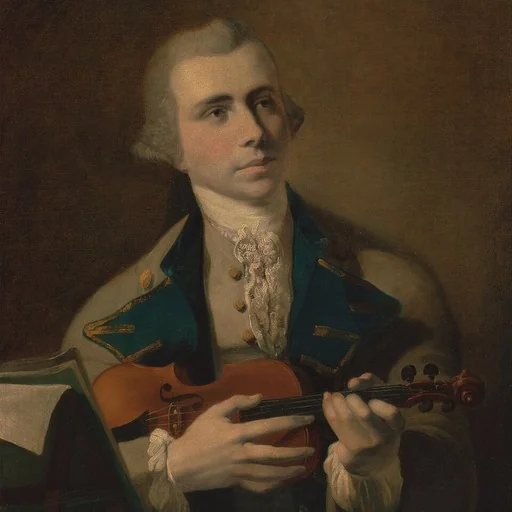

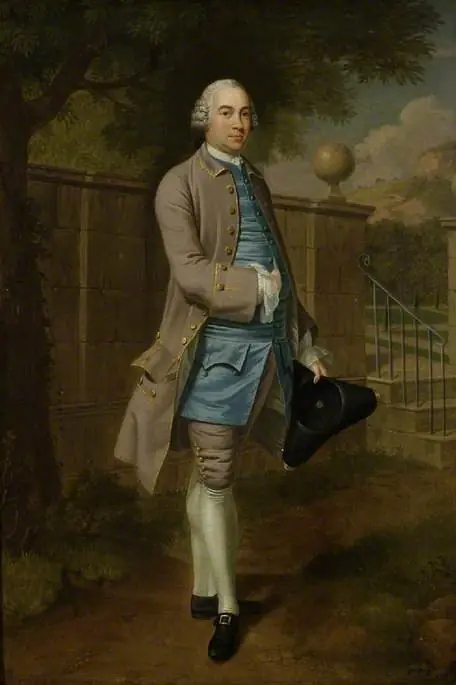 Sir William Milner, 2nd Bart
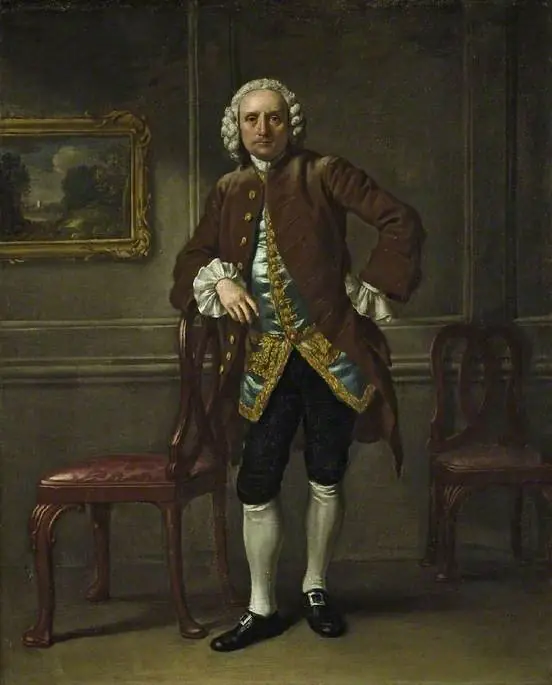 George Dance
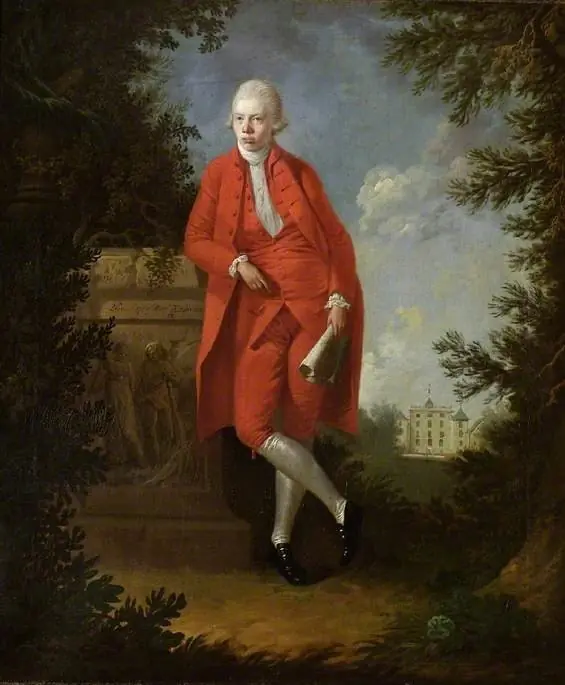 Young man in red
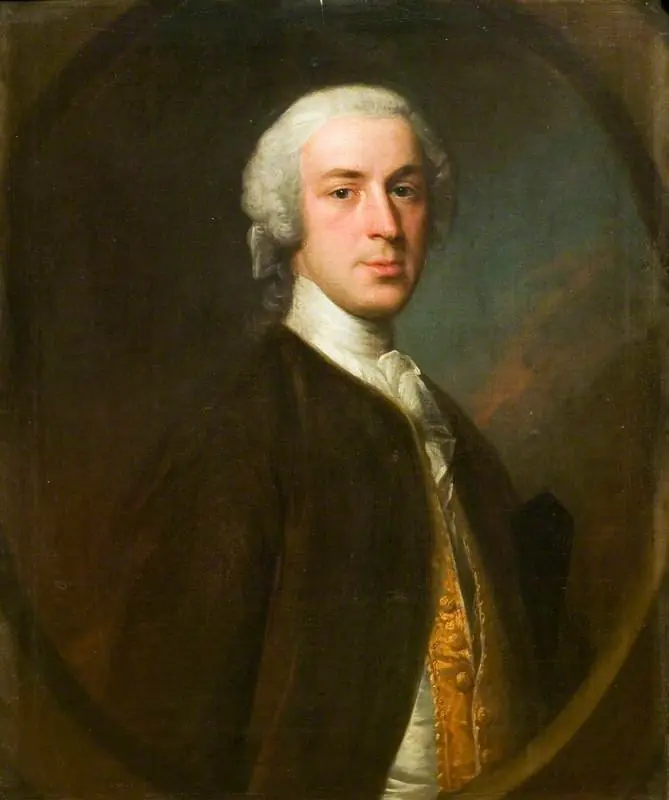 Portrait of an Unknown Man
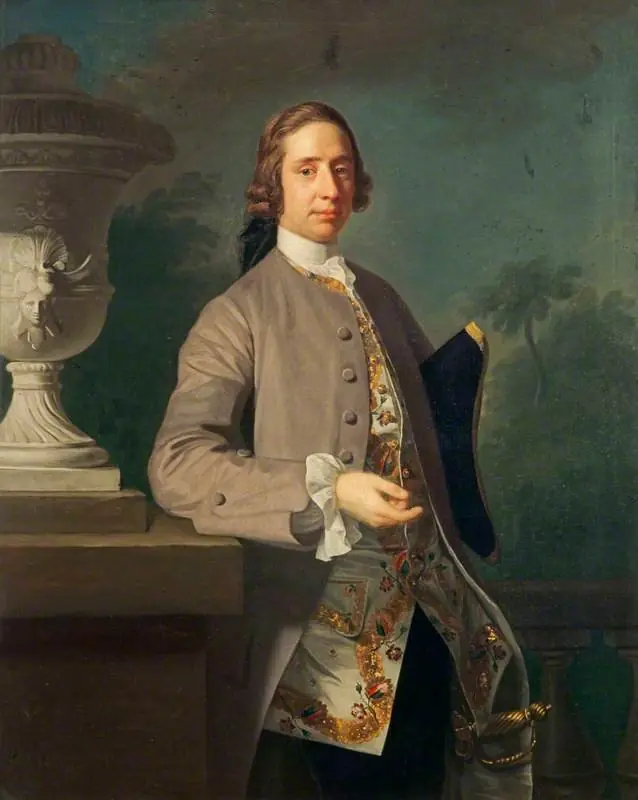 George Bristow (1727 - 1815)
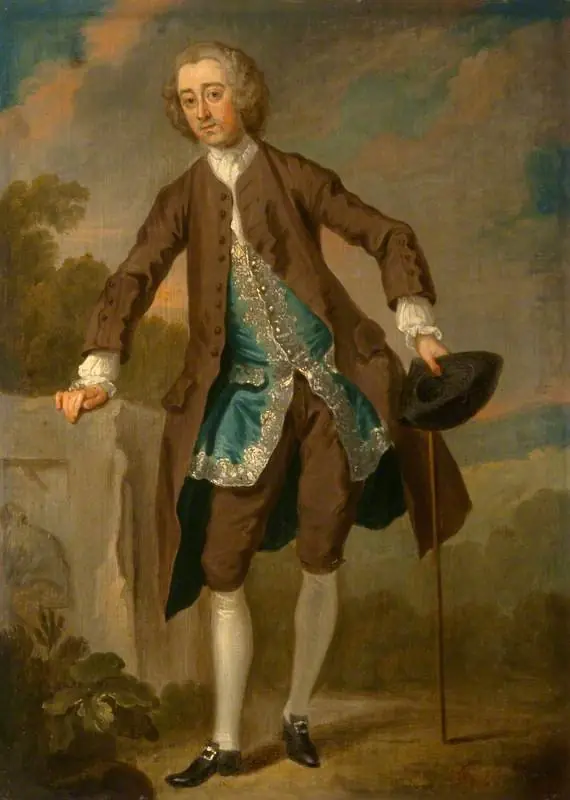 Gustavus Hamilton, 2nd Viscount Boyne (1710 - 1746)
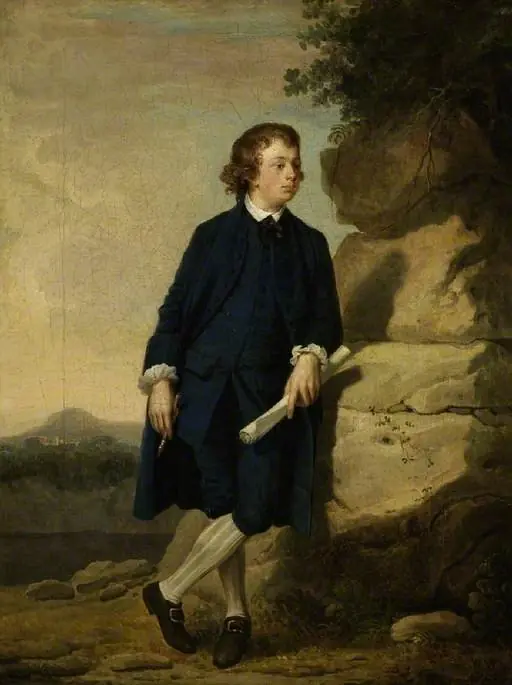 A young draughtsman (1767)
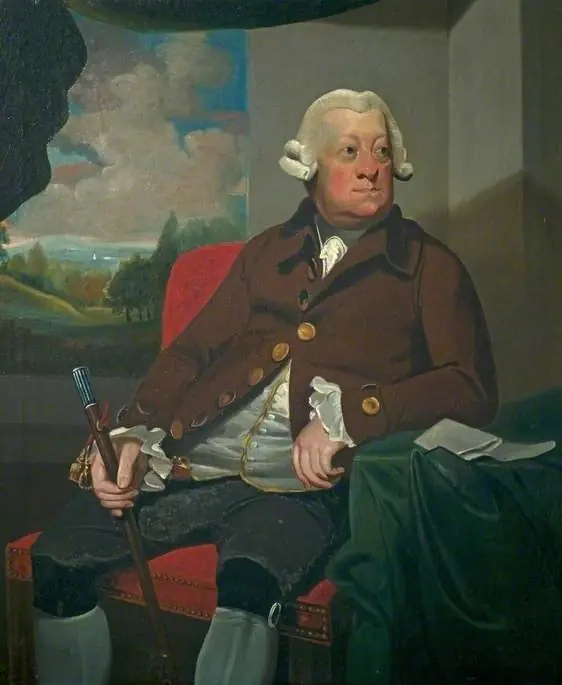 Lord George Augustus Cavendish (d.1794)
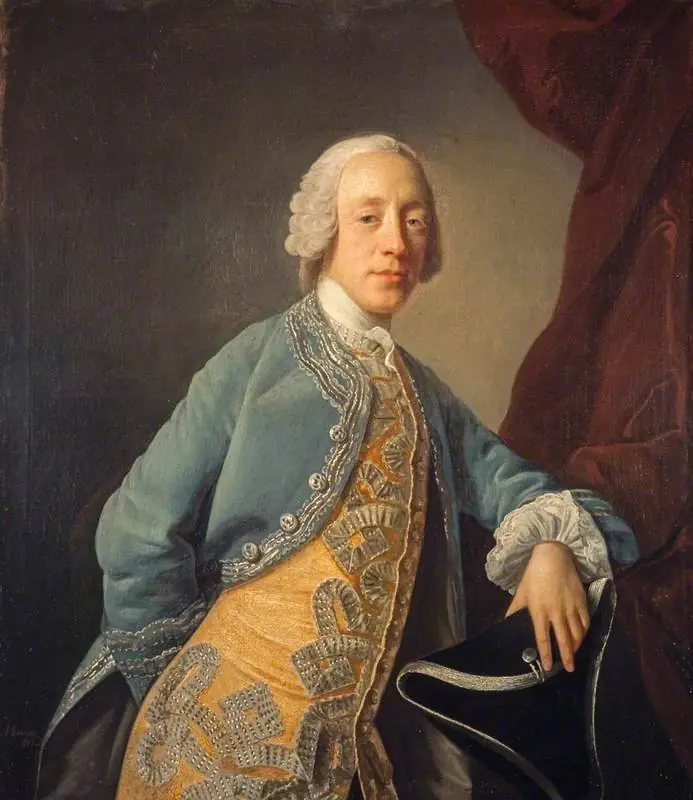 Thomas Lamb of Rye (1719 - 1804)
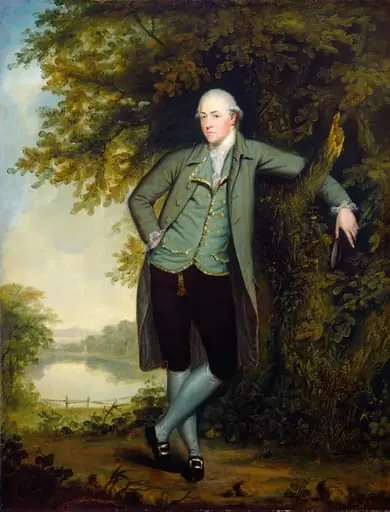 Lord Algernon Percy
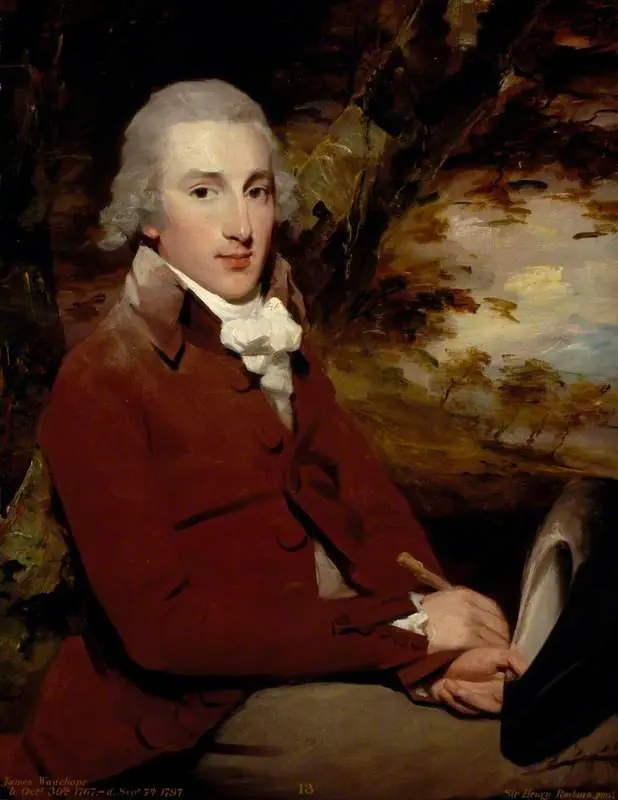 James Wauchope of Edmonstone (1767 - 1797)
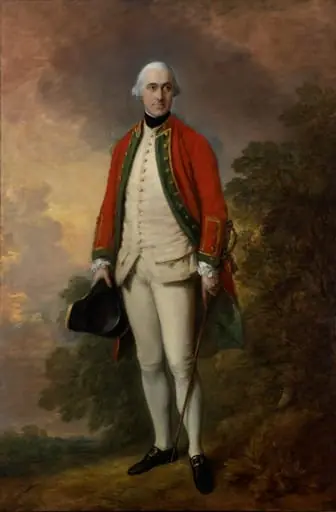 Portrait of George Pitt, First Baron Rivers