Artwork
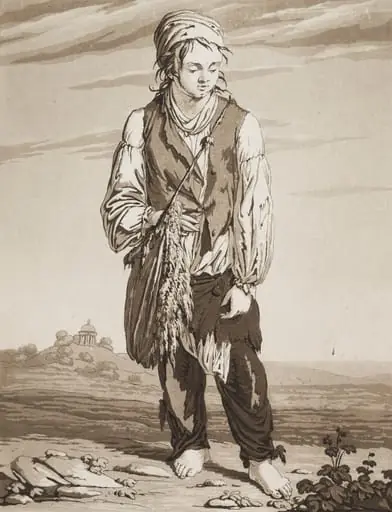
Organ-Grinder Boy
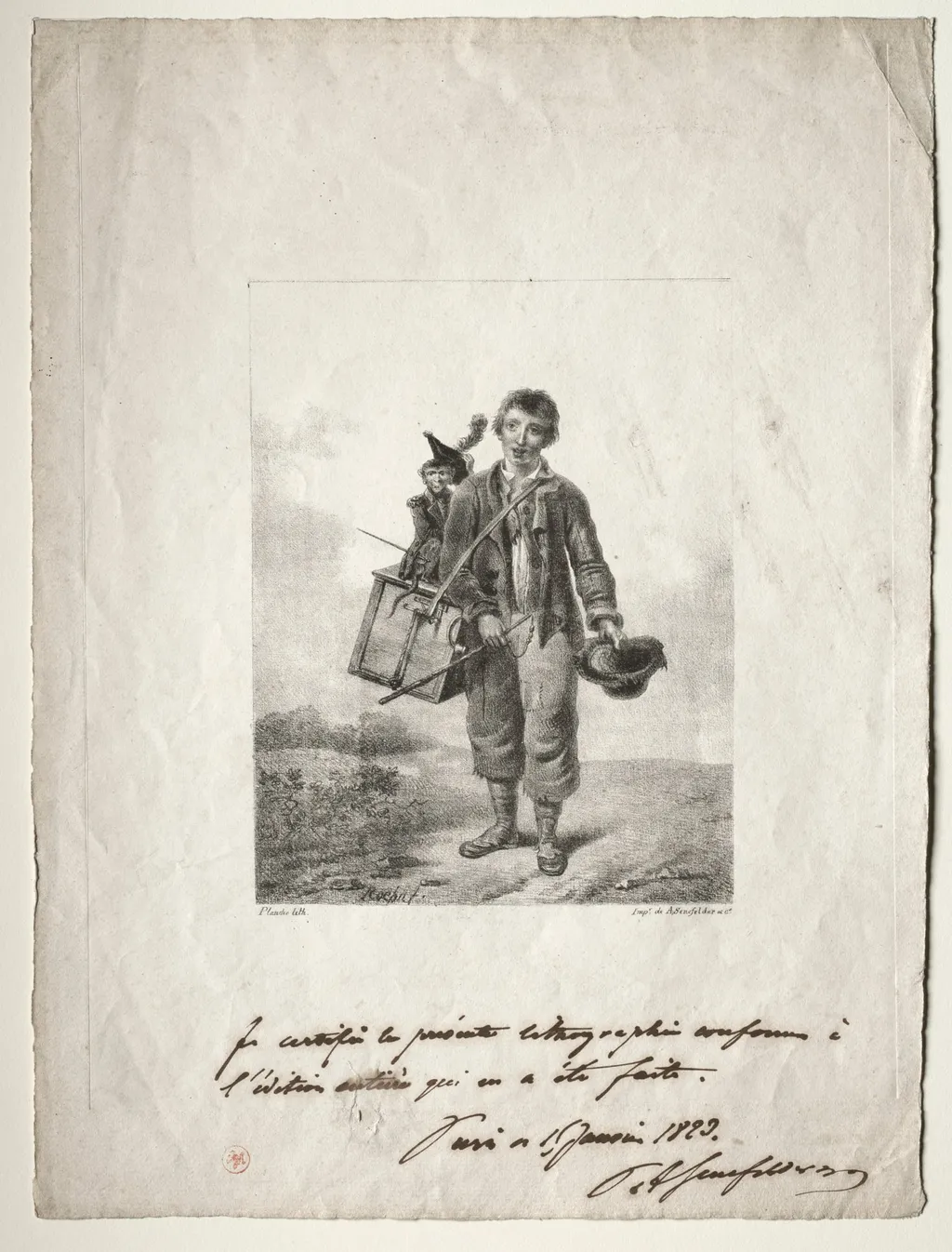
Organ-Grinder Boy is a print by the Romanticist artist Alois Senefelder. It dates from 1829 and is held in the collection of the Cleveland Museum of Art.
About this work
Overview
The work is part of the collection at The Cleveland Museum of Art and reflects Senefelder’s interest in documenting ordinary life through printmaking.
Created in 1829 by Alois Senefelder, this print depicts a young street performer in a moment of quiet movement. Executed in a straightforward linear style, the image captures the boy mid-stride, burdened by his instruments and accompanied by a small monkey. The work is part of the collection at The Cleveland Museum of Art and reflects Senefelder’s interest in documenting ordinary life through printmaking.
Subject & Meaning
The figure is likely a street musician, a common sight in early 19th-century European cities. His patched clothing, feathered hat, and the organ under his arm signal economic hardship and itinerant labor. The monkey, a typical companion to such performers, adds a layer of performative spectacle. The image conveys dignity in labor, aligning with Romantic-era attention to marginalized individuals and their daily struggles.
Technique & Style
Senefelder employed minimal yet precise linework to suggest volume and movement. Light and shadow are implied through subtle variations in stroke density rather than tonal gradation. The composition is uncluttered, focusing attention on the boy’s posture and the monkey’s alert gaze. This restrained approach reflects his background in lithography, where clarity and economy of line were essential.
History & Provenance
The print was made during Senefelder’s later years, after his pioneering work in lithography. It was likely produced as a personal study or small-scale publication rather than for commercial sale. The Cleveland Museum of Art acquired it as part of its 19th-century European prints collection, preserving it as an example of Senefelder’s observational drawings beyond his technical innovations.
Context
In the 1820s, European artists increasingly turned to scenes of common life, moving away from grand historical or mythological themes. Senefelder’s depiction of a street performer fits within this shift, paralleling contemporaneous works by French and German artists who portrayed urban laborers with empathy. The image reflects a broader cultural interest in the lives of the working poor during the early Industrial Age.
Legacy
Though Senefelder is best known for inventing lithography, this print illustrates his continued engagement with human subjects throughout his career. It stands as a quiet testament to his ability to convey narrative and emotion through simple means. The work contributes to a broader understanding of how printmakers documented social realities, influencing later generations of realist and genre artists.
Artist & collection

Artist
Johann Alois Senefelder was a German actor and playwright who invented the printing technique of lithography in the 1790s.

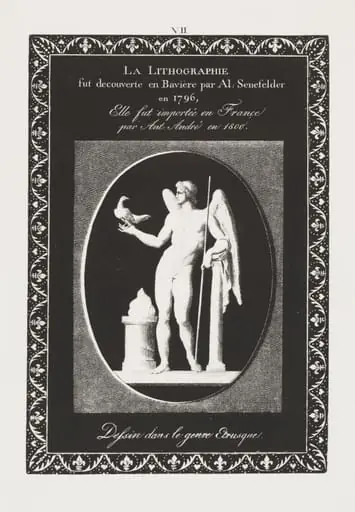 Art of the Lithograph: Dedication Sheet, Plate VII
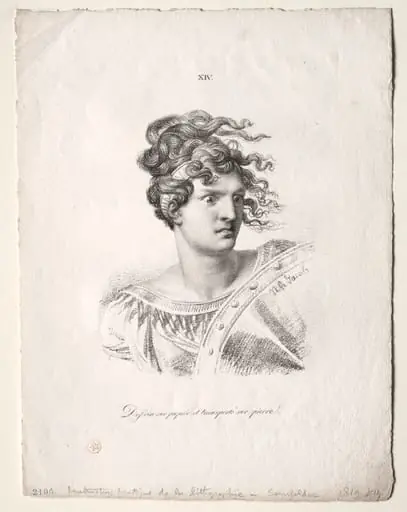 L'art de la lithographie: Head of an Amazon
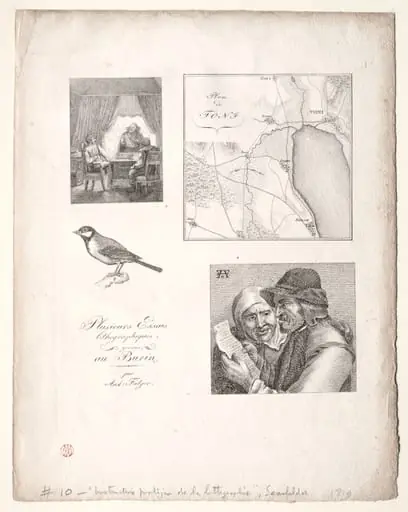 L'art de la litographie:Four Subjects after Falger
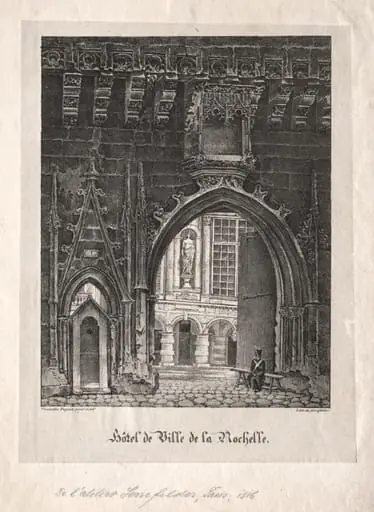 Hotel da Ville de la Rochelle, France
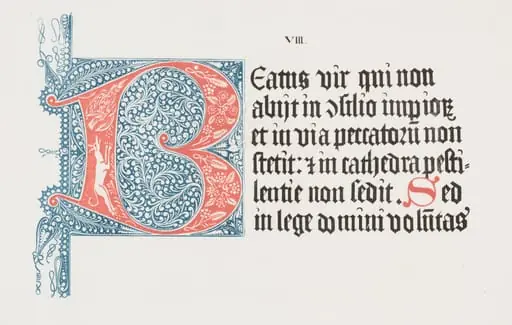 Art of the Lithograph: Psalter- Initial B, Plate VIII
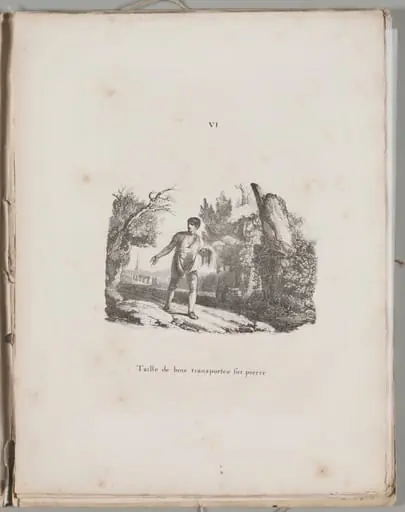 Art of the Lithograph: Transfer of a Wood Engraving, Plate VI
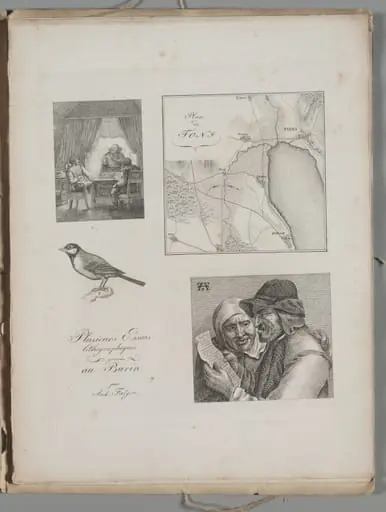 Art of the Lithograph: Four Engraving Samples, War Tent, Map of Toni, Bird, Dutch Farmer and Woman
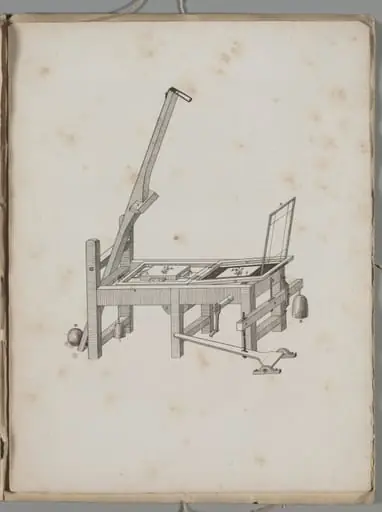 Art of the Lithograph: Printing Press
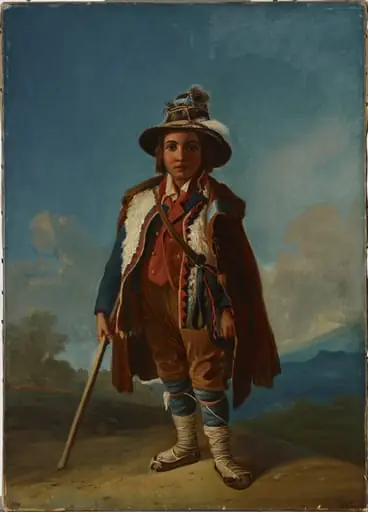 Italialainen poika, kopio R.W. Ekmanin mukaan
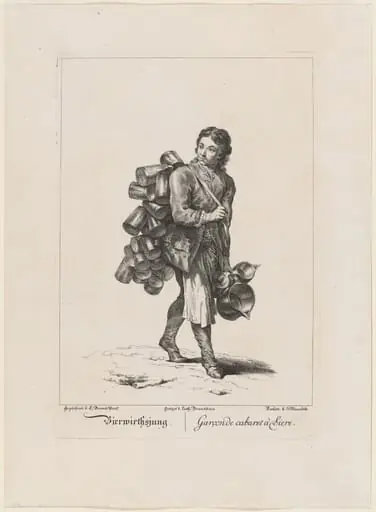 Bierwirthsjung (Beer Hall Boy)
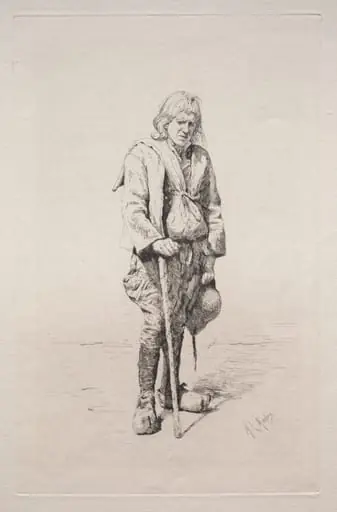 Man with Walking Stick
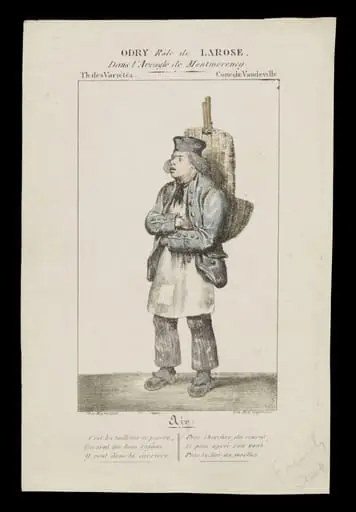 H Beard Print Collection
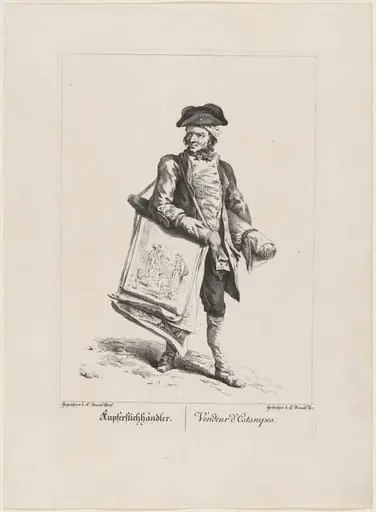 Kupferstichhändler (Print Seller)
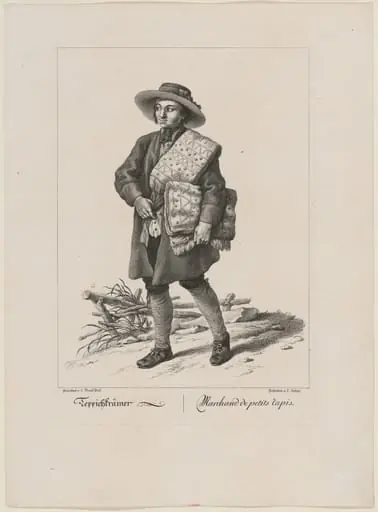 Teppichkrämer (Textile Merchant)
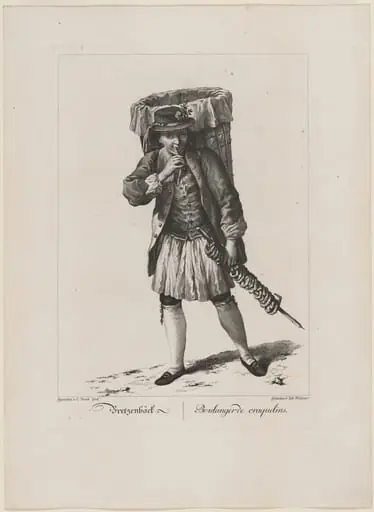 Bretzenbäck (Pretzel Baker)
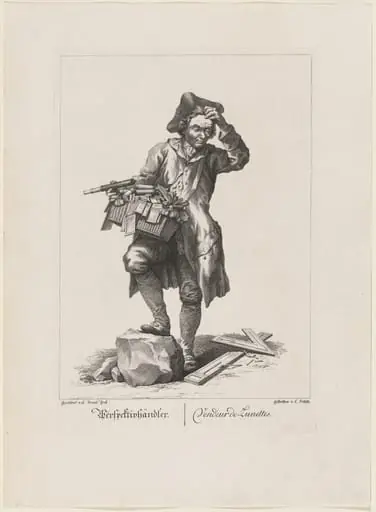 Perspektivhändler (Telescope Seller)
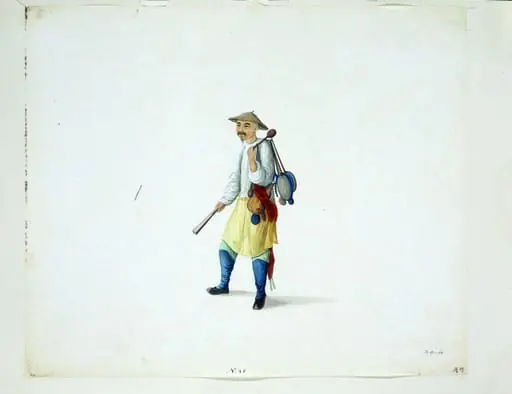 A Curer of Skin Disease
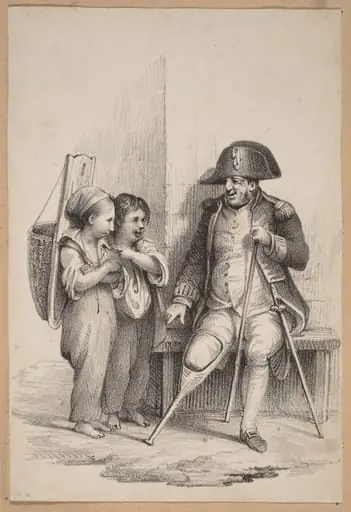 The Soldier's Birth Right
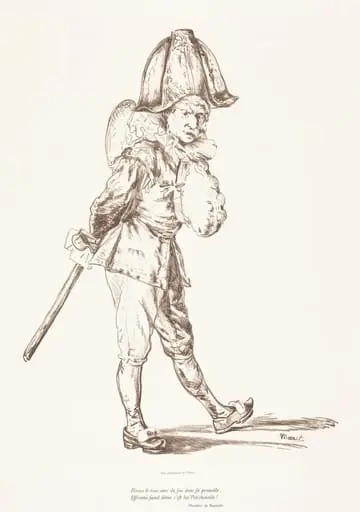 Polichinelle
 The Young Beggars