Artwork
Art of the Lithograph: Printing Press
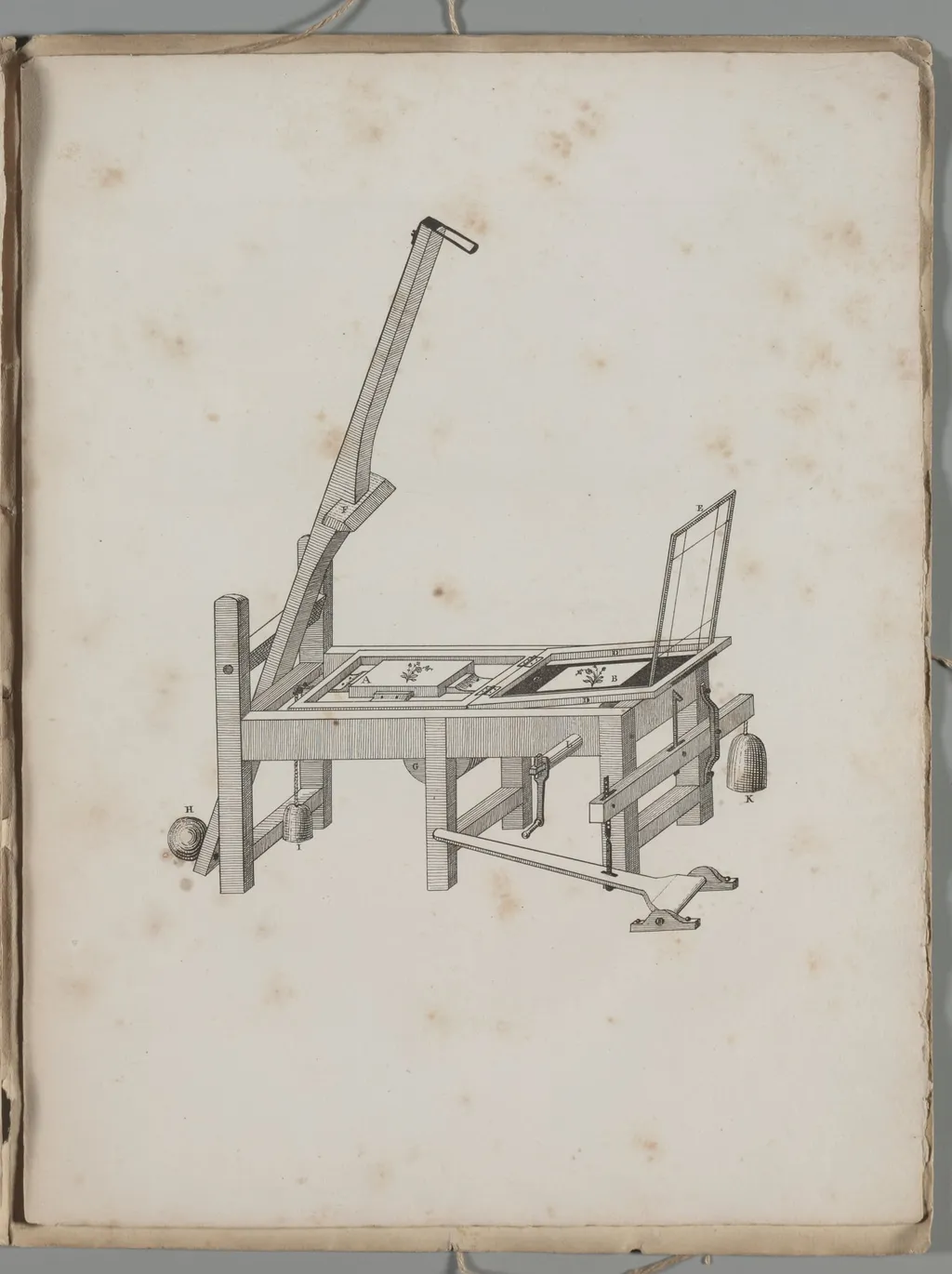
Art of the Lithograph: Printing Press is a work on paper by the Romanticist artist Alois Senefelder. It dates from 1819 and is held in the collection of the Cleveland Museum of Art.
About this work
Overview
Created in 1819, *Art of the Lithograph: Printing Press* is a portfolio drawing by Alois Senefelder, the inventor of lithography. The work is part of the collection at the Cleveland Museum of Art and functions as a visual guide to the early lithographic press, illustrating its main components and operation.
Subject & Meaning
The illustration depicts a wooden press equipped with a long lever, a flat stone surface, small wheels, and a foot pedal. Beneath the stone, two trays hold sheets bearing simple printed designs, emphasizing the step‑by‑step process of transferring an image from stone to paper.
Technique & Style
Rendered in a straightforward, instructional style, the drawing employs clear line work and minimal shading to highlight mechanical parts. Its schematic quality reflects the practical purpose of the image: to educate users about the arrangement of the stone slab, lever mechanism, and paper handling in early lithography.
History & Provenance
Alois Senefelder produced the drawing shortly after developing his lithographic method, which replaced metal plates with smooth limestone. The work entered the Cleveland Museum of Art’s holdings in the 20th century, where it serves as a documented example of the technology that reshaped print production.
Context
At the time of its creation, lithography was a novel printing technique that allowed artists and publishers to reproduce images more efficiently. Senefelder’s diagram illustrates the mechanical setup that made the process accessible, marking a transition from traditional intaglio and relief printing toward a stone‑based system.
Artist & collection

Artist
Johann Alois Senefelder was a German actor and playwright who invented the printing technique of lithography in the 1790s.

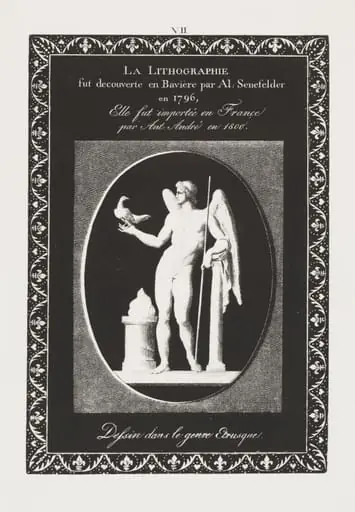 Art of the Lithograph: Dedication Sheet, Plate VII
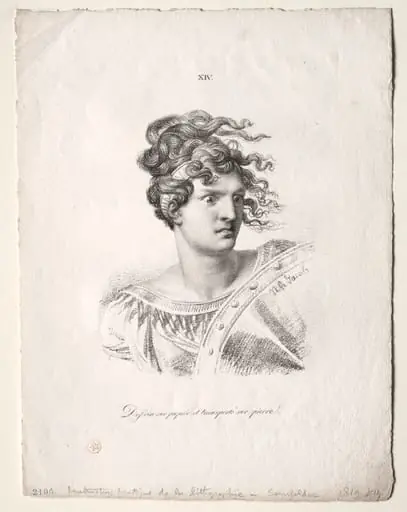 L'art de la lithographie: Head of an Amazon
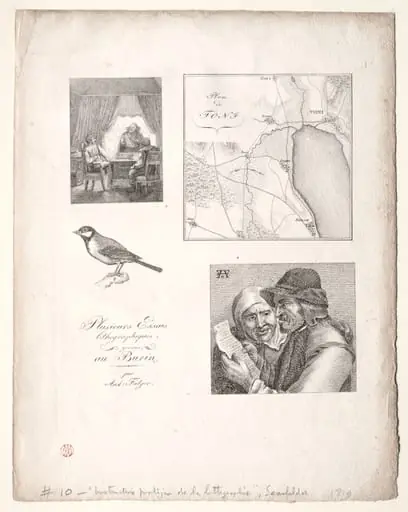 L'art de la litographie:Four Subjects after Falger
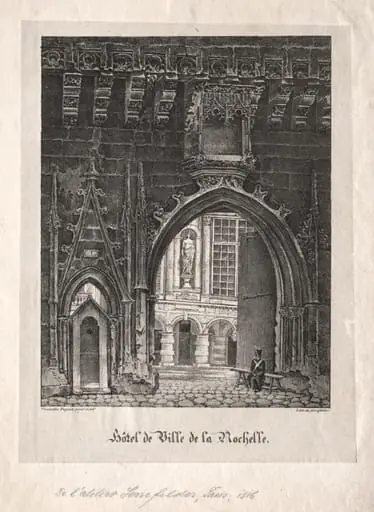 Hotel da Ville de la Rochelle, France
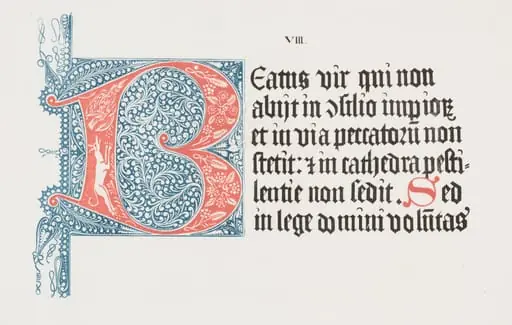 Art of the Lithograph: Psalter- Initial B, Plate VIII
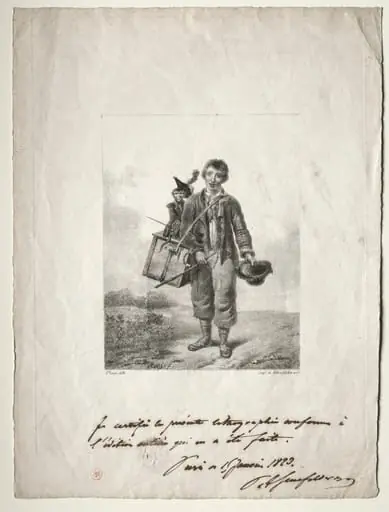 Organ-Grinder Boy
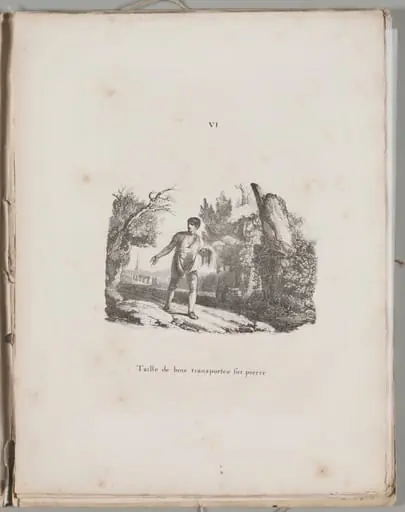 Art of the Lithograph: Transfer of a Wood Engraving, Plate VI
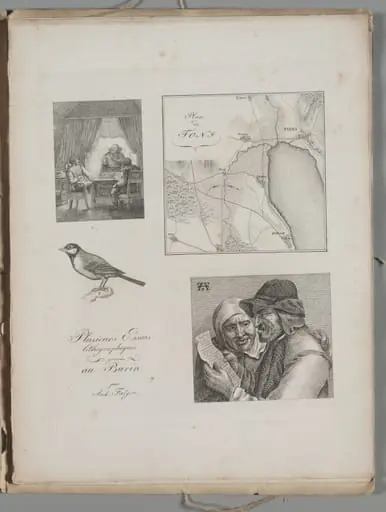 Art of the Lithograph: Four Engraving Samples, War Tent, Map of Toni, Bird, Dutch Farmer and Woman
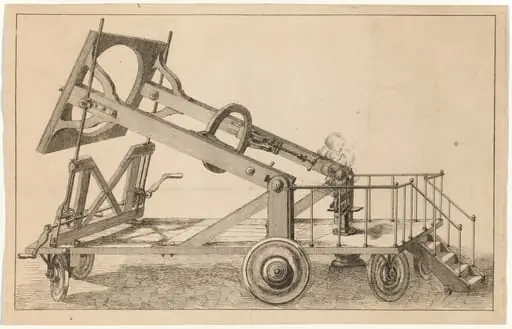 Burning Glass
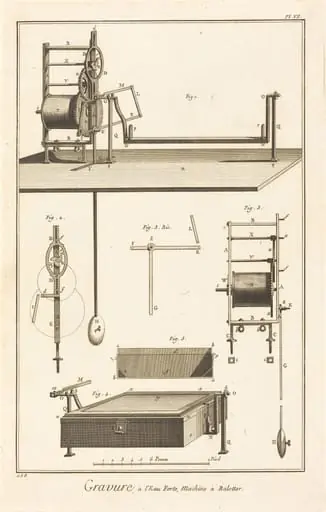 Gravure à l'Eau Forte, Machine à Balotter: pl. VI
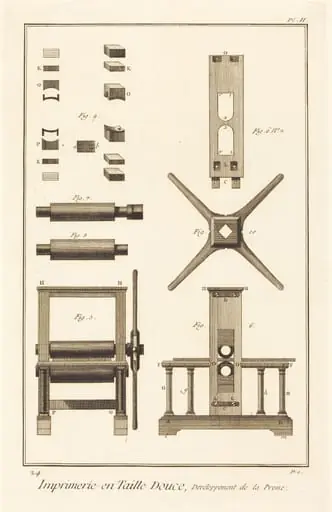 Imprimerie en Taille Douce, Devéloppement de la Presse: pl. II
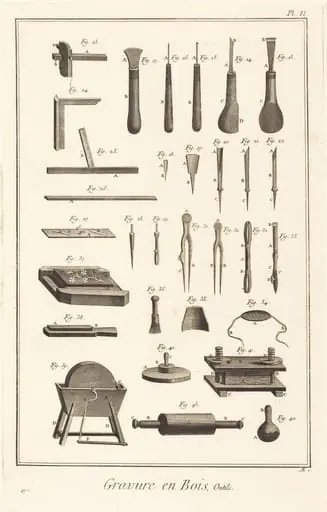 Gravure en Bois, Outils: pl. II
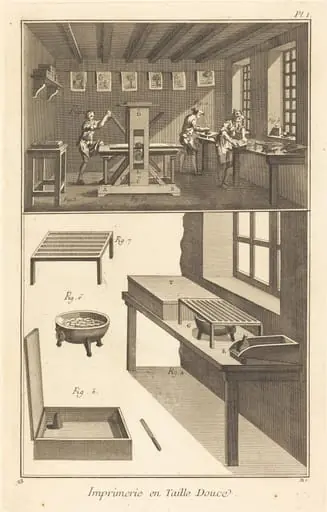 Imprimerie en Taille Douce: pl. I
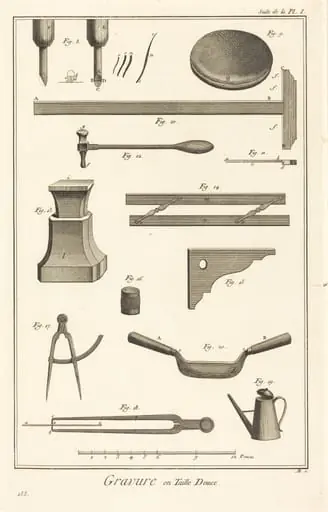 Gravure en Taille Douce: suite de la pl. I
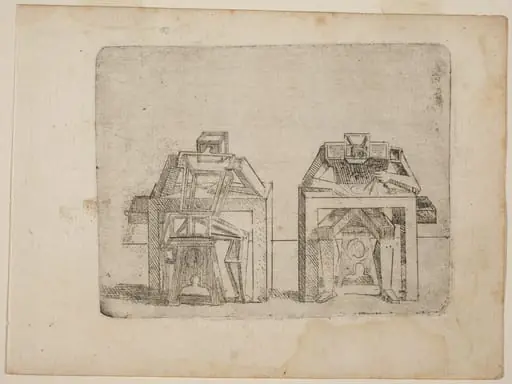 From "Bizzarie di varie Figure"
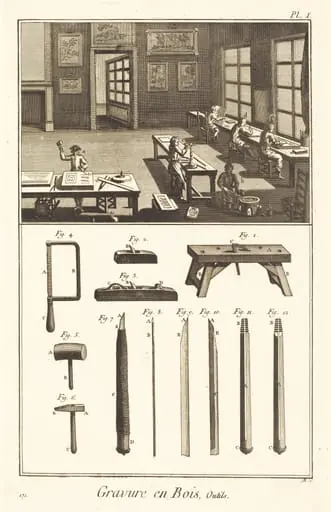 Gravure en Bois, Outils: pl. I
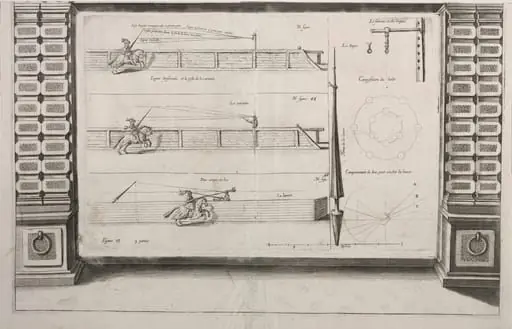 Diagram for Lance Practice
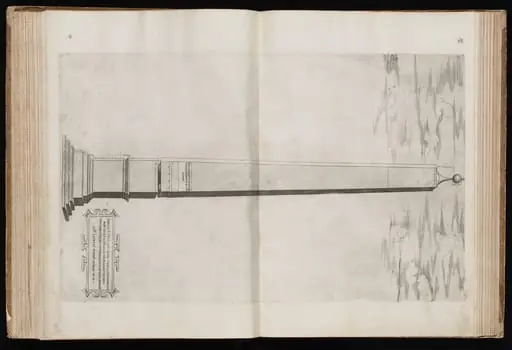 The Vatican Obelisk
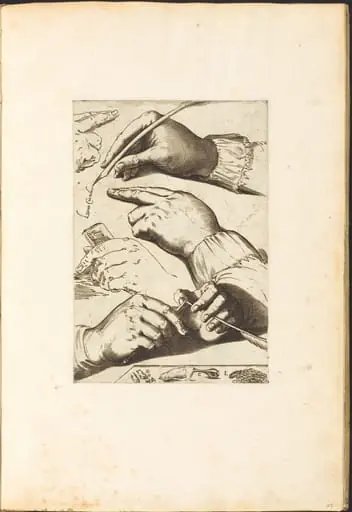 Print from Drawing Book
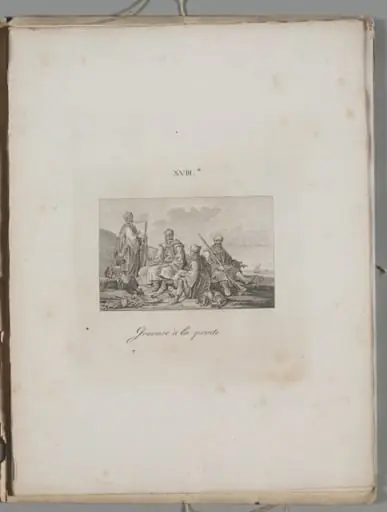 Art of the Lithograph: Albanian, Plate XVIII