Artwork
L'art de la litographie:Four Subjects after Falger
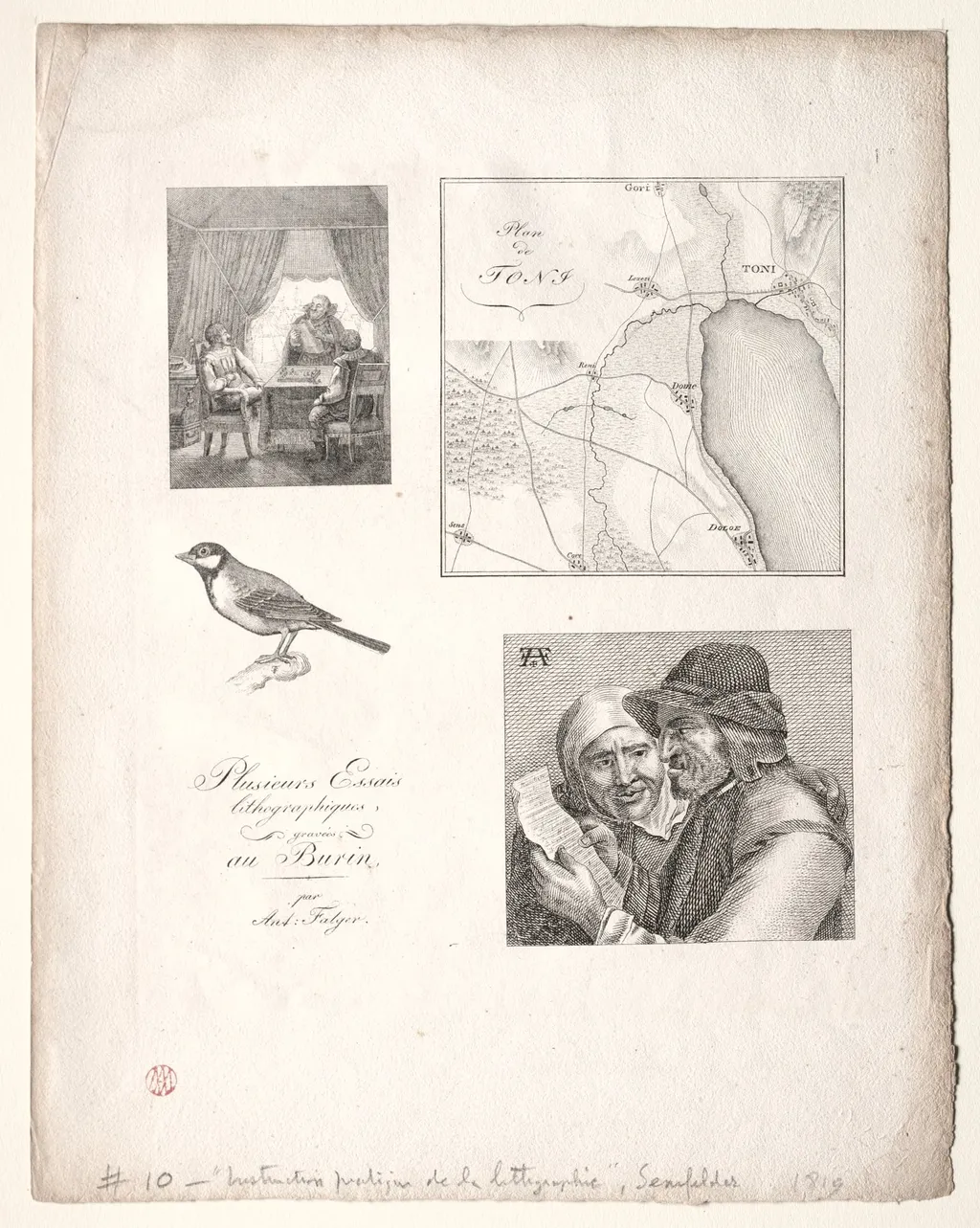
L'art de la litographie:Four Subjects after Falger is a print by the Romanticist artist Alois Senefelder. It dates from 1819 and is held in the collection of the Cleveland Museum of Art.
About this work
If you're interested in exploring more works from the Romanticism movement, you can find them at The Cleveland Museum of Art.
This image is a lithographic print featuring four distinct scenes. The top left scene depicts two men seated at a table, engaged in conversation. Adjacent to this is a map, while below it is an illustration of a bird perched on a branch. The bottom right scene shows two men embracing, one of whom is holding a piece of paper.
The print is titled "L'art de la litographie: Four Subjects after Falger" and was created by Alois Senefelder in 1819. It is part of the Romanticism movement and is currently held at The Cleveland Museum of Art.
If you're interested in exploring more works from the Romanticism movement, you can find them at The Cleveland Museum of Art.
Overview
Created in 1819, this lithographic sheet by Alois Senefelder presents four separate vignettes arranged in a grid. Each miniature scene is rendered in the characteristic tonal range of early lithography, illustrating everyday encounters and a natural motif. The work is part of the Cleveland Museum of Art’s collection and exemplifies the experimental phase of the medium shortly after its invention.
Subject & Meaning
The upper left panel shows two men seated at a table, engaged in dialogue, suggesting a moment of social exchange. Adjacent, a cartographic illustration offers a geographic reference, while the lower left depicts a bird perched on a branch, introducing a quiet natural element. The bottom right captures an intimate embrace between two figures, one holding a document, perhaps alluding to personal or legal matters.
Technique & Style
Executed in lithography, the print demonstrates Senefelder’s pioneering use of greasy drawing on limestone to produce multiple copies with fine gradations of tone. The composition’s clear lines and modest shading reflect the early Romantic interest in individual experience and the nascent possibilities of the new print medium.
History & Provenance
Alois Senefelder, the inventor of lithography, produced this sheet as part of a series titled “Four Subjects after Falger,” referencing works by the contemporary artist Johann Friedrich Falger. The piece entered the Cleveland Museum of Art’s holdings in the 20th century, where it remains on view as an example of early 19th‑century print innovation.
Context
The early 1800s saw a surge of Romantic sensibility, emphasizing personal emotion, nature, and the quotidian. Senefelder’s lithograph aligns with this mood, offering a snapshot of everyday life while also showcasing the technical novelty that would soon expand the reach of visual culture across Europe.
Artist & collection

Artist
Johann Alois Senefelder was a German actor and playwright who invented the printing technique of lithography in the 1790s.

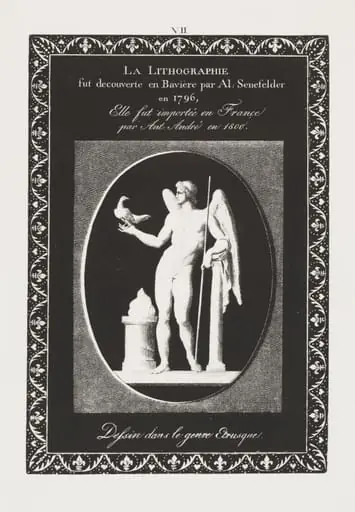 Art of the Lithograph: Dedication Sheet, Plate VII
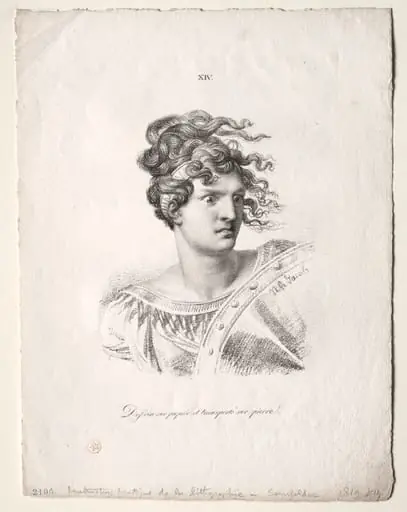 L'art de la lithographie: Head of an Amazon
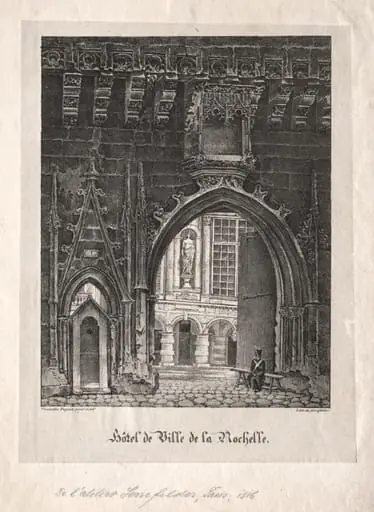 Hotel da Ville de la Rochelle, France
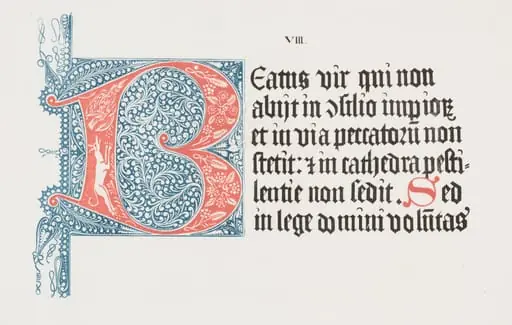 Art of the Lithograph: Psalter- Initial B, Plate VIII
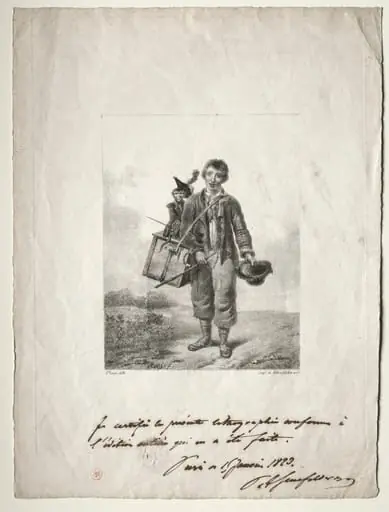 Organ-Grinder Boy
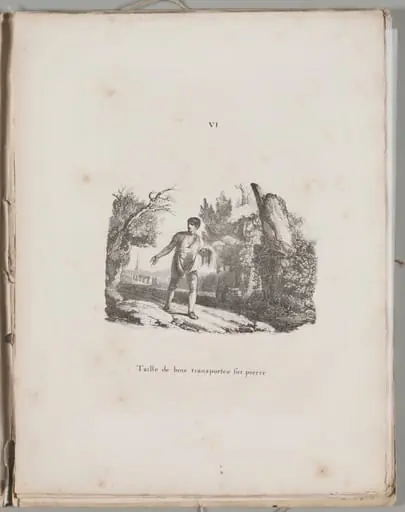 Art of the Lithograph: Transfer of a Wood Engraving, Plate VI
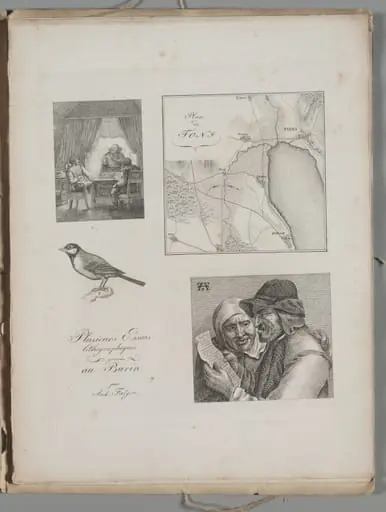 Art of the Lithograph: Four Engraving Samples, War Tent, Map of Toni, Bird, Dutch Farmer and Woman
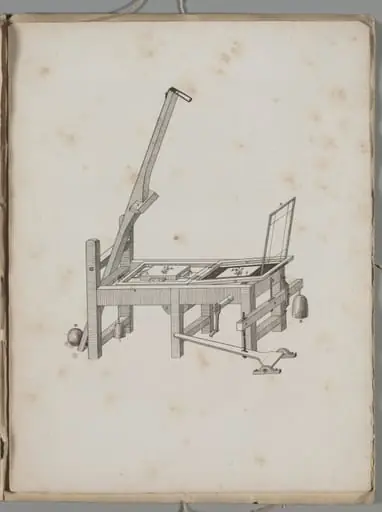 Art of the Lithograph: Printing Press
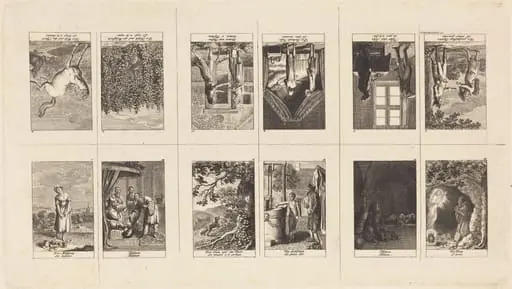 Illustrations to Fables & Tales by Gellert, Gleim, Hagedorn, Lichtwer and Pfeffel
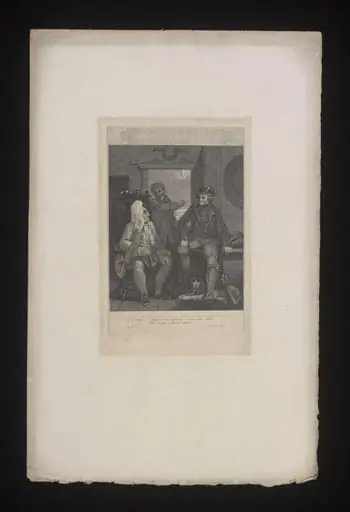 Love in a Village
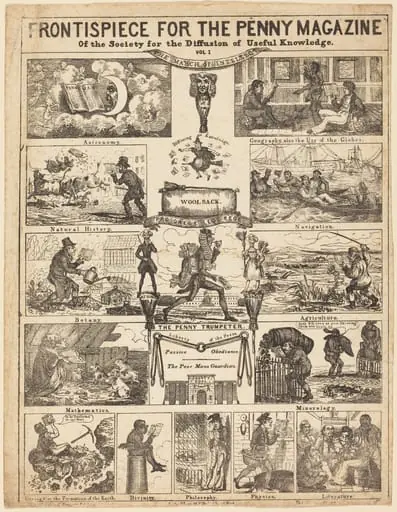 Frontispiece for the Penny Magazine of the Society for the Diffusion of Knowledge: Vo
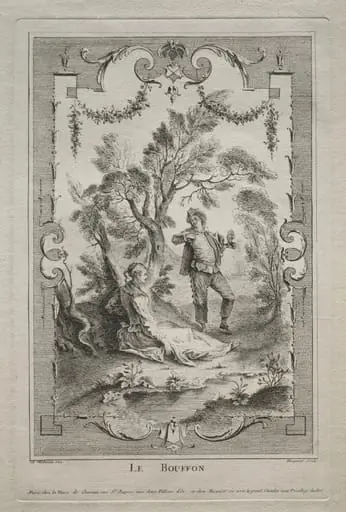 The Buffoon, Arabesque
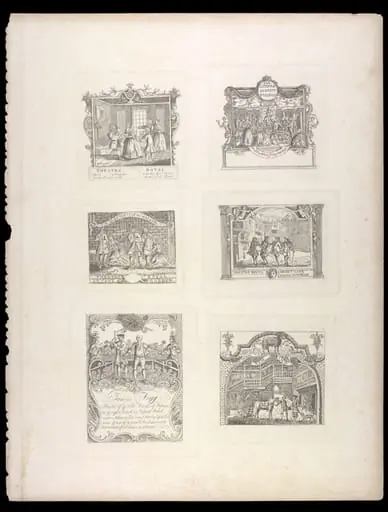 H Beard Print Collection
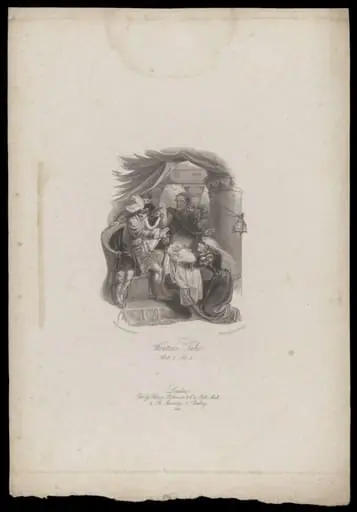 H Beard Print Collection
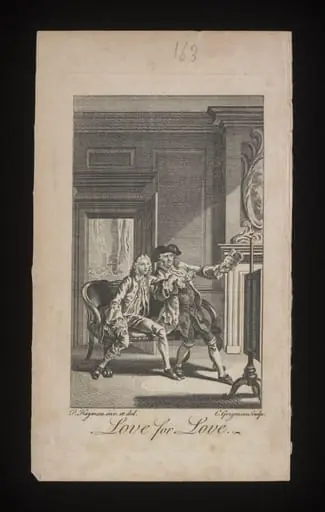 Love for Love
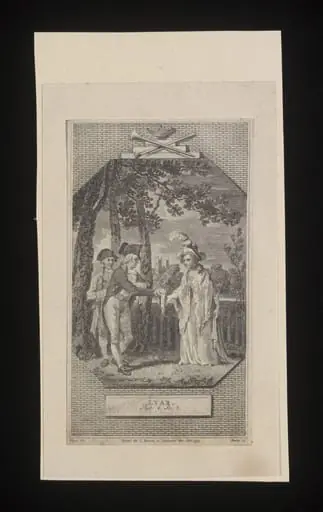 Lyar
Lyar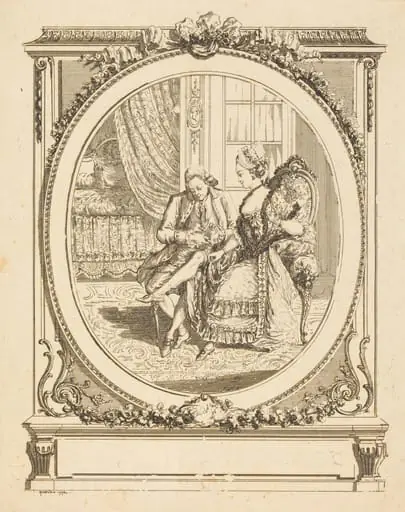 La jarretière
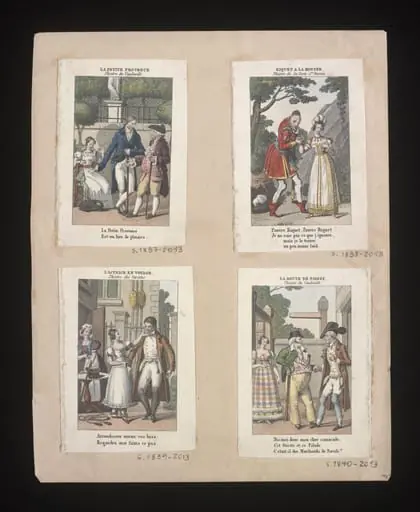 Riquet a la Houppe, Théatre de la Porte St Martin
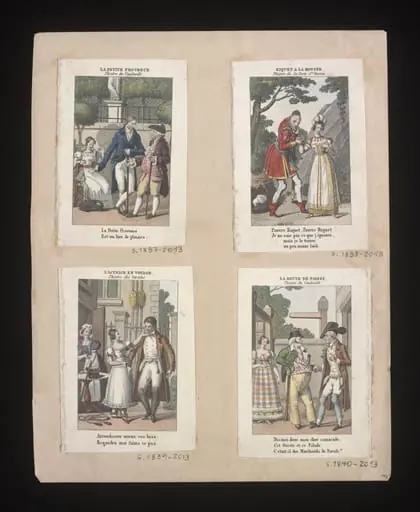 L'Actrice en Voyage, Théatre des Varietes