Artwork
Art of the Lithograph: Psalter- Initial B, Plate VIII
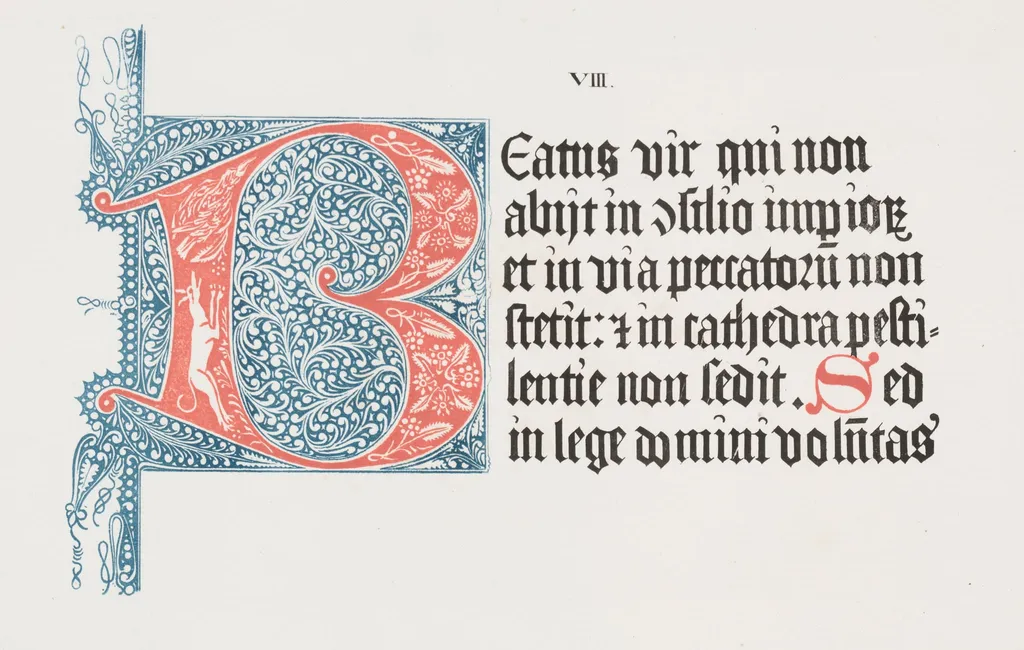
Art of the Lithograph: Psalter- Initial B, Plate VIII is a print by the Romanticist artist Alois Senefelder. It dates from 1818 and is held in the collection of the Cleveland Museum of Art.
About this work
This painting is titled Art of the Lithograph: Psalter- Initial B, Plate VIII.
It was created by Alois Senefelder during the Romanticism period.
The artist worked on this piece from 1818 to 1819, which gives us a sense of the time and context in which it was made.
Check out the movement Romanticism to learn more about the style that influenced this work.
Overview
This lithographic print, titled Art of the Lithograph: Psalter- Initial B, Plate VIII, was produced by Alois Senefelder in 1818–1819. It is one of a series demonstrating the potential of lithography as a reproductive technique. The work is part of the collection at The Cleveland Museum of Art and serves as both an artistic specimen and a technical study in early printmaking.
Subject & Meaning
The image reproduces an ornate initial 'B' from a medieval psalter, a book of psalms used in Christian worship. Senefelder’s focus on this liturgical letter reflects an interest in historical manuscript traditions. Rather than inventing imagery, he reinterprets existing ecclesiastical art, emphasizing fidelity to source material and the capacity of lithography to preserve fine detail.
Technique & Style
Senefelder employed lithography, a method he invented, using a greasy drawing medium on limestone to transfer images onto paper. The design features intricate, flowing lines characteristic of Gothic illumination, rendered with precision. The tonal range and delicate linework demonstrate the technique’s ability to mimic hand-drawn manuscript decoration, distinguishing it from woodcut or engraving.
History & Provenance
Created during Senefelder’s efforts to promote lithography as a commercial and artistic medium, this plate was part of a broader instructional series. It was likely produced for printers and artists to study the method’s capabilities. The work entered The Cleveland Museum of Art’s collection through documented acquisitions, preserving its role in the history of print technology.
Context
In the early 19th century, lithography emerged as a revolutionary alternative to traditional engraving. Senefelder’s work coincided with a revival of interest in medieval art, part of the broader Romantic fascination with the past. His reproductions of liturgical initials aligned with scholarly and aesthetic trends seeking to revive historical craftsmanship through new mechanical means.
Legacy
This print stands as a foundational example of lithography’s transition from a printing process to a recognized artistic medium. Senefelder’s careful replication of manuscript details influenced later artists and printers, helping establish lithography as a legitimate form of fine art reproduction. It remains a key reference in the study of 19th-century print innovation.
Artist & collection

Artist
Johann Alois Senefelder was a German actor and playwright who invented the printing technique of lithography in the 1790s.

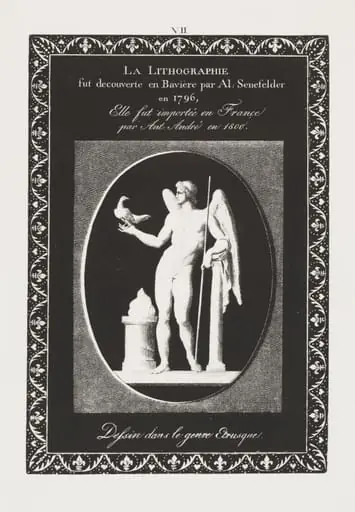 Art of the Lithograph: Dedication Sheet, Plate VII
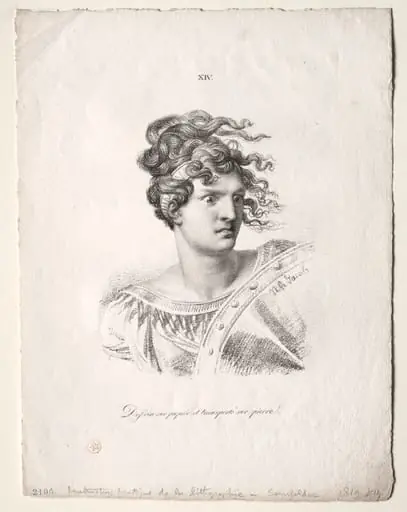 L'art de la lithographie: Head of an Amazon
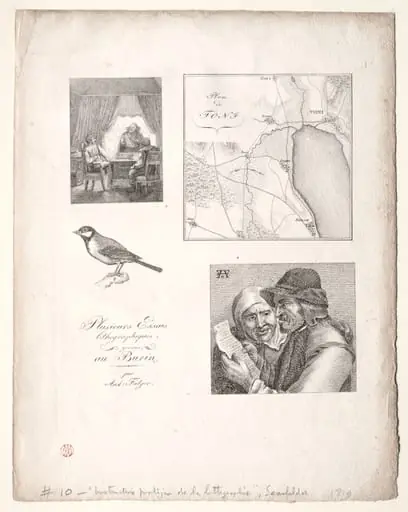 L'art de la litographie:Four Subjects after Falger
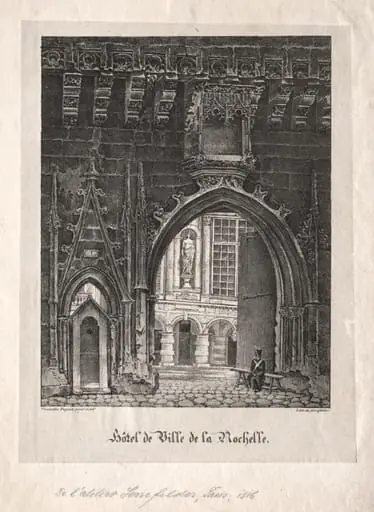 Hotel da Ville de la Rochelle, France
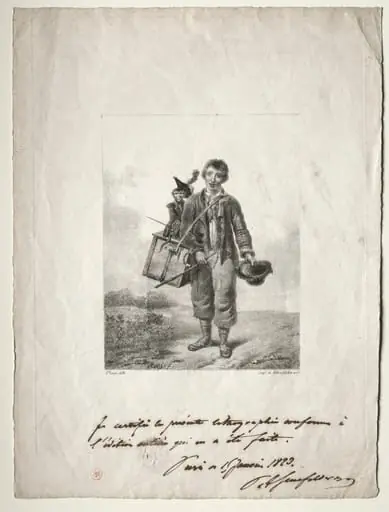 Organ-Grinder Boy
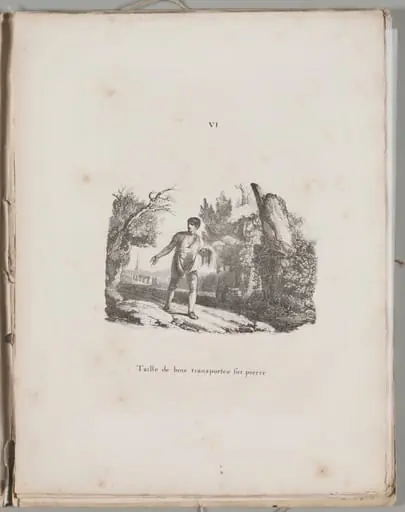 Art of the Lithograph: Transfer of a Wood Engraving, Plate VI
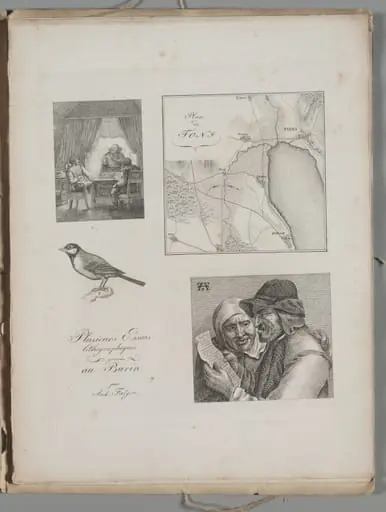 Art of the Lithograph: Four Engraving Samples, War Tent, Map of Toni, Bird, Dutch Farmer and Woman
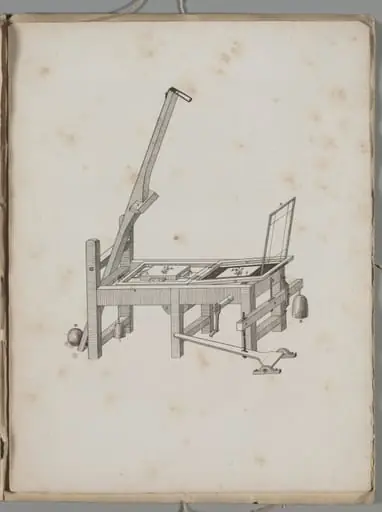 Art of the Lithograph: Printing Press
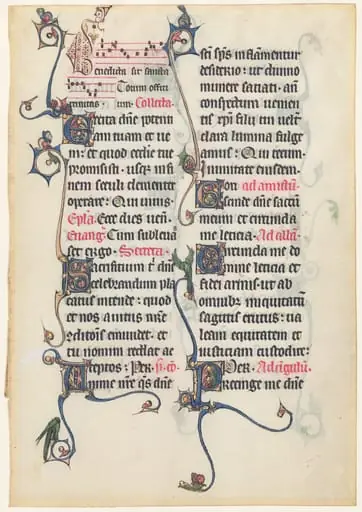 Manuscript Leaf from the Beauvais Missal
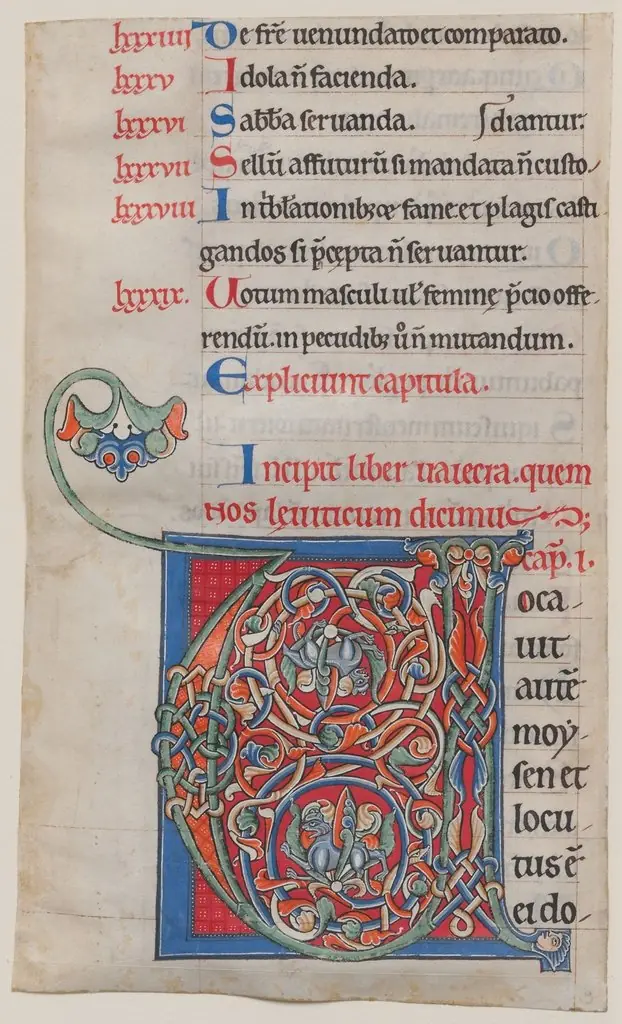 Manuscript Illumination with Initial V, from a Bible
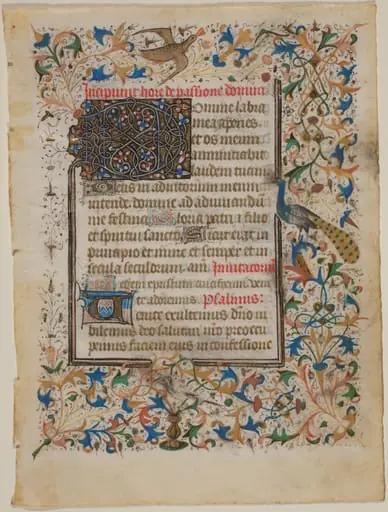 Manuscript Leaf from a Book of Hours (incip. Passionis)
![Title Page for a Missal, with Satyr and Putti Border [verso], by Urs Graf I](https://artifactworldgallery.com/img/urs-graf-i--title-page-for-a-missal-with-satyr-and-putti-border-verso--df26a3e076a25bf5-w320.webp) Title Page for a Missal, with Satyr and Putti Border [verso]
Title Page for a Missal, with Satyr and Putti Border [verso]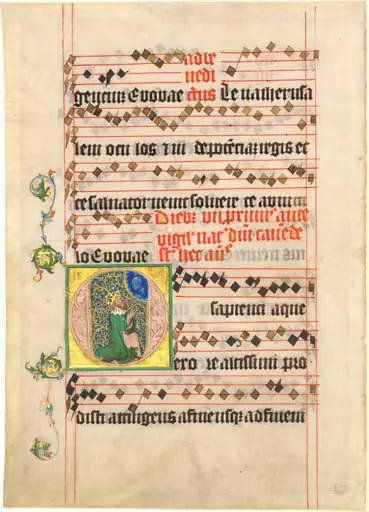 David in Prayer
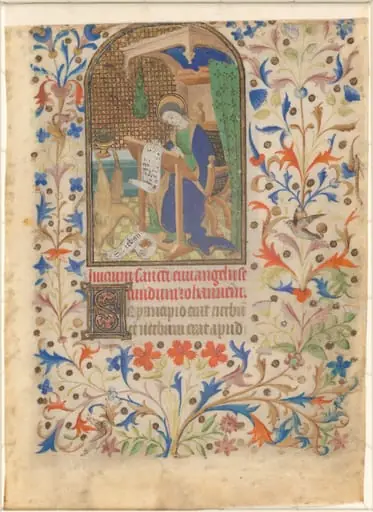 Saint John
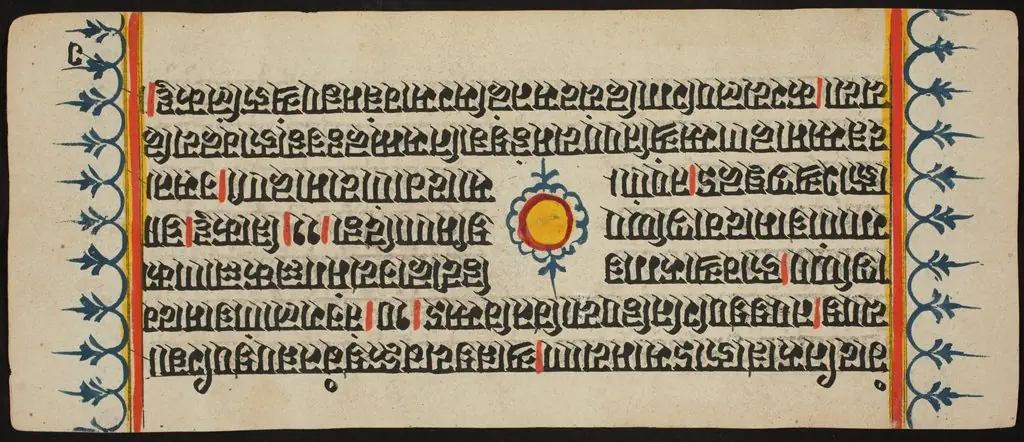 Kalpa Sutra
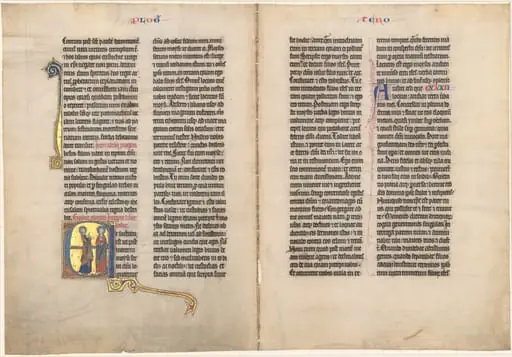 Joshua before the Lord
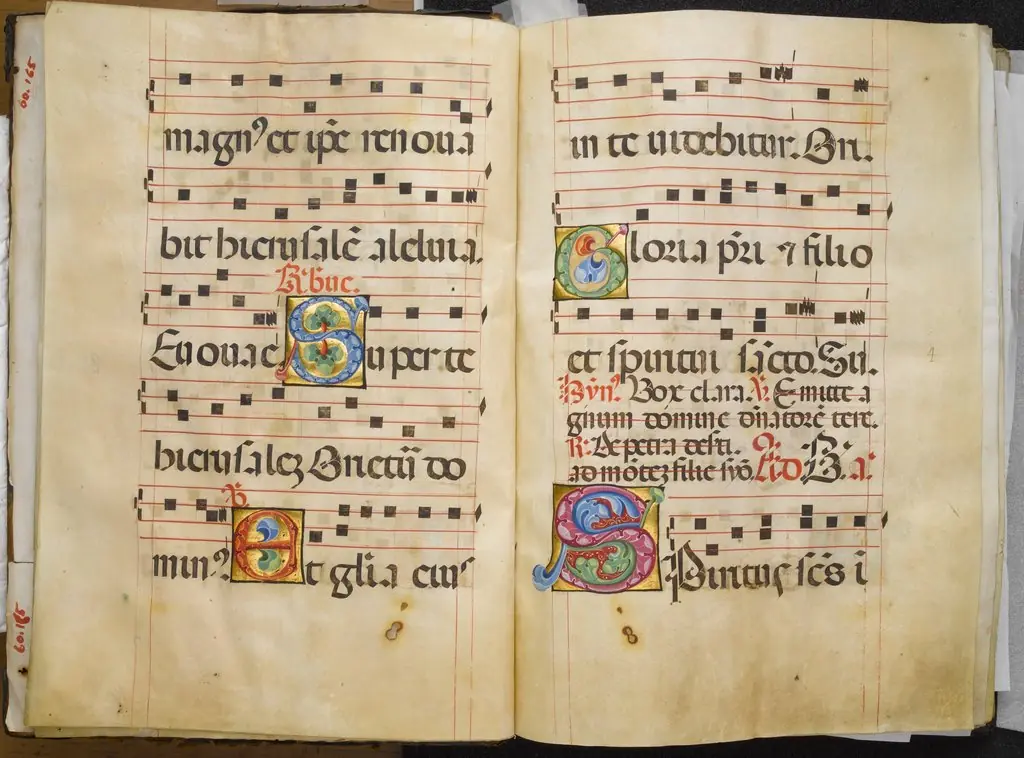 Benedictine Antiphonary
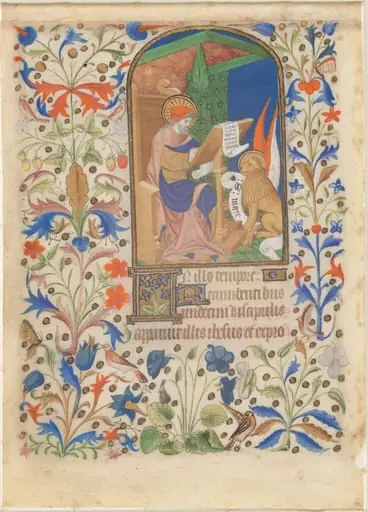 Saint Mark
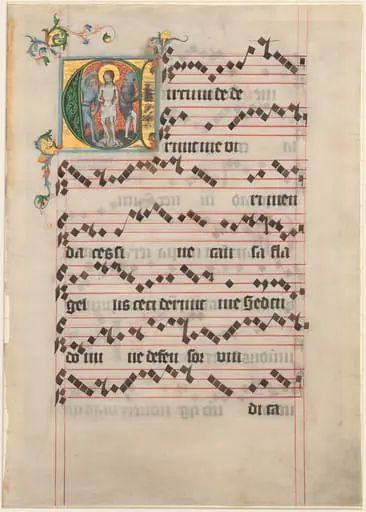 The Flagellation
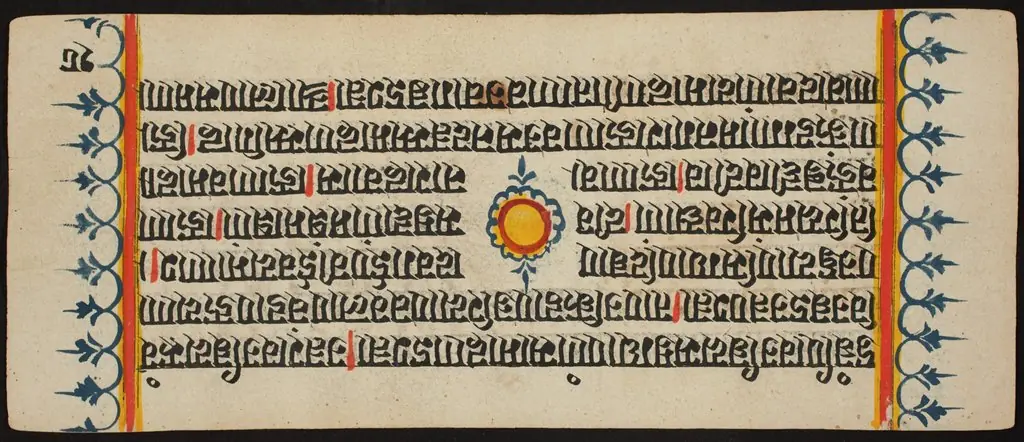 Kalpa Sutra