Artwork
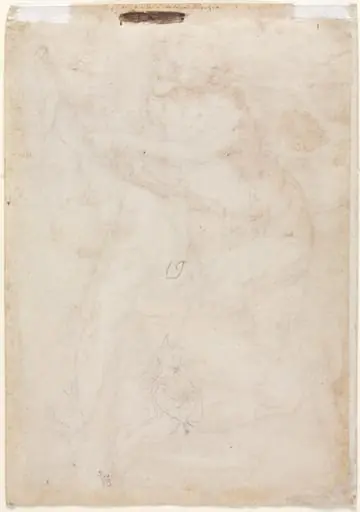
Resurrected Christ and Lamb of God (verso)
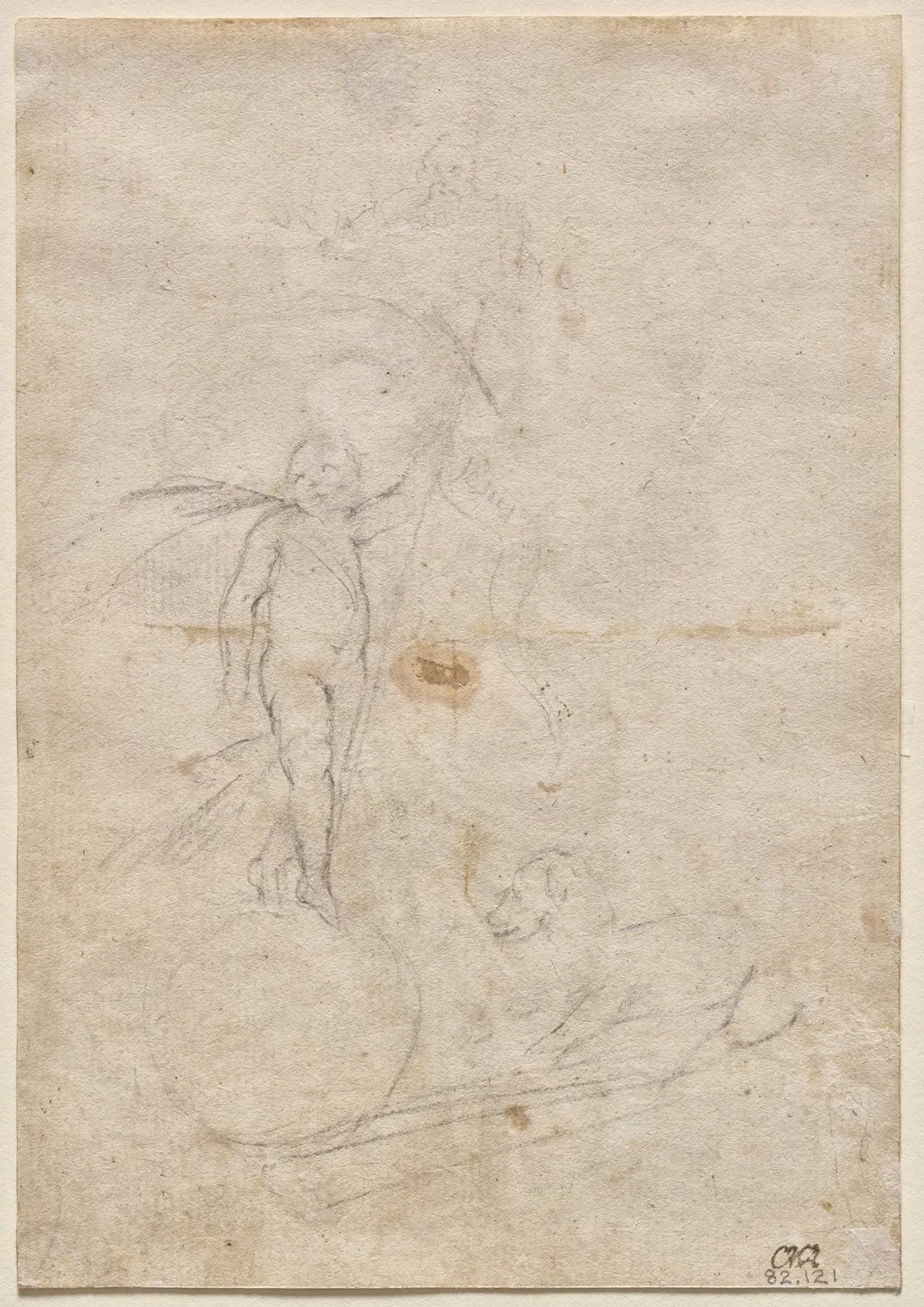
Resurrected Christ and Lamb of God (verso) is a drawing by the Baroque artist Alonso Cano. It dates from 1666 and is held in the collection of the Cleveland Museum of Art.
About this work
Overview
Light, unfinished strokes at the lower margin hint at preparatory gestures, common in studies done on the reverse of existing sheets.
This drawing, dated 1666, is the reverse side of a sheet by Alonso Cano, now in the Cleveland Museum of Art. Executed in a delicate, tentative hand, it depicts a faint figure of the Resurrected Christ cradling the Lamb of God. The paper is aged, with soft smudges and worn edges, suggesting repeated handling or exposure. Light, unfinished strokes at the lower margin hint at preparatory gestures, common in studies done on the reverse of existing sheets.
Subject & Meaning
The imagery combines two Christian symbols: Christ risen from the dead and the Lamb of God, representing sacrifice and redemption. The figure is rendered with minimal definition, emphasizing spiritual presence over physical form. The lamb, held gently, suggests peace and divine authority. The ambiguity of the lines invites contemplation rather than narrative clarity, aligning with devotional practices of the period that valued inner reflection.
Technique & Style
Cano employed a light touch with a dry medium, likely chalk or graphite, creating translucent forms that seem to emerge from the paper rather than assert themselves. The lines are hesitant, layered, and partially erased, indicating revision or experimentation. The smudge near the center may be a fingerprint or accidental mark, absorbed into the work’s quiet atmosphere. The absence of shading or detail reflects a focus on gesture over finish.
History & Provenance
The drawing was likely created during Cano’s later years in Granada, when he frequently produced religious sketches for personal or workshop use. Its survival on the reverse of another sheet suggests practical reuse of materials, common among artists of the time. It entered the Cleveland Museum of Art’s collection in the 20th century, cataloged as a study rather than a finished work, reflecting its function as a private exploration.
Context
In mid-17th-century Spain, religious imagery was central to artistic production, often serving as aids for meditation. Artists like Cano, trained in both painting and sculpture, frequently turned to drawing to test compositions before larger works. The informal nature of this sketch aligns with a broader Baroque trend of intimate, emotionally charged religious studies, even when executed with restraint.
Legacy
This drawing exemplifies how Baroque artists used the back of sheets for spontaneous thought, preserving moments of quiet invention. Its fragility and imperfection contrast with the grandeur of Cano’s finished altarpieces, offering insight into his process. Today, it is valued not for polish but for its intimacy, revealing the artist’s hand in a moment of contemplation.
Artist & collection

 Two Sketches of a Mother and Child (verso)
 Coronation of the Virgin
![Study of a Madonna [verso], by Leonardo da Vinci](https://artifactworldgallery.com/img/leonardo-da-vinci--study-of-a-madonna-verso--e1c76b4ffef84fb4-w320.webp) Study of a Madonna [verso]
Study of a Madonna [verso]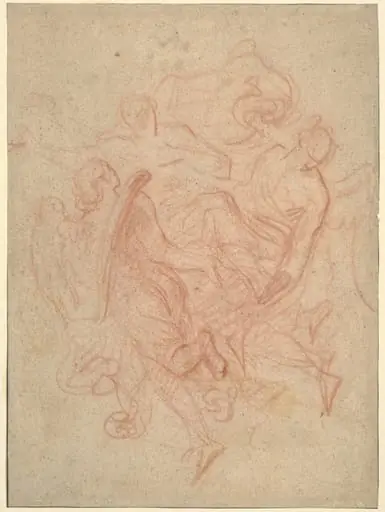 Apotheosis of Saint George
![Sheet of Studies with the Drunken Pan and Nymphs [verso], by Jacob Jordaens](https://artifactworldgallery.com/img/jacob-jordaens--sheet-of-studies-with-the-drunken-pan-and-nymphs-verso--7da29549b59c490a-w320.webp) Sheet of Studies with the Drunken Pan and Nymphs [verso]
Sheet of Studies with the Drunken Pan and Nymphs [verso]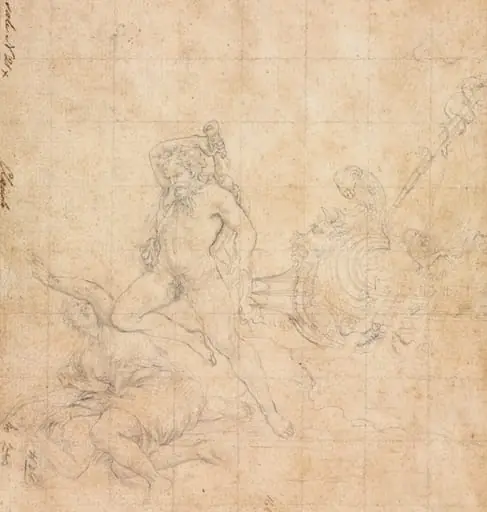 Hercules and the Girdle of Hippolyta
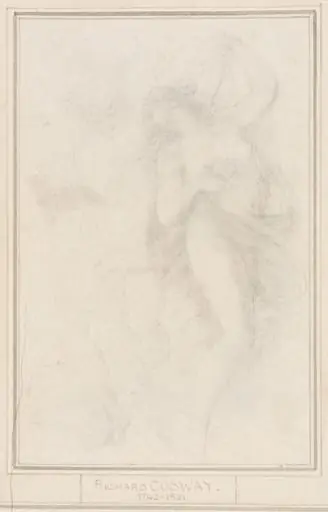 Mercury and a goddess
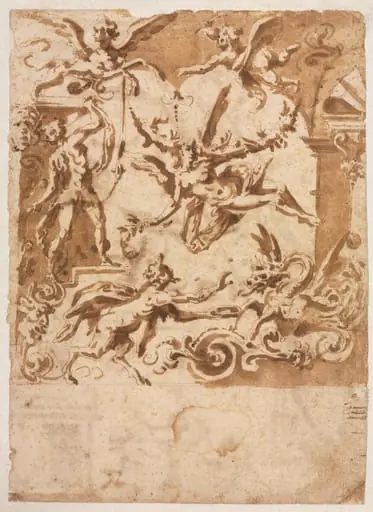 Grotesque with a Satyr Feeding a Dragon (recto)
 Mercury
 Ganymede
 Sheet of Studies
 The Madonna and Child Seated on a Dais with Tobias and the Angel and a Saint Presenting Two Children