Artwork
The Pear Thief, No. 1
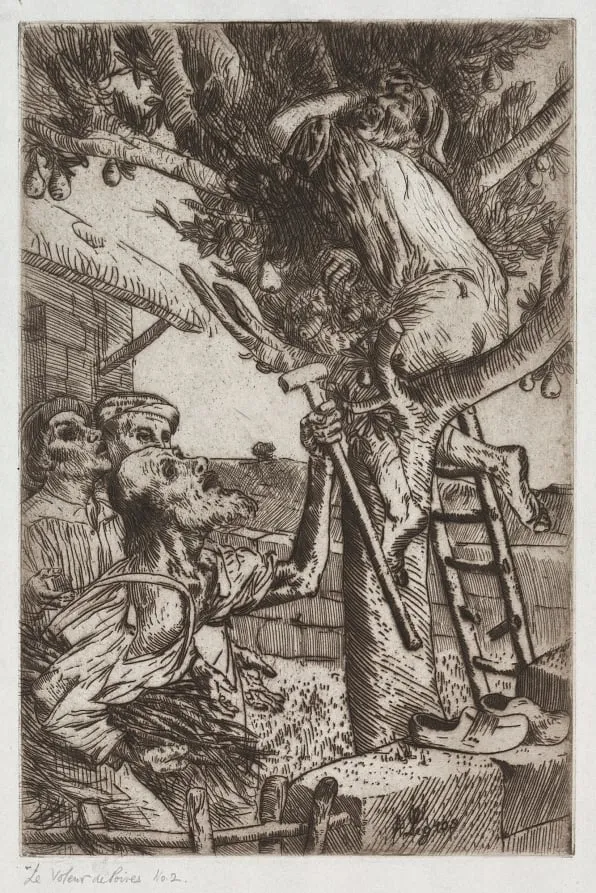
The Pear Thief, No. 1 is a print by the Impressionist artist Alphonse Legros. It dates from 1890 and is held in the collection of the Cleveland Museum of Art.
About this work
Overview
It depicts a quiet, nocturnal moment in a forest, where two figures engage in an act of gathering fruit under cover of darkness.
Created around 1890 by Alphonse Legros, The Pear Thief, No. 1 is a print in the collection of The Cleveland Museum of Art. It depicts a quiet, nocturnal moment in a forest, where two figures engage in an act of gathering fruit under cover of darkness. The composition is tightly focused, emphasizing gesture and atmosphere over narrative detail, and reflects Legros’s interest in everyday scenes rendered with psychological nuance.
Subject & Meaning
The scene portrays two men in a wooded setting, one reaching for pears from a branch, the other holding a long pole—likely to aid in harvesting. Their postures suggest caution and concentration, implying a transgression against property or social norms. The work does not moralize but instead invites contemplation of quiet acts of survival or defiance, grounding its meaning in human behavior rather than overt symbolism.
Technique & Style
Legros employed chiaroscuro to heighten the drama of the scene, using deep shadows and stark highlights to isolate the figures against the dark woodland. The contrast defines their forms with sculptural clarity, while the rough texture of the print medium adds a tactile urgency. Lines are economical yet precise, directing attention to the tension in their limbs and the focus of their gazes without embellishment.
History & Provenance
The print was produced in the final decades of the 19th century, during Legros’s time in England, where he taught at Slade School of Fine Art. It was acquired by The Cleveland Museum of Art in the 20th century as part of its growing collection of European graphic works. Its provenance reflects Legros’s reputation among printmakers and his influence on British art education during the period.
Context
In late 19th-century Europe, artists increasingly turned to rural and working-class subjects, moving away from idealized narratives. Legros’s print aligns with this trend, echoing the realism of Millet and the atmospheric concerns of Whistler. The quiet tension in The Pear Thief, No. 1 reflects broader cultural anxieties about labor, ownership, and the boundaries of legality in an era of rapid social change.
Legacy
Though not widely exhibited today, the print remains a significant example of Legros’s mastery in graphic art. It demonstrates his ability to convey psychological depth through minimal means, influencing later generations of printmakers interested in mood and restraint. Its presence in a major American museum underscores its role in the transatlantic exchange of artistic ideas during the modern period.
Artist & collection

Artist
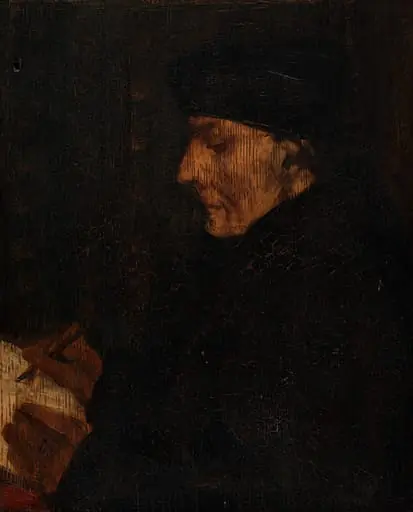
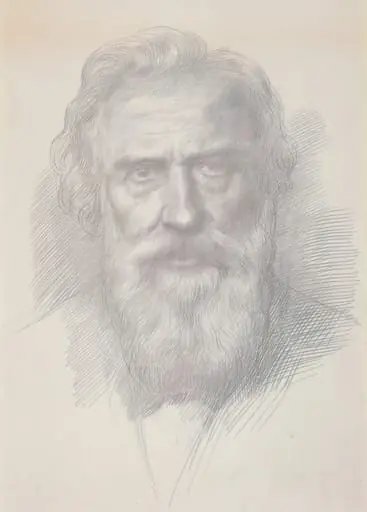
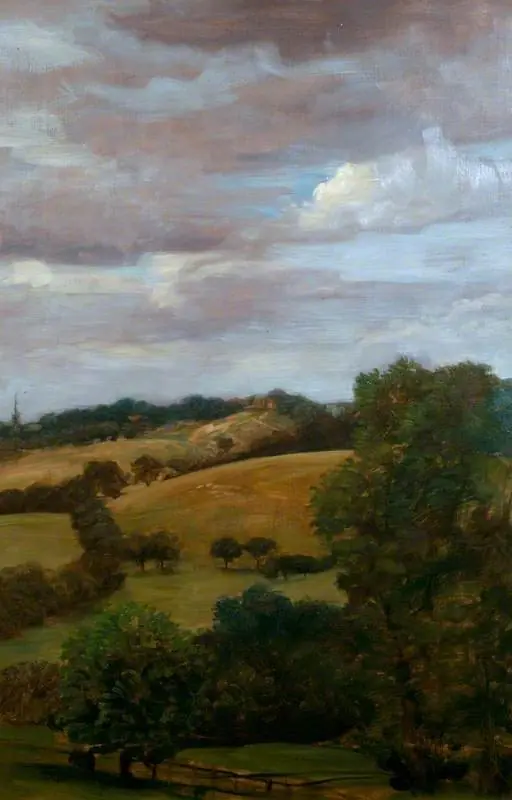
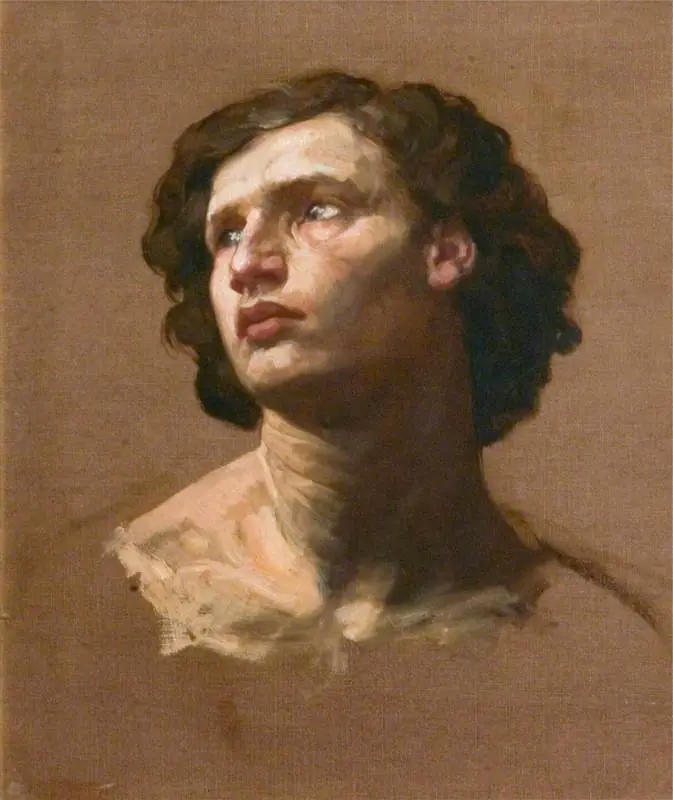
Alphonse Legros (French pronunciation: ; 8 May 1837 – 8 December 1911) was a French, later British, painter, etcher, sculptor, and medallist.

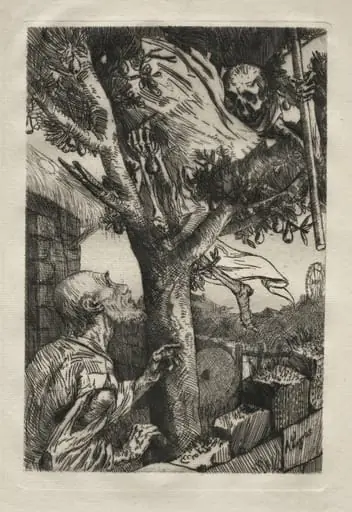 La mort dans le piorier
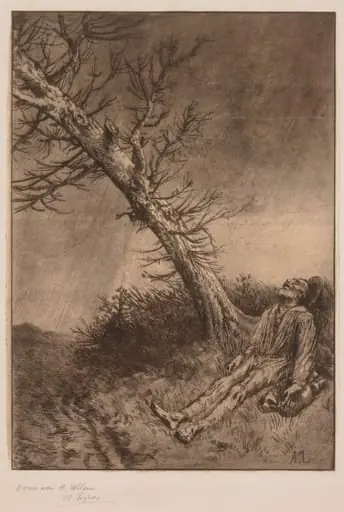 Death of a Vagabond
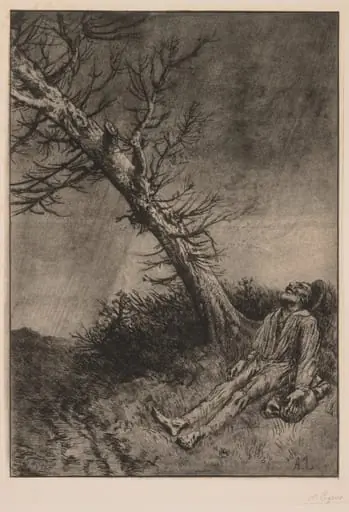 Death of the Vagabond
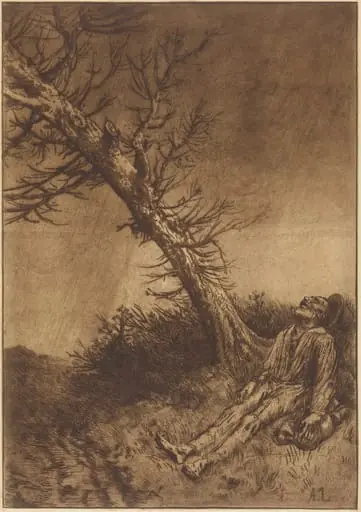 Death of the Vagabond (La mort du vagabond)
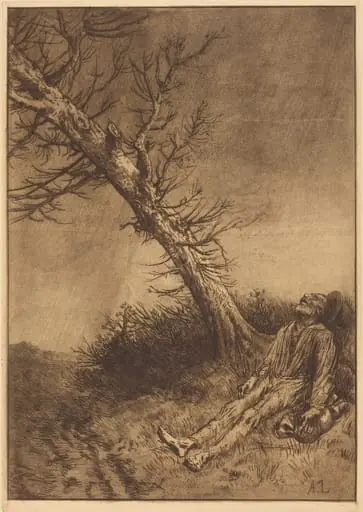 Death of the Vagabond (La mort du vagabond)
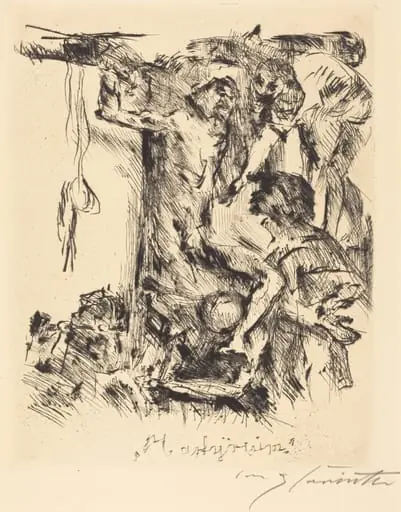 Martyrium (Martyrdom)
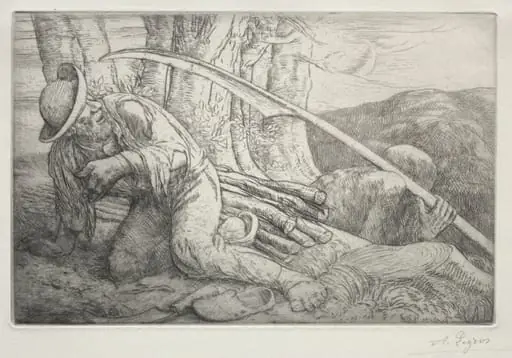 La Mort et le Bûcheron (5th Plate)
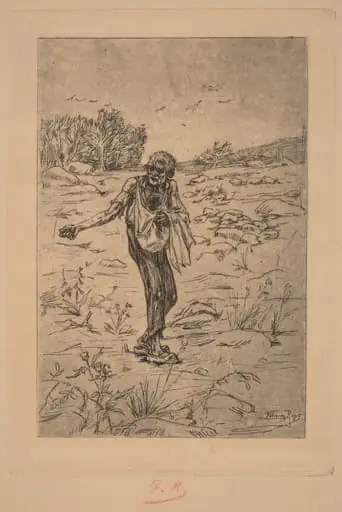 The Parable of the Sower (Le Semeur de Paraboles)
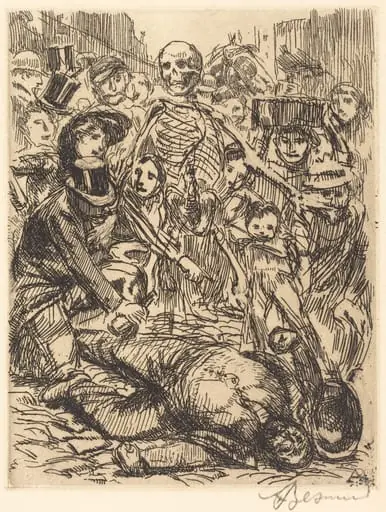 The Accident (L'accident)
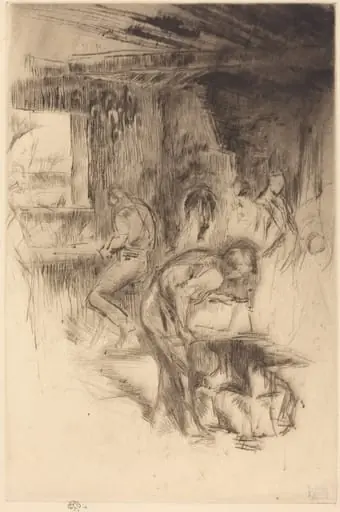 The Little Forge
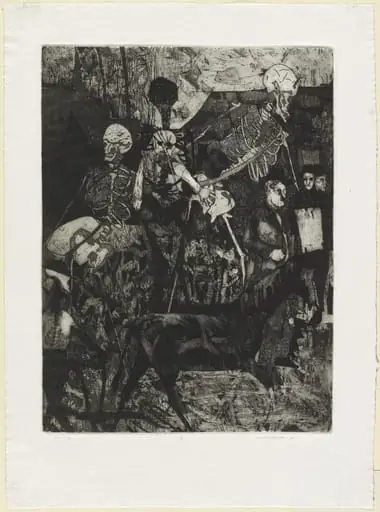 Untitled
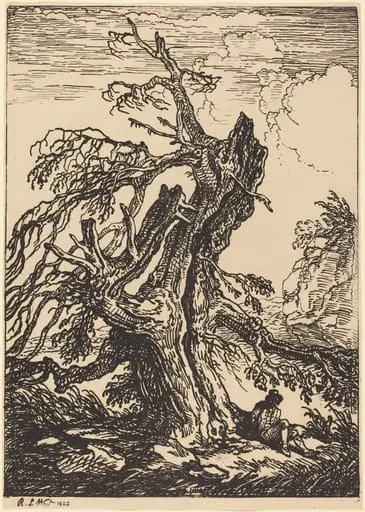 Study of a Tree