Artwork
Death of the Vagabond (La mort du vagabond)
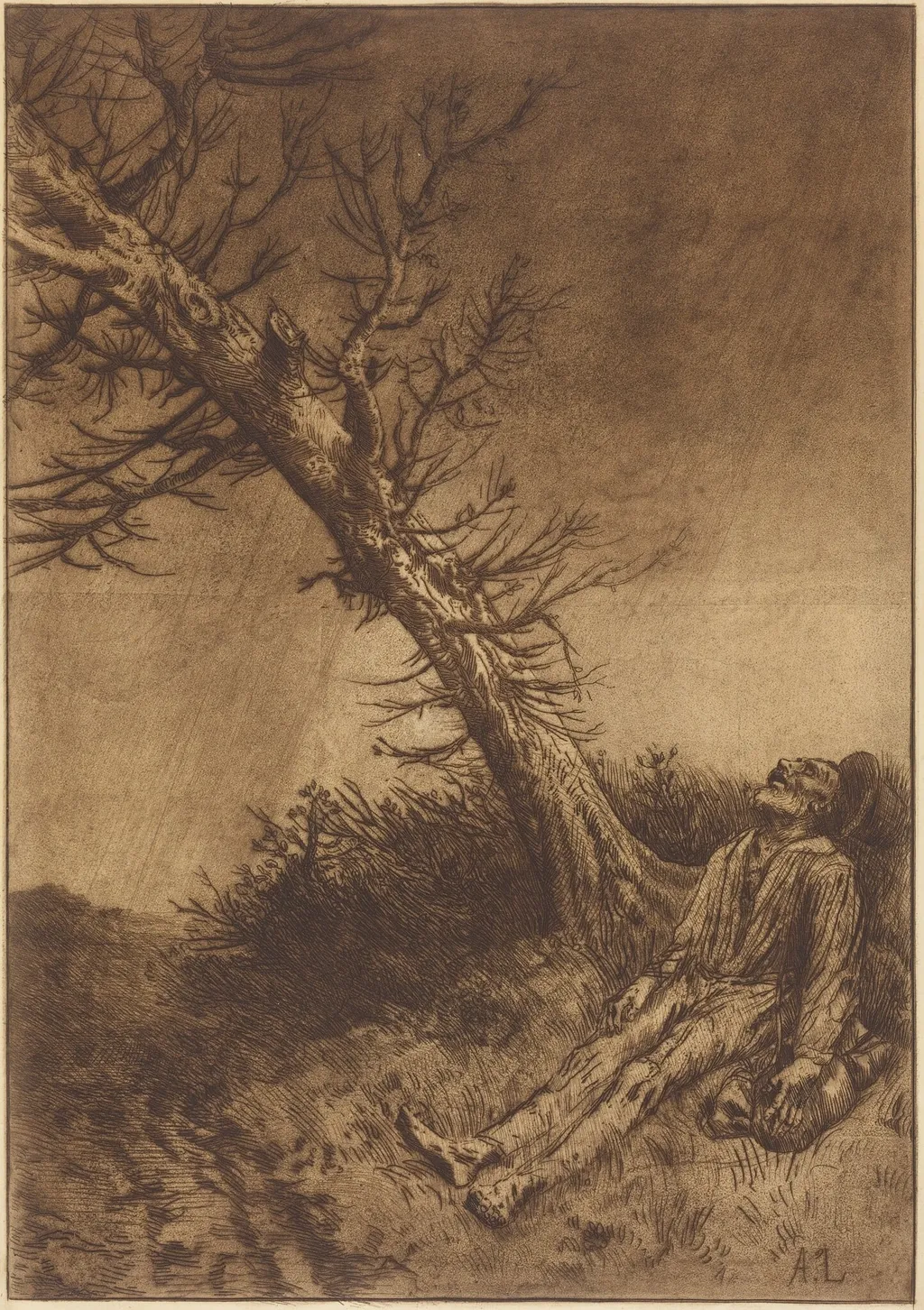
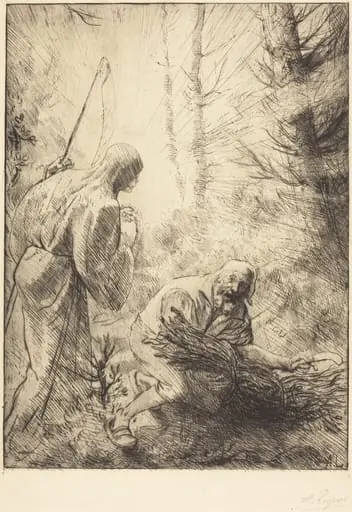
Death of the Vagabond (La mort du vagabond) is an ink print by the Romanticist artist Alphonse Legros. It dates from 1874 and is held in the collection of the National Gallery of Art.
About this work
Overview
Death of the Vagabond (La mort du vagabond), created by Alphonse Legros in 1874, is a print that combines etching, aquatint, and drypoint techniques. The work showcases Legros's ability to evoke powerful themes through his chosen medium.
Subject & Meaning
The print depicts a lifeless, destitute figure in a somber setting, underscored by a twisted, bare tree looming overhead. The composition conveys a sense of quiet contemplation, inviting reflection on the subject's plight and the symbolic presence of the tree.
Technique & Style
Legros employed a trio of printmaking techniques—etching for line work, aquatint for tonal depth, and drypoint for expressive textures—to achieve a rich, detailed image. The muted, earthy palette and intricate rendering of the tree's branches enhance the work's somber mood.
History & Provenance
Created in 1874, during Legros's British period, the work exemplifies his role in the etching revival in late 19th-century London, following his relocation from France in 1863.
Context
Death of the Vagabond reflects Legros's engagement with social themes, characteristic of his broader artistic practice spanning painting, sculpture, and printmaking. The piece aligns with the era's artistic explorations of poverty and social conditions.
Legacy
While specific legacy details of *Death of the Vagabond* are not provided, the work contributes to Legros's reputation as a pivotal figure in British etching's resurgence and his exploration of social realism through multiple artistic mediums.
Artist & collection

Artist
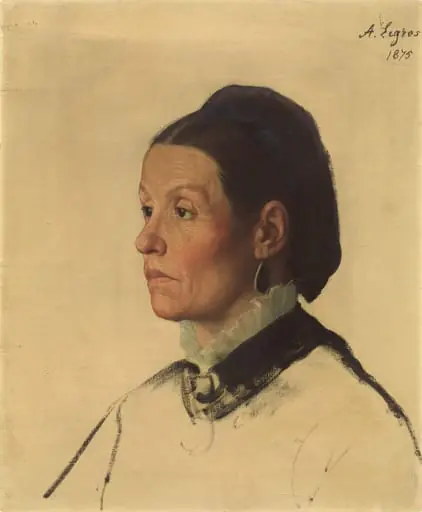
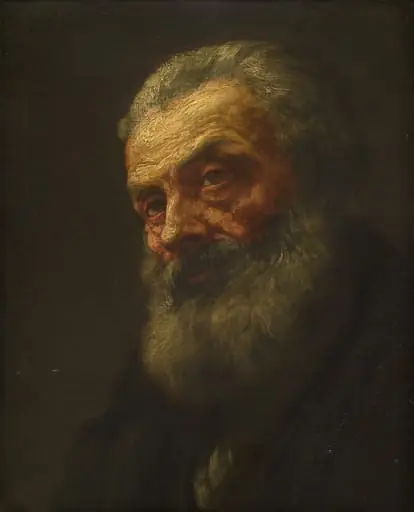
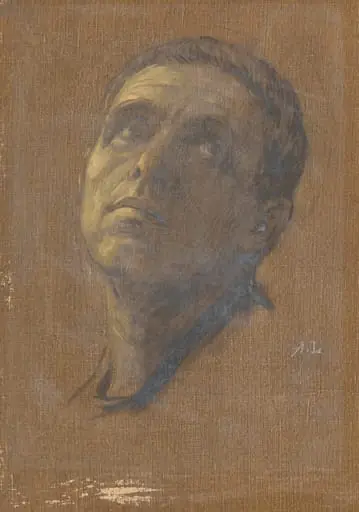
Alphonse Legros (French pronunciation: ; 8 May 1837 – 8 December 1911) was a French, later British, painter, etcher, sculptor, and medallist.

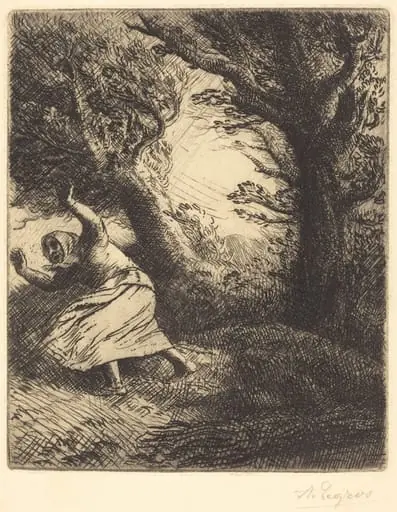 Thunder (Un coup de foudre)
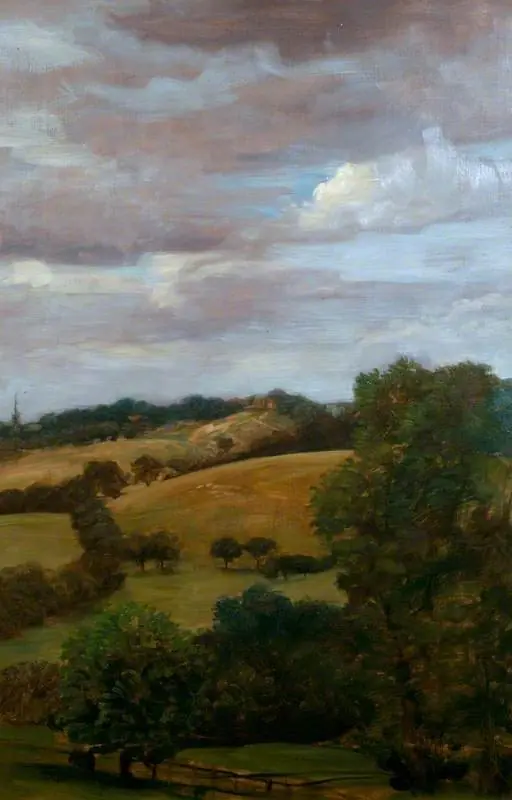
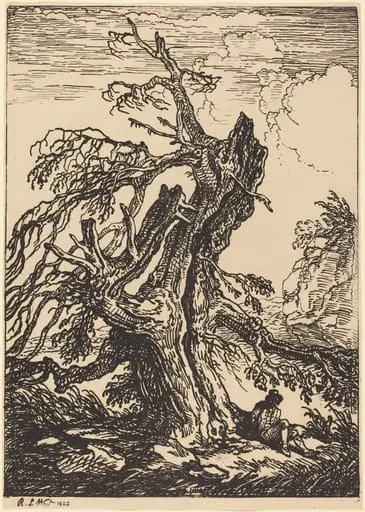 Study of a Tree
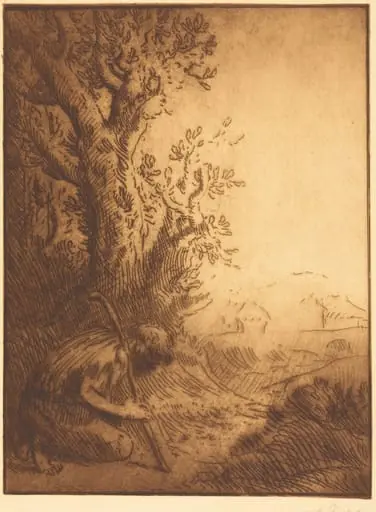 The Prodigal Son, 4th plate (L'enfant prodigue)
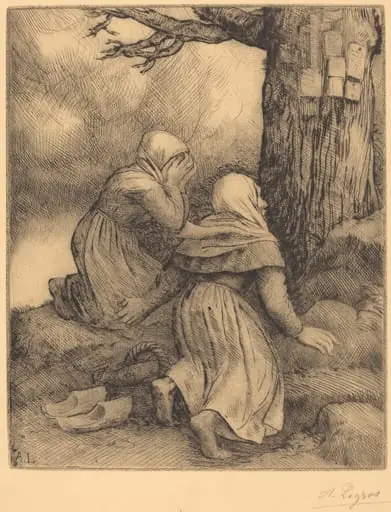 The Tree of Salvation (L'arbe de salut)
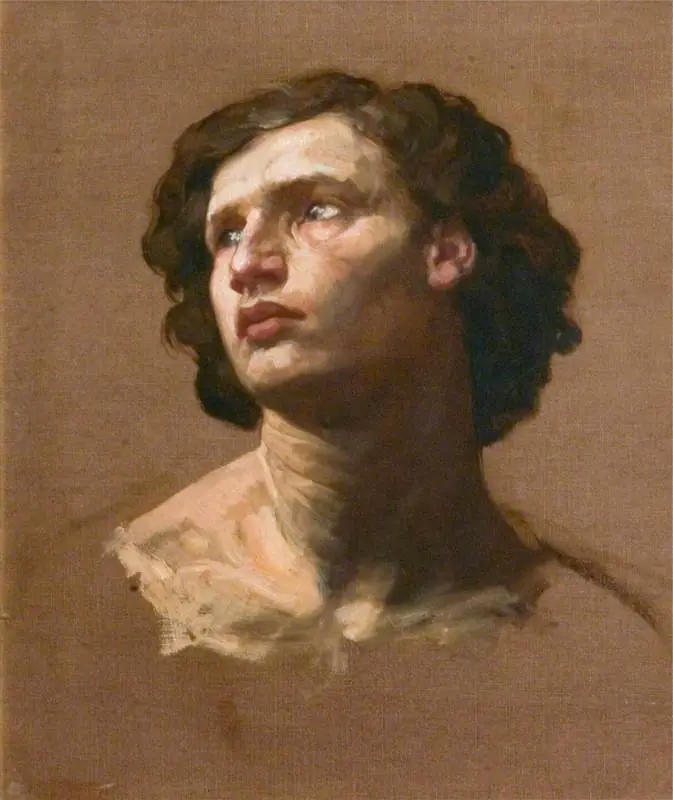
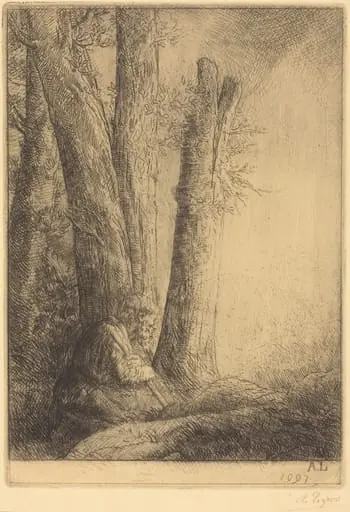 Study for the Prodigal Son (Etude pour L'enfant prodigue)
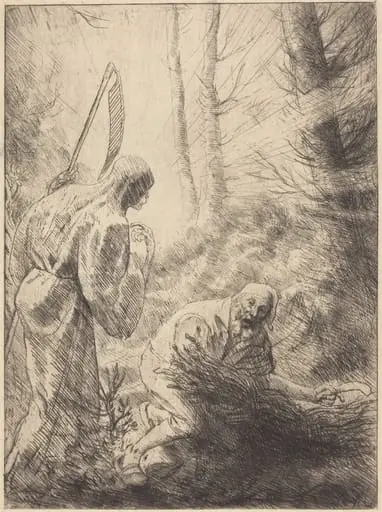 Death and the Woodcutter, 2nd plate (La Mort de le bucheron)
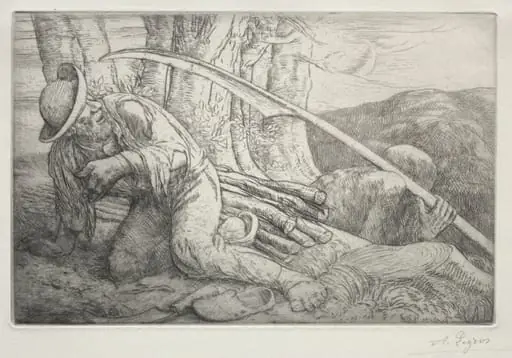 La Mort et le Bûcheron (5th Plate)
 Death and the Woodcutter, 2nd plate (La mort et le bucheron)