Artwork
Annunciation
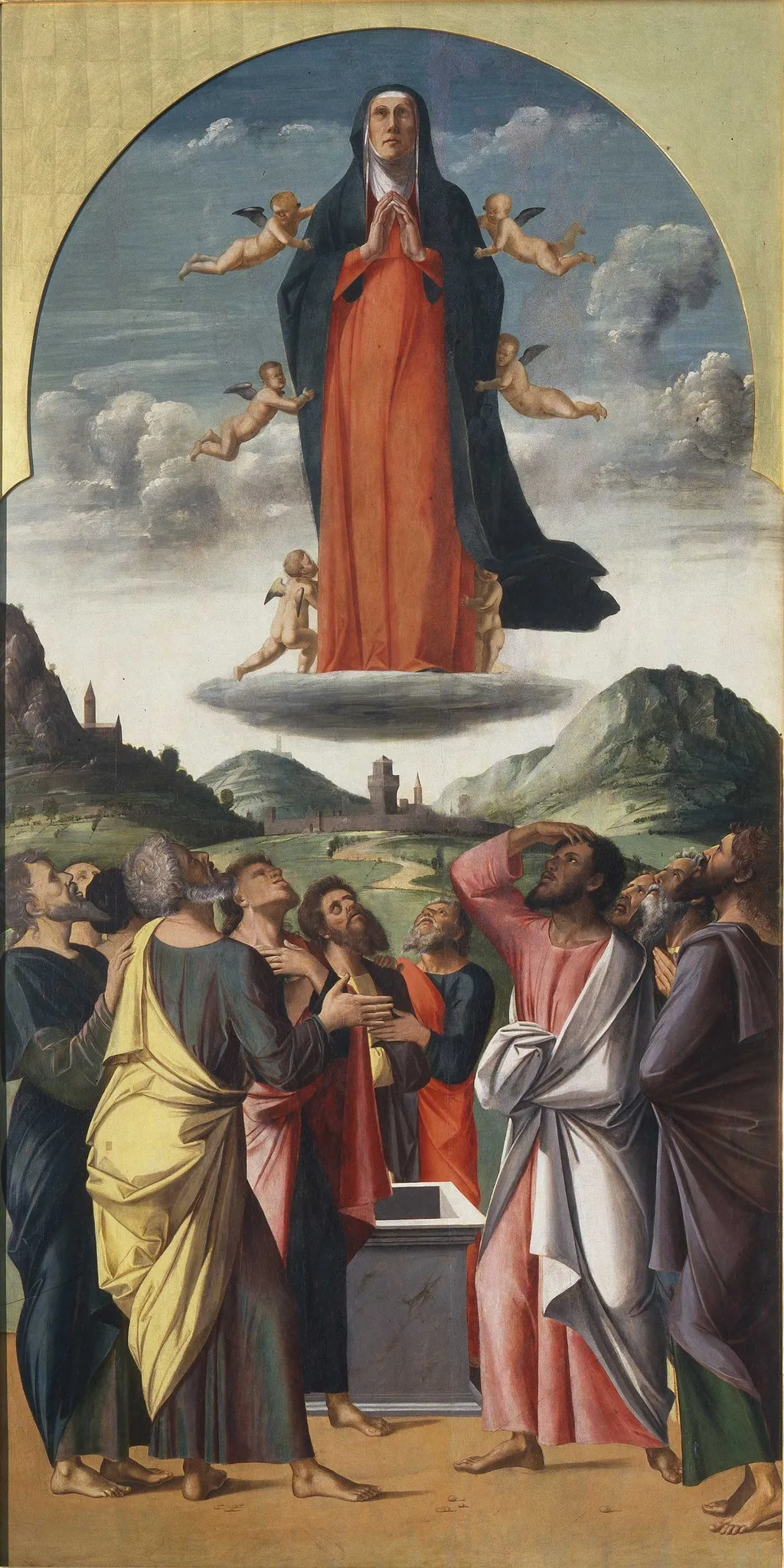
Annunciation is an oil painting by the Early Renaissance artist Alvise Vivarini. It dates from 1490 and is held in the collection of the Pinacoteca di Brera.
About this work
Overview
The painting is now housed in the Pinacoteca di Brera in Milan, where it remains a representative example of Venetian panel painting from the late 15th century.
Painted around 1490 by Alvise Vivarini, this tempera work is a devotional image of the Annunciation, produced during the early Renaissance in Venice. It reflects the artistic traditions of the Vivarini family, known for their religious panels. The painting is now housed in the Pinacoteca di Brera in Milan, where it remains a representative example of Venetian panel painting from the late 15th century.
Subject & Meaning
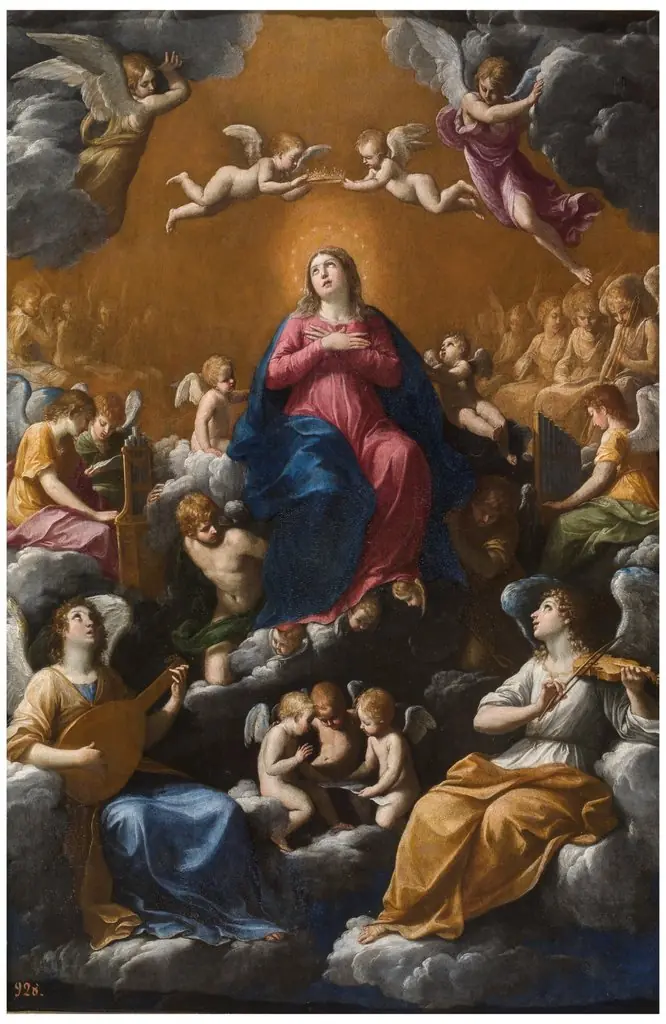
The scene captures the moment the Archangel Gabriel announces to Mary that she will bear the Son of God. Mary is shown elevated on a cloud, her hands folded in acceptance, while cherubs surround her, emphasizing the divine nature of the event. Below, a group of figures gaze upward, possibly representing witnesses or the faithful, reinforcing the theological significance of the Incarnation within a communal context.
Technique & Style
Executed in tempera, the painting uses pigments bound with egg yolk, a method common in pre-oil Renaissance panel painting. The colors are crisp and luminous, with careful attention to drapery folds and facial expressions. The composition is hierarchical, with Mary centrally placed and elevated, while the earthly figures below are rendered with more restrained detail, reflecting traditional iconographic priorities.
History & Provenance
The painting entered the Pinacoteca di Brera’s collection in the early 19th century, following the suppression of religious institutions in northern Italy under Napoleonic rule. Prior to that, it likely adorned a Venetian church or private chapel. Its survival through centuries of political and religious change underscores its enduring value as a devotional object and artistic artifact.
Context
In late 15th-century Venice, religious imagery remained central to public and private devotion. Artists like Vivarini blended Byzantine conventions with emerging Renaissance naturalism, creating works that appealed to both spiritual and aesthetic sensibilities. This Annunciation reflects the city’s thriving workshop culture and its role as a hub for religious art production during a period of transition in technique and patronage.
Legacy
Though less widely known than contemporaries like Bellini, Alvise Vivarini’s work contributed to the evolution of Venetian painting. His use of tempera, balanced composition, and dignified figures helped bridge medieval iconography and Renaissance humanism. This Annunciation stands as a quiet but significant example of how regional workshops sustained devotional art traditions amid broader artistic change.
Artist & collection

Artist
Alvise or Luigi Vivarini (1442/1453–1503/1505) was an Italian painter, the leading Venetian artist before Giovanni Bellini.

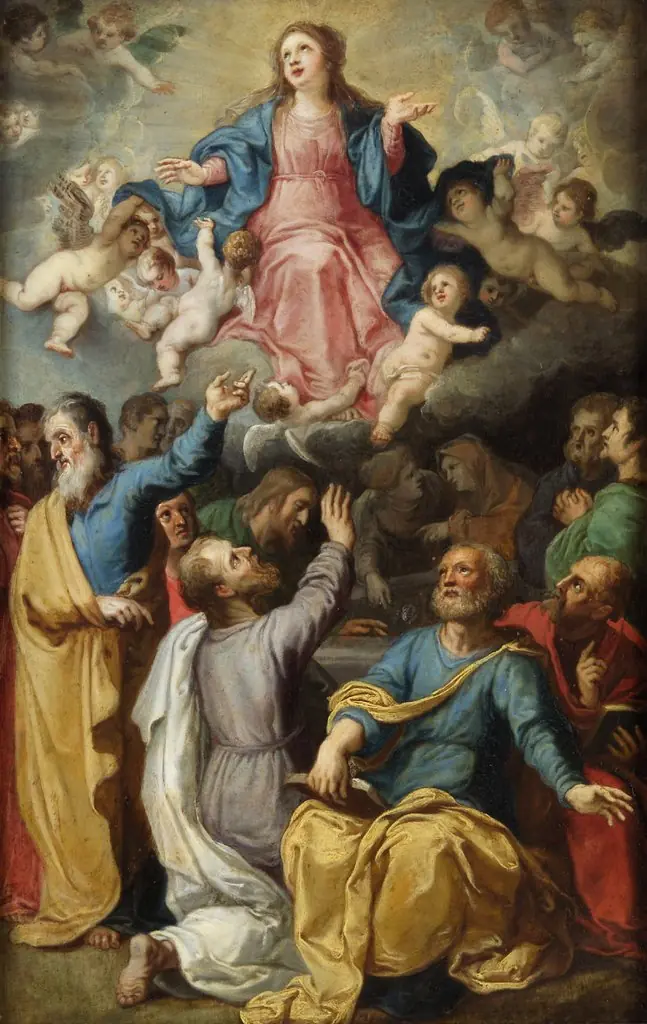 Assumption of Mary
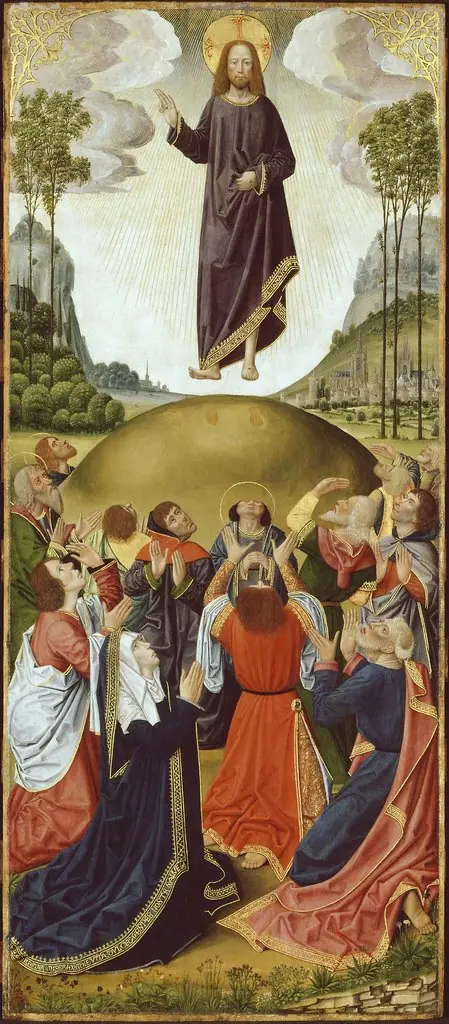 Altarpiece from Thuison-les-Abbeville: The Ascension
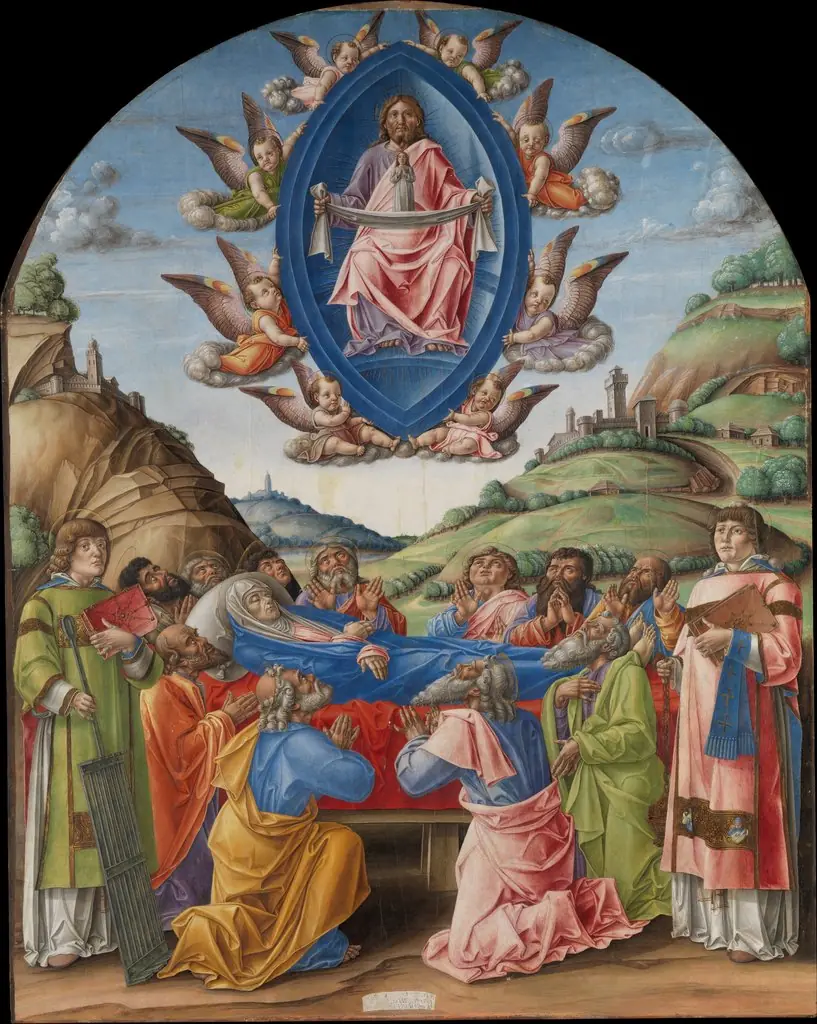 The Death of the Virgin
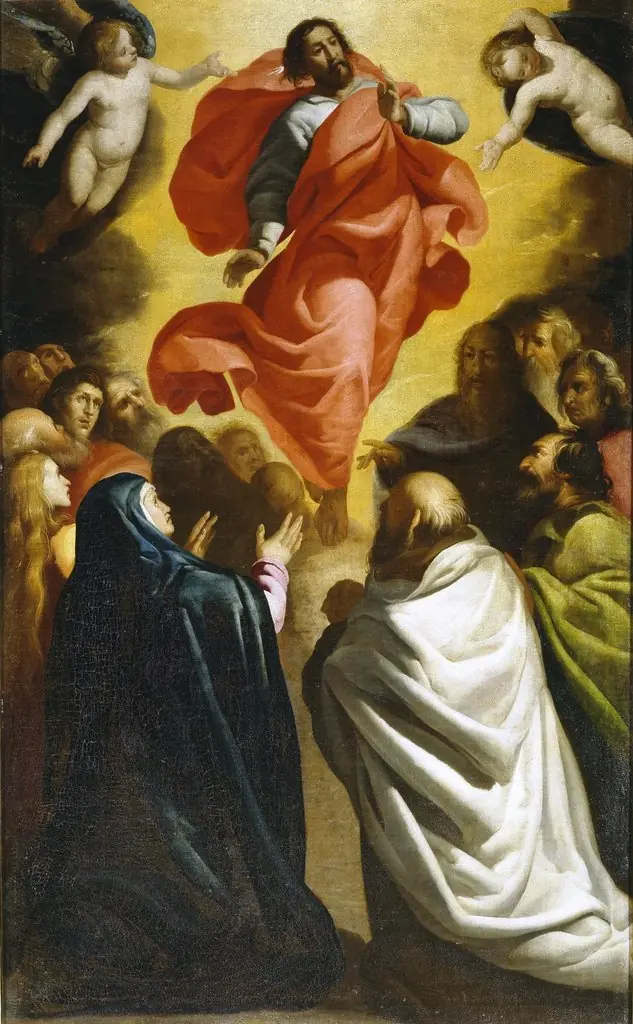 Ascensión del Señor
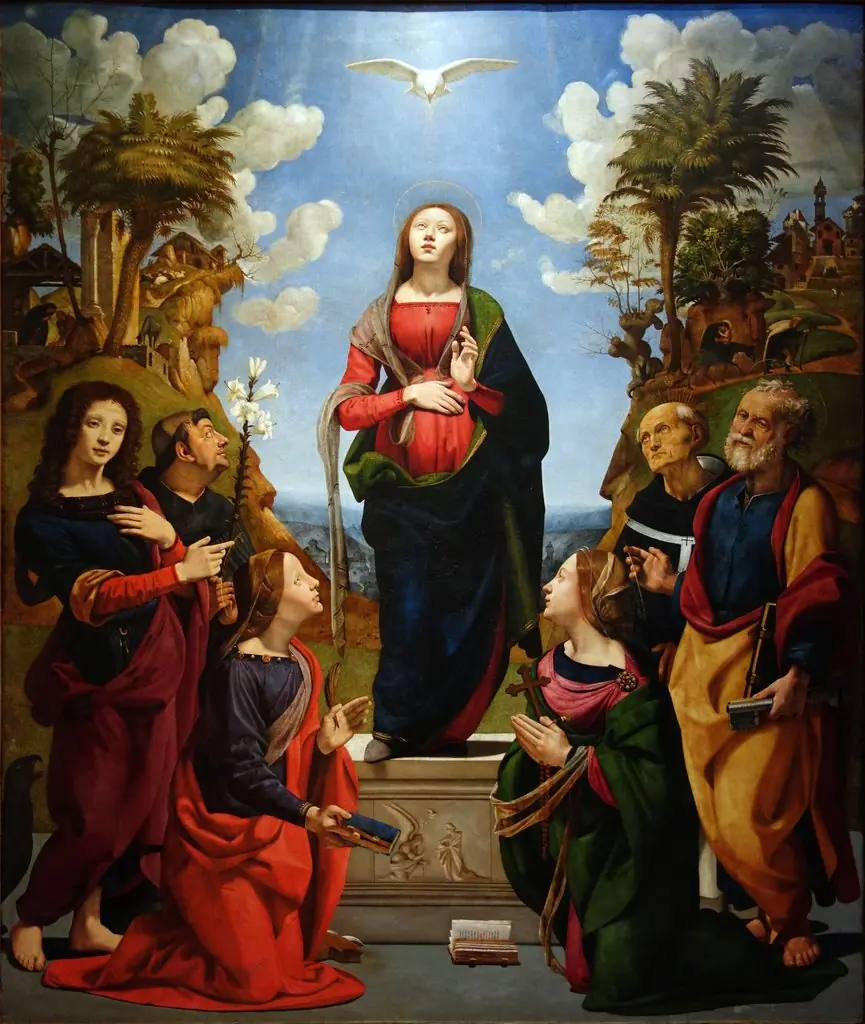 Incarnation of Jesus by Piero di Cosimo
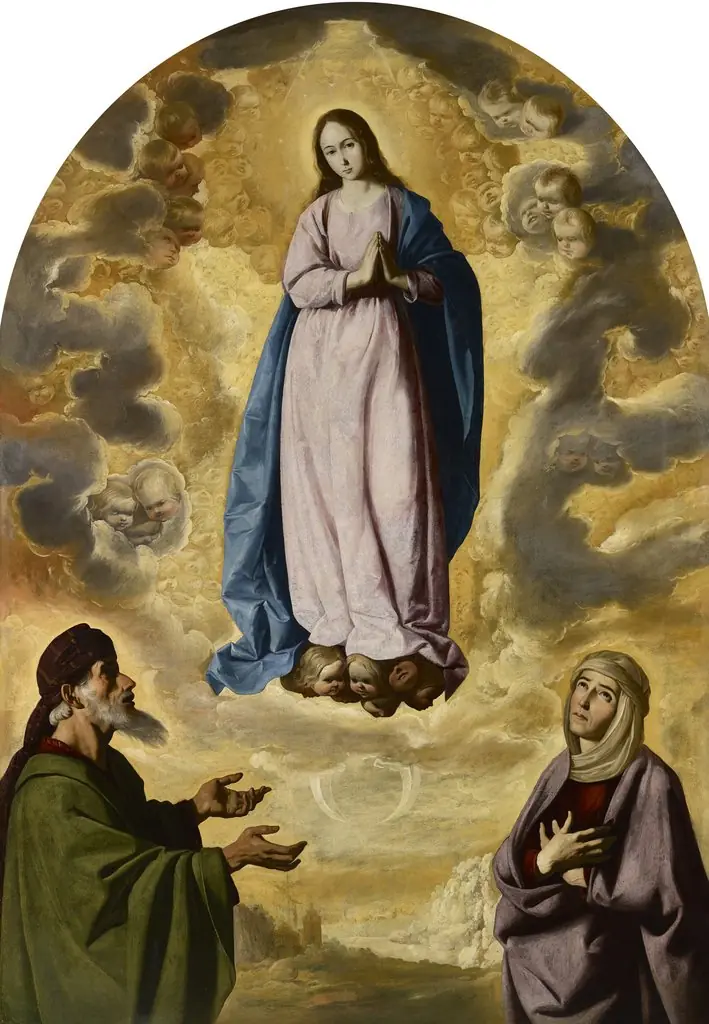 The Immaculate Conception with Saint Joachim and Saint Anne
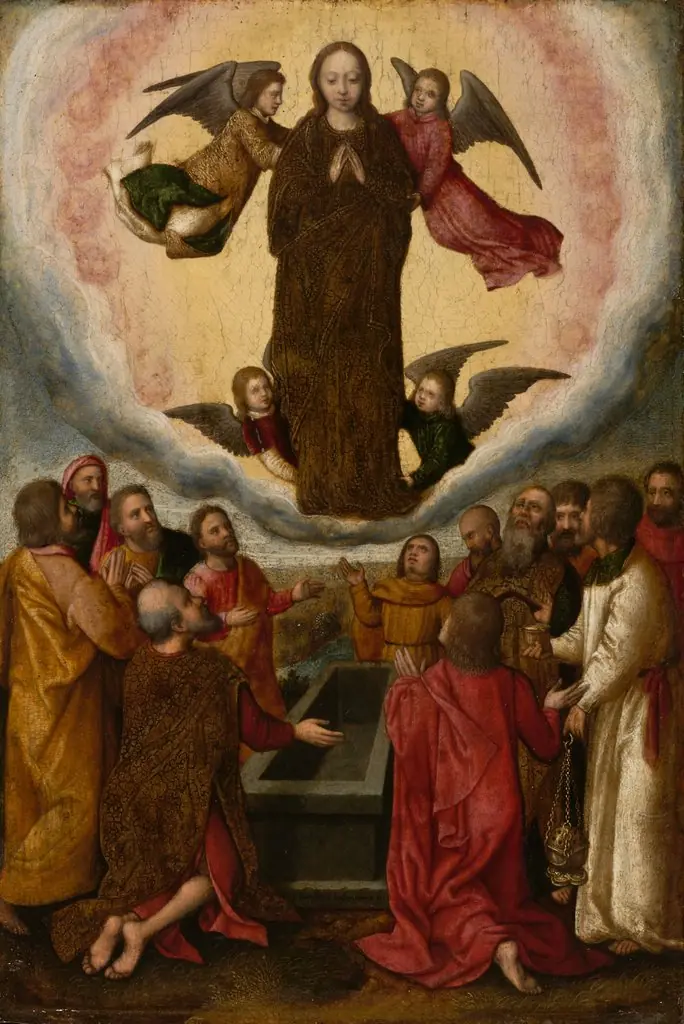 Assumption of the Virgin
 Ascension of Christ
 Himmelfahrt Mariens
 The Assumption of the Virgin
 The Assumption of the Virgin
 La Asunción y Coronación de la Virgen