Artwork
Johan Peter Lefrén (1784-1862), general, educationalist, politician, Married to Maria Antoinetta Hedman
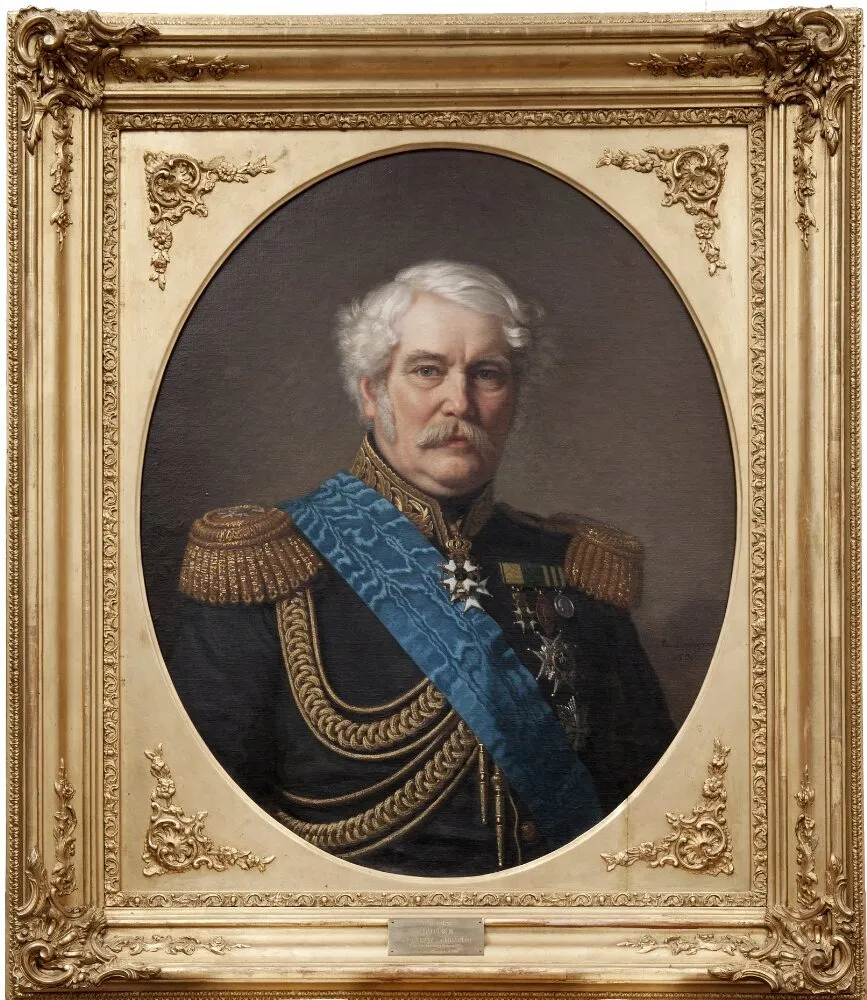
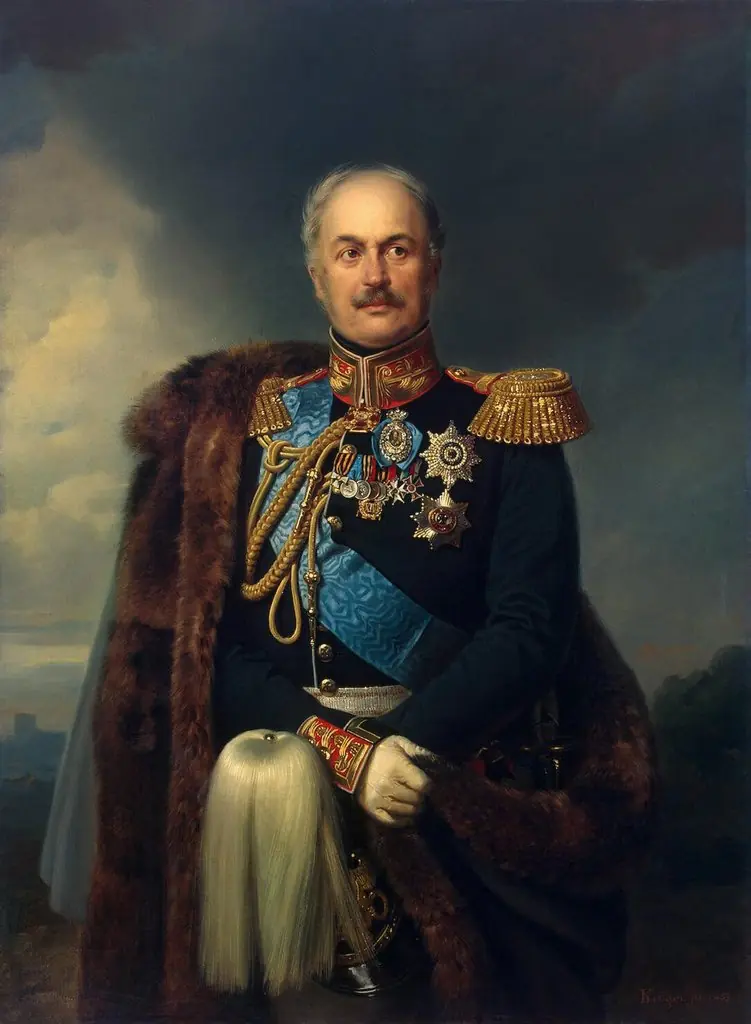
Johan Peter Lefrén (1784-1862), general, educationalist, politician, Married to Maria Antoinetta Hedman is an oil painting by Amalia Lindegren. It dates from 1856 and is held in the collection of the Nationalmuseum.
About this work
Overview
Lindegren, an academically trained artist and member of the Royal Swedish Academy of Arts, captured Lefrén in formal attire, reflecting his public stature.
Painted in 1856 by Amalia Lindegren, this oil portrait depicts Johan Peter Lefrén, a Swedish general, educator, and politician. Lindegren, an academically trained artist and member of the Royal Swedish Academy of Arts, captured Lefrén in formal attire, reflecting his public stature. The work resides in the Nationalmuseum’s collection, where it stands as a documented example of mid-19th-century Swedish portraiture.
Subject & Meaning
Lefrén is portrayed in his military uniform, emphasizing his service and authority. The gold epaulets and blue sash denote rank and official function, while his white hair and direct gaze convey experience and composure. The portrait avoids overt symbolism, instead presenting a restrained, dignified presence aligned with the values of public service and civic responsibility in mid-19th-century Sweden.
Technique & Style
Lindegren employed a controlled, realistic approach typical of academic portraiture. The dark gray-brown background isolates the figure, drawing attention to the texture of the uniform and the subtle modeling of the face. Brushwork is precise, particularly in the rendering of gold braiding and the softness of facial features, reflecting formal training and an emphasis on clarity over emotional expression.
History & Provenance
Commissioned during Lefrén’s later years, the painting was completed in 1856 and entered the Nationalmuseum’s holdings shortly thereafter. Its preservation reflects institutional interest in documenting prominent Swedish figures of the era. No record suggests significant alterations or relocations, indicating stable provenance since its acquisition by the museum.
Context
Created during a period of national consolidation in Sweden, the portrait aligns with efforts to visually archive public servants who shaped education, military, and governance. Lindegren, one of the few professionally recognized female artists of her time, contributed to this cultural project, reflecting broader shifts in artistic practice and gender roles within the Academy.
Legacy
The portrait remains a primary visual record of Lefrén, preserving his likeness for historical study. While not widely exhibited, it contributes to the Nationalmuseum’s archive of Swedish elite portraiture. Lindegren’s role as a female artist in a male-dominated field adds subtle significance to its place in the canon of 19th-century Swedish art.
Artist & collection
Artist
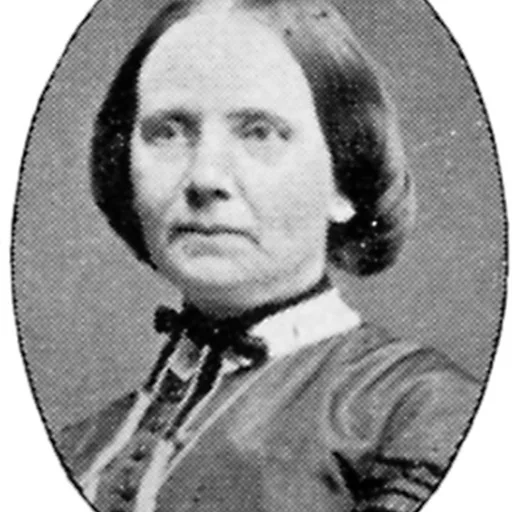
Amalia Euphrosyne Lindegren (22 May 1814 – 27 December 1891) was a Swedish artist and painter. She was a member of the Royal Swedish Academy of Arts (1856).

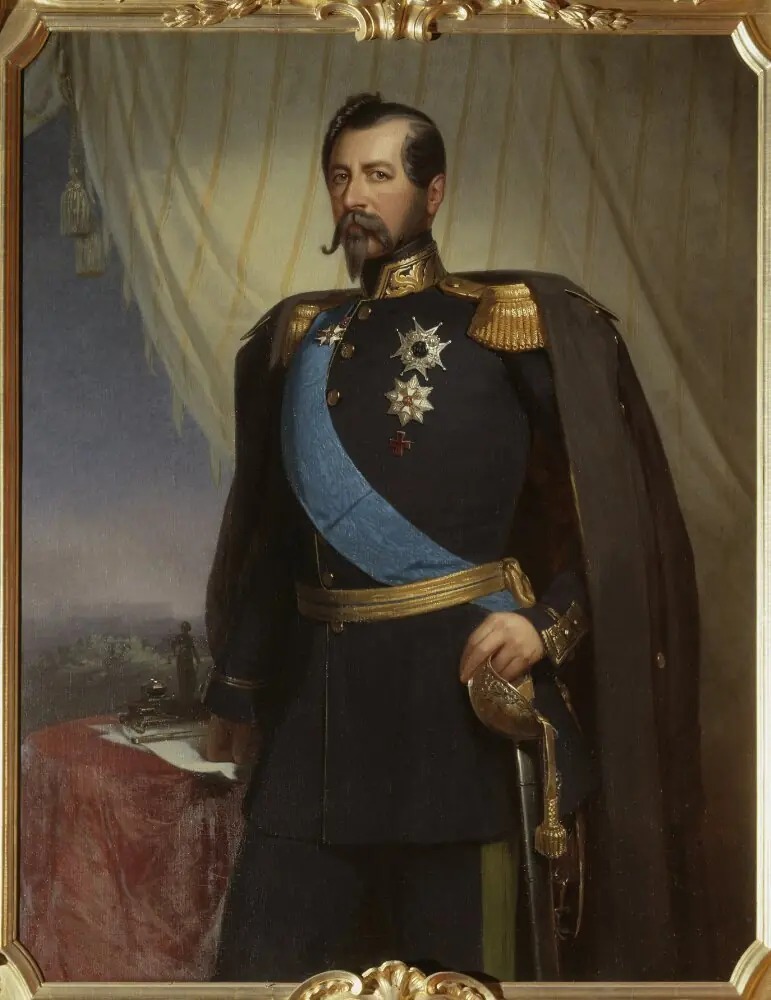 Oskar I, 1799-1859, konung av Sverige och Norge
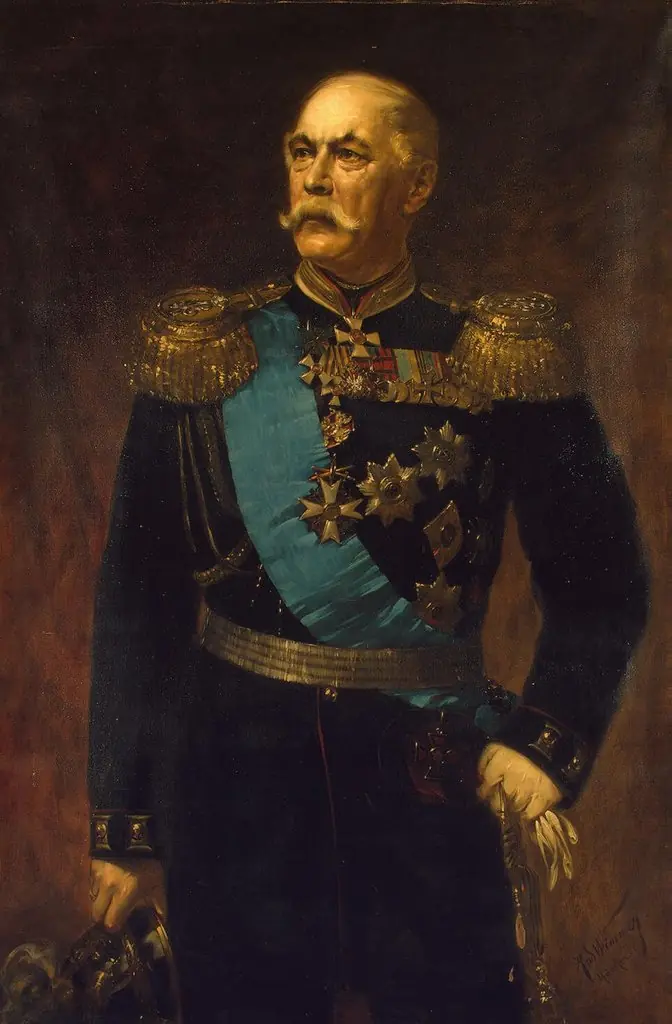 Portrait of Eduard I. Totleben
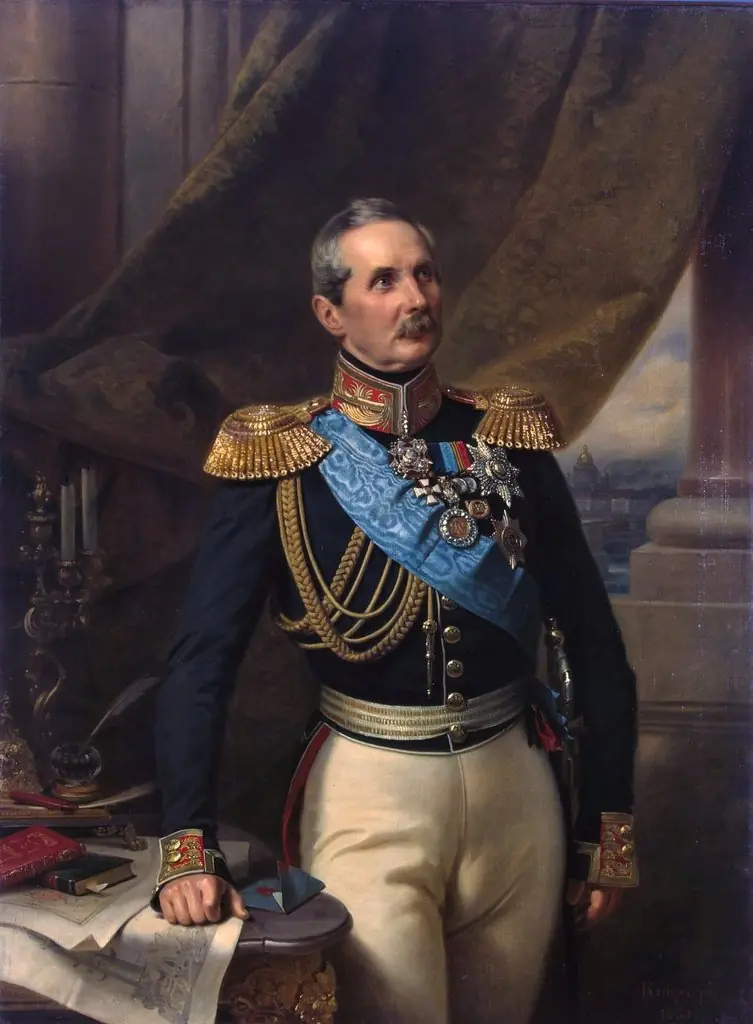 Portrait of Pyotr Kleinmichel
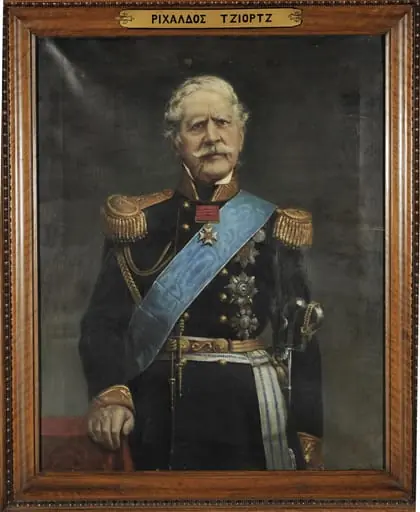 Προσωπογραφία του Ριχάρδου Τσωρτς
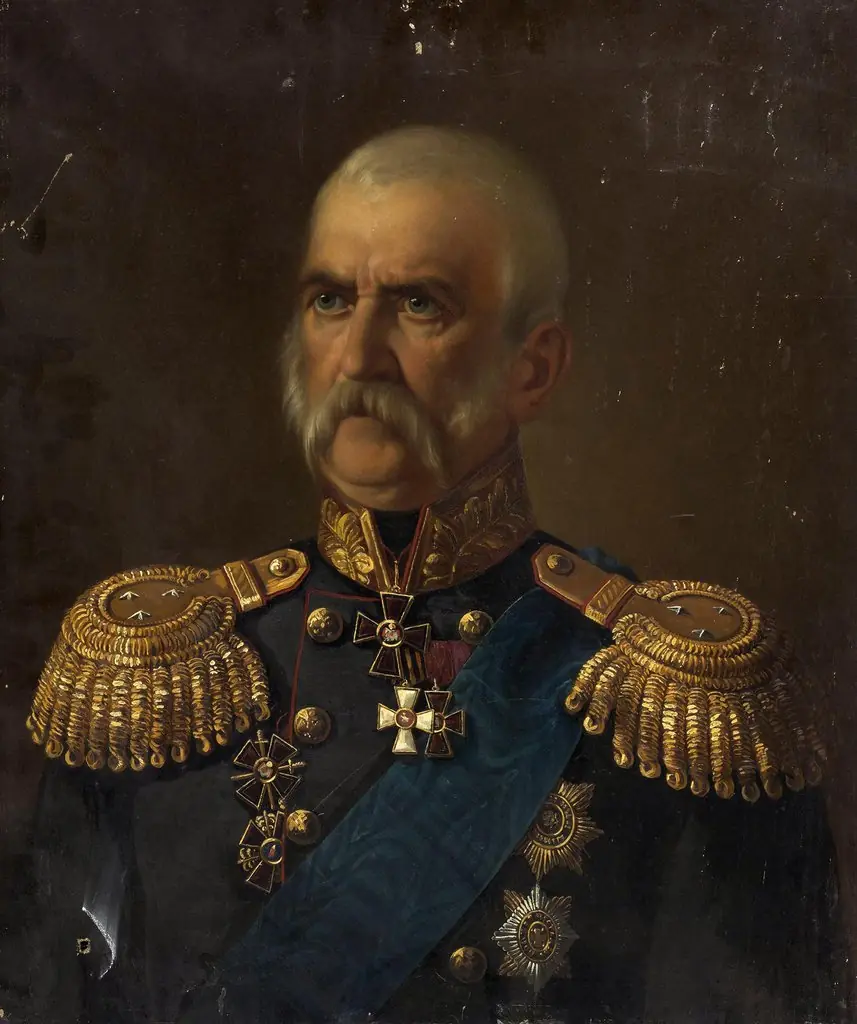 Portrait D.B. Bronevskogo
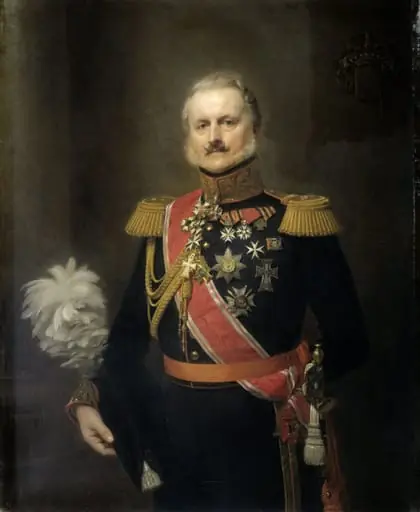 Antonie Frederick Jan Floris Jacob Baron van Omphal (1788-1863), Lieutenant General
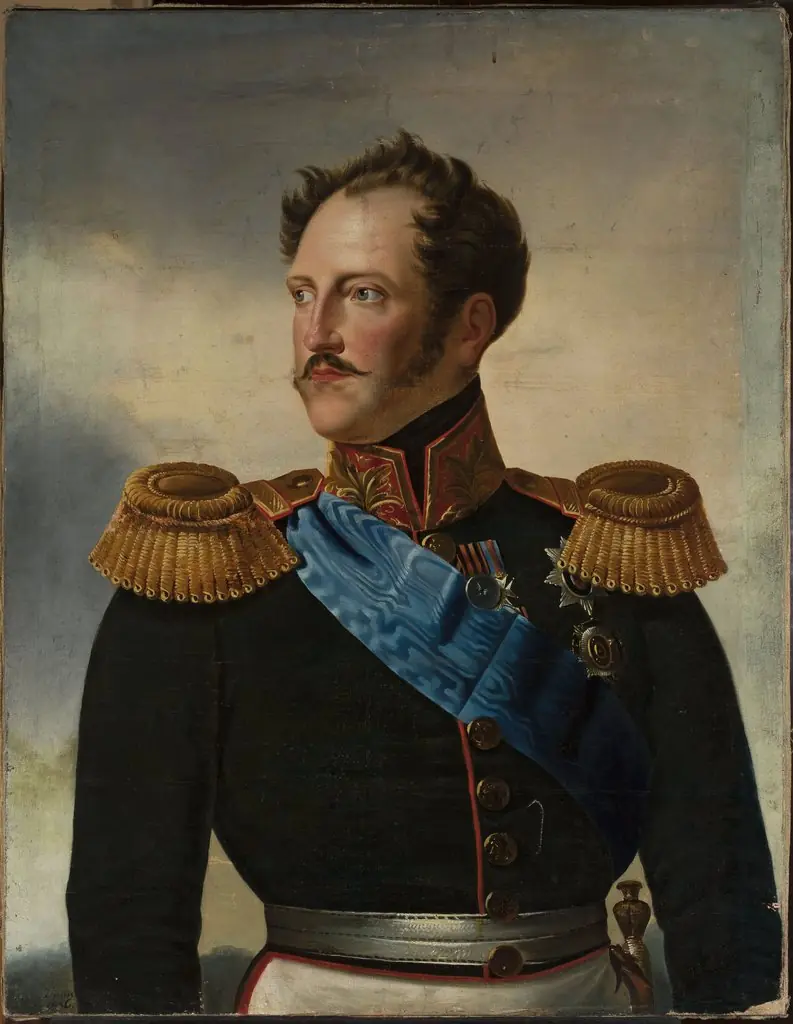 Portrait of Tsar Nicholas I
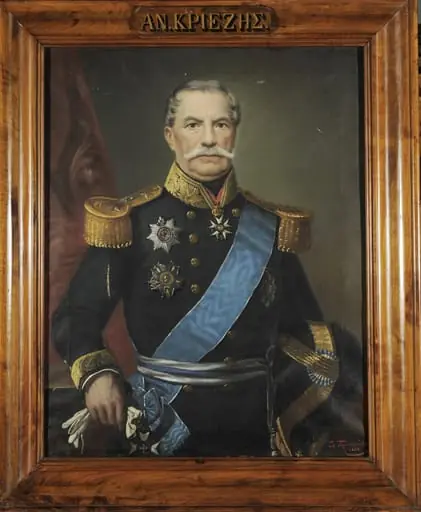 Προσωπογραφία του Αντωνίου Κριέζη
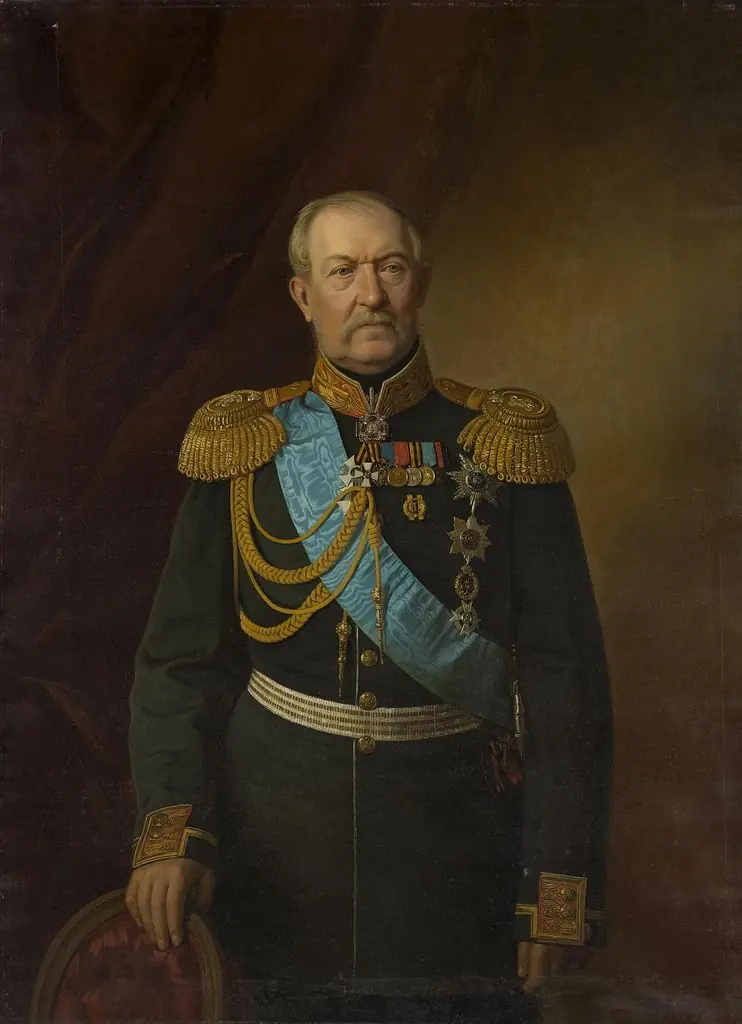 Portrait of Pavel Ignatyev
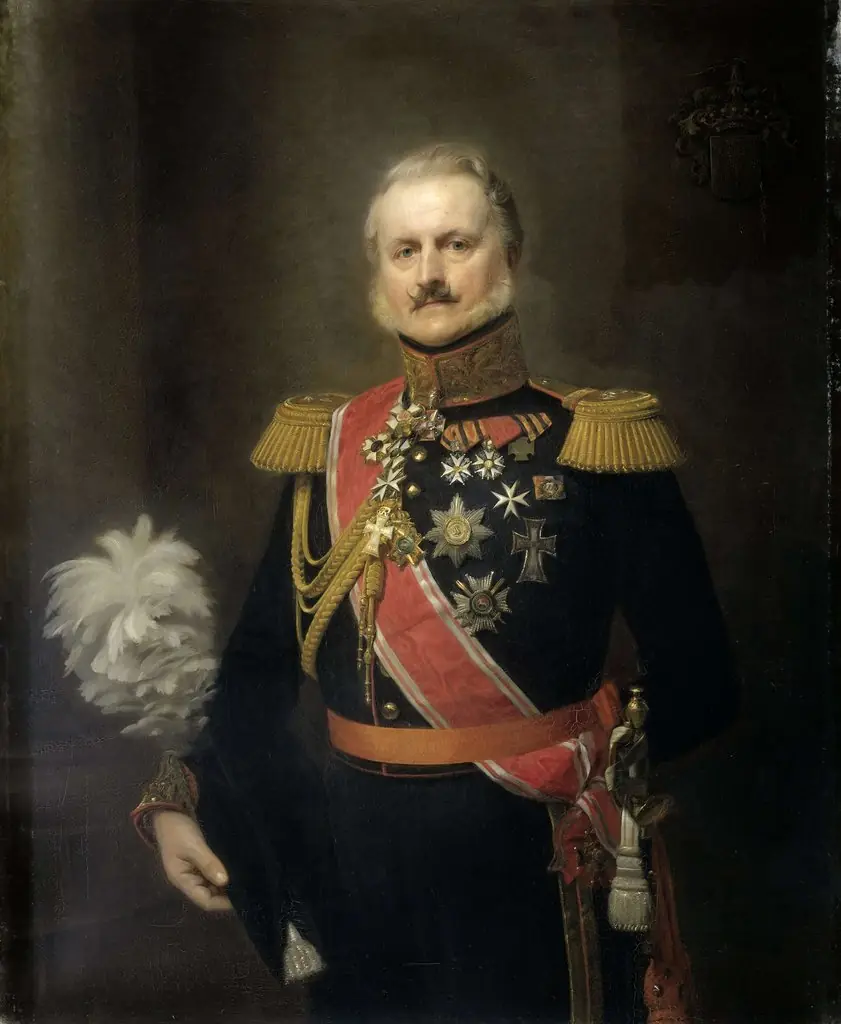 Portrait of Antonie Frederick Jan Floris Jacob Baron van Omphal (1788-1863), luitenant-generaal
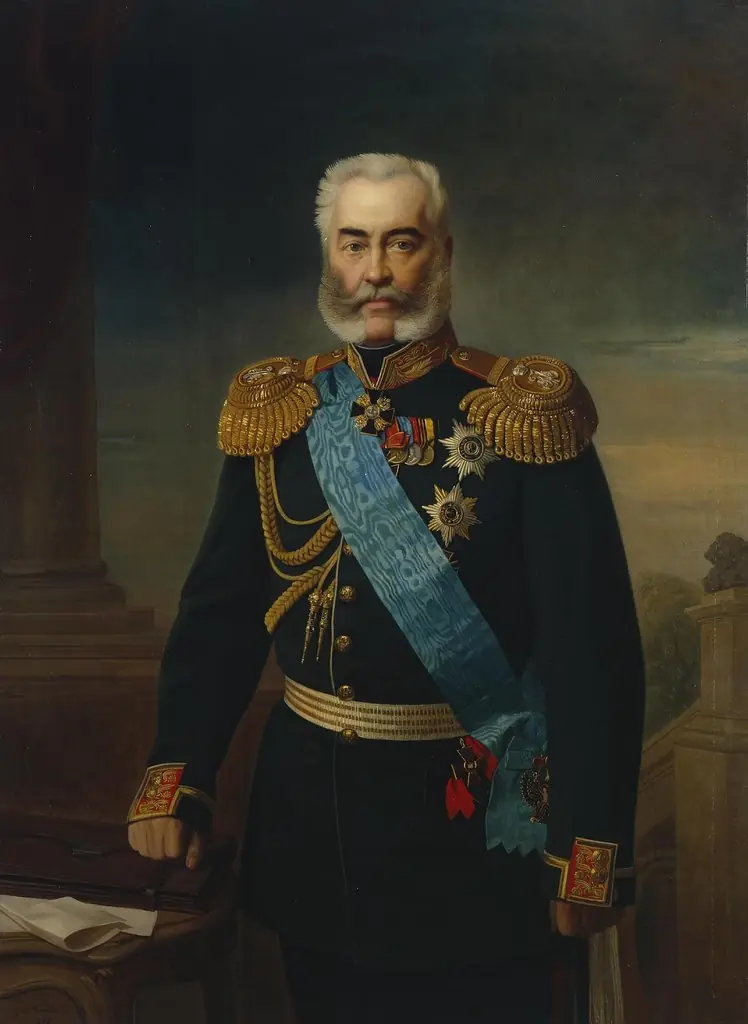 Portrait of Count A.V. Adlerberg II
 Portrait of Pavel Kiselyov