Artwork
The sending forth of Paul and Barnabas (Acts 13:2)
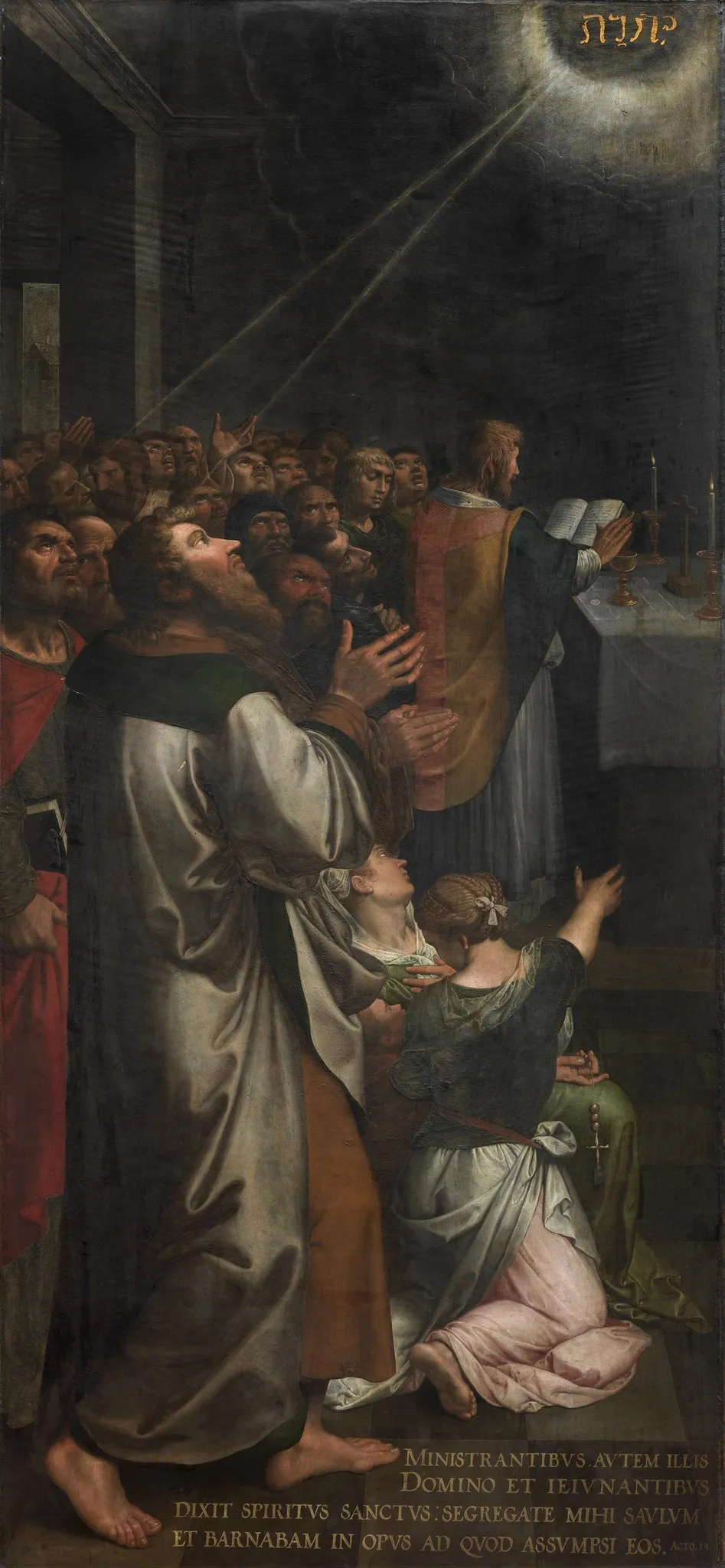
The sending forth of Paul and Barnabas (Acts 13:2) is an oil painting by the Early Baroque Italian artist Ambrosius Francken I. It dates from 1598 and is held in the collection of the Royal Museum of Fine Arts Antwerp.
About this work
Overview
Painted in 1598 by Ambrosius Francken I, this oil-on-canvas work illustrates the biblical moment from Acts 13:2 when the Holy Spirit calls Paul and Barnabas to missionary service. Francken, a Flemish artist from a prominent artistic lineage, rendered the scene with solemnity and structural clarity, aligning with the transitional aesthetic between Mannerism and early Baroque. The painting resides in the Royal Museum of Fine Arts Antwerp, where it reflects the religious devotion characteristic of Counter-Reformation art in the Southern Netherlands.
Subject & Meaning
The surrounding figures, dressed in flowing robes, listen with quiet intensity, conveying spiritual authority and communal consent.
The scene centers on Paul, standing at a table with hands raised in blessing, as he is commissioned by a group of elders. A book lies open before him, symbolizing divine instruction. The surrounding figures, dressed in flowing robes, listen with quiet intensity, conveying spiritual authority and communal consent. The moment captures the institutional recognition of apostolic mission, emphasizing divine guidance over human initiative, a theme resonant in post-Reformation theological discourse.
Technique & Style
Francken employs chiaroscuro to model forms and direct attention toward the central figure, with light falling from the upper left to illuminate Paul and the table. The figures are arranged in a compact, hierarchical group, their gestures restrained yet expressive. Drapery is rendered with crisp folds, and the high, shadowed ceiling enhances the sense of sacred enclosure. The composition avoids theatricality, favoring controlled emotion and spatial depth over Mannerist exaggeration.
History & Provenance
Commissioned during a period of renewed religious patronage in Antwerp, the painting entered the collection of the Royal Museum of Fine Arts Antwerp in the 19th century. It has remained in institutional hands since, with no documented private ownership in the intervening centuries. Its preservation reflects the museum’s longstanding commitment to Flemish religious art from the late Renaissance and early Baroque eras.
Context
Created amid the Catholic Church’s efforts to reaffirm doctrinal authority after the Protestant Reformation, the painting aligns with Counter-Reformation ideals that emphasized clerical legitimacy and scriptural fidelity. Francken’s approach, rooted in Flemish tradition yet influenced by Italian compositional principles, mirrors the broader cultural exchange between Northern and Southern Europe during this period of religious realignment.
Legacy
Though not widely reproduced, the work exemplifies Francken’s role in sustaining religious narrative painting in Antwerp during a time of artistic transition. His restrained use of light and focus on spiritual gravity influenced later Flemish painters who sought to balance emotional resonance with doctrinal clarity, contributing to the regional evolution of Baroque sacred art.
Artist & collection
Artist
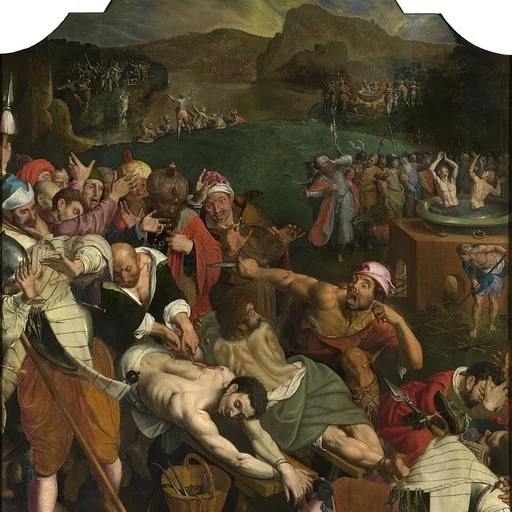
Ambrosius Francken I (1544/45–October 1618) was a Flemish painter known for his religious works and historical allegories painted in a late Mannerist style.

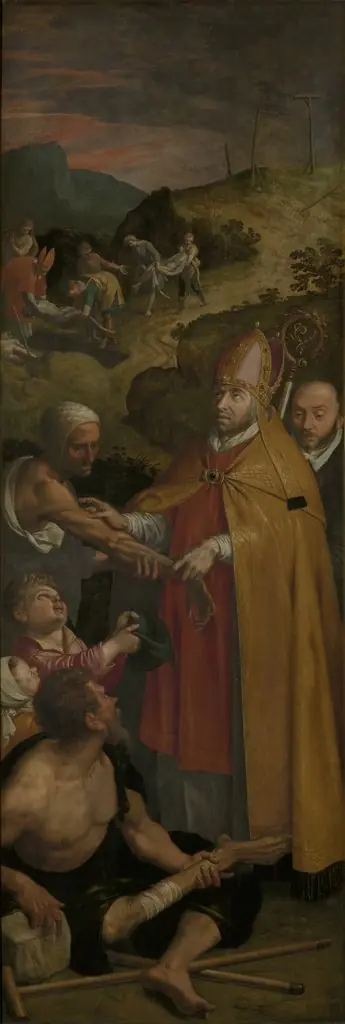
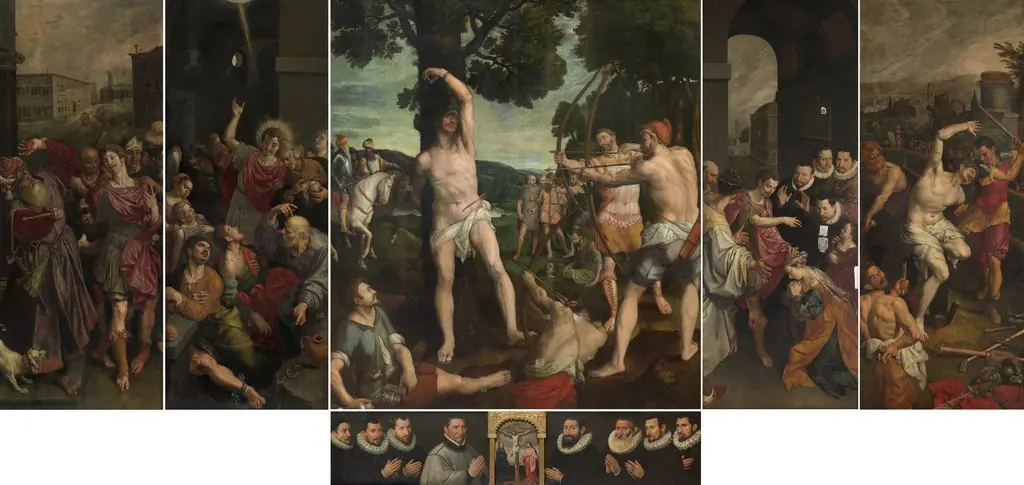
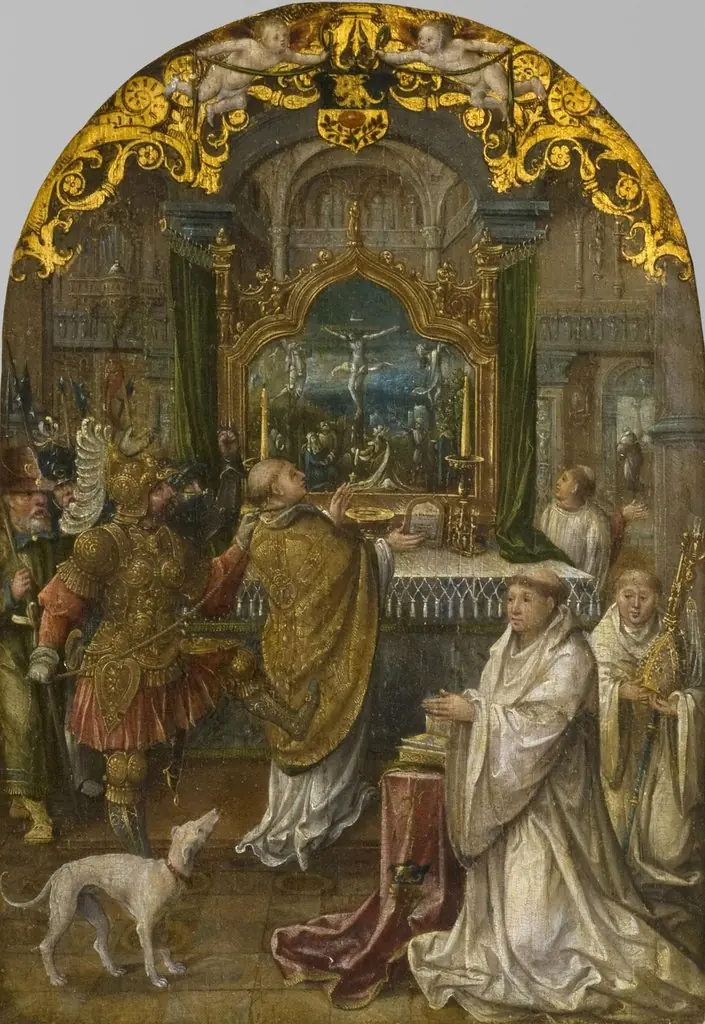 The Seizing of Saint Mark
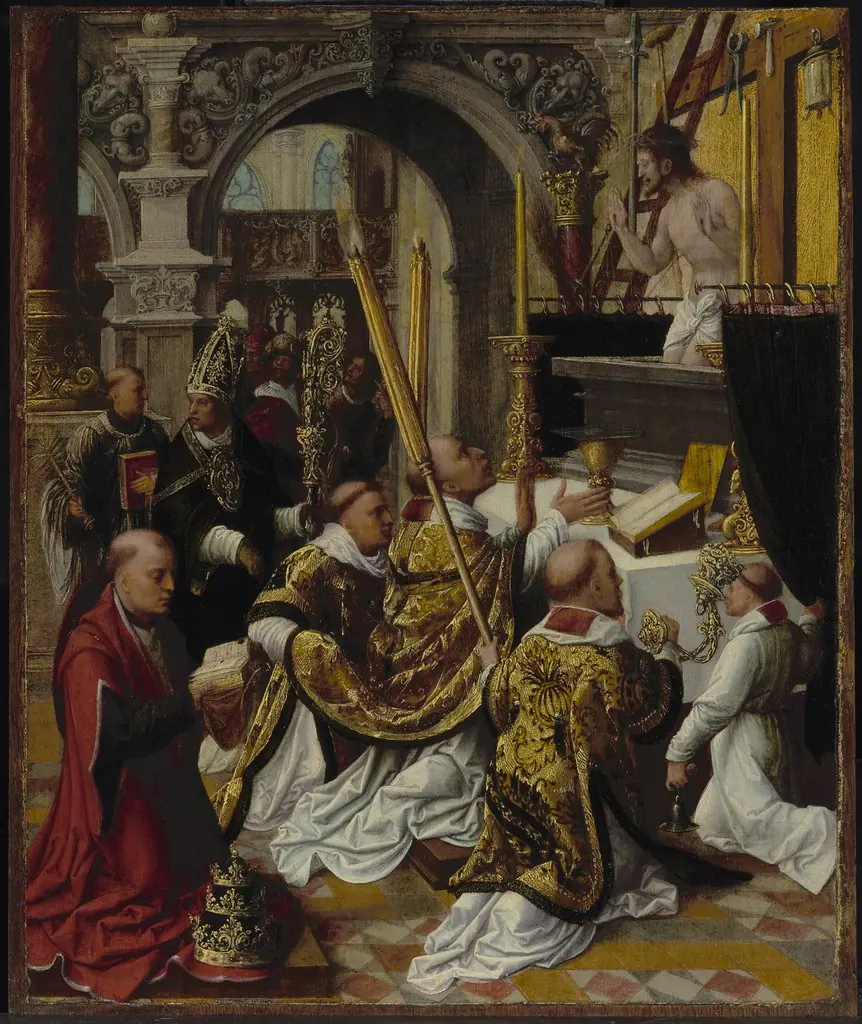 The Mass of Saint Gregory the Great
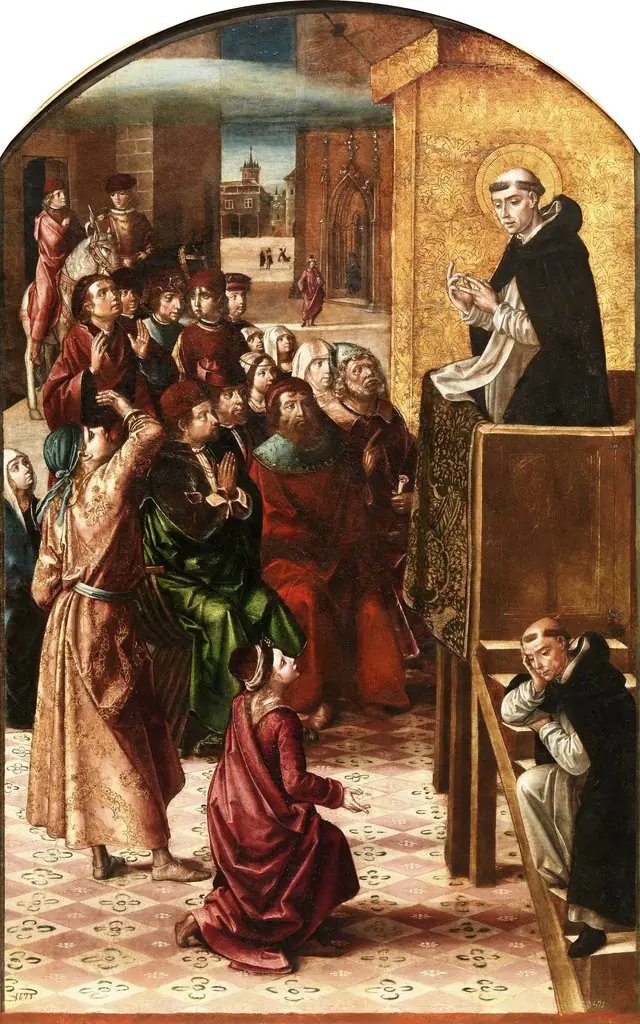 The Miracle of the Cloud
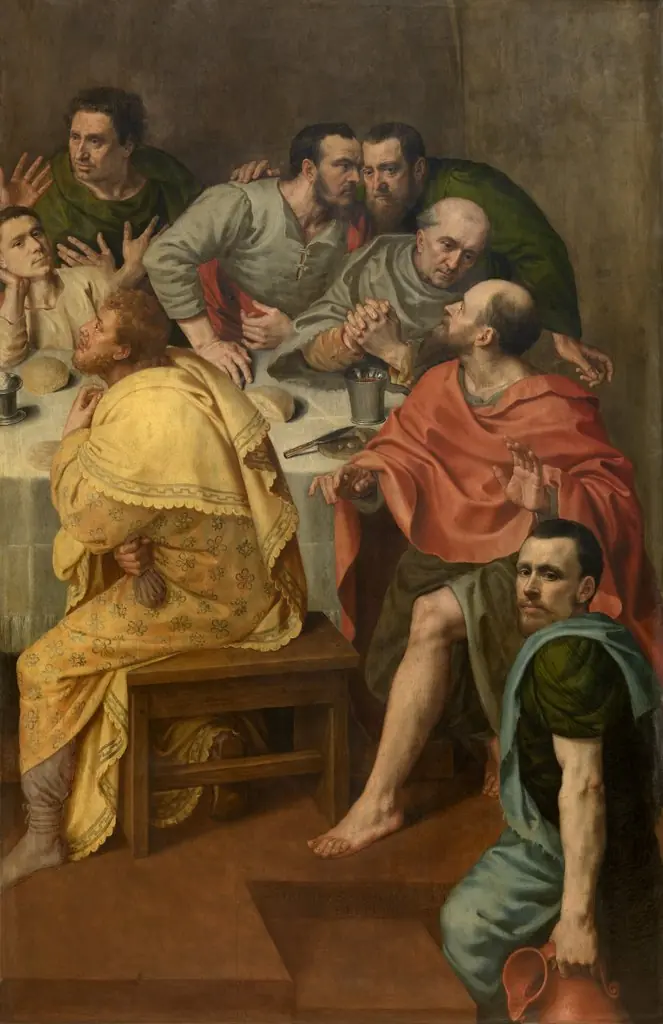 The Last Supper
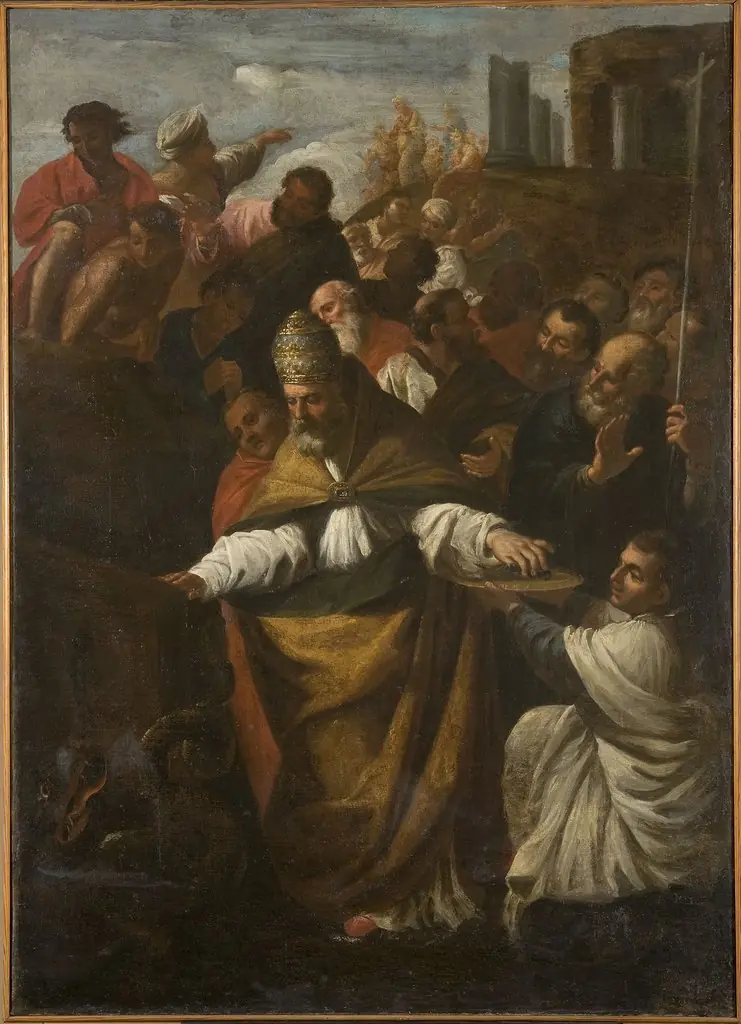 Miracle of the Church
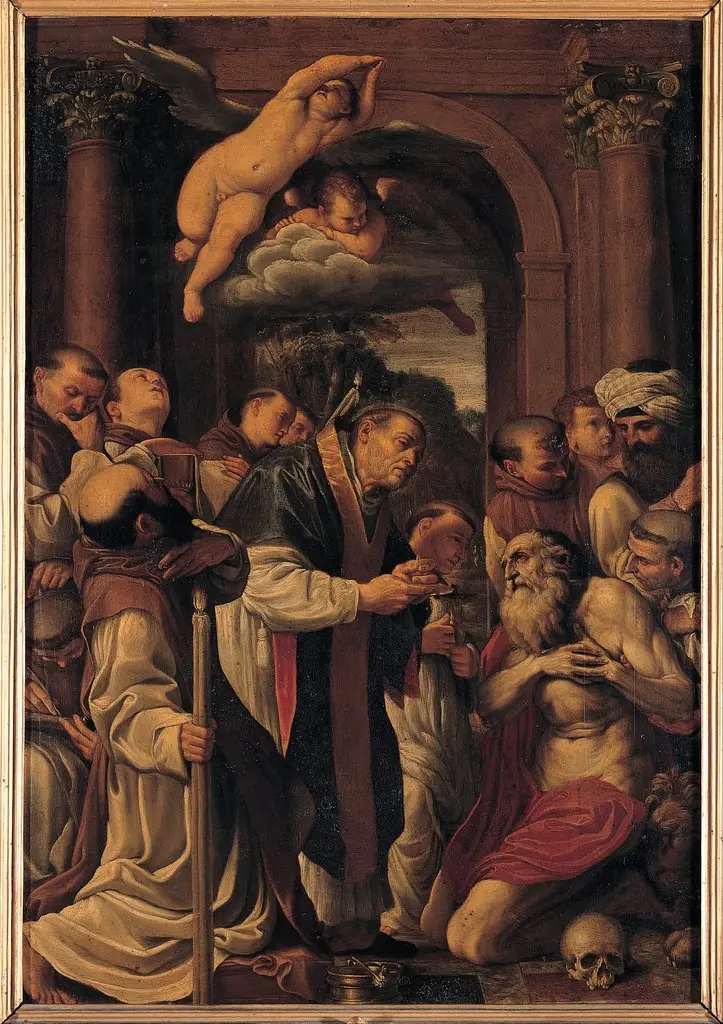 Communion of St. Jerome
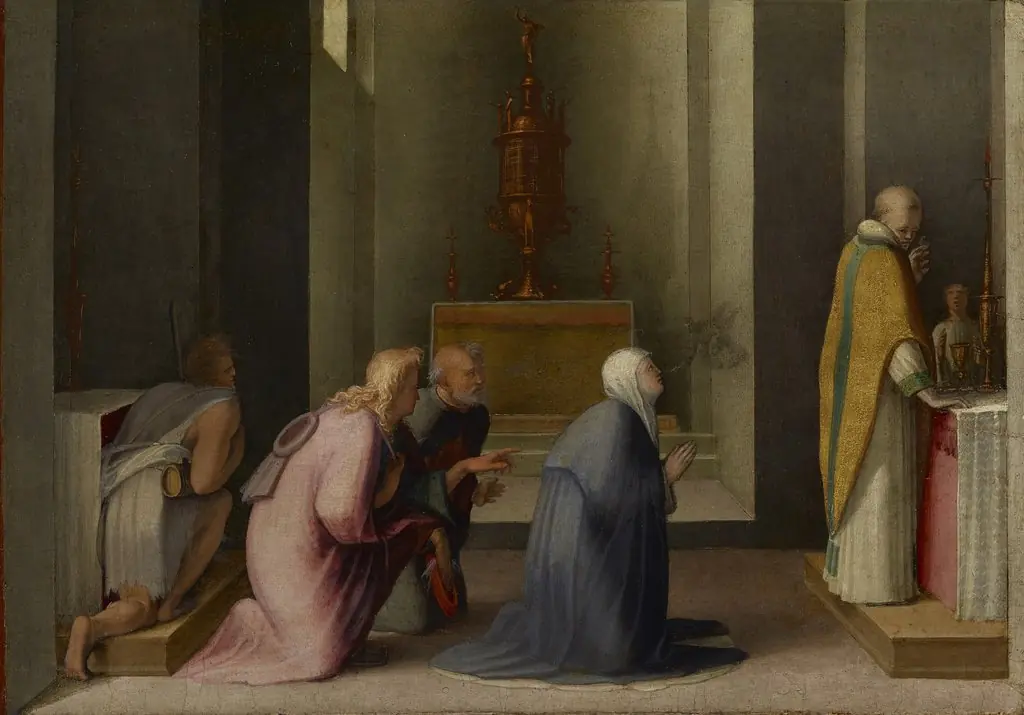 The Miraculous Communion of Saint Catherine of Siena
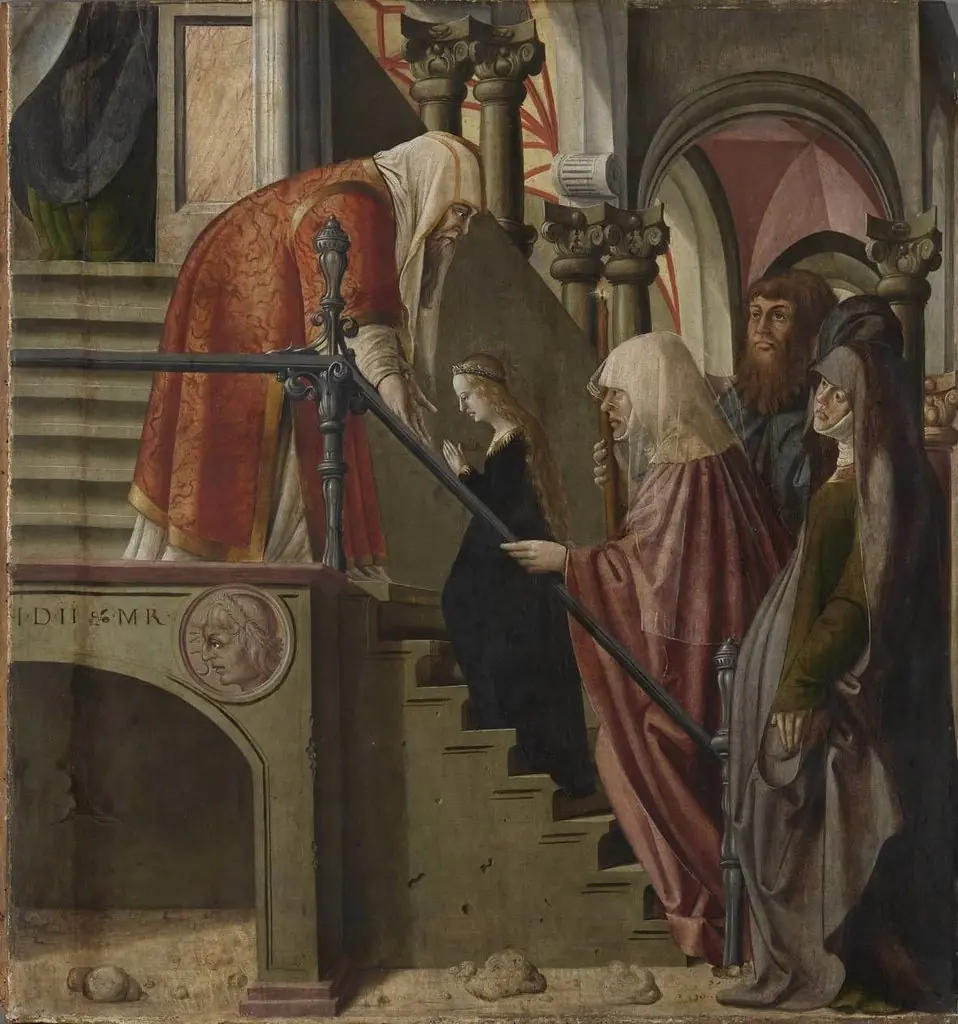 Marienaltar: Tempelgang Mariae
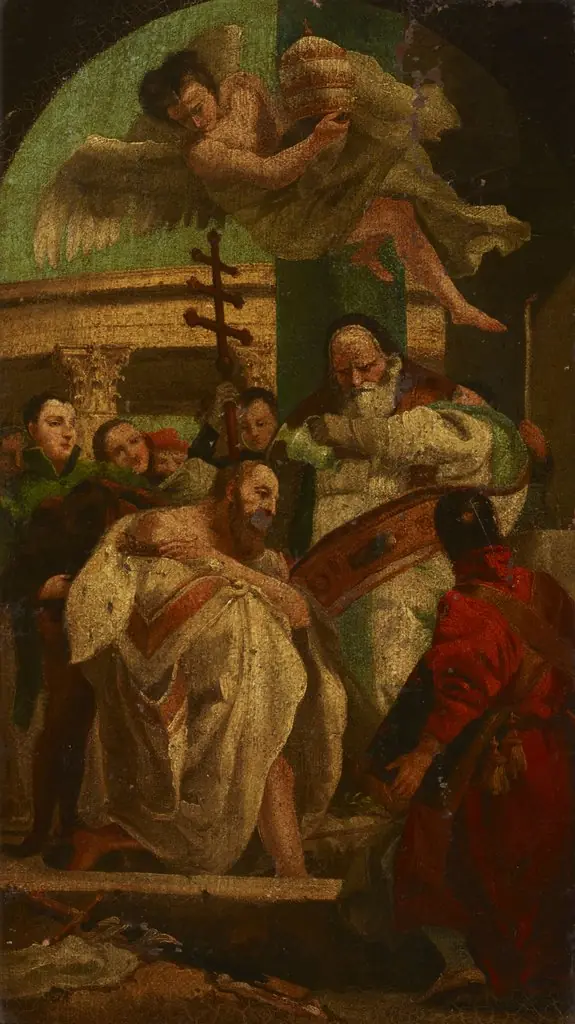 Baptism of King Chlodwig I (ca. 466–511)
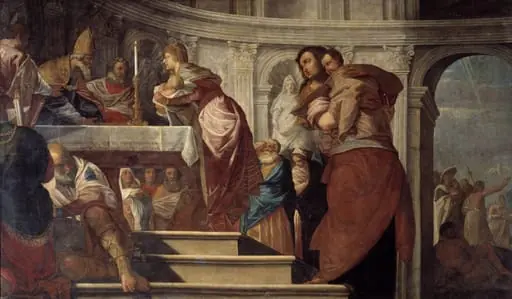 The Presentation of Christ in the Temple, and the Baptism of Christ