Artwork
Sitta europea
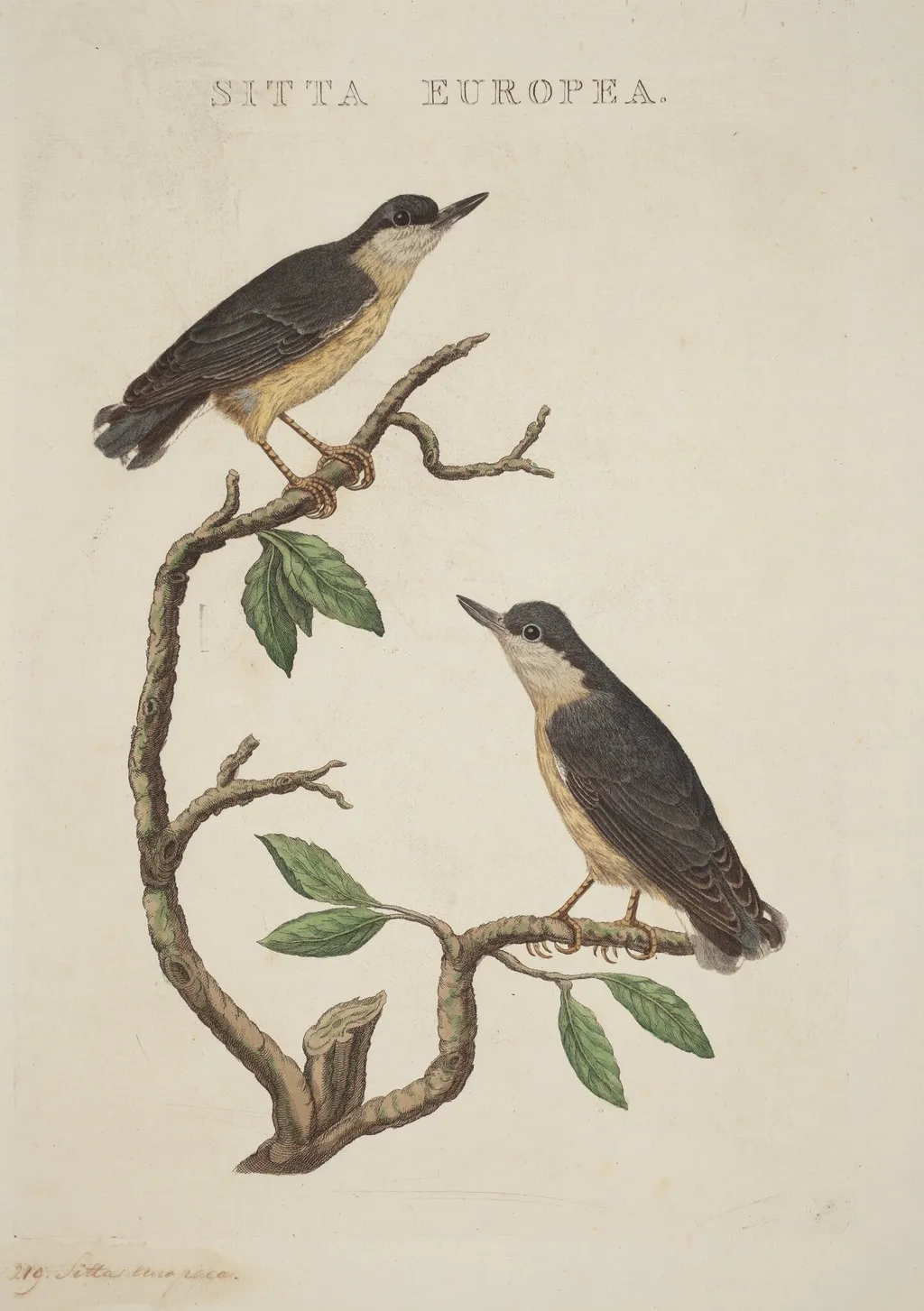
Sitta europea is an ink print by the Romanticist artist American 19th Century. It dates from 1850 and is held in the collection of the National Gallery of Art.
About this work
Overview
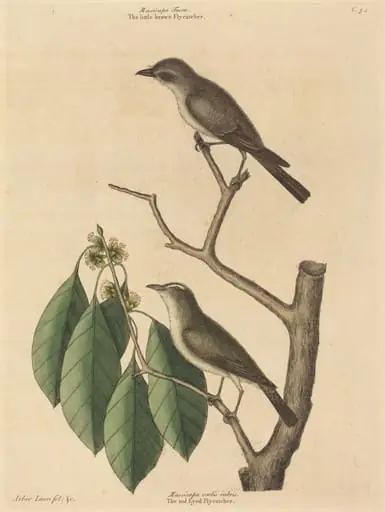
Sitta europea is a hand‑coloured etching executed on laid paper. The print presents two small birds perched on a gently curved branch, set against a light beige background. The composition balances the figures through opposite orientations: the upper bird looks left, the lower one right, creating a subtle sense of movement.
Subject & Meaning
The work depicts the Eurasian nuthatch, a bird known for its habit of climbing head‑first down tree trunks. By showing the birds in profile on a branch adorned with green leaves and twigs, the image emphasizes natural observation and the quiet intimacy of a woodland scene.
Technique & Style
After printing on laid paper, the image was hand‑coloured, adding muted greys to the backs and wings, white to the chests, and light brown to the bellies.
The artist employed traditional etching methods, incising fine lines into a copper plate to render the delicate feather texture and foliage. After printing on laid paper, the image was hand‑coloured, adding muted greys to the backs and wings, white to the chests, and light brown to the bellies. The careful shading and line work reflect the detailed realism associated with Romantic naturalist illustration.
History & Provenance
Created during the Romantic period, the print aligns with the era’s interest in accurate depictions of flora and fauna. While specific details of its original exhibition or ownership are not recorded, hand‑coloured etchings of this type were commonly circulated among collectors and natural history enthusiasts in the 19th century.
Artist & collection

Artist
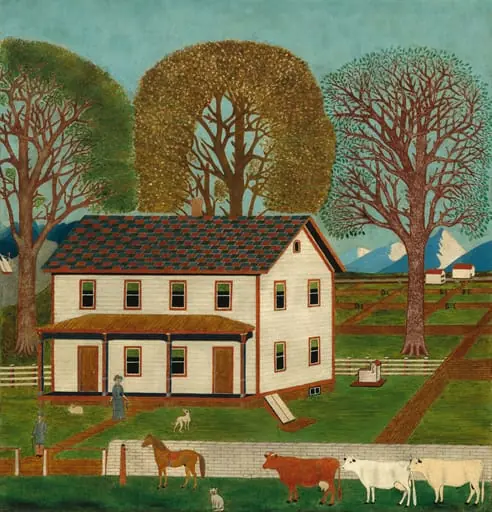
This artist painted everyday American life in the 1800s. Look at *Farmhouse in Mahantango Valley*—a quiet, sunlit scene of rural Pennsylvania. *Boy and Girl* shows two children standing close, their faces turned toward…



 The Little Brown Flycatcher
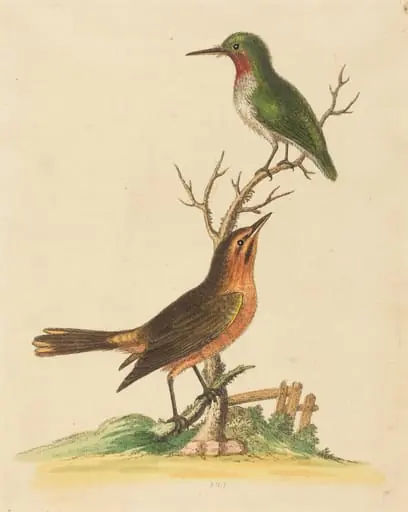 Green Bird with Red Throat and Brown and Orange Bird
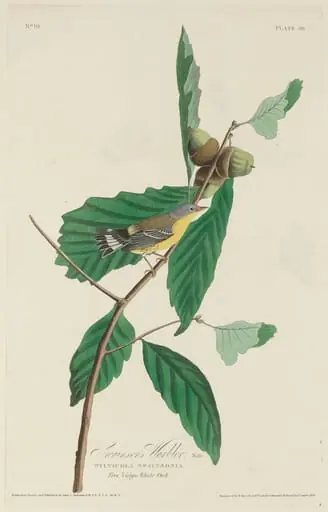 Swainson's Warbler
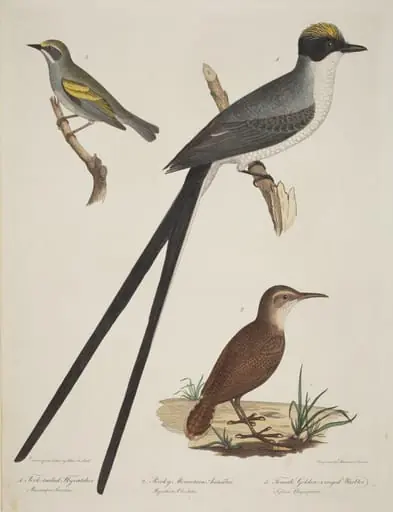 Fork-tailed Flycatcher, Rocky Mountain Anteater, and Female Golden-winged Warbler
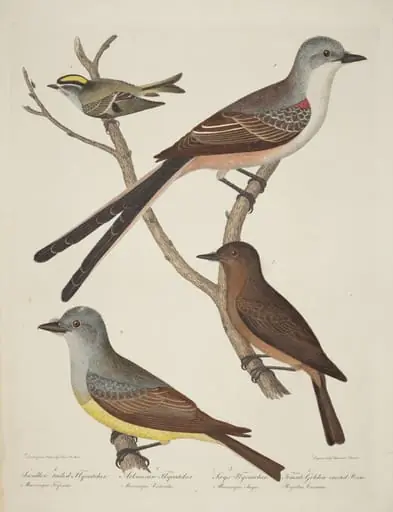 Swallow-tailed Flycatcher, Arkansas Flycatcher, Say's Flycatcher, and Female Golden-crested Wren
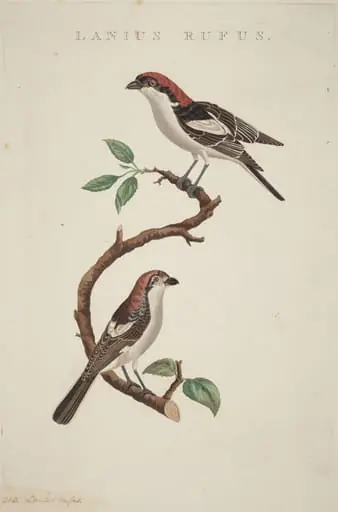 Lanius rufus
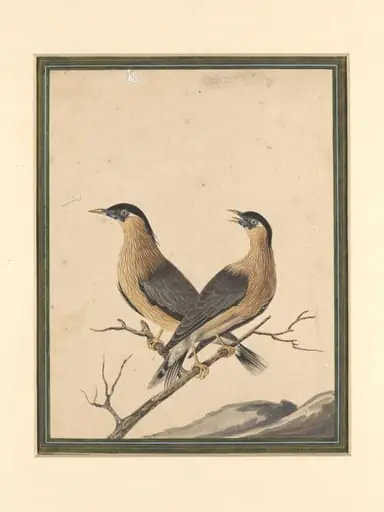 Two birds on a branch
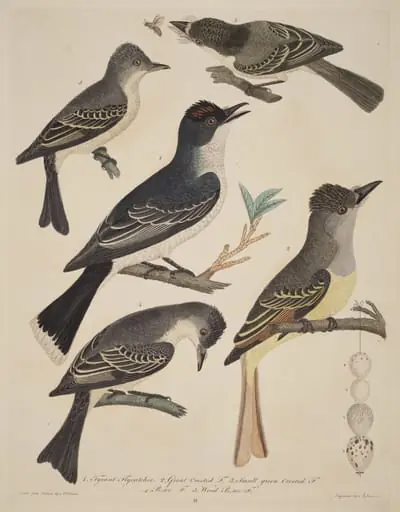 Five Birds with Their Eggs and an Insect
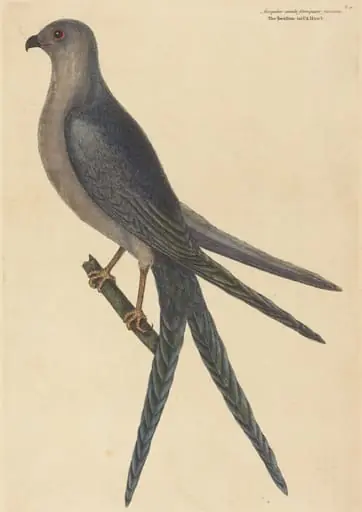 The Swallow Tail Hawk (Falco furcatus)
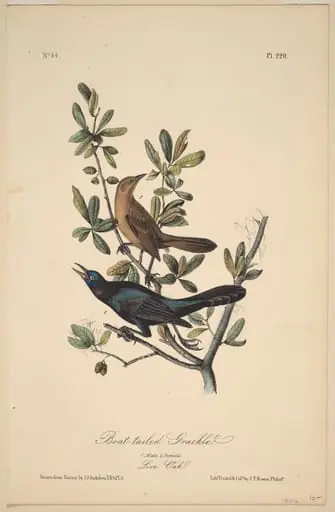 Boat-Tailed Grackle
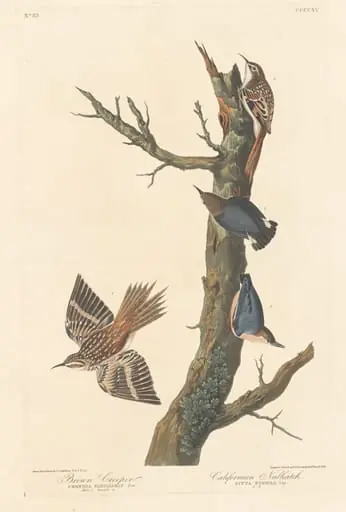 Brown Creeper and Californian Nuthatch
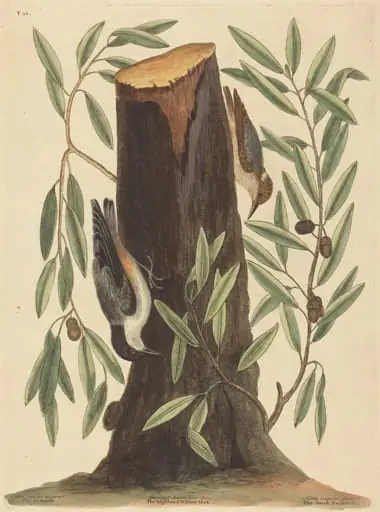 The Nuthatch (Sitta Europaea)