Artwork
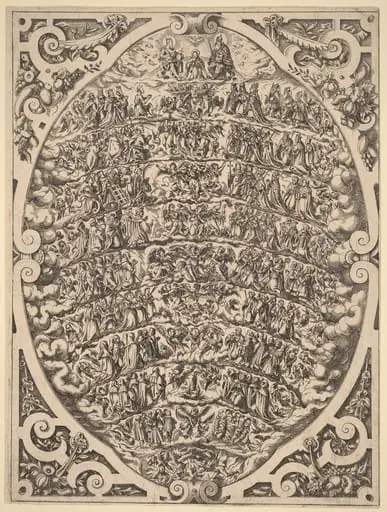
The Hierarchy of the Heavens
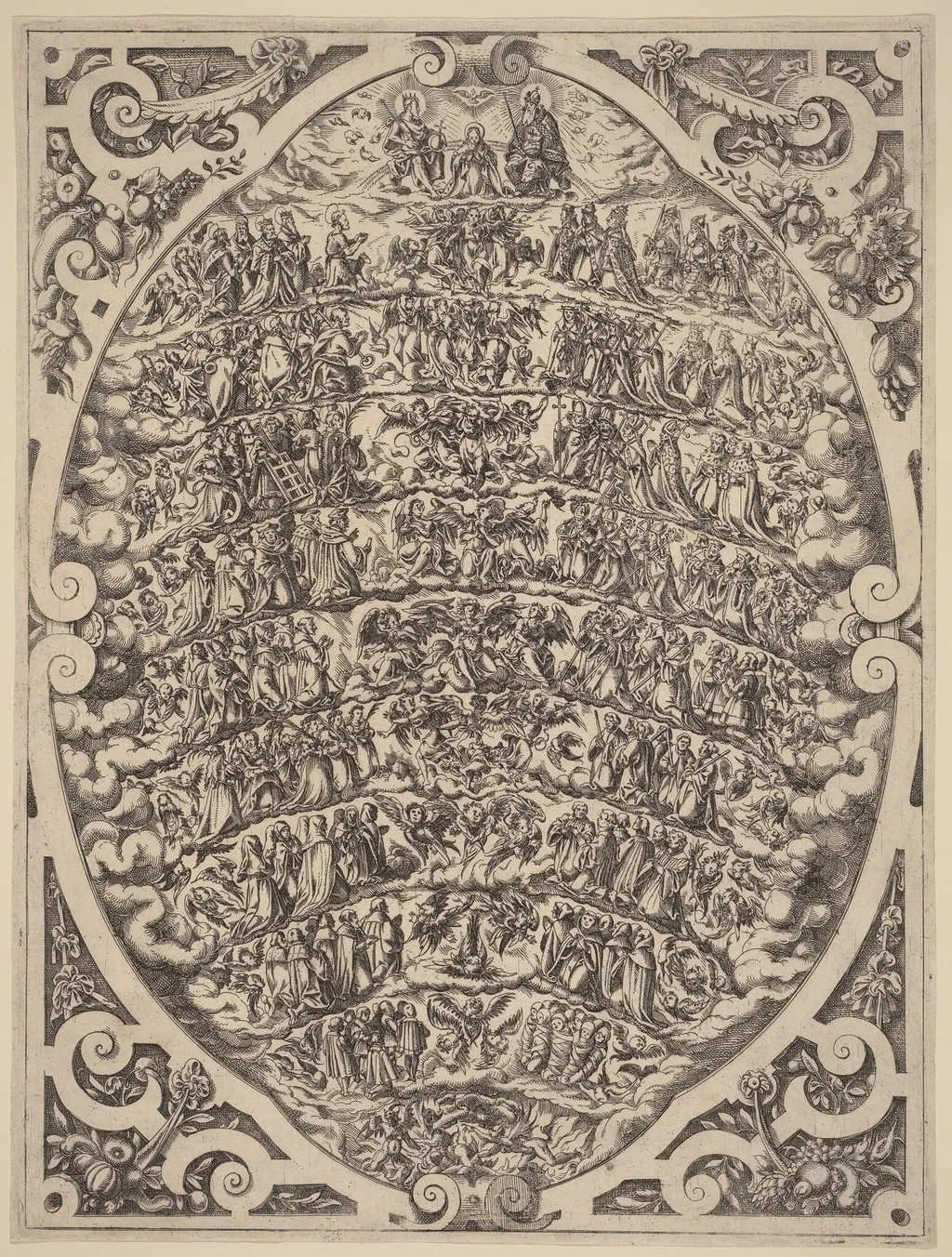
The Hierarchy of the Heavens is a print by the Renaissance artist Jost Amman. It dates from 1565 and is held in the collection of the National Gallery of Art.
About this work
Overview
Created in 1565 by Jost Amman, this woodcut depicts a complex, circular composition that merges celestial and terrestrial realms. Dense with minutely rendered figures and ornamental borders, the print conveys a structured vision of cosmic order through visual overload. Its compact format belies the intricacy of its symbolism, inviting close examination rather than distant observation.
Subject & Meaning
The juxtaposition implies a hierarchy where earthly effort mirrors heavenly design, reflecting Renaissance ideas of cosmic harmony.
The image organizes spiritual and human realms into concentric layers: divine light radiates from above, attended by angels, while below, figures ascend or cluster in varied postures, suggesting souls striving toward grace. Numbers along the frame may indicate theological categories or ranks. The juxtaposition implies a hierarchy where earthly effort mirrors heavenly design, reflecting Renaissance ideas of cosmic harmony.
Technique & Style
Executed as a detailed woodcut, the print employs fine, interwoven lines to render hundreds of tiny figures and decorative scrollwork. Amman’s precision in carving allows for dense patterning without visual collapse, a hallmark of Northern Renaissance printmaking. The lack of perspective and flattened space enhances the symbolic, rather than naturalistic, intent of the composition.
History & Provenance
Produced during Amman’s time in Nuremberg, the print likely circulated among educated audiences interested in theological and cosmological themes. It appears in collections of emblematic prints from the mid-16th century, often grouped with moralizing or didactic imagery. No definitive early ownership records survive, but its survival in multiple institutional holdings suggests broad contemporary interest.
Context
This work aligns with Renaissance efforts to visualize abstract theological concepts through intricate imagery. Similar compositions appear in manuscripts and prints by artists like Albrecht Dürer, who used crowded scenes to convey spiritual narratives. Amman’s print reflects the period’s fascination with order, hierarchy, and the visible representation of invisible realms, common in Lutheran and humanist circles.
Legacy
Though not widely reproduced in later centuries, the print remains a notable example of Northern Renaissance emblematic art. Its influence is seen in later allegorical engravings that prioritize symbolic density over spatial realism. Scholars continue to study it as a case of how visual complexity was used to encode theological ideas for literate, non-clerical audiences.
Artist & collection


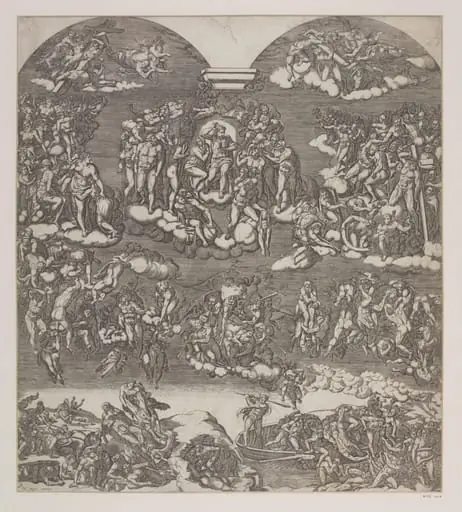 Last Judgment
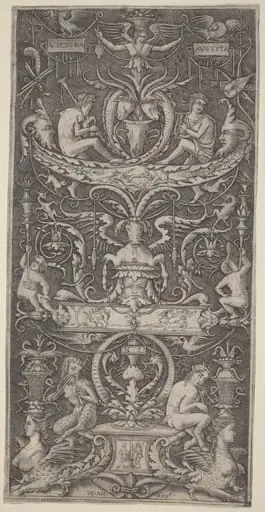 Ornamental Panel Inscribed "Victoria Augusta"
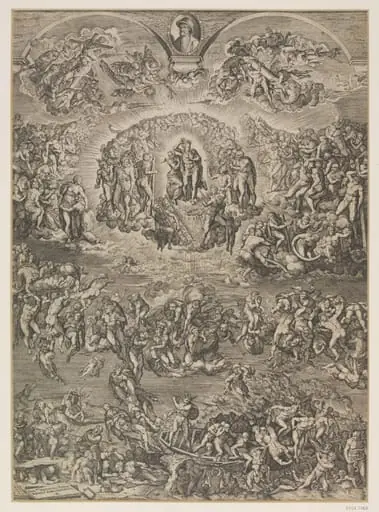 Last Judgment
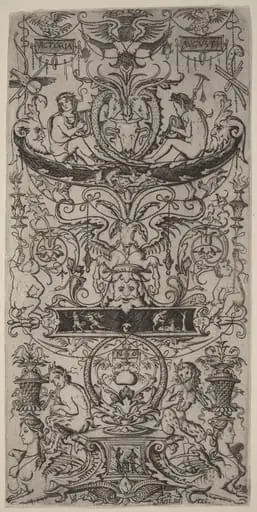 Ornament Panel: Victoria Augusta
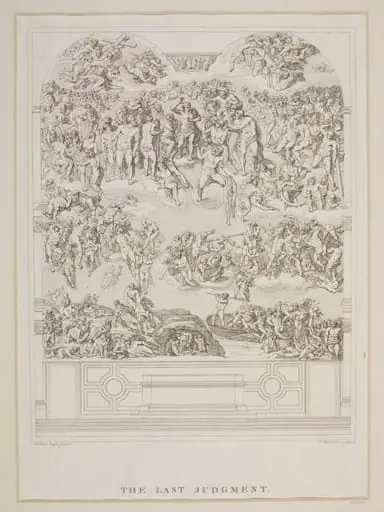 The Last Judgment
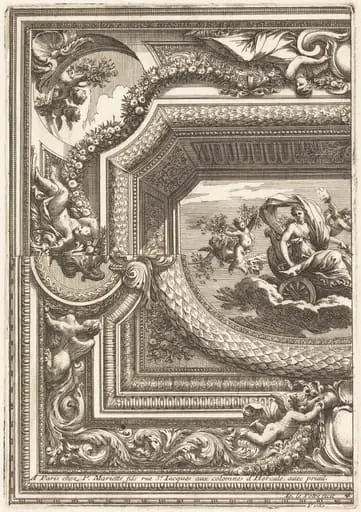 Quarts de plafons
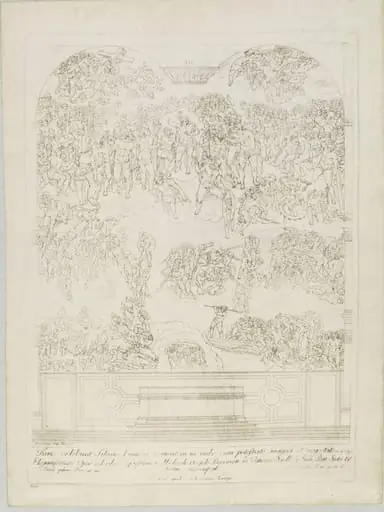 Last Judgment
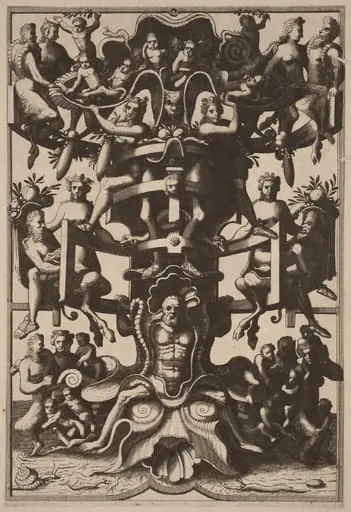 Man Sitting on an Auricular Mask, Supporting a Strapwork Frame on his Shoulders
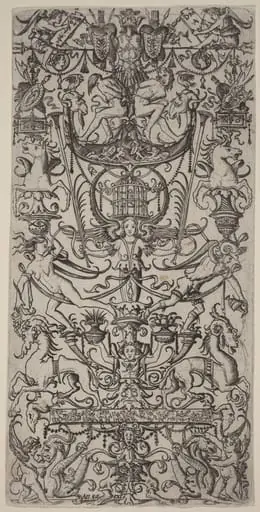 Ornament Panel with a Birdcage
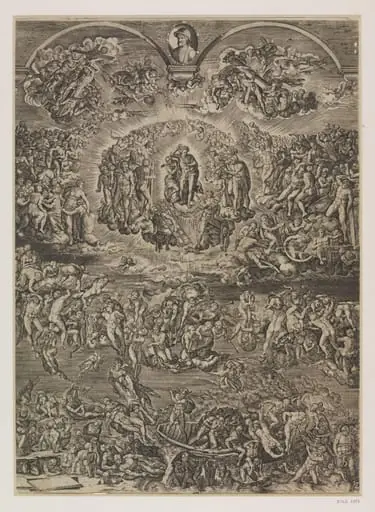 Last Judgement
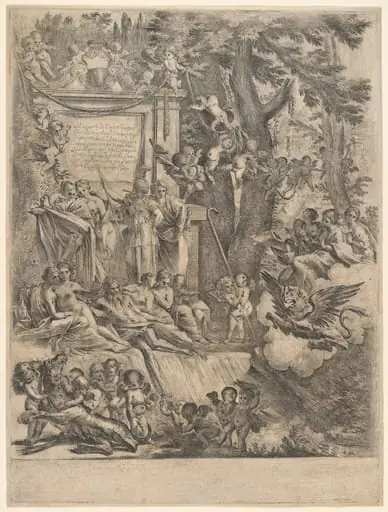 Allegory in Honor of the Arrival of Cardinal Franciotti as Bishop of Lucca