Artwork
The Crucifixion
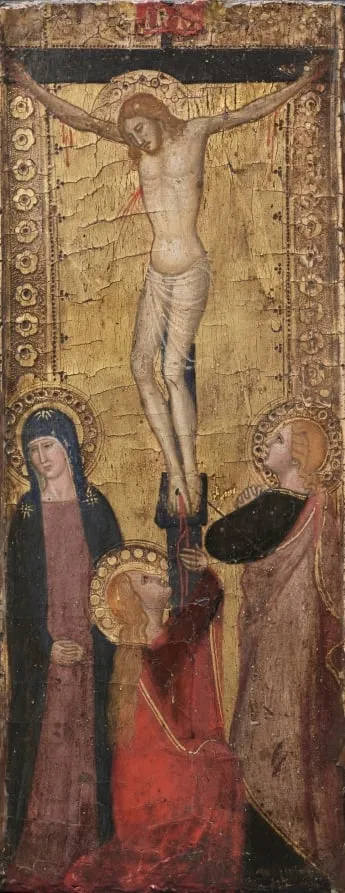
The Crucifixion is an unspecified painting by the Byzantine icon painting artist Andrea di Bonaiuto. It dates from 1364 and is held in the collection of the Cleveland Museum of Art. This small wooden panel likely formed part of a private devotional altarpiece, intended for intimate prayer rather than public worship.
About this work
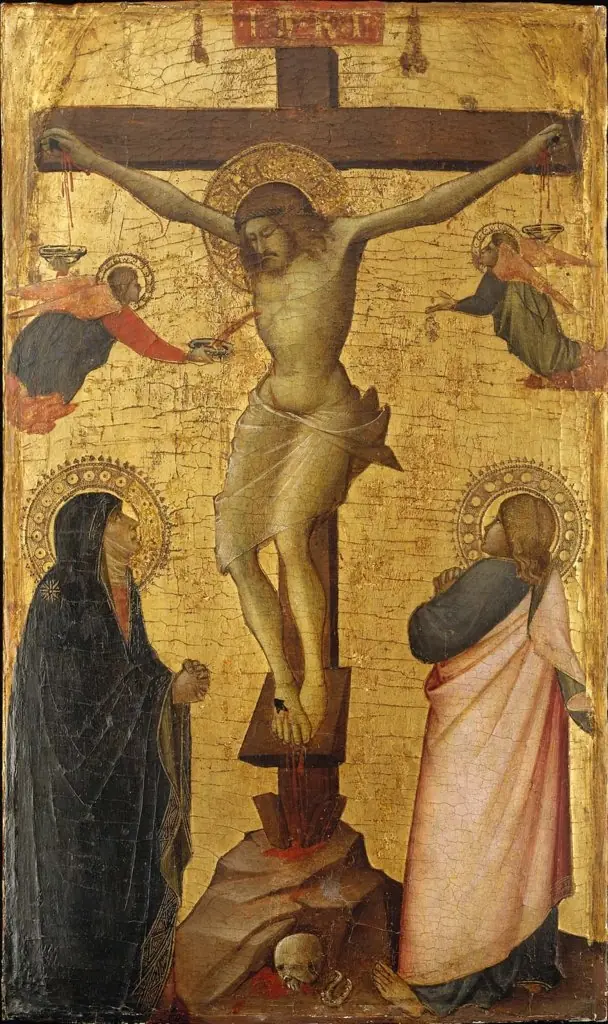
You see a tall wooden cross with Christ’s body, three mourning figures below, and a dark sky.
This was painted right after the Black Death swept through Italy. People were scared, grieving, and looking for meaning. The faces here aren’t calm—they’re raw, like the artist was painting real sorrow, not just a Bible story.
If you want more art from this time, look up *italy, florence, 14th century*.
Overview
This small wooden panel likely formed part of a private devotional altarpiece, intended for intimate prayer rather than public worship.
This small wooden panel likely formed part of a private devotional altarpiece, intended for intimate prayer rather than public worship. Created in the decades following the Black Death, it reflects a period of widespread loss and spiritual searching in central Italy. The artist, active in both Florence and Siena, worked within a tradition that emphasized emotional immediacy in religious imagery during a time of collective trauma.
Subject & Meaning
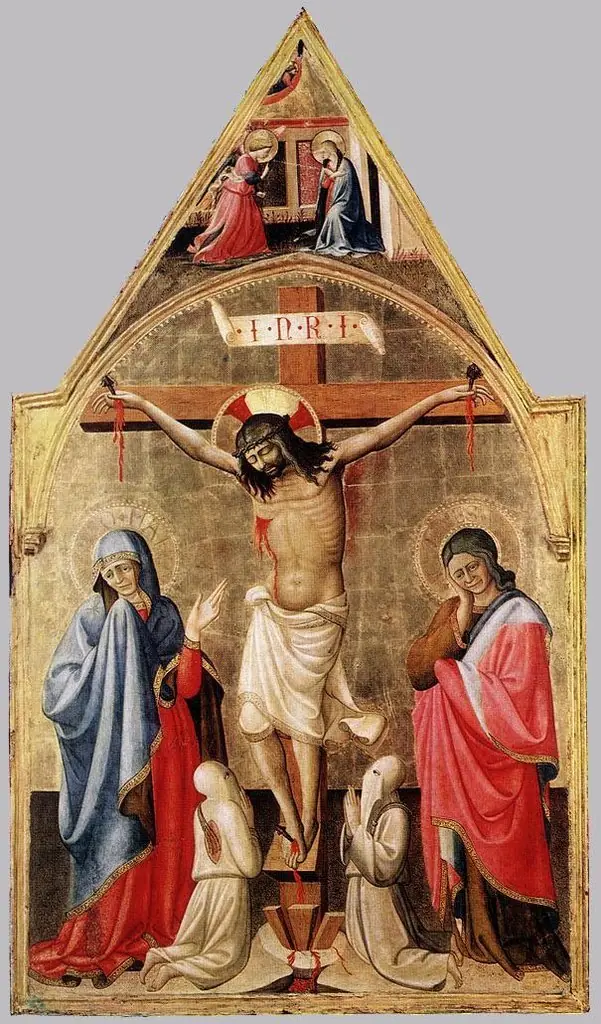
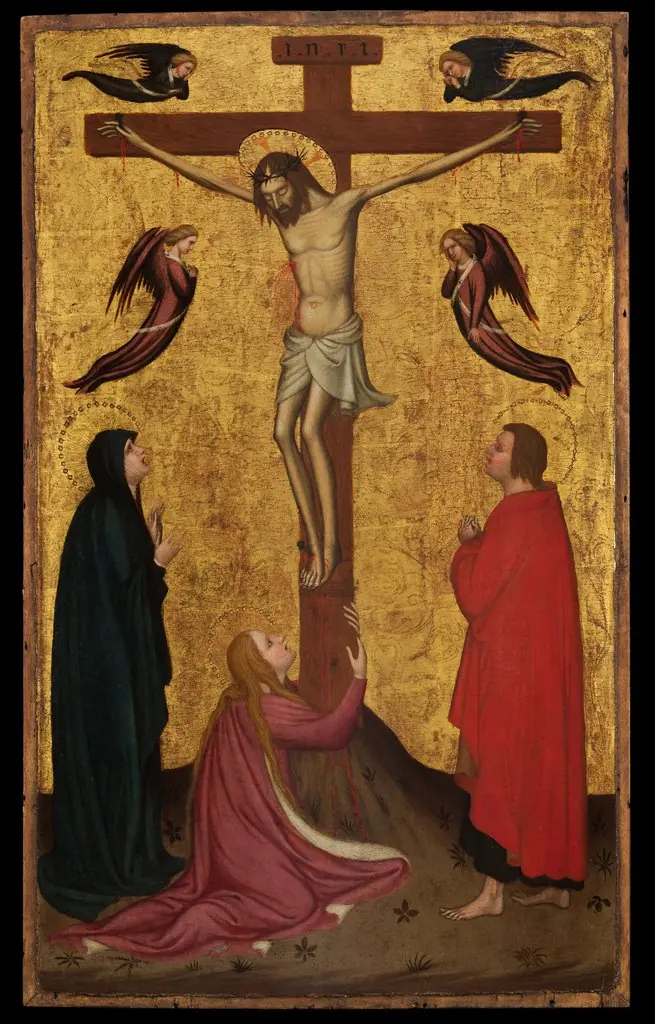
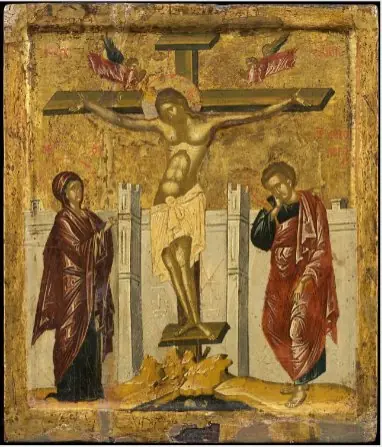
The scene depicts Christ on the cross, his body suspended before a somber sky, with three figures below expressing grief. Their expressions are unidealized—faces contorted with anguish, hands clasped in despair—suggesting a personal engagement with suffering. This was not merely a biblical illustration but a visual prayer, offering viewers a mirror to their own grief and a focus for seeking divine mercy amid devastation.
Technique & Style
The painting employs tempera on wood, with heightened emotional expression achieved through exaggerated facial features and fluid, tense lines. The figures’ postures and gestures convey visceral sorrow, diverging from earlier Byzantine rigidity. The dark, flat background intensifies the isolation of the crucified figure, while the limited palette—dominated by earth tones and muted reds—reinforces the gravity of the moment without decorative distraction.
History & Provenance
The panel’s origins trace to mid-14th-century Italy, likely commissioned by a private patron seeking spiritual solace after the plague’s devastation. Its small scale suggests domestic use, possibly in a chapel or bedroom. Though the artist’s name is unrecorded, stylistic links place him within the circle of Sienese and Florentine painters responding to the era’s psychological intensity, though its exact provenance before modern collection remains undocumented.
Context
Painted in the aftermath of the Black Death, which killed nearly half of Italy’s population, this work emerged from a society grappling with mortality, divine punishment, and the fragility of life. Religious art of the period increasingly turned inward, emphasizing personal suffering and redemption. The raw emotion here aligns with broader shifts in devotional practice, where images became conduits for communal and individual mourning.
Legacy
This painting exemplifies a transitional phase in Italian religious art, bridging medieval symbolism and the emerging humanism of the Renaissance. Its unflinching portrayal of grief influenced later depictions of the Passion, particularly in Tuscany, where emotional realism became a hallmark. Though not widely known today, it stands as a quiet testament to how art helped communities process collective trauma in the 14th century.
Artist & collection
Artist
Andrea di Bonaiuto da Firenze or Andrea da Firenze was an Italian painter active in Florence.

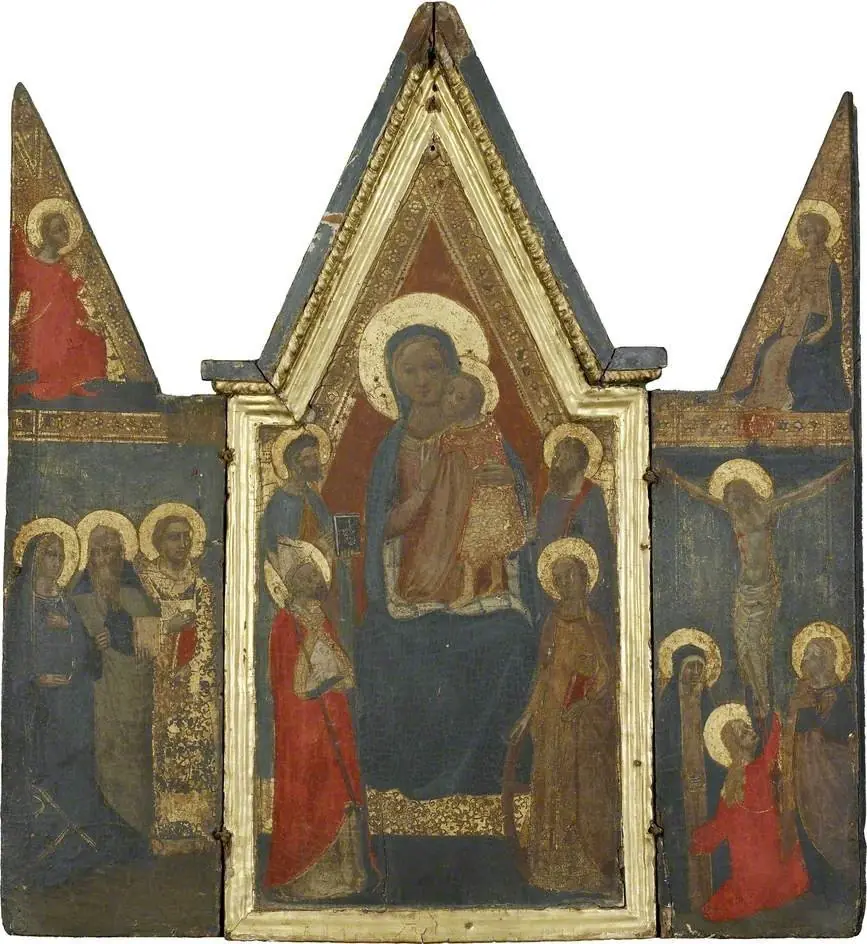
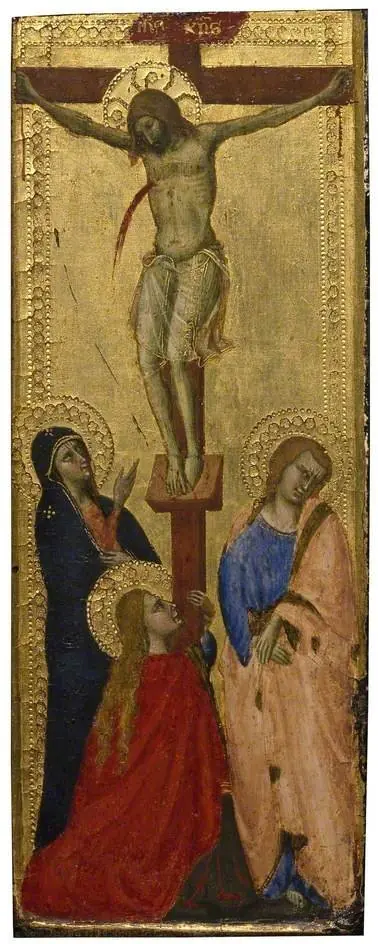 The Crucifixion
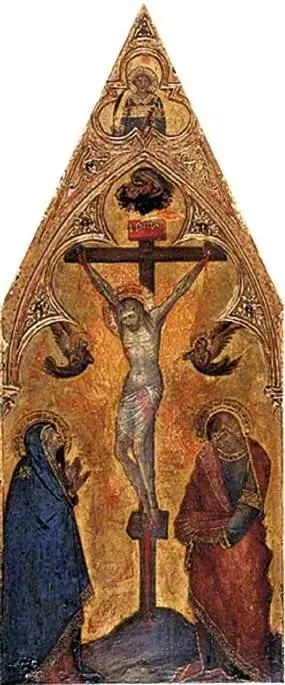 The Crucifixion
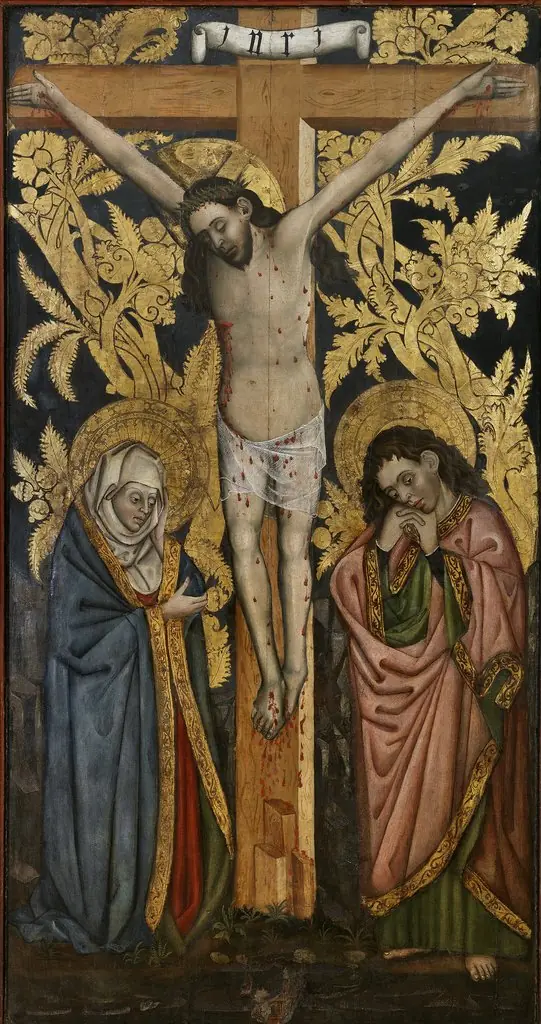 The Crucifixion
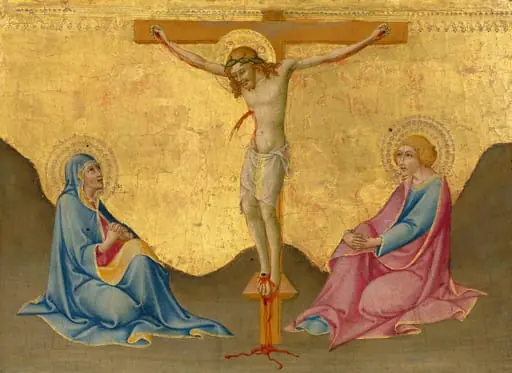 The Crucifixion
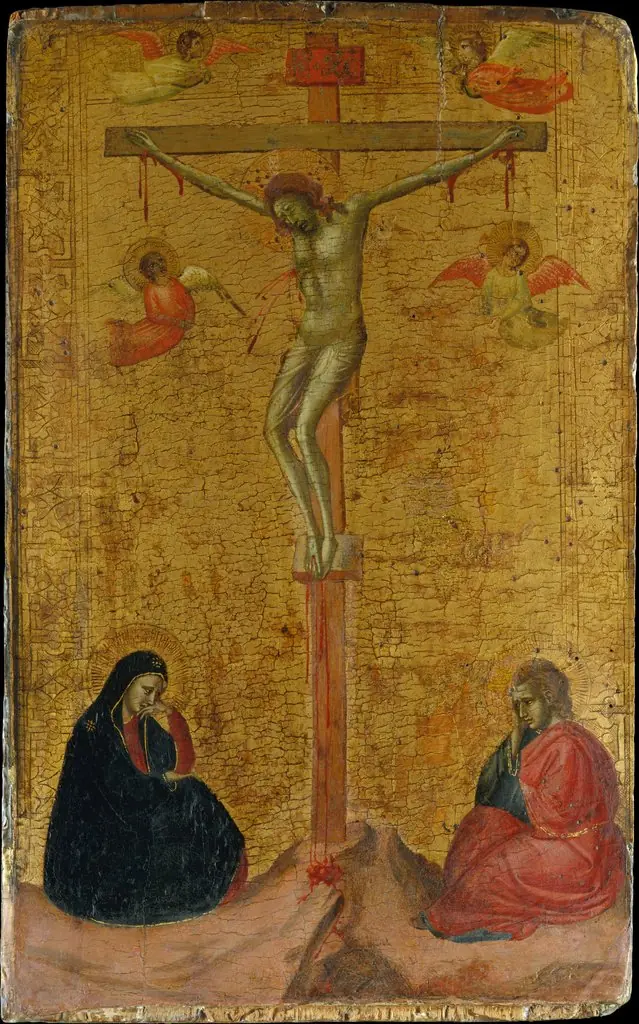 The Crucifixion
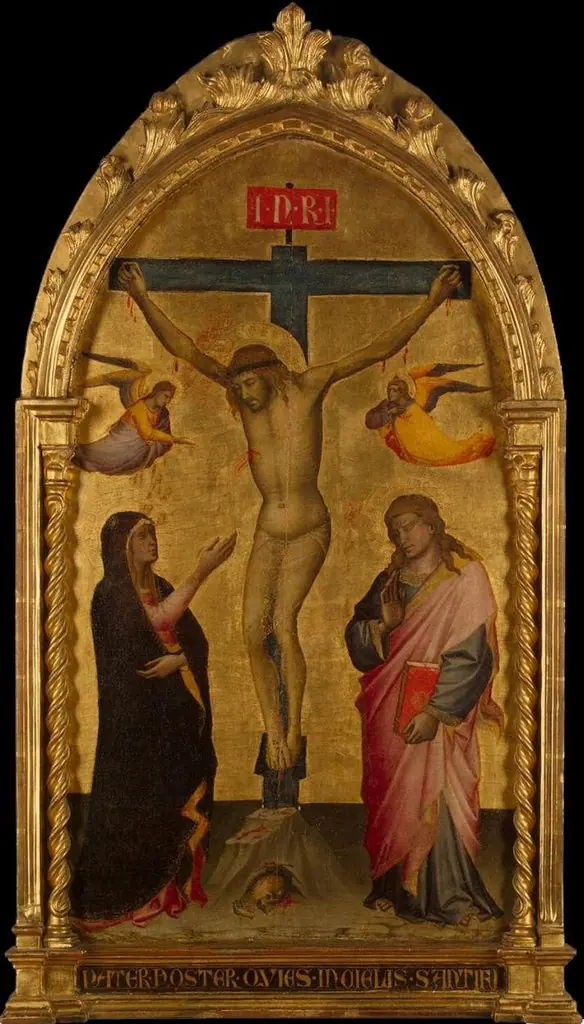 Crucifixion with the Virgin and St John
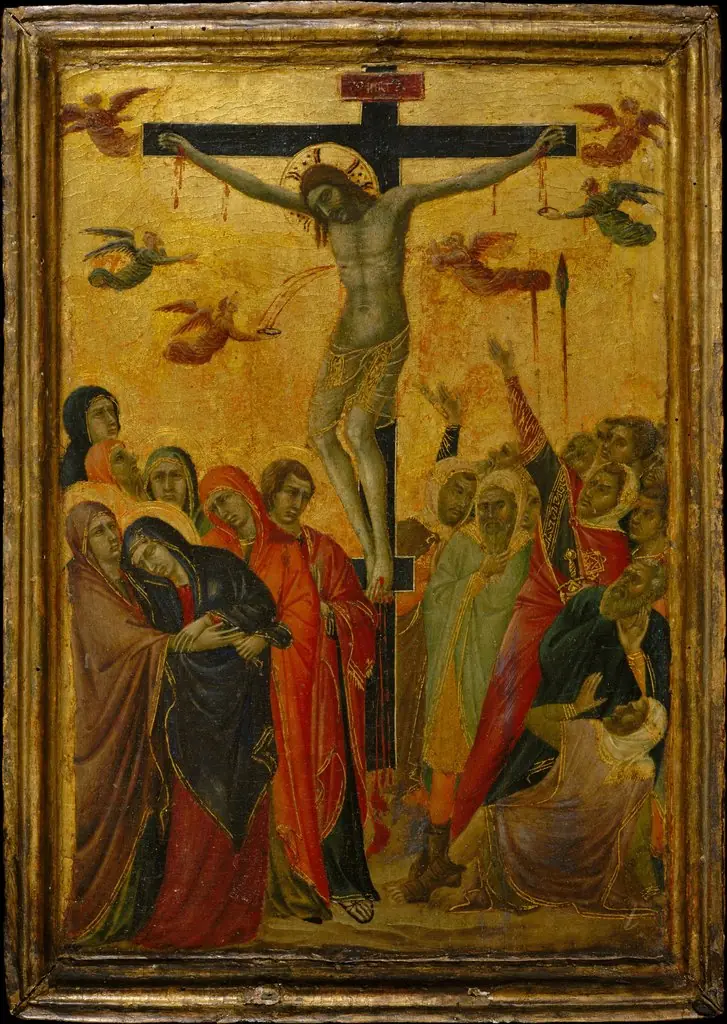 The Crucifixion
 The Crucifixion with the Virgin and Saint John
 Crucifixion with Mary and St John the Evangelist
 The Crucifixion
 Crucifixion with the Virgin and Saint John the Evangelist
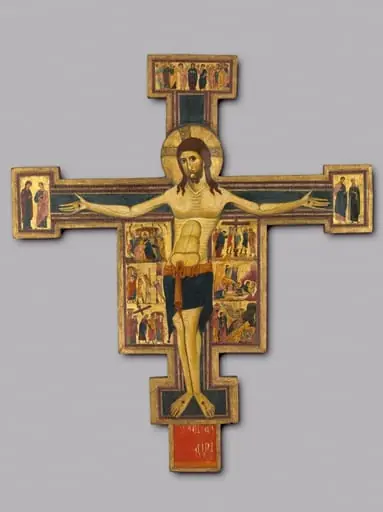 Crucifix with Scenes of the Passion