Artwork
Lucha de Jacob con el ángel
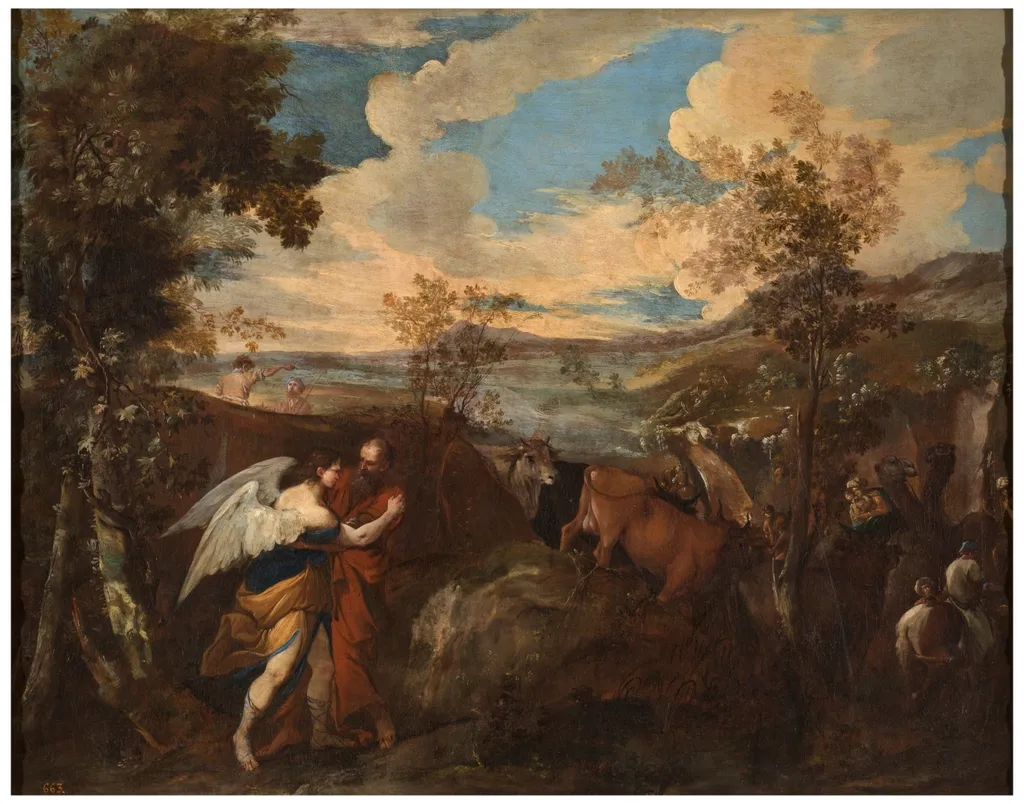
Lucha de Jacob con el ángel is an oil painting by the Early Baroque Italian artist Andrea di Leone. It dates from 1650 and is held in the collection of the Museo del Prado.
About this work
Overview
The painting is now part of the Museo del Prado’s collection, where it remains a quiet example of southern Italian Baroque devotion.
Painted circa 1650, Andrea di Leone’s oil on canvas depicts the biblical struggle between Jacob and an angel. Created during the early Baroque era, the work reflects the artist’s focus on religious narratives. Di Leone, active in Naples, was known for dynamic compositions rooted in sacred themes. The painting is now part of the Museo del Prado’s collection, where it remains a quiet example of southern Italian Baroque devotion.
Subject & Meaning
The scene illustrates Genesis 32:24–32, in which Jacob wrestles a divine messenger through the night. The angel’s embrace suggests not defeat but transformation — a moment of spiritual confrontation leading to blessing. The calm cow and distant laborers imply the continuity of earthly life amid sacred encounter. The setting, neither celestial nor hellish, grounds the mystery in human experience.
Technique & Style
Di Leone employs chiaroscuro to heighten emotional tension, particularly in the angel’s luminous wings and Jacob’s weathered face. The contrast draws focus to their intertwined forms while the surrounding landscape remains softly modeled. Brushwork is precise yet unshowy; the green hills and hazy sky recede with atmospheric perspective, reinforcing the figures’ centrality without theatrical excess.
History & Provenance
The painting entered the Museo del Prado’s collection in the 19th century, likely through Spanish royal acquisitions or ecclesiastical transfers. Its presence there reflects the broader 17th-century circulation of Neapolitan religious art across Iberian territories. No early documentation survives, but its style aligns with other works attributed to di Leone from the 1640s–1660s.
Context
In mid-17th-century Naples, religious imagery thrived under Counter-Reformation influence, favoring emotionally resonant biblical moments. Di Leone worked alongside artists like Ribera, though his style avoided their intensity, favoring lyrical clarity. This painting fits a regional trend of integrating sacred figures into naturalistic landscapes, making divine events feel immediate and accessible to viewers.
Legacy
Though not widely exhibited, the painting exemplifies a quieter strand of Baroque religious art — one that prioritizes introspection over spectacle. Its preservation in the Prado ensures continued study of Neapolitan painting beyond its more famous contemporaries. Di Leone’s restrained approach offers a counterpoint to the era’s grander narratives, emphasizing quiet endurance over dramatic triumph.
Own this work as a print
Artist & collection
Artist
Andrea di Leone (8 September 1610 – 12 February 1685) was an Italian painter of the Baroque period, active in his native city of Naples.

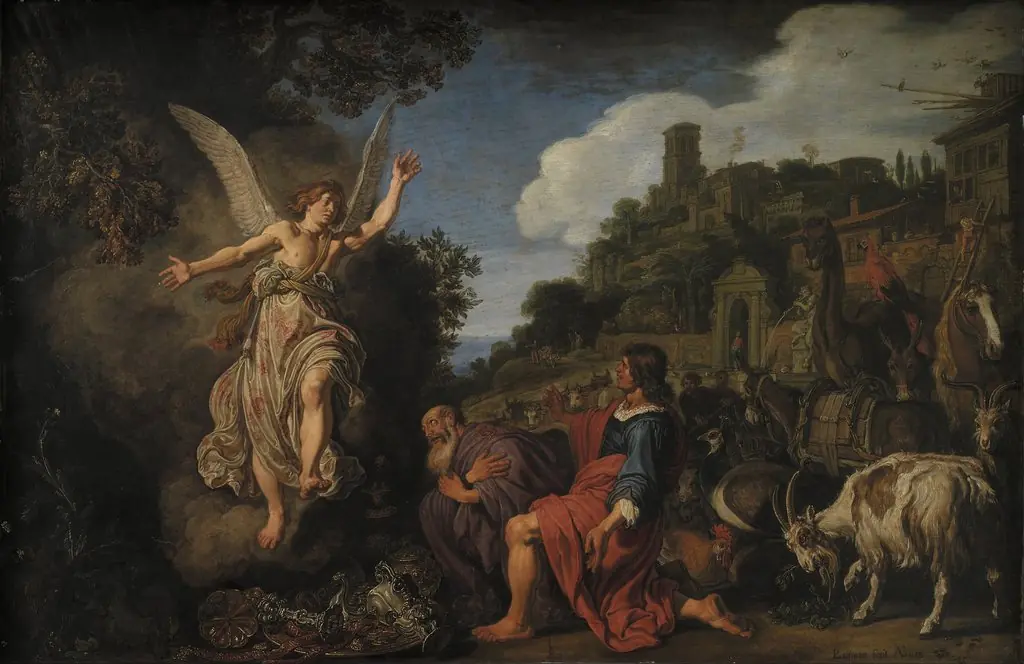 The Angel Raphael Takes Leave of Old Tobit and his Son Tobias
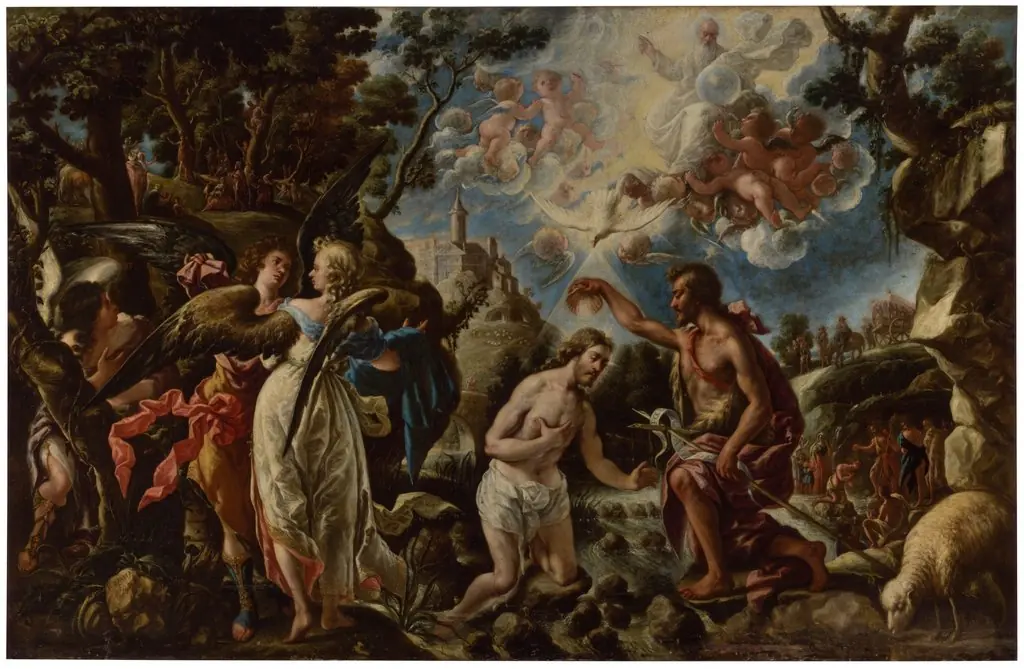 El Bautismo de Cristo
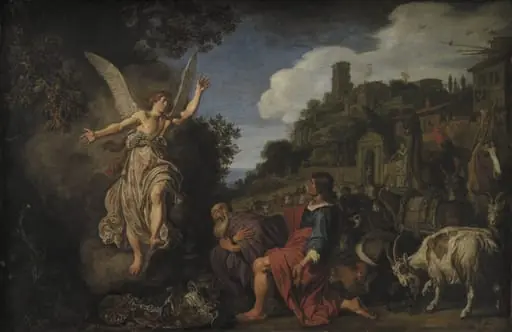 The Angel Raphael Takes Leave of Old Tobit and his Son Tobias
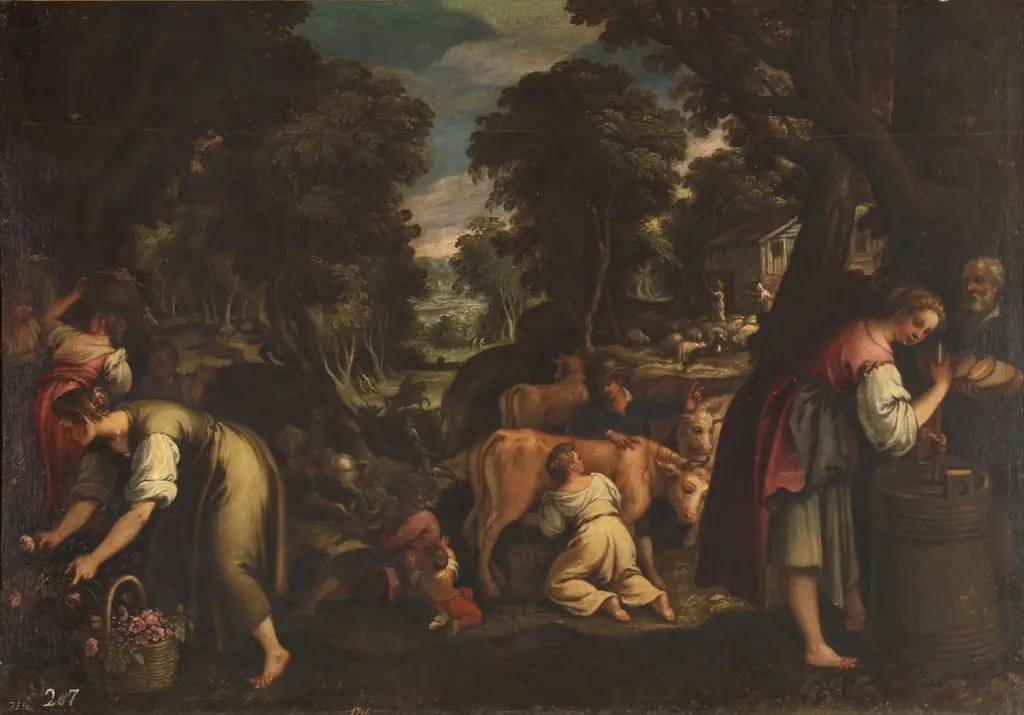 Rural labours or Spring
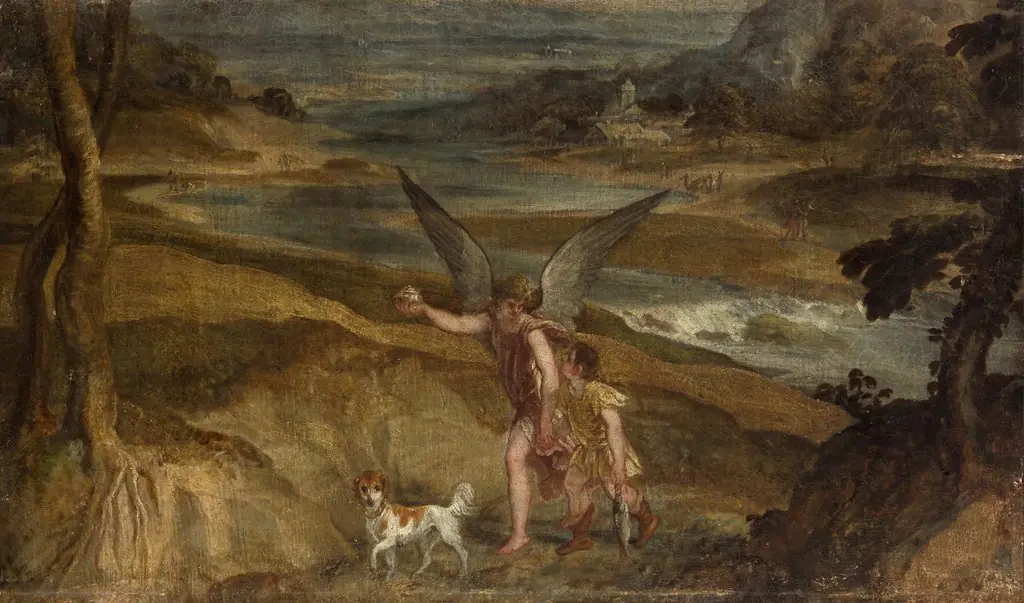 Tobias und der Erzengel Raphael auf Wanderschaft
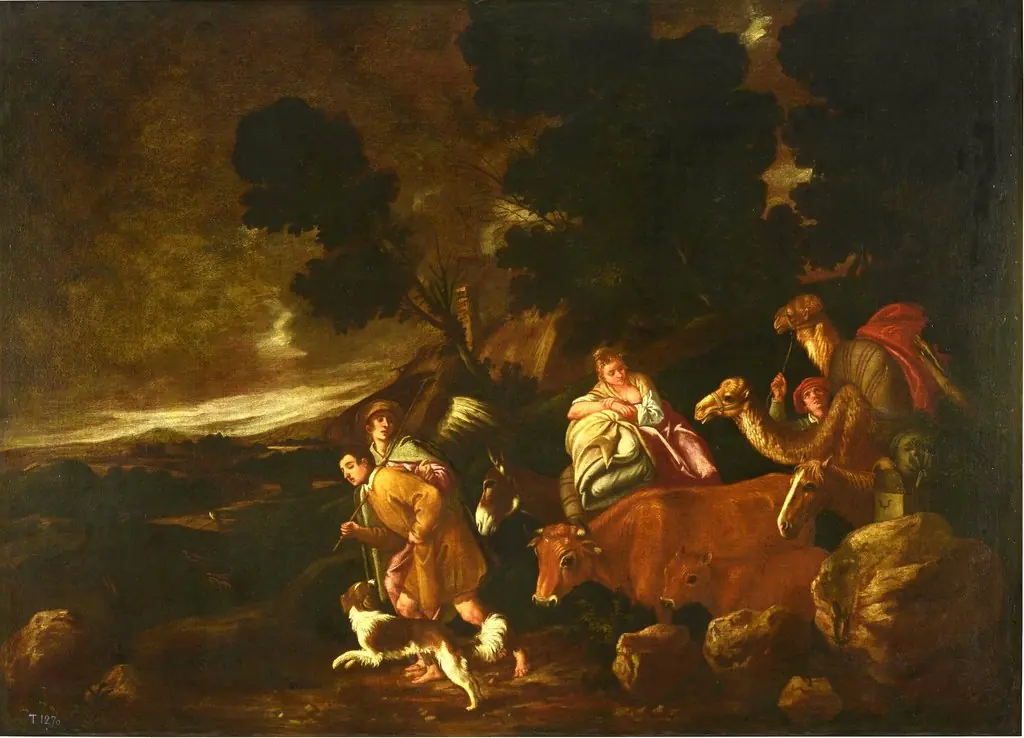 Viaje de Tobías y Sara
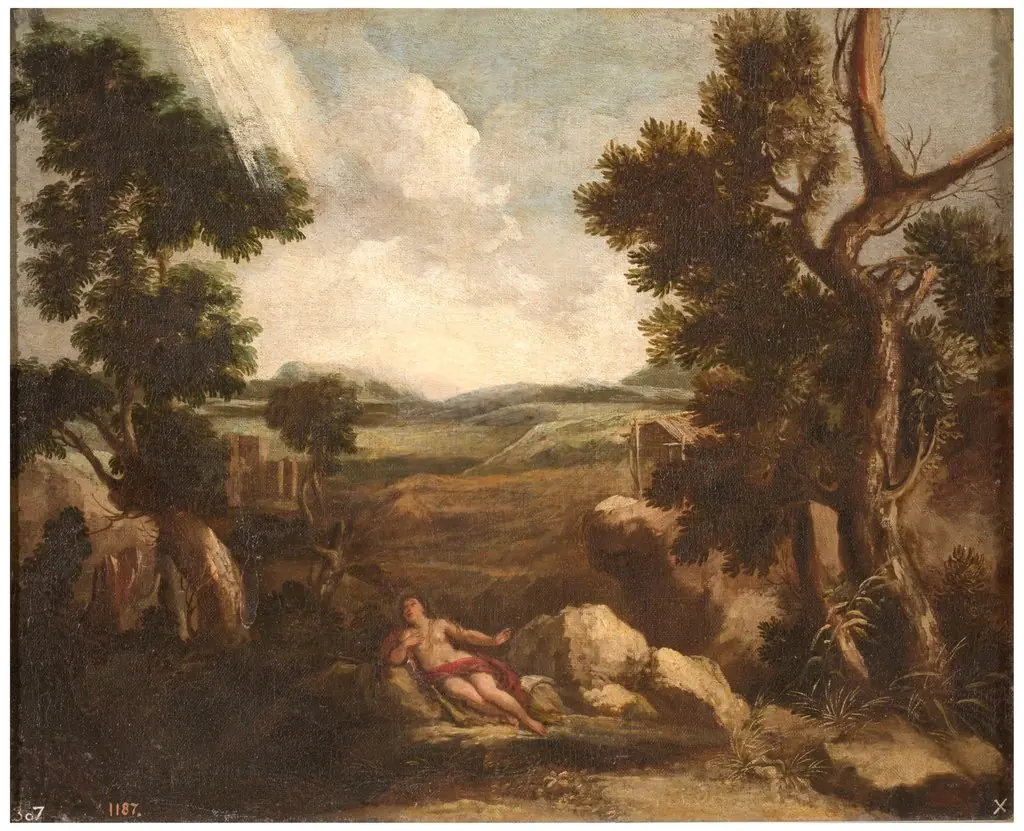 Penitent Magdalen
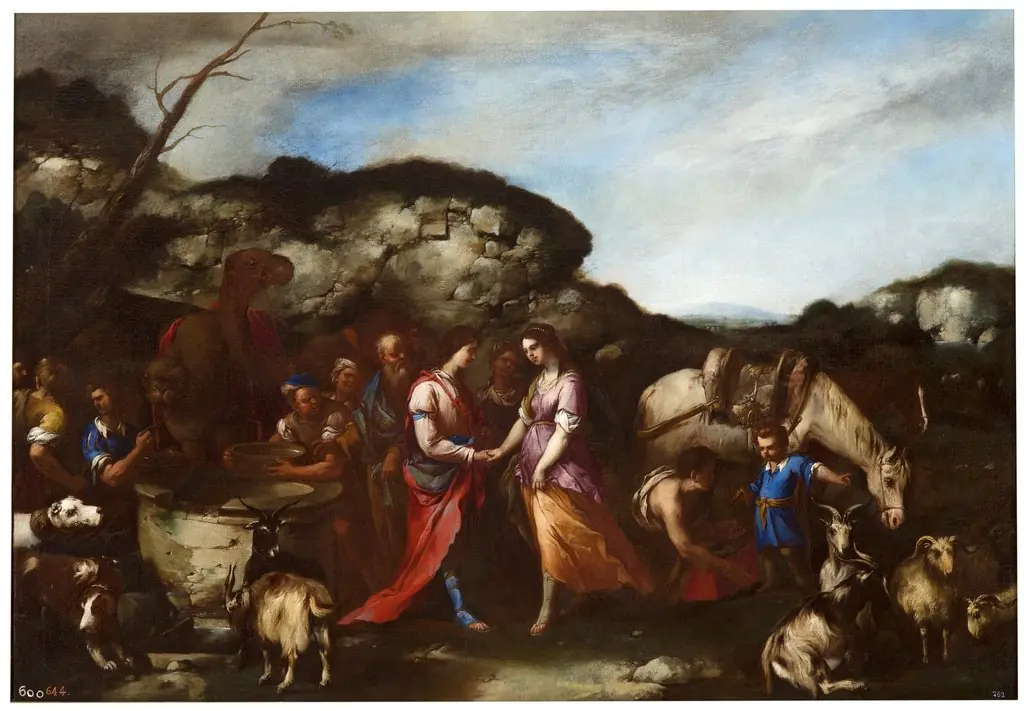 Jacob y Raquel en el pozo
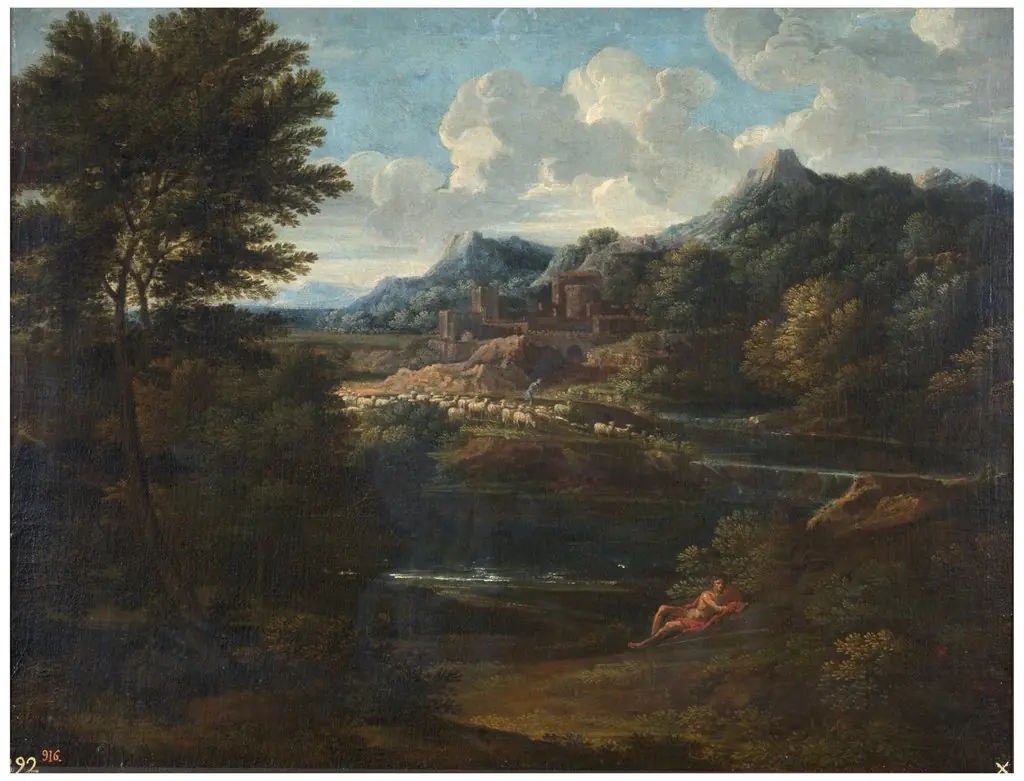 Paisaje con pastor
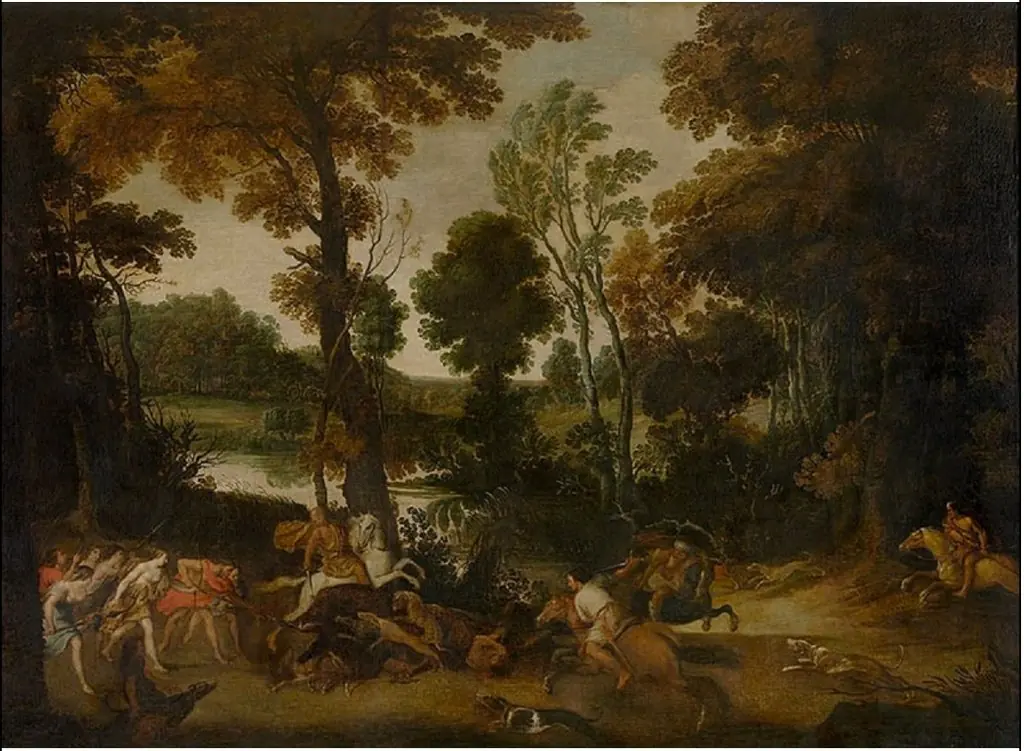 Landscape with Hunt of Meleager and Atalanta
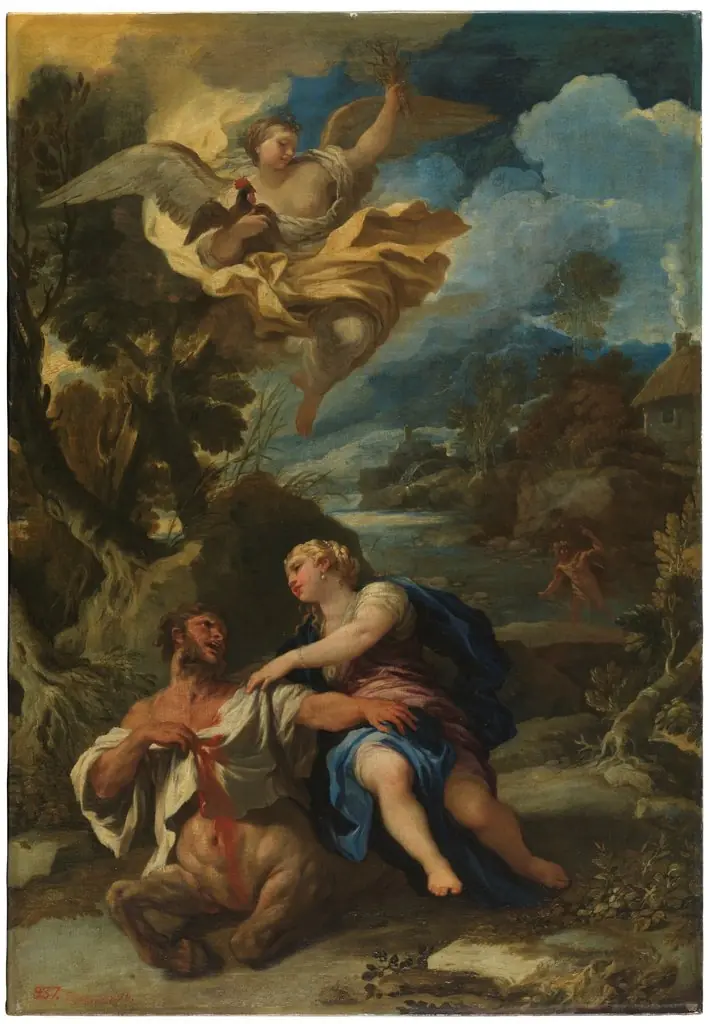 The Death of the Centaur Nessus
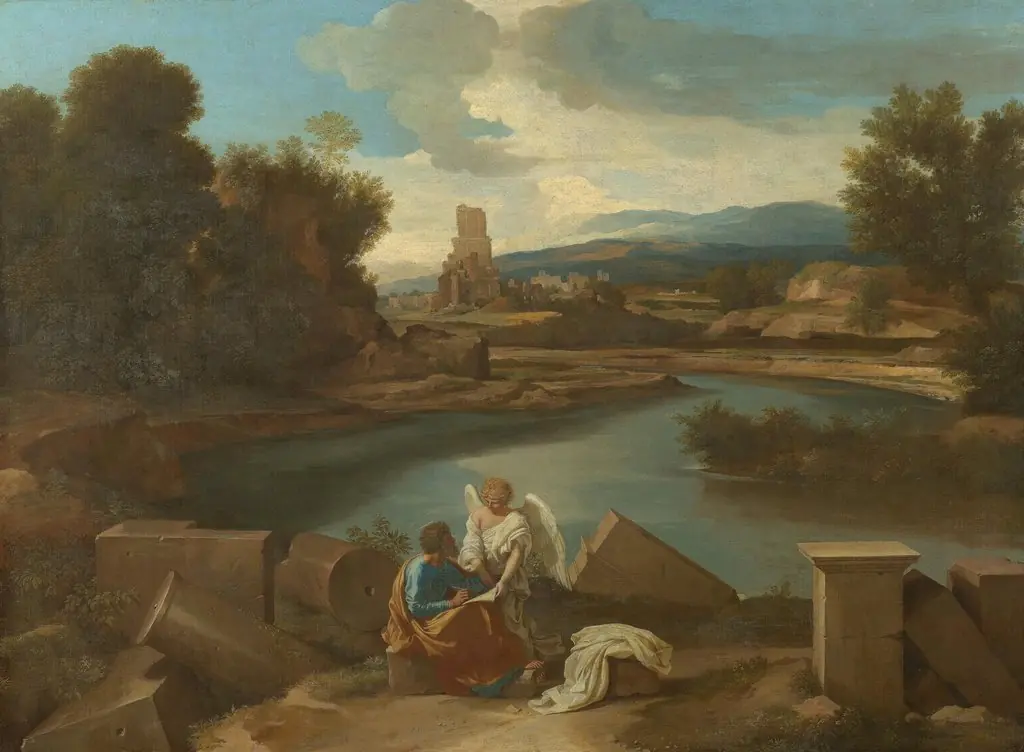 Landscape with St Matthew and the Angel